No. 01
KrabiKrabi1123 verified reviews
9
.0
Bitvoya Edit
Layering imagery, place, and detail before the page opens.
Nestled amidst the dramatic limestone karsts and emerald waters of the Andaman Coast, Krabi has emerged as a global leader in sustainable tourism without compromising on decadence. This curated collection invites you to explore properties where environmental stewardship meets five-star service. From the secluded shores of Tubkaek Beach, home to the exquisite Banyan Tree Krabi and the boutique charm of The Tubkaak, to the isolated splendor of Railay Peninsula where Rayavadee hides among ancient cliffs, these resorts define eco-conscious living. We also journey to the unspoiled Koh Lanta to experience Pimalai Resort & Spa, and across the waves to Phi Phi Island to rediscover the rustic elegance of the Outrigger Phi Phi Island Resort (formerly Zeavola). Experience guilt-free luxury where every stay contributes to preserving Thailand's natural heritage.
Krabi represents a unique intersection where high-end hospitality meets stringent environmental preservation. Unlike more commercialized destinations, the luxury sector here, particularly along the Andaman Coast, has deeply integrated sustainability into its DNA. Resorts like Varana Hotel Krabi and Anana Ecological Resort serve as prime examples, utilizing organic farming, zero-waste initiatives, and renewable energy to minimize their carbon footprint. Choosing eco-luxury here means your indulgence supports marine conservation projects, community outreach programs, and the protection of the region's fragile limestone ecosystems.
Expect more than just a lack of plastic straws. The properties in this collection offer immersive experiences that connect you with nature. Culinary programs often feature farm-to-table dining sourced from on-site organic gardens, as seen at Anana. Wellness therapies utilize indigenous herbs and traditional Thai healing practices. Furthermore, many of these resorts, such as Banyan Tree, hold prestigious certifications like EarthCheck, ensuring that water recycling, energy efficiency, and wildlife protection are rigorously monitored. It is a holistic approach to travel where luxury is defined by the purity of the environment surrounding you.
The best time is from November to March when the weather is dry and seas are calm, perfect for exploring marine parks without disrupting the ecosystem. The Green Season (May-Oct) offers lush landscapes and fewer crowds.
Yes, properties like Banyan Tree Krabi and Pimalai hold international certifications like EarthCheck and Green Globe, ensuring rigorous standards for waste management, energy efficiency, and community support.
Tubkaek Beach and Koh Lanta offer the most privacy. Resorts like The Tubkaak and Pimalai are renowned for their romantic, secluded atmosphere away from the crowds of Ao Nang.
Explore our complete curated list of luxury accommodations, from boutique hideaways to grand dames.
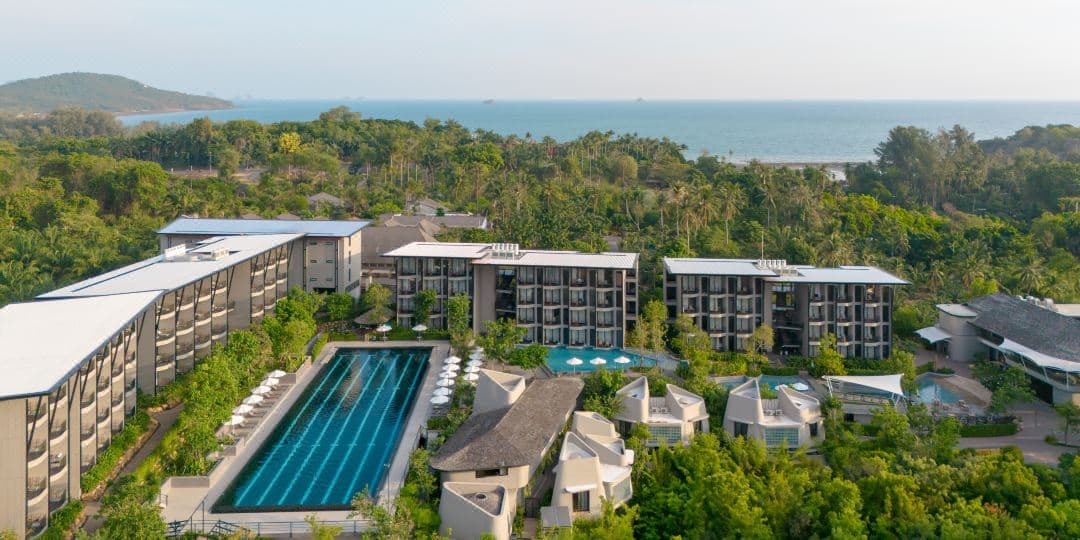
Explore All Krabi HotelsForget the backpacker clichés of Ao Nang; Varana constitutes a sophisticated pivot toward high-performance relaxation. This isn't just a hotel; it’s a 'wellcation' headquarters where the 50-meter Olympic saltwater pool is the centerpiece, not an afterthought. The architecture adheres to a 'Bio-Circular-Green' ethos, proving that recycled materials can look starkly modern rather than crafty. Inside, the minimalism is deliberate, stripping away excess to focus on well-being. The culinary program is a standout heavyweight: *KIN* delivers David Thompson’s uncompromised Southern Thai curries, while *NOOK* produces homemade sourdough that rivals any European bakery. The Japanese Onsen—with its three-temperature circuit—is a rare find in the tropics. The only caveat? There is no direct beach access. However, the short 150-meter stroll to the private beach club is a minor trade-off for facilities this caliber. **Verdict**: A game-changer for the active traveler who demands luxury without the carbon footprint.
“Skip the morning lie-in for the DIY aqua therapy circuit at FAA Spa—it’s the perfect primer before a spicy lunch at KIN.”
Insider TipAvg. Nightly Rate
155USD
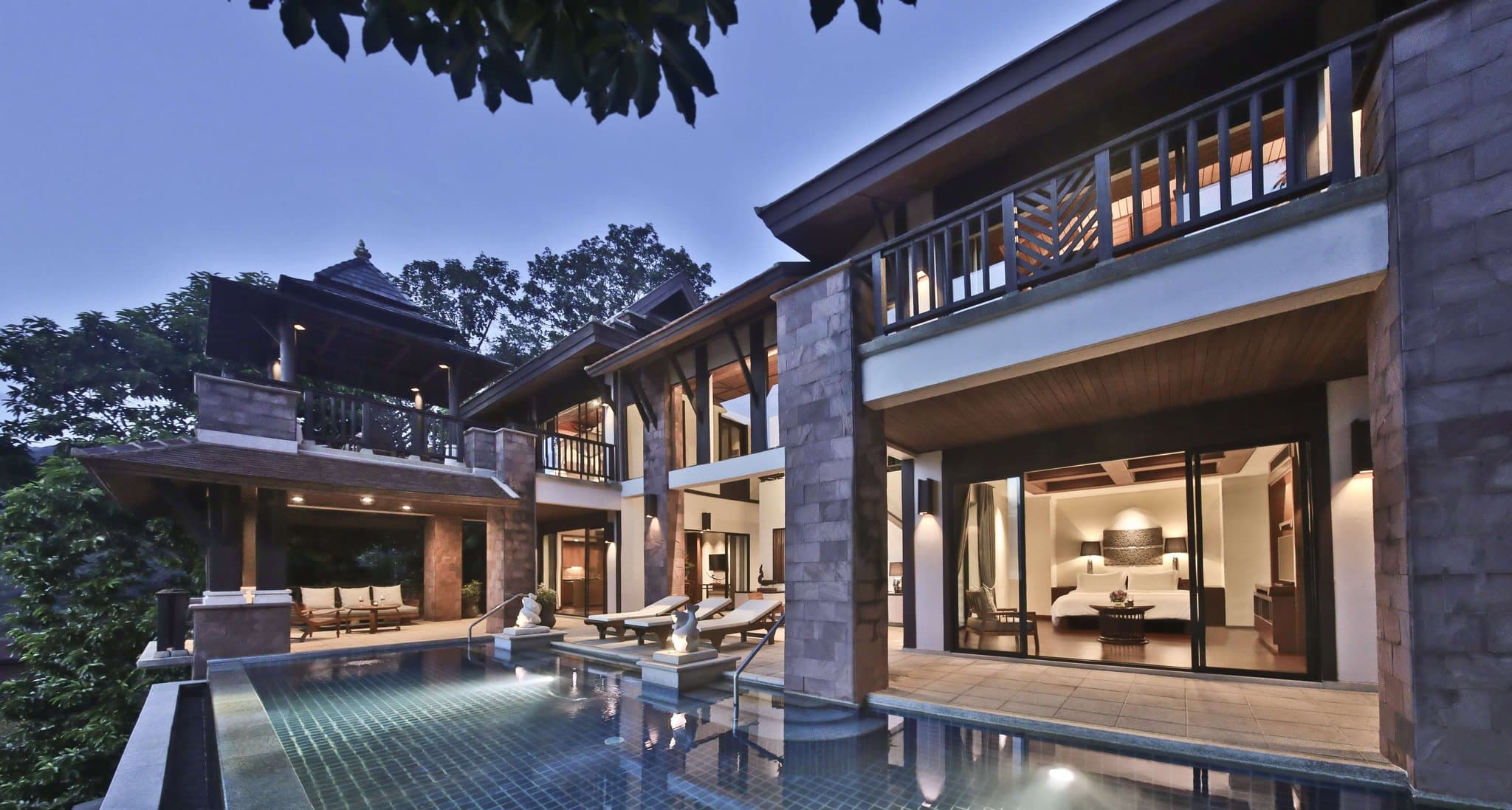
The arrival sets the tempo: a 45-minute private speedboat ride cutting through the Andaman Sea, leaving the tourist clatter of Krabi far behind. Pimalai Resort & Spa isn’t just 'nestled' in the rainforest; it was built around it, a masterclass in low-density architecture that feels less like a hotel and more like a secret wildlife reserve. The trade-off for this preservation is the terrain—steep, winding paths that demand reliance on the resort’s buggy service. But once you unlock the door to a Hillside Ocean View Pool Villa, the vertigo makes sense. You are suspended in the canopy, with nothing but cicadas and the Andaman horizon for company. Inside, the luxury is tactile—think teak floors and Thai silks—but the real flex here is the sustainability infrastructure you don’t see. This is a property that breeds and releases clownfish to repopulate local reefs and converts island waste into compost for its organic gardens. Dining is equally grounded; skip the room service for a table at Seven Seas, where the Koh Lanta Shellfish Bisque is a rich, saline love letter to the local catch. Down at the shore, Rak Talay offers a barefoot Surf 'n' Turf experience that puts polished city grills to shame. Verdict: It requires a trek to get here, and patience with the buggies once you arrive, but Pimalai delivers a rare commodity: genuine, silent isolation backed by an ecological conscience that feels structural, not performative.
“The resort's steep incline means buggies are essential. Avoid the morning rush frustration by calling for your ride 20 minutes before your spa appointment or breakfast reservation.”
Insider TipAvg. Nightly Rate
200USD
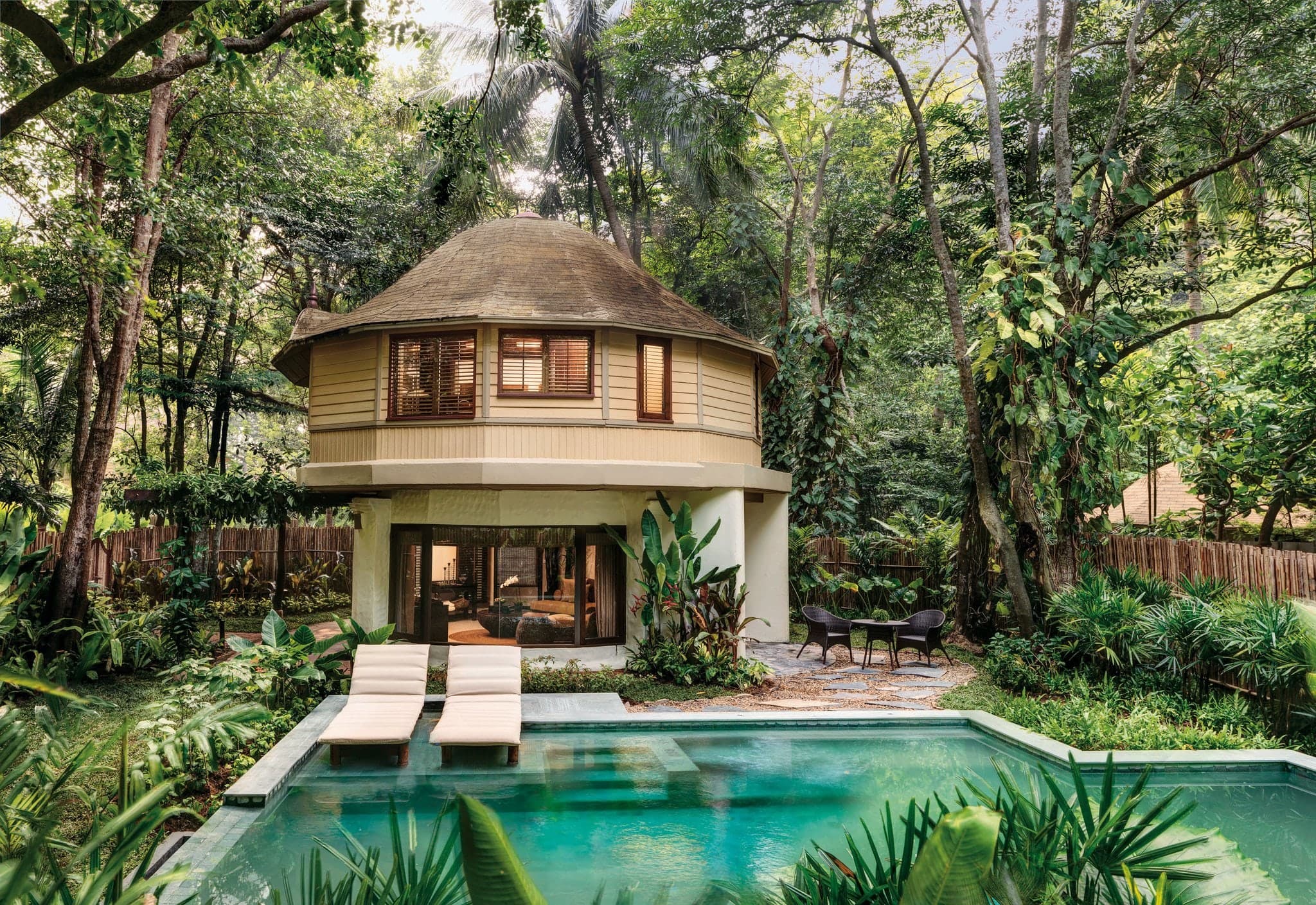
Arriving at Rayavadee feels less like a hotel check-in and more like stumbling upon a lost civilization that happens to stock Le Labo amenities. Accessed only by speedboat (and a rather rugged tractor transfer across the sand), the property’s 96 circular pavilions sit comfortably within a coconut grove, constructed without felling a single tree. This architectural deference to nature means your neighbors are often spectral langurs or prehistoric-looking monitor lizards rather than honeymooners. The two-story 'mushroom' pavilions are charmingly idiosyncratic—downstairs living rooms offer cool, dark wood refuge from the humidity, while upstairs bedrooms feel like suspended treehouses. The headline act, however, is The Grotto. Dining on Wagyu and lobster inside an ancient limestone cleft while the Andaman turns violet is theatrical, expensive, and entirely worth the price of admission. Yes, the Phranang Peninsula is public, meaning day-trippers swarm the beaches by noon. The move here is tactical: retreat to the free-form infinity pool or the spa for Thai herbal treatments until the boats depart at 4 PM. Once the crowds vanish, the resort reclaims its 'Castaway Chic' narrative, leaving you with the cliffs, the crab curry at Krua Phranang, and the silence of the canopy. It is sophisticated, wild, and largely unrivaled.
“Book the 'Twilight Dinner' at The Grotto at least two weeks out—it's the only way to guarantee a front-row seat for the sunset. Also, request a pavilion away from the public walkways to minimize day-tripper noise.”
Insider TipAvg. Nightly Rate
400USD
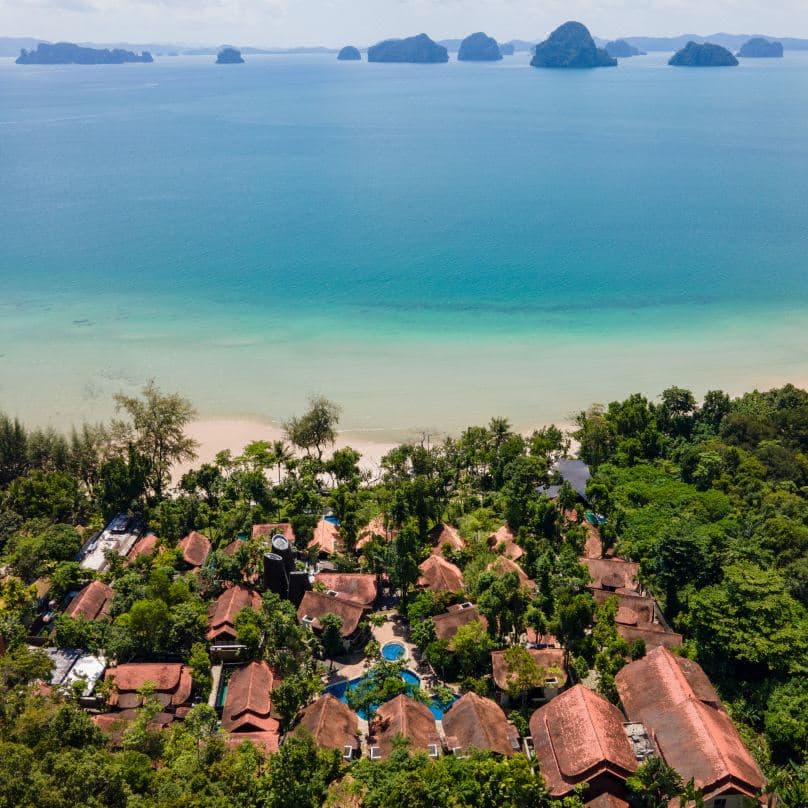
If Ao Nang is the frantic pulse of Krabi, Tubkaak is its deep, meditative breath. Designed by Architects 49, this isn't just a resort; it’s a lesson in vernacular humility where villas with curved roofs bow to the Hang Nak mountain rather than competing with it. The sustainability credentials here are structural, not performative. The water running through your rainfall shower—and into the glass bottles on your nightstand—is sourced directly from the mountain spring and treated on-site, effectively eliminating the single-use plastic plague common in Thai luxury. Inside, the rooms reject the standard beige neutrality for dark teak floors and local silks that feel rooted in heritage. Dining at The Arundina (Michelin-recognized) is uncompromising; the Gaeng Pu Mee Hoon (blue crab curry) delivers a ferocity of spice that respects the local palate. Recovery happens at L'escape Spa, where the cocoon-shaped treatment rooms offer a distinct architectural embrace. The drawbacks? Authenticity means nature. You are twenty minutes from the nearest 7-Eleven, and the mosquitoes are as loyal as the staff. But for a reset that prioritizes silence, sourcing, and architectural integrity over motorized water sports, Tubkaak remains the adult in the room.
“Skip the standard Garden Rooms which can feel exposed to pathways; book a 'Premier Pool Villa' specifically for the outdoor sunken bathtub that offers actual privacy.”
Insider TipAvg. Nightly Rate
145USD
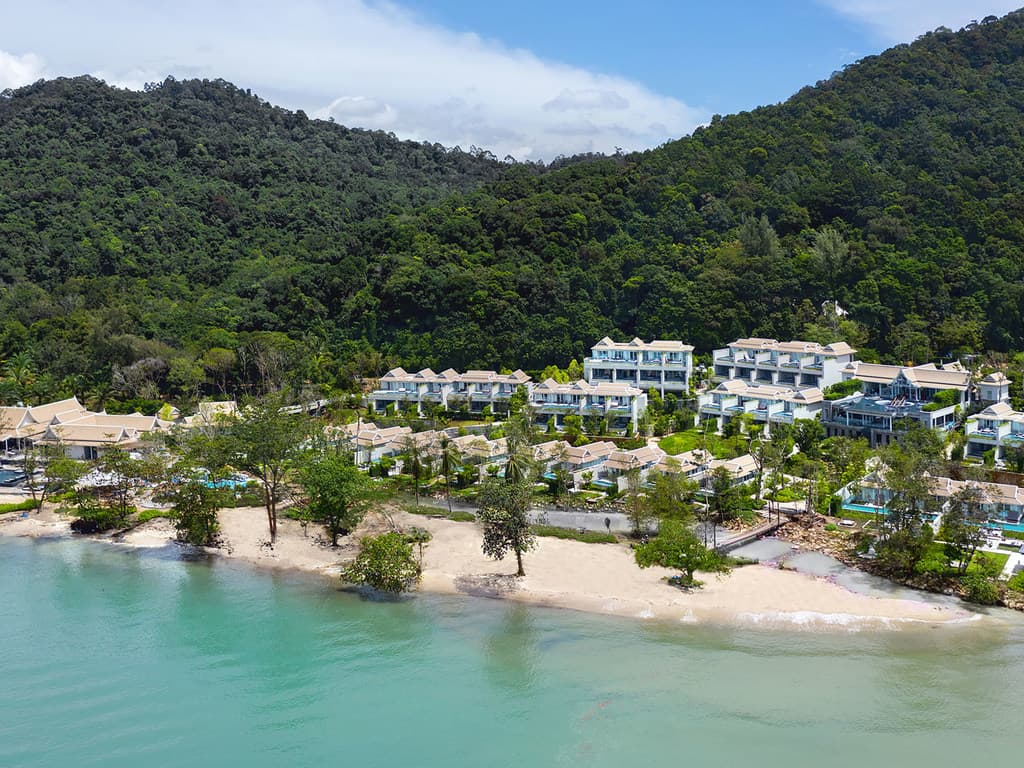
It is rare that a resort’s sustainability report is as compelling as its cocktail menu, but Banyan Tree Krabi—fresh off securing **Two Michelin Keys** for 2025—manages both. You don’t just check in; you descend into a Naga-inspired myth where architecture bows to nature rather than dominating it. Under the watch of marine biologist Thepsuda Loyjiw, the property has secured Krabi’s first EarthCheck Silver Certification, a rigor visible in everything from the 'Souvenirs from the Sea' upcycling project to the complex filtration that keeps the private saltwater pools in every villa crystal clear without the chlorine burn. The villas are cavernous sanctuaries of bamboo and sustainable teak, but the real draw is the hydrotherapy. 'The Rainforest' spa facility is a humid, subterranean labyrinth of steam and water jets that makes a standard sauna feel pedestrian. Dining requires a head for heights; the 'Bird's Nest' tables winch you into the canopy for afternoon tea, offering views of the limestone karsts that are worth the vertigo. A word of warning: the beach is tidal and rocky, better for beachcombing than swimming. However, with a 20-meter saltwater lap pool and the Saffron restaurant serving a Massaman Beef Curry with cheeks so tender they defy physics, you likely won’t miss the ocean dip.
“Skip the midday heat and book the 'Bird's Nest' specifically for the 5:30 PM sunset slot; the lighting on the limestone karsts is superior, and the temperature is forgiving.”
Insider TipAvg. Nightly Rate
500USD
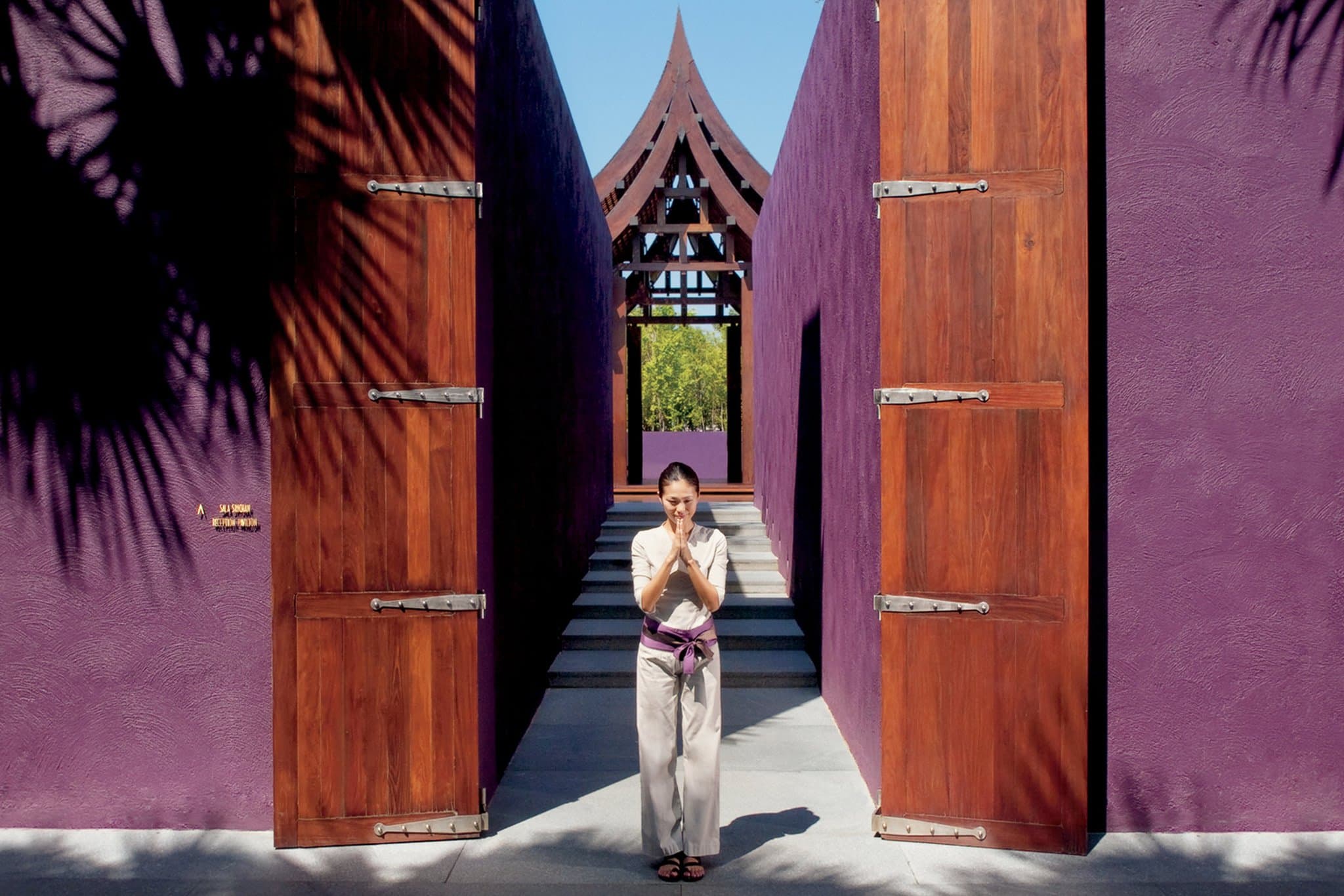
The arrival sequence at Phulay Bay is less a hotel check-in and more a cinematic dissolve. You abandon the real world at the sala Srichan, a pavilion floating on water, surrounded by high aubergine walls and illuminated by 2,000 candles at night. As one of only a handful of Ritz-Carlton Reserves worldwide, this property trades the brand’s usual corporate polish for a raw, high-design aesthetic that feels distinctly regal. The villas are colossal—entry-level pavilions clock in at 179 square meters—anchored by ludicrously oversized four-meter beds that could sleep a small family. While the walled-in gardens guarantee absolute privacy, they do trade ocean vistas for solitude; if a sea view is non-negotiable, you must book a Reserve Pool Villa. Culinary prowess recently earned the resort an impressive Three Michelin Keys. Skip the room service and head to Jampoon for the Catalan-style Andaman lobster, or let the spice heat build at Sri Trang with their signature yellow crab curry. Service is telepathic, courtesy of personal butlers who materialize before you realize you need a buggy. The beach is rocky and unswimmable—a geological quirk of this coast—but the resort counters this with effortless, complimentary long-tail boat shuttles to the pristine sands of Hong Island. It is a trade-off, but for this level of seclusion, it is one worth making.
“The Andaman Sea is rocky here at low tide. For swimming, rely on the massive infinity pool or take the complimentary morning boat to Hong Island before the tourist crowds arrive.”
Insider TipAvg. Nightly Rate
572USD
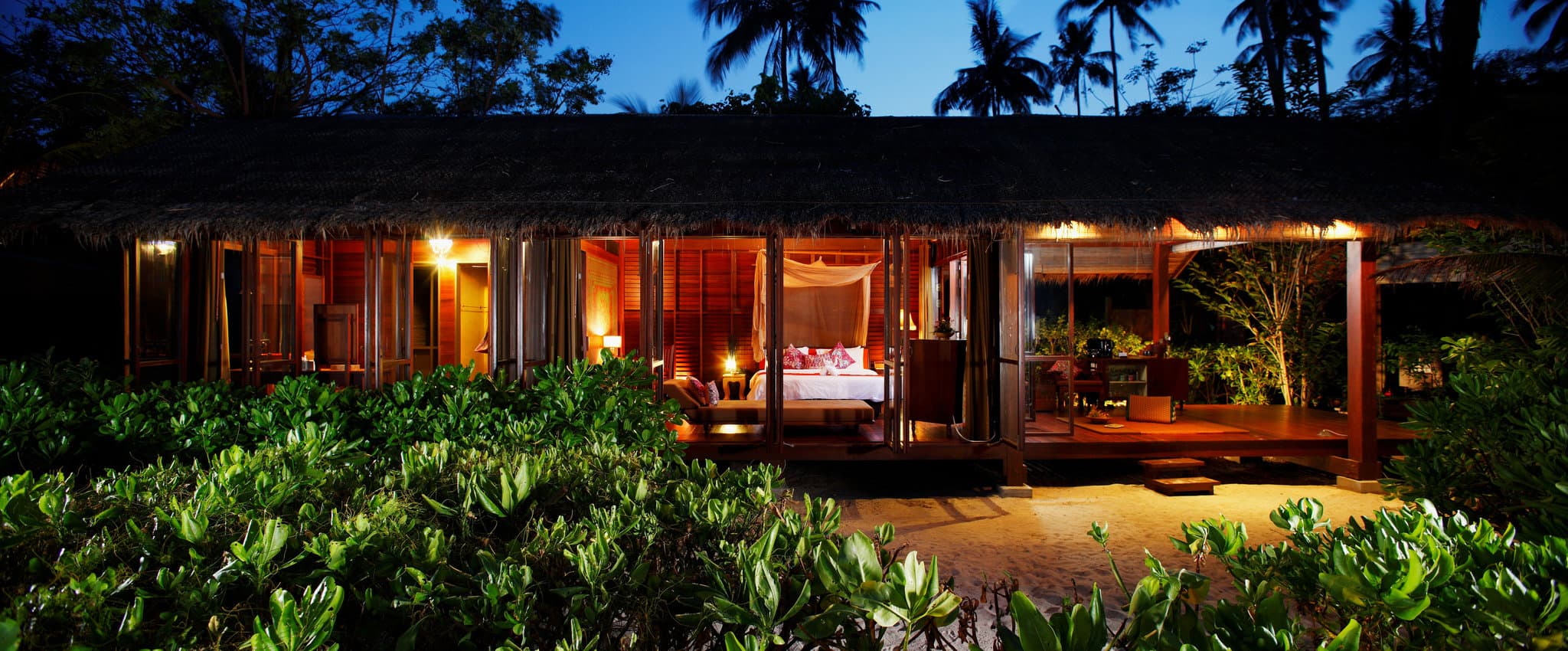
When a corporate heavyweight acquires an indie darling, the result is usually a tragedy of concrete and standardization. Happily, Outrigger’s 2025 takeover of the legendary Zeavola Resort is the exception that proves the rule. The brand has wisely retained the 'barefoot luxury' DNA that made this Laem Tong Beach property an icon. Upon arrival, your shoes are still whisked away into a cotton bag—a symbolic shedding of urban armor that dictates the pace here. The architecture remains fiercely loyal to rural Thai tradition: teakwood villas raised on stilts to capture the Andaman breeze, reducing the need for the Mitsubishi air-conditioning units (though they are there if you need them). The standout sustainability feature isn't just a plaque; it's the 18-meter Enviroswim pool, a chlorine-free freshwater oasis that feels like swimming in silk. Dining has been sharpened at Mala Kitchen (formerly Baxil), where the Gaeng Pu (crab curry) delivers a uncompromising chili kick, while Edgewater Bar continues the legacy of barefoot lunches with grilled rock lobster. It’s rustic, yes—expect the occasional mosquito and a bumpy tractor ride to your room—but for low-carbon hedonism, it’s unrivaled.
“Request a Garden Suite in the 300 block for the best balance of privacy and proximity to the Enviroswim pool; the hillside villas offer views but require a steep trek.”
Insider TipAvg. Nightly Rate
194USD
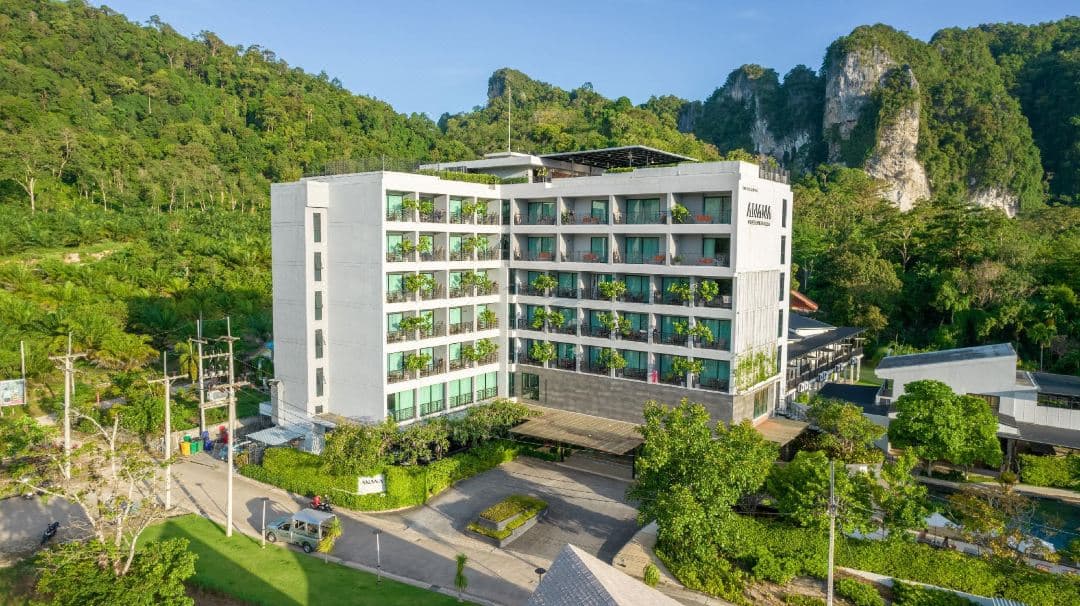
Anana Ecological Resort isn’t just riding the sustainability wave; it’s generating the current. While Ao Nang’s beachfront often succumbs to the frenetic energy of mass tourism, Anana retreats inland, anchoring itself against a dramatic limestone cliff backdrop that feels prehistoric. This is hospitality re-engineered for the climate crisis era—minus the hemp-shirt preachiness. The headline act is the water. The 35-meter infinity pool isn't filled with chlorinated tap water but volcanic mineral water, silky on the skin and sourced from deep underground. It anchors the property, flanked by 'Cooper’s Farm2Plate', where the menu is a manifesto. The on-site permaculture farm supplies the kitchen; the signature Cream of Mushroom Soup is earthy and honest, while the Bean Burger proves plant-based comfort food can rival any beef patty. Rooms are exercises in minimalist restraint—expect refillable glass bottles, zero single-use plastics, and amenities that prioritize function over fluff. The trade-off for this serenity is the distance from the beach (a 10-minute ride), though the hourly eco-shuttle mitigates the inconvenience. Service is earnest, if occasionally island-paced at the rooftop bar. For wellness, the Asana Organic Spa’s Himalayan Salt Room offers a detox that feels scientifically grounded rather than mystically vague. Verdict: A sophisticated, regenerative sanctuary for the traveler who prefers birdcalls to basslines.
“Book a ground-floor Pool Access Room for direct dips into the volcanic water, but request a unit away from the main walkway for better privacy.”
Insider TipAvg. Nightly Rate
79USD