No. 01
Hashidono-cho 362-3 Kyoto JapanKyoto289 verified reviews
9
.6
Bitvoya Edit
Layering imagery, place, and detail before the page opens.
Immerse yourself in the timeless elegance of Japan's ancient capital by staying where history whispers from the walls. Our curated collection transcends standard accommodation, inviting you to experience the authentic soul of Kyoto through its finest Machiya-inspired and heritage boutique hotels. From the preserved wooden latticework of Gion and Higashiyama to the serene, aristocratic retreat of Arashiyama, these properties offer a seamless blend of Edo-period architecture and contemporary luxury. Whether it is the renovated heritage of a former elementary school at The Hotel Seiryu or the intimate tranquility of Sowaka, these sanctuaries allow you to step off the tourist trail and truly live like a local, surrounded by Zen gardens, tatami craftsmanship, and Omotenashi hospitality.
Choosing a boutique hotel or a renovated Machiya in Kyoto is about bridging the gap between observer and participant. Unlike standard high-rise hotels, properties like Kanamean Nishitomiya and Genji Kyoto serve as gateways to the city's rich heritage. By staying in these culturally significant buildings, you gain intimate access to the 'Kyoto atmosphere'—the subtle interplay of light through shoji screens, the scent of incense, and the quietude of inner gardens. It is an opportunity to slow down and align your rhythm with the city's ancient pulse.
Expect a fusion of Wabi-Sabi aesthetics and five-star comfort. While the exteriors may retain the unassuming charm of traditional wooden townhouses, interiors are often masterclasses in modern design. You can anticipate amenities like private onsen baths, kaiseki dining experiences using local ingredients, and concierge services that unlock exclusive local experiences. Whether it's the architectural marvel of Park Hyatt Kyoto or the cozy minimalism of KABIN Taka, these hotels prioritize privacy, design, and a deep connection to their neighborhoods.
A Machiya is a traditional wooden townhouse typical of Kyoto, often rented as a private vacation home. A Ryokan is a traditional Japanese inn that includes staff services, communal baths, and meals.
Yes, many properties like KABIN Taka and Garrya Nijo Castle offer spacious layouts suitable for families, though some traditional Machiyas may have strict occupancy limits or age restrictions.
Higashiyama and Gion are ideal for first-timers as they are walking distance to major temples, shrines, and traditional streets, offering the quintessential Kyoto experience.
Explore our complete curated list of luxury accommodations, from boutique hideaways to grand dames.
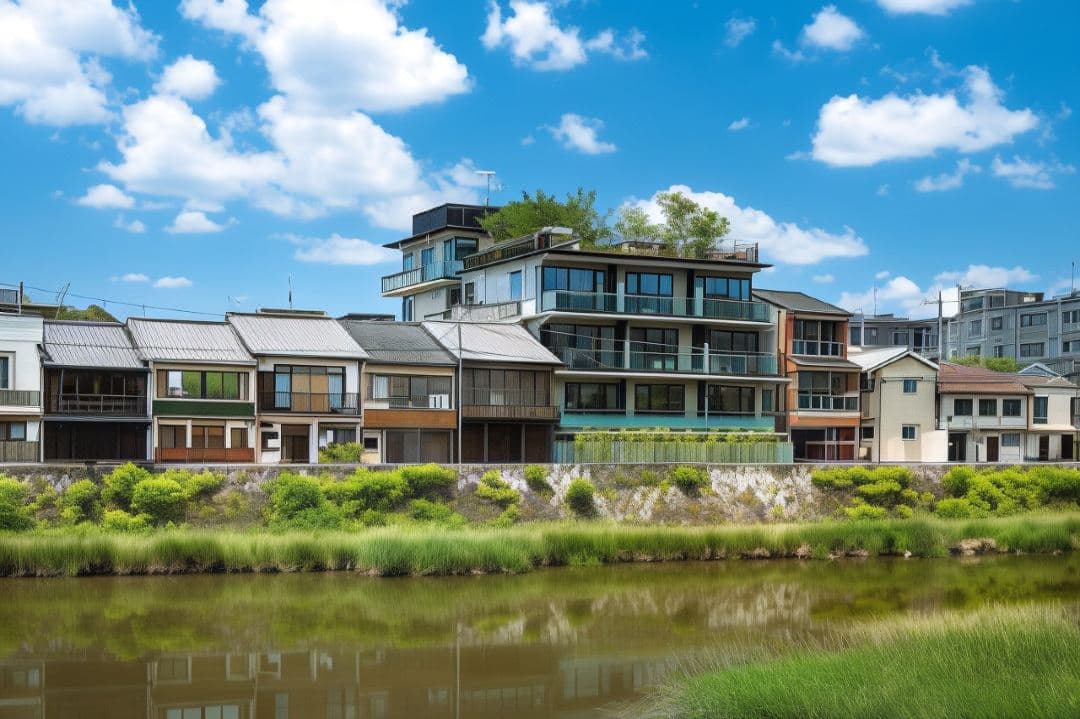
Explore All Kyoto HotelsForget the rigidity of a traditional ryokan. Genji Kyoto offers a sophisticated pivot: a structure that respects the city’s architectural vernacular while injecting a shot of brutalist cool. Located on a quiet slice of the Kamo River, this 19-room retreat feels less like a hotel and more like the private residence of a moody architect. The design narrative draws from *The Tale of Genji*, but thankfully avoids kitsch; instead, you get subtle ‘Ukifune’ moss gardens in the lobby and abstract washi paper window screens that filter light into a hazy, dreamlike gold. The rooms are a masterclass in texture. Concrete walls meet radiant heated floors and soft tatami mats, grounded by low-slung Verner Panton chairs. If you book a suite, the aromatic hit of the Hiba wood soaking tub is immediate and intoxicating. Dining is equally curated—skip the queue at Nishiki Market and order the Wagyu Donburi at the Genji Lounge, or head to the rooftop ‘Sky Forest Garden’ for a yuzu cocktail as the sun dips below the Higashiyama mountains. Service is hyper-personalized, filling the gap where a concierge desk usually sits. It’s intimate, hushed, and unapologetically modern.
“Secure one of the nine River Balcony rooms. They are among the few spots in Kyoto where you can legally sit outside and watch the Kamo River flow directly beneath you.”
Insider TipAvg. Nightly Rate
215USD
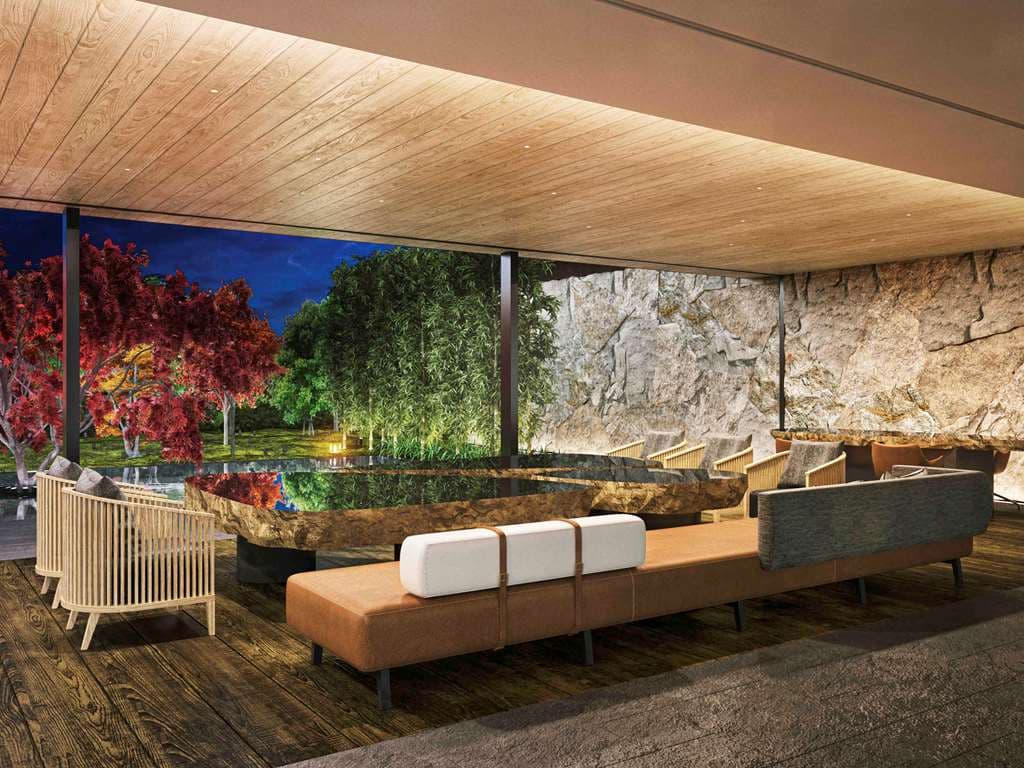
If Nijo Castle had a moody, introverted younger sibling, it would be Garrya. Awarded a coveted Michelin Key for 2025, this 25-room retreat rejects the frenetic energy of Kyoto’s tourist trail for something far more seductive: absolute stillness. The aesthetic here isn’t just 'Japanese'; it’s a study in shadow. Corridors are dimly lit, forcing your eyes to adjust to the textures—naguri (chiseled) wood surfaces and vermillion-accented lacquer furniture that glow under low light. There is no pool, no sprawling gym, and no buzzy lobby bar—a deliberate omission that filters out the noise. Instead, the focus is singular, quite literally, at the restaurant *Singular*. Here, the kitchen executes 'wakon yosai' (Japanese spirit, Western learning) with surgical precision; the 'Hakoniwa' garden appetizer is less a dish and more an edible terrarium. Rooms are sanctuaries of silence featuring deep soaking tubs and amenities by 8lements Spa. Service is telepathic rather than attentive, earning a near-perfect cleanliness and staff score. This is not a hotel for the 'seen and be seen' crowd; it is for the traveler who prefers to watch from the shadows.
“Book the Rikyu Terrace Suite for the only view that matters: a direct, unobstructed line of sight into the Nijo Castle grounds from your private balcony.”
Insider TipAvg. Nightly Rate
400USD
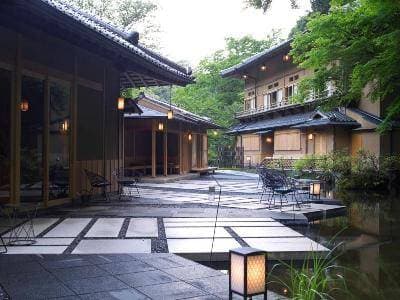
The arrival sequence alone ruins you for other hotels. You don’t pull up to a lobby; you board a private wooden cedar boat at the Togetsukyo Bridge and drift fifteen minutes up the emerald Ooi River, shedding the tourist clamor of Arashiyama with every stroke. HOSHINOYA Kyoto isn’t just a hotel; it’s a meticulously restored hamlet of century-old riverside villas that once housed Heian-period aristocracy. Awarded a MICHELIN One Key in 2025, the property enforces a strict digital detox—there are no televisions to distract from the hand-blocked karakami wallpaper or the hypnotic river views framed by floor-to-ceiling glass. Inside, the luxury is tactile and acoustic. You walk on heated floors, smell the Yamadamatsu incense, and hear only the river and the distant whistle of the Sagano Romantic Train. Dining is a serious affair at ‘HOSHINOYA Kyoto Dining,’ where the seasonal Hassun platter arrives like an edible architectural model. It’s quiet, darker than Western hotels, and deliberately slow. Accessibility is challenging—stone steps abound and elevators are nonexistent—but for those seeking the intellectual seclusion of a 17th-century scholar with access to Dyson hair dryers and 24-hour room service, this is the apex.
“Skip the crowded river banks and book the 'Floating Tearoom' experience—an open-air cantilevered deck where you can sip matcha hovering directly over the Ooi River.”
Insider TipAvg. Nightly Rate
473USD
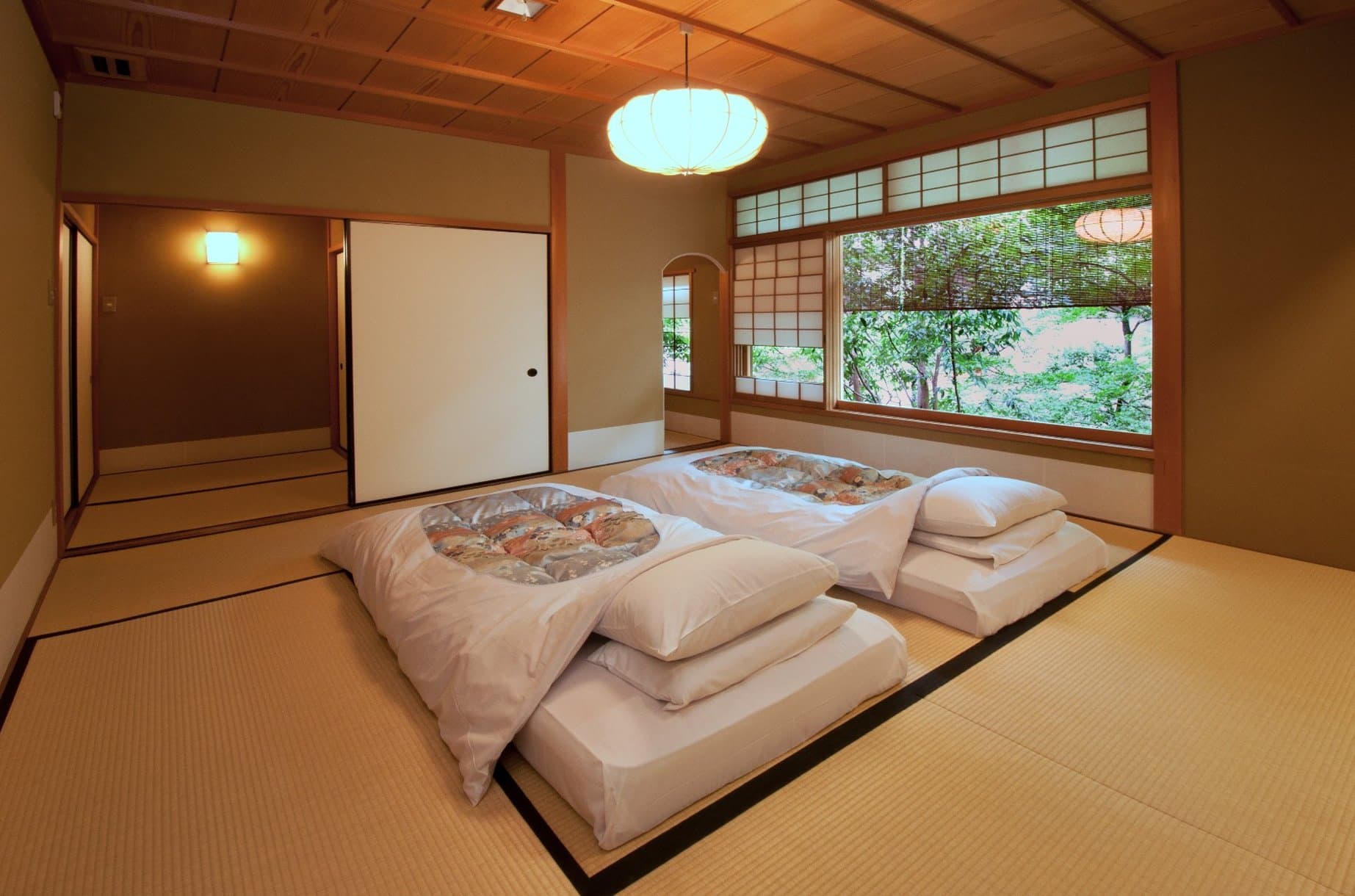
Forget the glass-and-steel monoliths rising near Kyoto Station. Kanamean Nishitomiya is the antidote: a two-story, 19th-century machiya that feels less like a hotel and more like the private residence of a sophisticated sake scholar. With only seven rooms, the vibe is intensely intimate—verticality is part of the charm (and the challenge; there are no elevators, just polished, steep timber stairs). Inside, the aesthetic eschews heavy-handed samurai kitsch for mid-century finesse. The standout Kashiwagi Suite features a honey-hued Hinoki soaking tub that scents the entire room with cedar steam, paired with Aesop and Diptyque amenities that signal a modern sensibility. But the real draw here is the kitchen. Held by the Nishida family for five generations—who recently snagged a Michelin Service Award—the in-house kaiseki has retained its Michelin star for 16 consecutive years. Expect dishes like Wagyu beef seared to impossible tenderness and a yuzu pudding served inside the whole fruit. It is a place for purists who value the creak of floorboards over a concierge desk.
“Book the Kashiwagi Suite for the best garden views and renovated interiors. Also, skip the hotel breakfast one morning to grab a pour-over at Weekenders Coffee, hidden in a parking lot just 10 meters away.”
Insider TipAvg. Nightly Rate
472USD
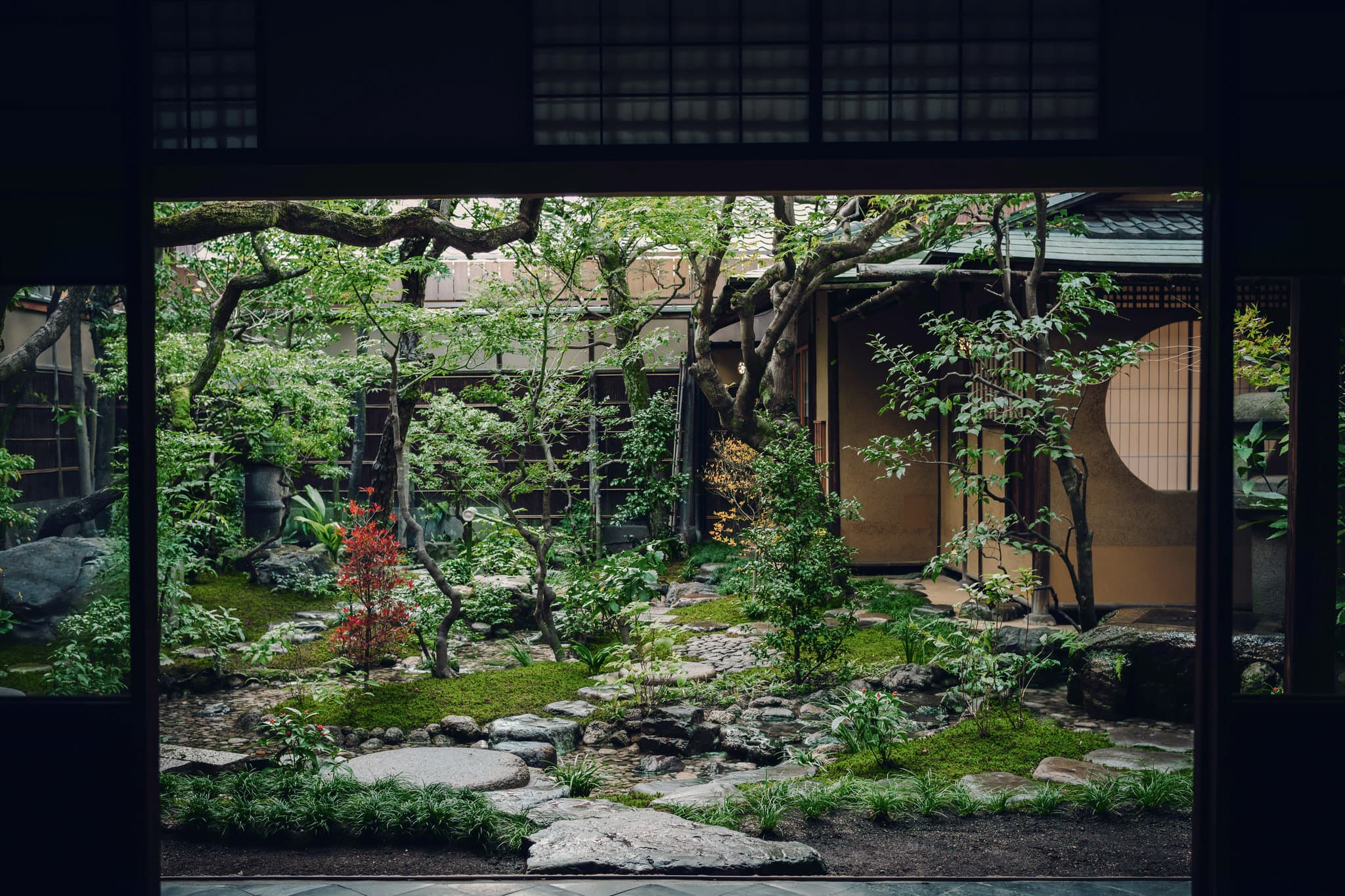
If the sensory overload of Gion’s Hanamikoji Street is a heavy bassline, Sowaka is the sudden, stunned silence that follows the drop. Hidden behind a nondescript stone threshold, this former ryotei (traditional restaurant) from the Taisho era doesn’t just reject the clamor of Kyoto’s most tourist-heavy district—it actively erases it. The restoration is an exercise in restraint, preserving the delicate ‘sukiya’ carpentry where every beam and screen feels intentional, not decorative. Inside the Main Building, the corridors twist like eels, leading to rooms that feel less like hotel suites and more like the private quarters of a tea master. The spaces are grounded by concrete specifics, not vague luxury: springless Iwata mattresses that ruin you for coil springs forever, handmade cedar speakers that deepen the room’s acoustics, and local Kazurasei Shinise camellia oil amenities that actually smell of the earth. Dining at Gion Loka is a serious affair, centered around an 11-meter African cherry counter. The menu eschews safe kaiseki tropes for punchier, modern interpretations—think sashimi paired with truffle paste rather than just soy. It is rigorous, quiet, and profoundly private. For the traveler who finds the Four Seasons too corporate and the Aman too exposed, Sowaka is the correct, hushed answer.
“Request Room 108. It faces east and offers a spectacular, geometric play of light and shadow at sunrise that you won't get in the courtyard-facing rooms.”
Insider TipAvg. Nightly Rate
515USD
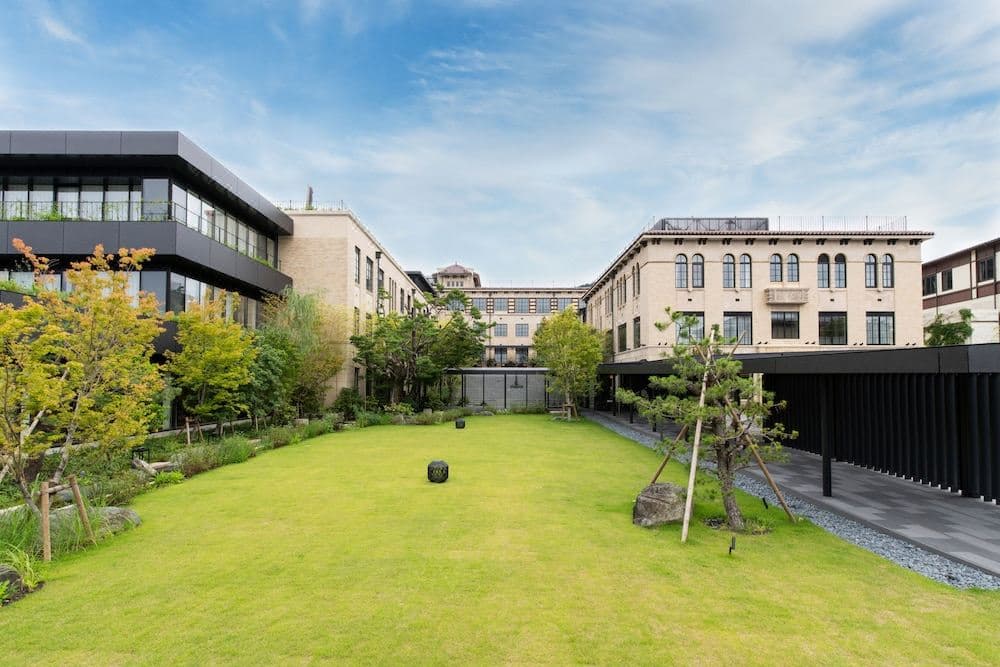
Ascending the calf-burning slopes of Ninen-zaka, dodging rickshaws and rentals, feels like a pilgrimage. But past the gates of the former Kiyomizu Elementary School (1933), the frenetic energy of Higashiyama dissolves. This isn't just a hotel; it’s a masterclass in adaptive reuse. The Spanish-style tiling and Art Deco arches remain, but the chalk dust has been swapped for the scent of expensive cedar and polished concrete. The classrooms are now guest quarters, boasting impossibly high ceilings and minimalist wood paneling that frames the leafy hillside. While the lack of a pool is noted, the three private rental baths—particularly the cypress-lined 'Kiyomizu'—offer a far more introspective soak. The property’s ace card, however, is the Guest Lounge: a sanctuary offering free-flow champagne and snacks that makes the steep room rates digest significantly smoother. Dinner at Benoit Kyoto brings Alain Ducasse’s bistro pedigree to the table—the Pâté en Croûte is non-negotiable—but the evening belongs to K36. Perched on the roof, this bar serves a stiff Gin & Tonic alongside a view of the Yasaka Pagoda so direct it feels like a matte painting. In a city obsessed with the fleeting cherry blossom, Seiryu proves that permanence—and a really good renovation—is just as seductive.
“The K36 rooftop bar gets mobbed by tourists at sunset. Flex your guest privilege for priority seating, or better yet, book the 'Kiyomizu' private bath for 5:00 PM to watch the sky turn purple in total silence.”
Insider TipAvg. Nightly Rate
600USD
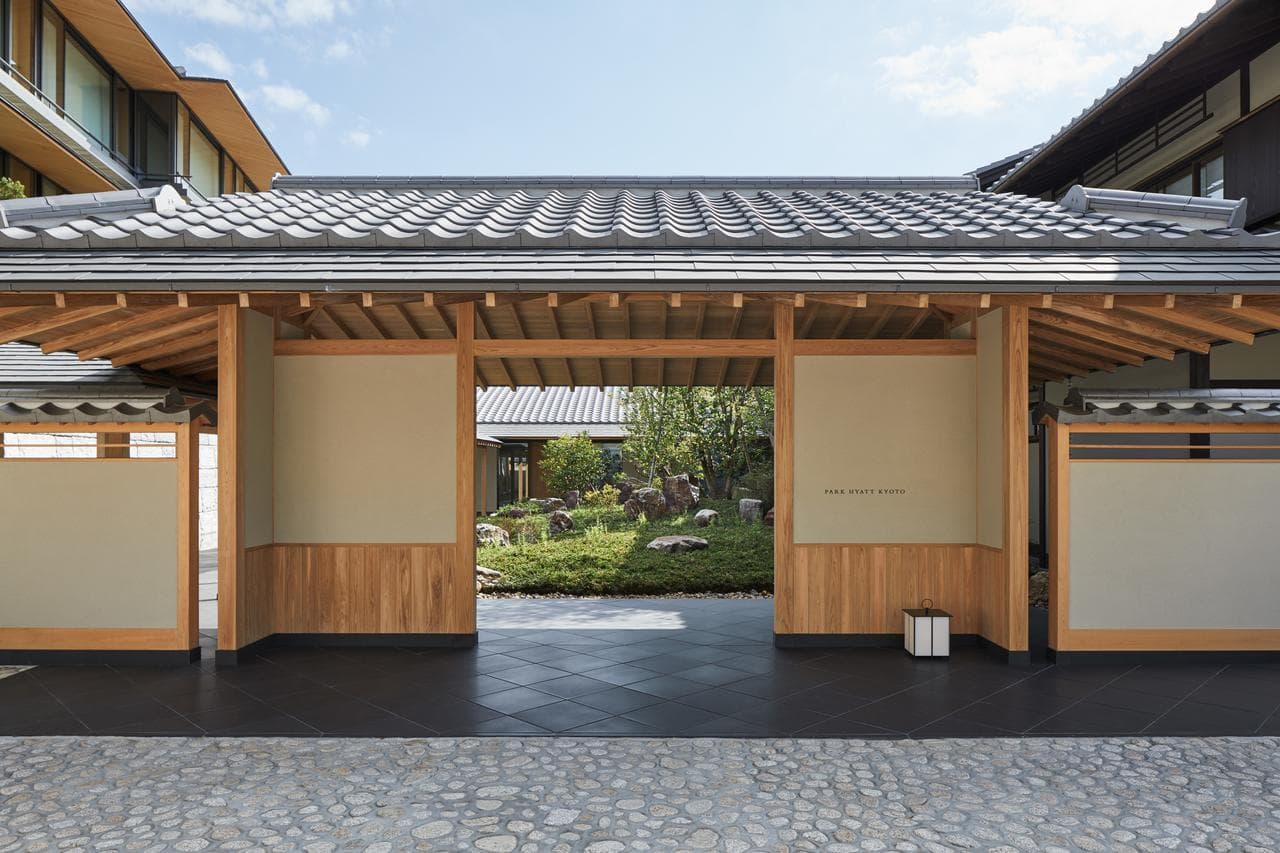
If you’ve ever wanted to sleep inside a landscape painting, this is your chance. Perched on the slopes of Higashiyama, Park Hyatt Kyoto doesn’t just sit near the action—it is woven into the district’s feudal fabric. Designed by Tony Chi and Takenaka Corporation, the low-slung, tiled-roof complex is a masterclass in stealth luxury, deferring entirely to the 1,300-year-old Yasaka Pagoda that looms just outside your window. The property anchors itself around Kyoyamato, a family-run kaiseki restaurant dating back to the Edo period, creating a surreal dialogue between 17th-century tea houses and 21st-century sharp angles. Inside, the vibe is moody and hushed—a "luxury guesthouse" rather than a hotel. Rooms feature fragrant Tamo wood, Dyson hair dryers, and deep soaking tubs that invite long, contemplative soaks. Dining is equally theatrical; breakfast at Kyoto Bistro offers a Western comfort menu, but the smart money is on the Japanese set menu prepared by the Kyoyamato kitchens. Come sunset, the Kohaku Bar becomes the city’s most coveted box seat, framing the pagoda in amber light while you sip a 'Ki No Bi' gin cocktail. It’s no wonder this architectural phantom earned a Michelin Key in 2024.
“Skip the crowded streets at sunset and head to the Kohaku Bar early; the window seats offer the single best private view of the Yasaka Pagoda without the tourists.”
Insider TipAvg. Nightly Rate
1500USD
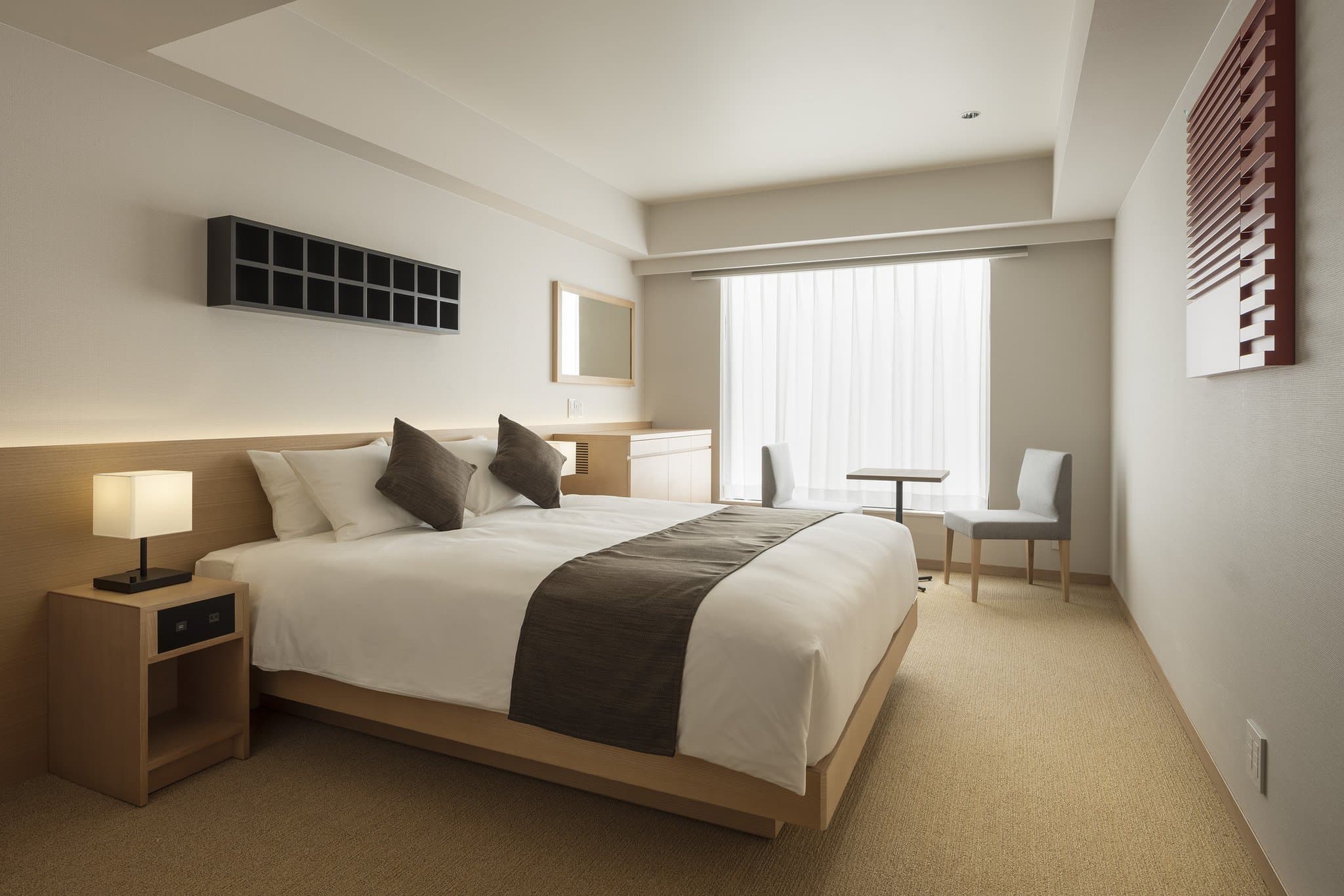
While the branding has evolved into 'KABIN Taka', the architectural soul of this property remains one of Kyoto’s most compelling design triumphs. Located just a few blocks from the frenetic energy of Nishiki Market, the hotel pulls off a vanishing act, slipping into the quiet residential grid of Takatsuji Fuyacho with the discrete confidence of a private estate. The first shock is the sheer scale. In a city where travelers often resign themselves to shoebox accommodations, KABIN Taka defies the norm with rooms ranging from 24 to 40 square meters—a rarity that allows for actual luggage expansion without acrobatics. The interiors, shaped by the legendary Uchida Design, trade predictable beige for a moody, 'Zen-Modern' aesthetic. Think charcoal tones, low-slung furniture, and lighting that feels more like a contemporary art gallery than a hotel. Mornings here are a ritual of carbohydrates, not just caffeine. The lounge features a standout partnership with Kyoto’s institutional Shinshindo Bakery, offering a bread buffet that locals would happily queue for. It is a largely self-led experience; there are no white-gloved waiters hovering over your espresso. Instead, the property leans into a digital-first, high-autonomy service model. You verify your identity on a tablet, pour your own complimentary evening sake, and retreat to the Tatami Salon—a tea room centered around striking 'Kokoro' calligraphy that feels centuries removed from the iPad check-in. For the wellness-obsessed, the gym excludes the usual windowless gloom; it is a glass-walled sanctuary facing a traditional Tsuboniwa courtyard garden, proving that even a treadmill run can be meditative.
“Skip the crowded public gyms; run on the treadmill facing the 'Tsuboniwa' garden early morning for a private meditation session before the city wakes up.”
Insider TipAvg. Nightly Rate
100USD