No. 01
445 3 Myohoin Maekawa Cho. Kyoto Japan 605-0932Kyoto218 verified reviews
9
.4
Bitvoya Edit
Layering imagery, place, and detail before the page opens.
Kyoto is not merely a city of temples; it is a landscape where nature and architecture exist in profound harmony. Beyond the bustling streets of Gion, the true soul of the ancient capital lies in its quiet corners—the misty bamboo groves of Arashiyama, the flowing waters of the Kamo River, and the hidden forests of Takagamine. This collection curates the finest properties that embrace this serenity. From the boat-accessed seclusion of HOSHINOYA Kyoto to the artistic heritage of Genji Kyoto, these hotels offer more than a stay; they provide a sanctuary. Whether nestled in the northern foothills at Aman Kyoto or overlooking the Shakuzentji pond at Four Seasons, prepare to be immersed in the timeless beauty of Kyoto's natural landscapes.
Choosing a nature-centric stay in Kyoto transforms a standard sightseeing trip into a restorative journey. The properties in this collection, such as The Ritz-Carlton, Kyoto and ROKU KYOTO, LXR Hotels & Resorts, are destinations in themselves. They offer a rare connection to the elements—water, wood, and stone—reflecting the Japanese philosophy of Ryokan hospitality while providing world-class luxury. Staying in these sanctuaries allows you to experience the 'borrowed scenery' (Shakkei) where the hotel gardens blend seamlessly with the surrounding mountains and rivers.
Expect a sensory experience defined by silence and seasonality. These properties often feature traditional kaiseki dining utilizing local ingredients, private onsens (hot springs) either in-room or within the spa, and architecture that blurs the lines between indoors and outdoors. Service is impeccable, adhering to omotenashi principles, anticipating your needs before you speak them. Whether it is the moss-covered stone paths of The Prince Kyoto Takaragaike or the modern zen of Four Seasons Hotel Kyoto, expect a profound sense of peace.
For river views, HOSHINOYA Kyoto and Suiran overlook the Hazu River in Arashiyama, while The Ritz-Carlton, Kyoto and Genji Kyoto offer stunning views of the Kamo River.
Yes, many properties like ROKU KYOTO, Suiran, and Aman Kyoto utilize natural hot spring water, offering private onsen experiences either in-room or in their luxury spas.
Stay in Arashiyama (e.g., Suiran) for nature, bamboo groves, and seclusion. Stay near the city center (e.g., Ritz-Carlton) for easier access to Gion, dining, and shopping while still enjoying river views.
Explore our complete curated list of luxury accommodations, from boutique hideaways to grand dames.
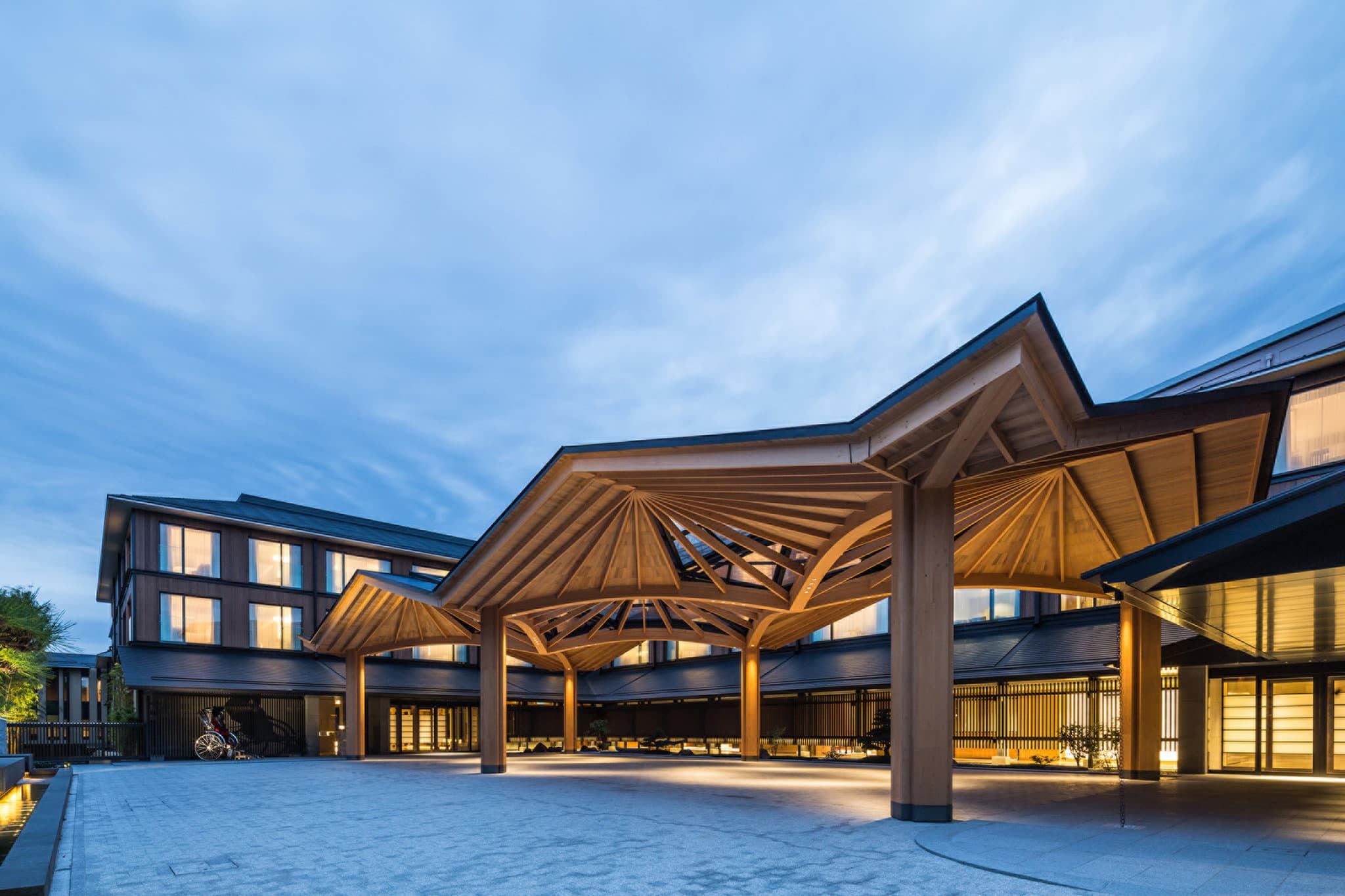
Explore All Kyoto HotelsIn a city where 'luxury' often implies a cramped machiya renovation, the Four Seasons Kyoto is a defiant, sprawling anomaly. Anchored by the 12th-century Shakusui-en pond—a relic older than the shogunate—this property functions less like a hotel and more like a fortified feudal estate reimagined by minimalist architects. You don’t simply check in; you cross a glass bridge into a different epoch. The interiors are unapologetically spacious. Entry-level rooms start at a massive 49 square meters, dwarfing the local competition. For true insulation from the Higashiyama crowds, the Residential Suites offer full kitchens and distinct living zones that feel closer to a sterile, high-end apartment than a hotel room. Dining here is surgical in its precision. Sushi Ginza Onodera serves Edomae-style cuts of Yamayuki bluefin tuna that might ruin you for lesser fish, while the Emba Kyoto Grill treats 30-day dry-aged beef with almost religious reverence. Below deck, the wellness complex is moody and cinematic; the 20-meter pool, lined with glowing lanterns and underwater lounge chairs, feels like a subterranean hideout. **Verdict**: At over $2,500 a night, the price is aggressive. But you aren’t paying for 800-thread count sheets; you are renting exclusive access to an 800-year-old garden that the rest of the world is barred from entering.
“Skip the main lobby lounge for matcha. Book a private ceremony at the Shakusui-tei tea house on the water’s edge at dusk—the lighting is superior.”
Insider TipAvg. Nightly Rate
1100USD
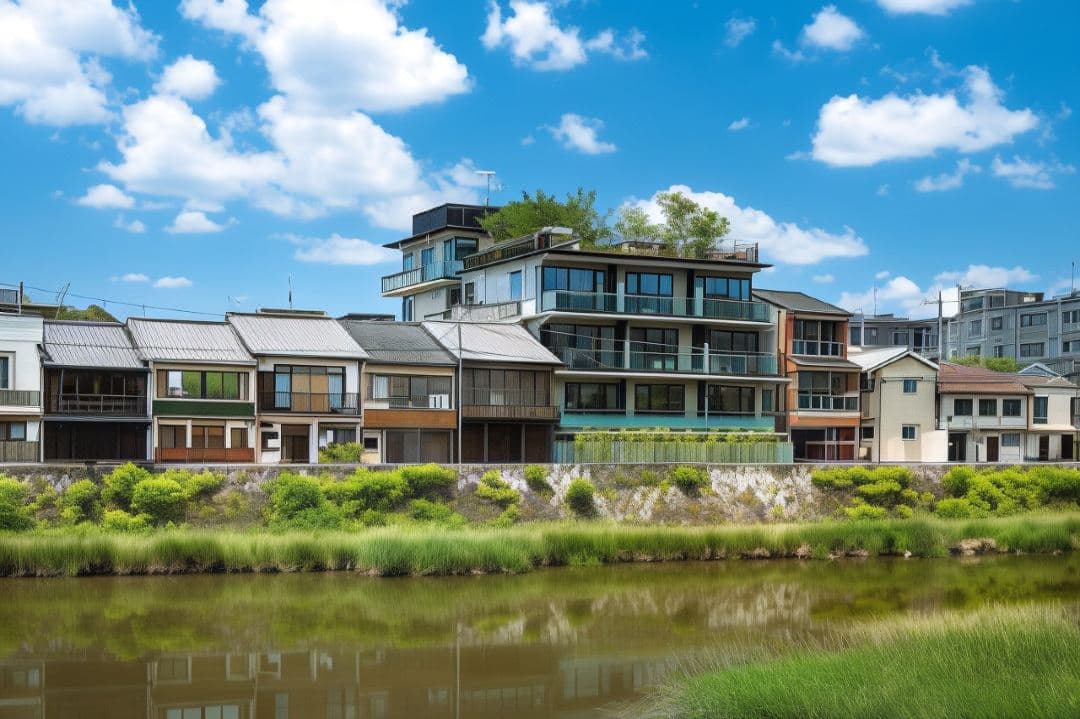
Forget the elbow-to-elbow crush of Gion’s main drag. The real flex in Kyoto right now is silence, and Genji Kyoto hoards it in spades. Located a discreet shuffle from the Kiyomizu-Gojo station, this 19-room architectural oddity—a moody collision of cedar-imprinted concrete and wafting incense—feels less like a hotel and more like the private residence of a very stylish, very brooding artist. The draw here isn’t a sprawling lobby; it’s the intimacy. You check in beside the moss-drenched 'Ukifune Garden,' a sombre yet striking tribute to The Tale of Genji. But the real showstopper is upstairs. If you haven’t booked a River Balcony suite, you’ve missed the point. These rooms feature floor-to-ceiling glass that slides away to let the Kamo River’s murmur scrub the city static from your brain. Inside, it’s a masterclass in restraint: radiant floor heating (a godsend in Kyoto’s marrow-chilling winters), low-slung furniture that forces you to slow down, and Hiba wood soaking tubs that smell like a damp forest in the best possible way. Dining is a casual but curated affair. The Sky Forest Garden offers a rooftop vantage point that feels almost illicitly private, perfect for sipping a seasonal Yuzu cocktail while peering down at the riverbanks. Breakfast at the Genji Lounge might lack the buffet sprawl of the big chains, but the Wagyu Donburi is a rich, savory slap awake that beats a continental pastry any day. There’s no pool, no sprawling gym—just bicycles for cruising the river path and a service team that remembers your name before you say it.
“Request a River Balcony room on the 3rd floor or higher to clear the tree line for unobstructed views of the Higashiyama mountains.”
Insider TipAvg. Nightly Rate
215USD
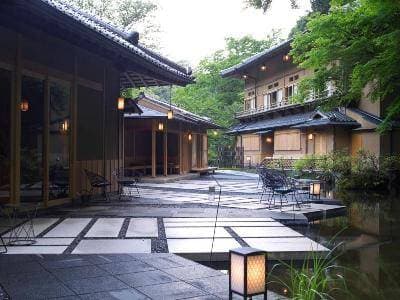
Boarding the private wooden boat at the foot of Togetsukyo Bridge feels less like a hotel transfer and more like a defection from the 21st century. Fifteen minutes up the emerald Ooi River, HOSHINOYA Kyoto reveals itself—a collection of century-old structures that once served as a wealthy merchant’s retreat. Today, it is the closest one can get to living like Heian-period nobility. The twenty-five pavilions are studies in shadow and light. You won’t find televisions here; instead, the entertainment is the river view, framed by floor-to-ceiling glass and hand-printed *Kyokarakami* wallpaper. The rooms smell of *hinoki* wood and fresh *igusa* tatami, forcing a sensory reset. Dining is equally theatrical under Chef Ichiro Kubota. His *Hassun*—the seasonal appetizer platter—is an edible landscape that captures the micro-seasons of the valley. Be warned: this seclusion demands effort. The property relies on uneven stone steps and lacks elevators, making it a challenge for the mobility-impaired. But for those willing to climb for their supper, the silence—broken only by the distant train whistle or the river’s current—is absolute.
“Skip the standard rooms and book the 'Tsukihashi' pavilion for dual-aspect views of the river. Also, the 'Monko' (incense listening) ceremony is essential for understanding the property's historical context.”
Insider TipAvg. Nightly Rate
473USD
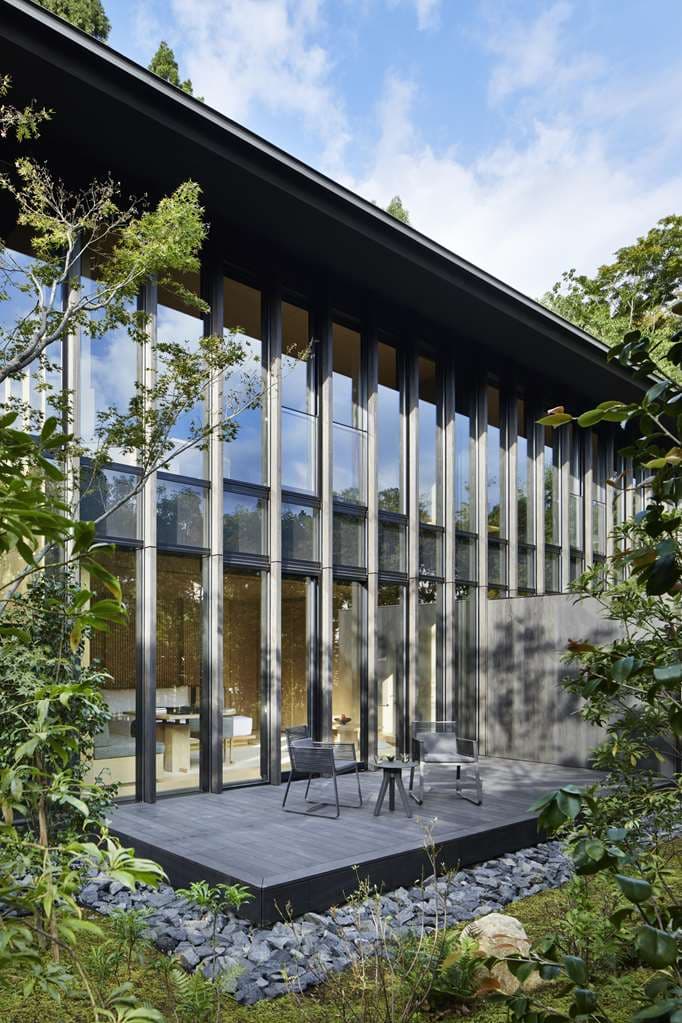
Silence is usually free. At Aman Kyoto, it commands the city’s highest premium. Tucked into the foothills of Hidari Daimonji, this isn’t just a hotel; it’s the late Kerry Hill’s final love letter to Japan, constructed on a secret garden tract once destined to be a textile museum. The arrival sequence alone—a moss-slicked path flanked by cyclopean boulders—dampens the world outside instantly, offering a jarringly peaceful counterpoint to the tourist siege in nearby Arashiyama. The 26 suites are studies in monochromatic restraint, featuring blonde tamo wood, tatami flooring, and square hinoki bathtubs that smell of citrus and ancient forests. There is no pool to pose by—a deliberate omission that steers guests toward the mineral-rich outdoor onsen, a steaming sanctuary of black basalt. Dining requires a lantern-lit walk to Taka-an for two-Michelin-Key-worthy kaiseki, though The Living Pavilion’s charcoal-grilled Kyoto Wagyu often steals the show. It is inconveniently far from Gion’s nightlife, which is precisely the point. In a city grappling with overtourism, Aman sells the one thing money usually can't buy: absolute emptiness.
“Skip the taxi for short trips; the hotel offers a private 'Garden Walk' map that leads you to the Golden Pavilion (Kinkaku-ji) through a quiet back route in under 20 minutes.”
Insider TipAvg. Nightly Rate
2300USD
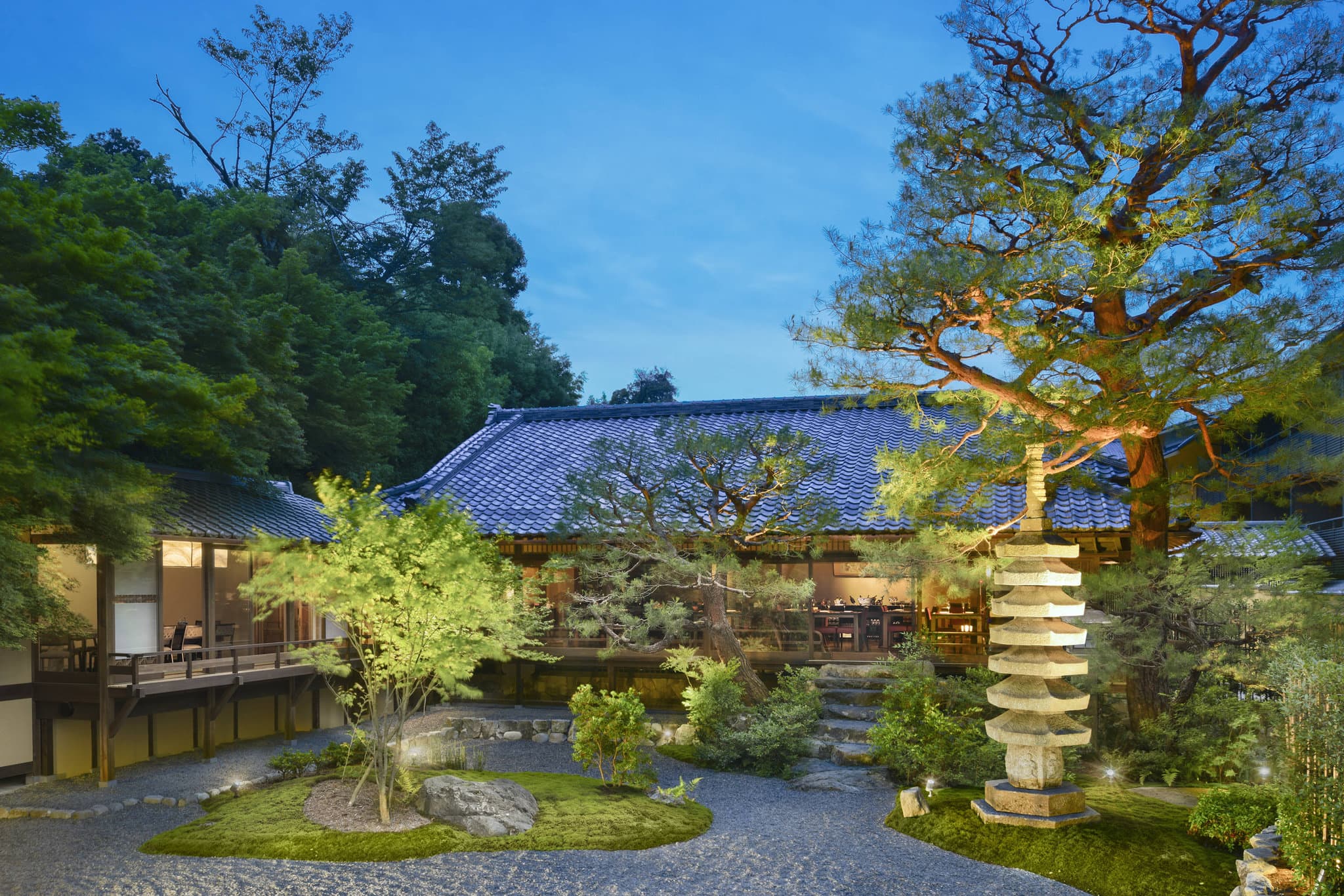
If you’re taking the shuttle bus, you’ve already missed the point. Suiran demands an arrival by rickshaw through its thatched main gate, a relic of its past as a 19th-century summer retreat for industrialist Shozo Kawasaki. It sits casually on the banks of the Hozu River, mere feet from the tourist-clogged Togetsukyo Bridge, yet miraculously soundproofed against the selfie sticks. The vibe isn't 'hotel'; it’s 'private estate'. Check-in happens in a lobby that smells of cedar and old money. Skip the standard rooms and secure a ‘Yuzunoha’ suite, where the private open-air onsen draws thermal water straight from the Arashiyama springs—making the property’s lack of a swimming pool entirely irrelevant. (The gym is the size of a bento box, but you’re here to soak, not spin). Dining at Kyo-Suiran is a theatrical affair; the French-Kaiseki ‘Kinshu’ course pairs Wagyu with foie gras in a way that justifies the steep bill. However, the real flex is the daily ‘Champagne Delight’ at Café Hassui. From 5:00 PM, while the day-trippers rush back to the train station, you’ll be sipping free-flow champagne on the terrace, watching the sun dip behind the mountains in absolute silence. It’s expensive, exclusive, and arguably the only way to see Arashiyama.
“Skip dessert at dinner and head to Café Hassui for the 'Jade Mochi' (Hisui-mochi)—it sells out to the public, but guests get priority.”
Insider TipAvg. Nightly Rate
690USD
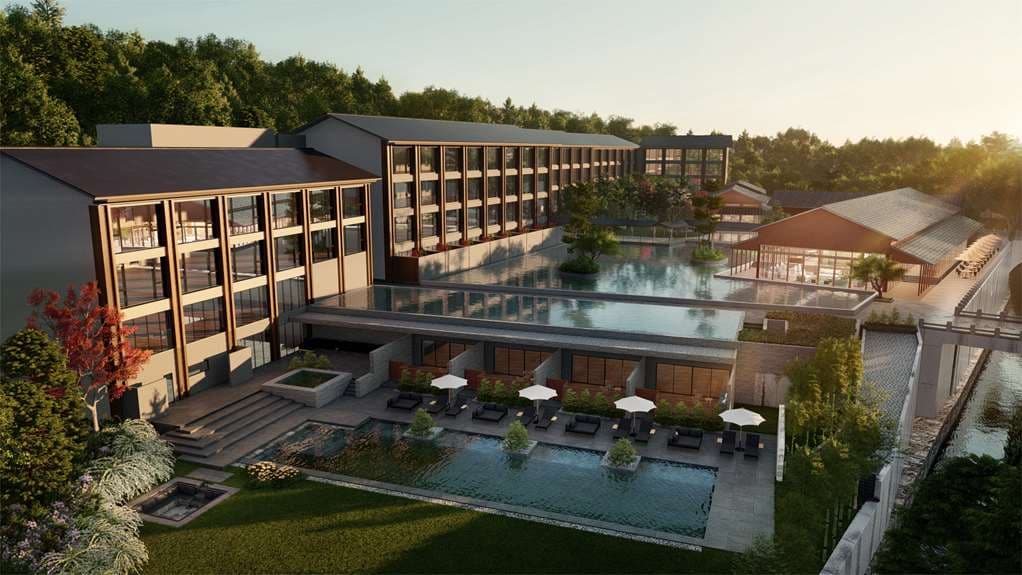
Forget the crushed-velvet seats of Gion’s tea houses; ROKU KYOTO plays a cooler, quieter hand in the northern foothills. Situated within the historic Shozan Resort, this LXR property—Hilton’s answer to the independent luxury demand—feels less like a hotel and more like a modern art gallery dropped into a forest. The arrival experience alone is cinematic: a moody, lantern-lit walkway beside the Tenjin River that immediately disconnects you from the matcha-soft-serve queues of the city center. Interiors by Blink Design Group are a study in restraint, utilizing Karakami paper walls and lacquer finishes that pay homage to the local Rinpa school of art. The rooms are serious sanctuaries. If you book the Onsen Garden Room, you’re trading a city skyline for a private thermal soak and absolute silence. The Repronizer 4D Plus hairdryers and Technogym-equipped fitness center cater to the high-maintenance traveler, but the real ace is the 25-meter outdoor thermal pool. Fed by natural hot springs and open year-round, it’s a rare, steaming luxury in a city known for strict bathing rules. Dining at TENJIN is a complex affair. While the breakfast service often struggles to find its rhythm—frequently cited as the weak link in the 'Omotenashi' chain—the dinner service redeems the experience. The signature sea bass with sauce gribiche and Tamba deer are executed with French precision and Kyoto soul. ROKU is not for the first-time tourist desperate to sprint through Kinkaku-ji; it’s for the traveler who knows that true luxury is slowing down enough to watch the steam rise off the water. Verdict: A flawless physical product that is still ironing out its service kinks. Go for the thermal pool; stay for the silence.
“Skip the crowded breakfast and save your appetite for the Chef's Table 'Rinpa Reflection' dinner menu. Also, the thermal pool is most atmospheric at night—go after 8 PM for a private, steam-filled soak under the stars.”
Insider TipAvg. Nightly Rate
750USD
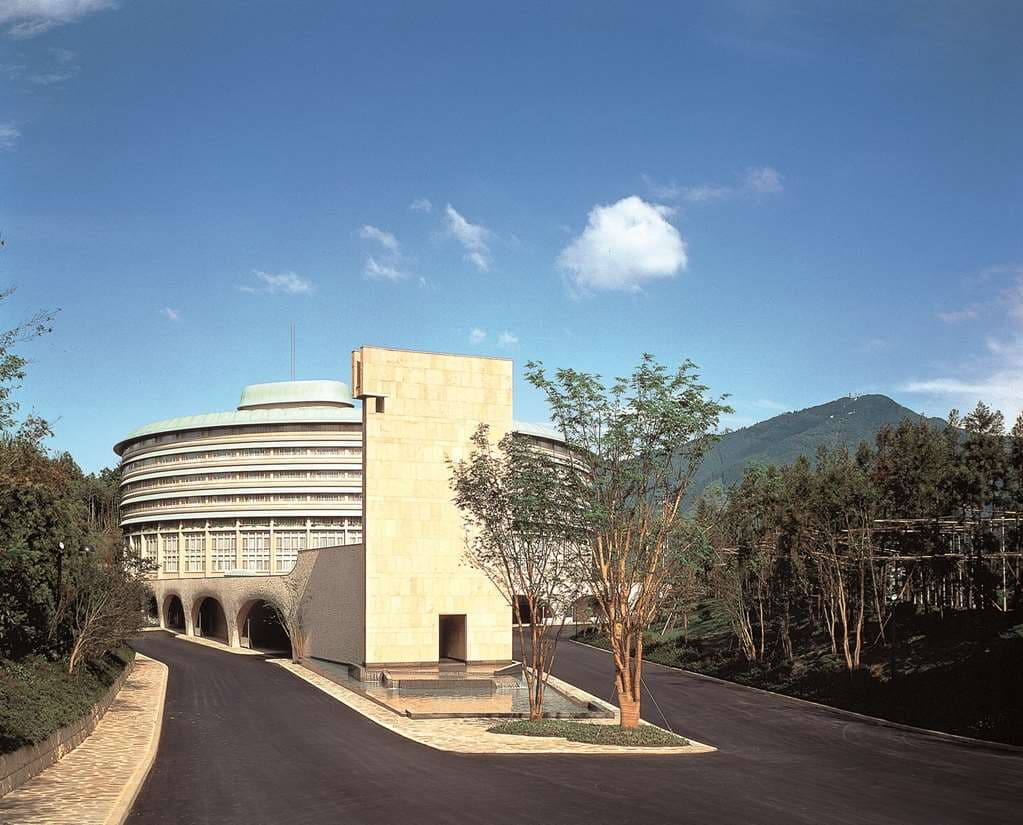
While Gion chokes on selfie sticks, the Rakuhoku district breathes. Here, adjacent to the deer-dotted Takaragaike Park, stands The Prince Kyoto Takaragaike, a 1986 architectural marvel by the legendary Togo Murano. The hotel’s distinct oval form wraps around a central garden, creating a cinematic loop of organic curves and soft light that feels less like a hotel and more like a modernist sanctuary. Unlike the claustrophobic matchboxes of downtown, base rooms here command a startling 39 square meters, outfitted with Serta beds and massive windows framing the Higashiyama mountains. It feels delightfully frozen in a more gracious era—impeccably maintained, if slightly retro. Dining is a serious affair at Main Dining ITO-ZAKURA, where the Sainte Saveur course marries French technique with local terroir, though the real showstopper is the charcoal-grilled Wagyu. For a morning ritual, skip the lobby coffee for the Sukiya-style tea house, Charyo, hidden in the garden. It is a place of profound silence, broken only by the rustle of maple leaves. Verdict: A spacious, architectural time capsule for the traveler who values peace over proximity.
“Ask for a 'Park View' room on the 7th floor to watch the mist rise over Mount Hiei, then rent an electric bike to explore the 1.5km path around Takaragaike Pond before breakfast.”
Insider TipAvg. Nightly Rate
67USD
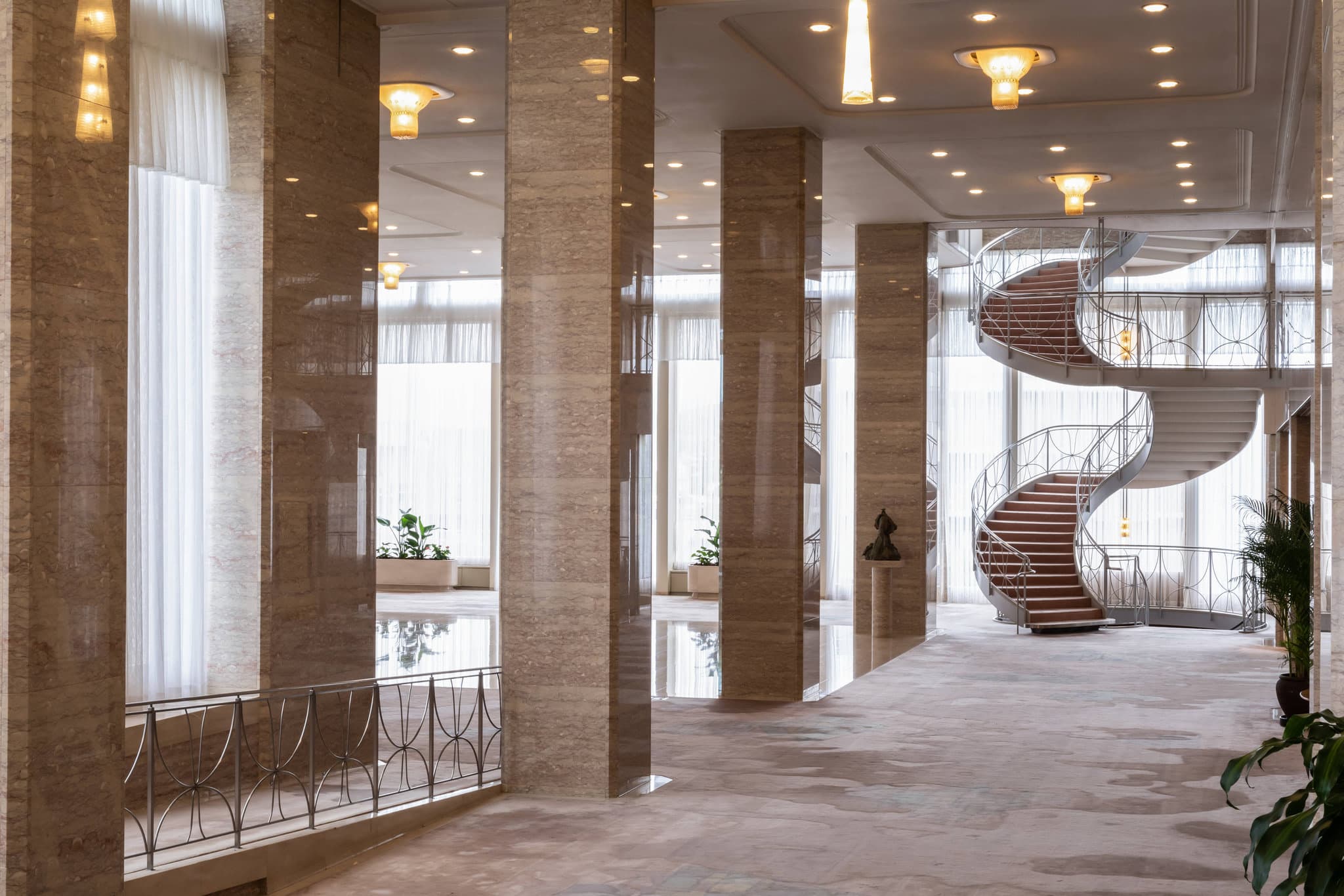
While the trend in Kyoto leans toward thimble-sized machiya conversions, The Westin Miyako Kyoto confidently occupies a different weight class. This 130-year-old grand dame, sprawled across the Higashiyama hills, has emerged from its colossal 2021 renovation not just refreshed, but redefined. The lobby, anchored by the famous Murano Togo spiral staircase, now feels less like a transit hub and more like a modernist gallery. Upstairs, the rooms are startlingly large for Japan—starting at 38 square meters—and banish the beige corporate ghosts of the past with sharp, minimalist lines and balconies that actually open. But the real flex here is Spa KACHO. Forget the sad, windowless hotel tubs; this is a legitimate onsen complex fed by natural hot springs, recently crowned a winner at the LIV Hospitality Design Awards. After a day battling crowds at Kiyomizu-dera, sinking into the semi-open-air bath lined with natural rock is the only prescription that matters. Dinner at Dominique Bouchet Kyoto offers its own form of hydrotherapy: the signature blue lobster jelly is a masterclass in French precision. It’s not an intimate ryokan, but when you’re floating in a thermal spring overlooking the city, you won’t care.
“Skip the main breakfast queue at least once to walk the hotel’s private bird-watching trail behind the Kasui-en annex; it leads to a secluded view of the city that most guests miss entirely.”
Insider TipAvg. Nightly Rate
194USD
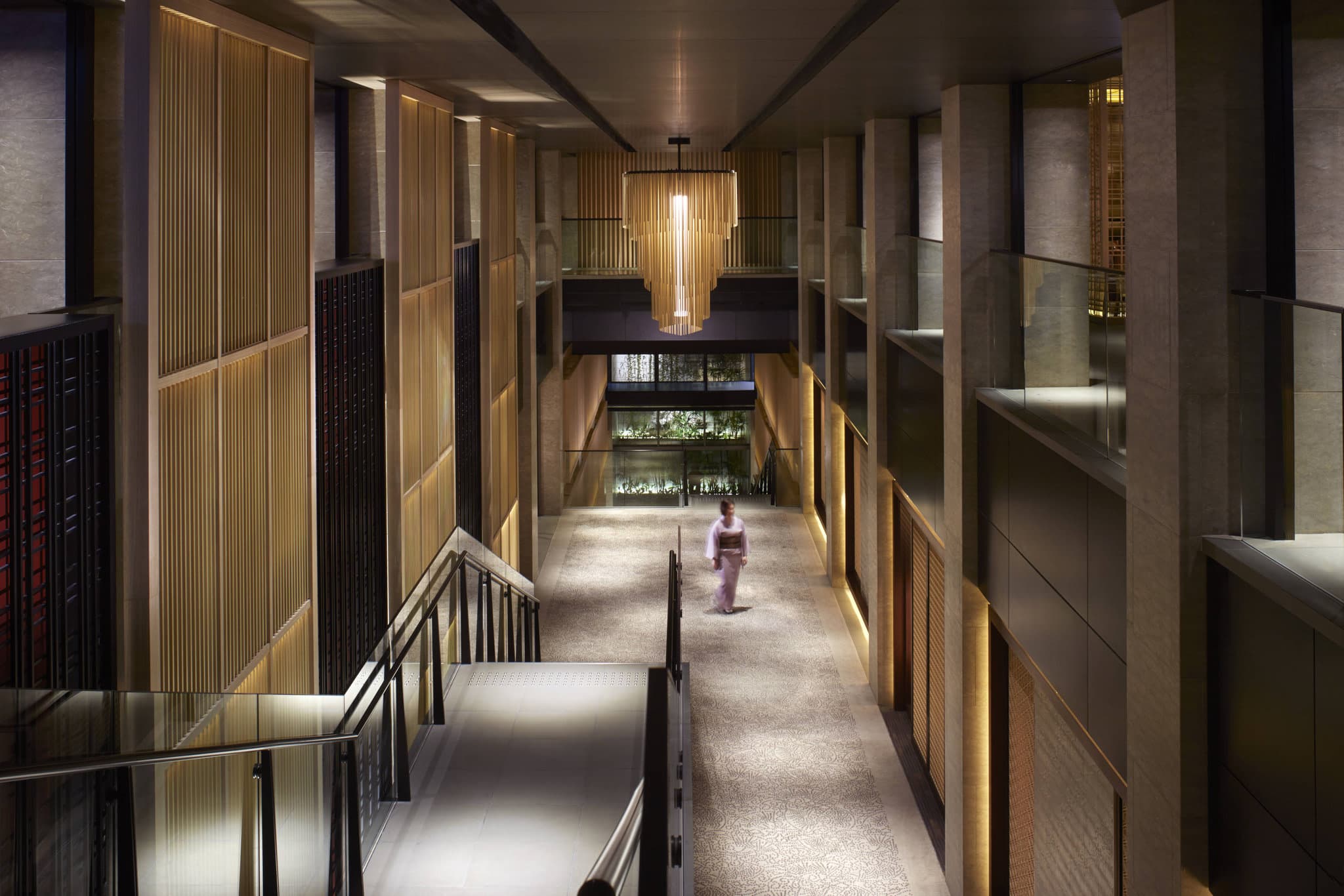
Forget the chaotic clamor of Gion’s tourist-choked alleys. The true soul of the ancient capital resides quietly on the banks of the Kamogawa River, within the low-slung, Meiji-influenced eaves of The Ritz-Carlton, Kyoto. This isn't just a hotel; it is a masterclass in 'borrowed scenery,' where the Higashiyama mountains serve as a living backdrop to your morning espresso. Inside, the aesthetic is strictly 'Modern Ryokan.' The rooms are sanctuaries of blonde wood and absolute silence, anchored by 600-thread count linens and the verdant, woody scent of Diptyque’s 'Philosykos' amenities—a chic 2022 upgrade from the standard Asprey purple water. The pièce de résistance is the 'engawa' sunroom in every guestroom, a glass-enclosed veranda perfect for watching the river flow while wrapped in a yukata. Dining is a theatrical event. At Mizuki, the Michelin-starred tempura counter demands your attention; the crunch of the tiger prawn heads is audible art. For breakfast, the property breaks its own brand rules—offering what is arguably the best Western spread in the portfolio, headlined by buttery, flaky Pierre Hermé croissants that rival Paris. While the basement pool lacks the scenic drama of the floors above, the service is flawless 'Omotenashi'. This is Kyoto, perfected.
“Bonvoy Platinum elites and above receive complimentary breakfast here—a rare exception to the standard Ritz-Carlton exclusion policy globally. Don't skip the Japanese set menu.”
Insider TipAvg. Nightly Rate
871USD