No. 01
284 Nijoaburanokoji-cho, Aburano-koji St. Nijo-sagaru, Nakagyo-kuKyoto262 verified reviews
9
.6
Bitvoya Edit
Layering imagery, place, and detail before the page opens.
Kyoto is the spiritual heart of Japan, a place where luxury meets ancient mindfulness. In this curated collection, we explore resorts that redefine relaxation, nestled in the scenic foothills of Takagamine or the historic streets of Higashiyama. Whether it is the thermal spring onsen at HOTEL THE MITSUI KYOTO or the secluded forest retreat of Aman Kyoto, these properties offer a sanctuary from the bustle. Experience the fusion of traditional ryokan hospitality and modern wellness at Arashiyama's riverside hideaways like HOSHINOYA. This is your guide to finding inner peace amidst the temples and bamboo groves of Japan’s most enchanting city.
Kyoto is not merely a destination; it is the global capital of Zen. The city's atmosphere is intrinsically linked to slowing down, making it the ideal setting for premier wellness resorts. Unlike the neon bustle of Tokyo, Kyoto invites guests to breathe. The properties selected for 'Bitvoya', such as the Four Seasons Hotel Kyoto with its 800-year-old pond garden, or the newly opened Six Senses Kyoto, integrate local heritage into their wellness programs. Here, spa treatments often utilize local ingredients like green tea, sake lees, and charcoal, providing a deep connection to the land.
When seeking relaxation, location is key. Our collection highlights three distinct areas:
Expect a seamless blend of the ancient and the avant-garde. At HOTEL THE MITSUI KYOTO, guests can experience the Thermal Spring SPA, a modern interpretation of the onsen culture sourced from natural springs deep underground. Wellness in Kyoto goes beyond massages; it includes Zen meditation sessions led by monks, tea ceremonies that focus on mindfulness, and Shojin Ryori (Buddhist vegetarian cuisine) that cleanses the body. Whether you choose the artistic flair of Banyan Tree or the heritage architecture of The Mitsui, you are guaranteed a transformative experience that honors the art of relaxation.
Several premier resorts offer private onsen experiences. HOTEL THE MITSUI KYOTO offers Onsen Suites with private natural hot spring baths. ROKU KYOTO features rooms with private onsen baths overlooking the foothills, and Aman Kyoto provides traditional onsen facilities in a secluded forest setting.
For seclusion and nature, the Takagamine area (home to Aman Kyoto and ROKU KYOTO) is ideal. For a mix of history and quiet luxury, the Arashiyama area (home to HOSHINOYA Kyoto) offers a riverside sanctuary away from the city center.
Yes, properties like The Four Seasons Kyoto and Park Hyatt Kyoto curate exclusive cultural experiences, including Zen meditation with monks, tea ceremonies in historic tea houses, and private tours of nearby UNESCO heritage sites.
Explore our complete curated list of luxury accommodations, from boutique hideaways to grand dames.
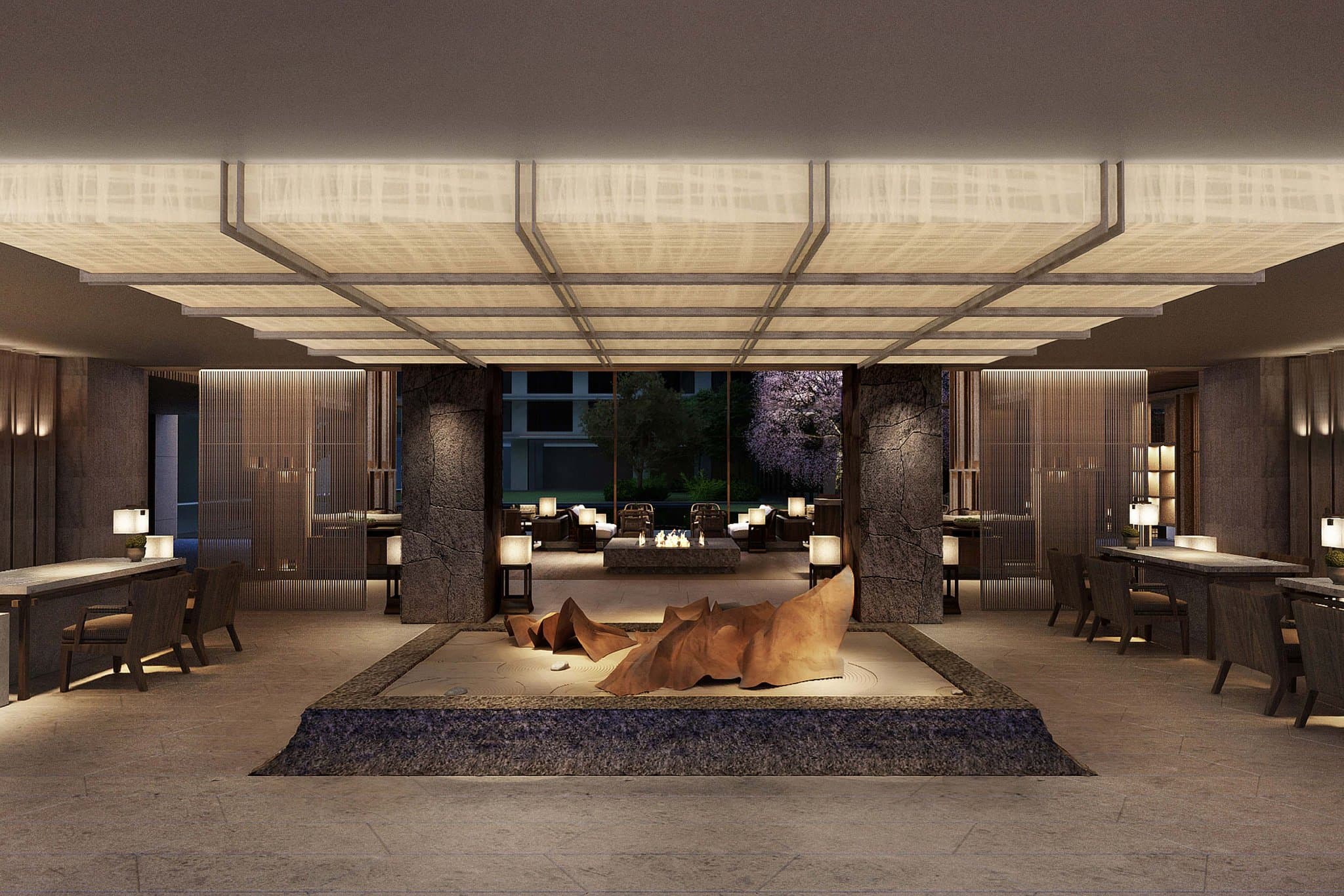
Explore All Kyoto HotelsThis isn't just a hotel; it’s a power move by the Mitsui family, reclaiming their ancestral grounds directly across from Nijo Castle. Passing through the restored 1703 Kajiimiya Gate feels less like a check-in and more like a coronation. While the Ritz-Carlton leans into riverside moody glamour, the Mitsui plays a brighter, more elemental hand. The central garden is the cinematic anchor, but the real magic is subterranean. The Thermal Spring Spa, designed by Ryu Kosaka, draws nutrient-rich water from 1,000 meters down—a geological anomaly in central Kyoto that justifies the price tag alone. The rooms are studies in restraint—think moss-green textiles, natural walnut, and stone tubs deep enough to float in. Dining is equally sharp: TOKI delivers high-concept French-Kyoto cuisine centered on water-based 'fonds', but the Roman-style pizza at FORNI, served while overlooking the weeping cherry trees, is the unexpected low-key flex. With its fresh trio of Michelin Keys awarded in 2024, the service has tightened up to match the impeccable hard product. It is steep, yes, but for an authentic onsen experience without the strict ryokan curfew, this is the new gold standard.
“If the Onsen Suites are booked, reserve the private thermal spring treatment rooms (specifically Room 4 or 5) by the hour. You get the mineral water privacy without the suite surcharge.”
Insider TipAvg. Nightly Rate
1005USD
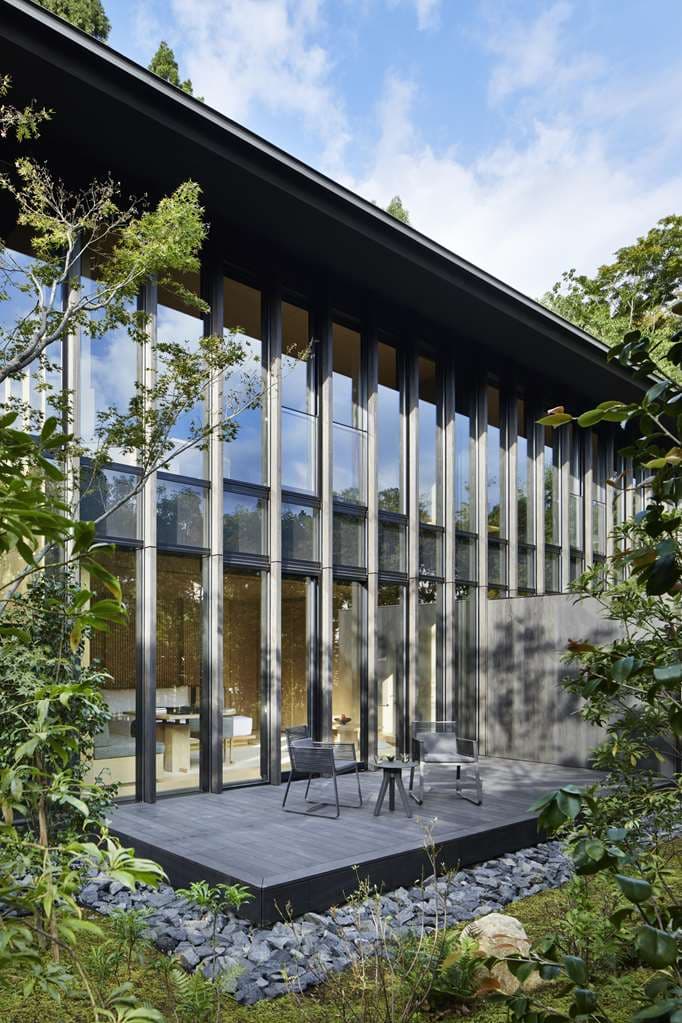
Forget everything you know about hotel arrivals. At Aman Kyoto, you don’t just check in; you are absorbed into a secret garden that time—and the city—forgot. Hidden at the foot of Hidari Daimonji, this 80-acre forest was once destined to be a textile museum, a backstory that explains the manicured, moss-velveted stone pathways that feel more like an open-air gallery than a resort grounds. The late Kerry Hill’s architectural final act is a triumph of restraint—black timber pavilions that recede into the maple trees rather than competing with them. Inside, the experience is a study in monochromatic calm. The rooms are grand, light-filled boxes of unvarnished Japanese cypress (hinoki) and tatami, where the only 'noise' is the shifting light through floor-to-ceiling windows. Bathing here is a ritual; the traditional onsen, fed by mineral-rich waters, is a rare luxury in Kyoto’s hotel scene, offering a visceral connection to the earth. Dinner at Taka-an is non-negotiable—a kaiseki performance where chefs handle seasonal ingredients like Tamba black beans with surgical precision. Service is classic Aman: telepathic, invisible, and flawless. This isn’t just a hotel; it’s a reset button for the soul.
“Book the 'Washigamine' Pavilion for the highest elevation and absolute privacy. Also, visit the stone Jizo statues in the garden early morning—the light hitting the moss is surreal.”
Insider TipAvg. Nightly Rate
2300USD
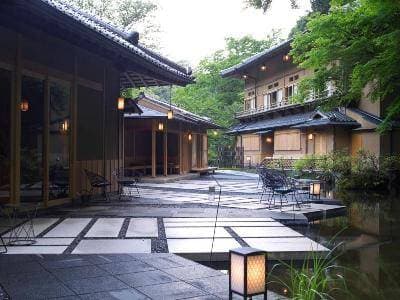
The arrival is a litmus test: if a 15-minute wooden boat ride up the emerald Ooi River feels like an inconvenience, turn back. For everyone else, HOSHINOYA Kyoto is the ultimate reset button. Occupying a renovated century-old private retreat for Heian nobility, this property is less a hotel and more a masterclass in subtraction. There are no televisions to distract you, only vast windows framing the Arashiyama gorge and the shifting maples. The rooms, featuring Karakami-papered screens and deep cedar wood bathtubs, smell of ancient forests and Yamadamatsu incense. Dining is a serious, hushed affair at HOSHINOYA Kyoto Dining, where Chef Ichiro Kubota’s *Hassun* platter arrives as a seasonal edible landscape. While the lack of a gym might irk the restless, the 'Morning Breath' exercises in the moss-laden Hidden Garden offer a grounding that no treadmill can match. It is steep, difficult to access, and unapologetically analog—precisely why it was awarded a Michelin Key in 2024.
“Skip the main tourist rush and book the 'Floating Tearoom' experience at dusk; the river is silent, and the matcha service is transcendent.”
Insider TipAvg. Nightly Rate
473USD
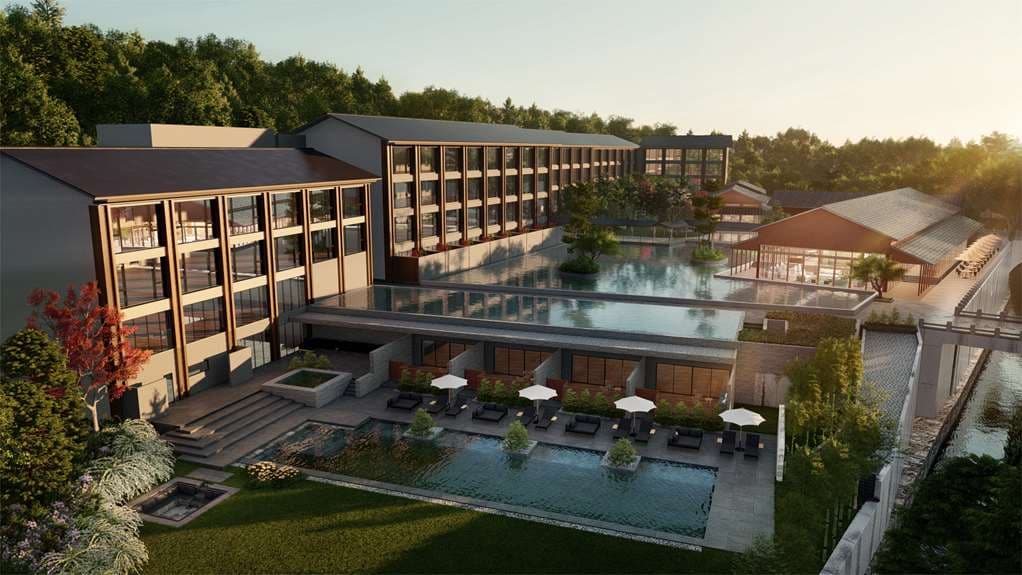
Forget the elbow-to-elbow crush of Gion. ROKU KYOTO, LXR Hotels & Resorts, recently awarded **1 Michelin Key** and ranked #6 in Japan in our **2025 Readers' Choice Awards**, trades temple fatigue for the silent majesty of the Takagamine foothills. Situated within the Shozan Resort, this isn't your typical tatami-mat ryokan; it’s a slick, slate-grey sanctuary where the standout amenity is the year-round outdoor thermal pool—a steaming turquoise rectangle fed by natural hot springs, flanked by the misty Tenjin River. Inside, the design is a moody interplay of 'Kyoto Elements'—think bamboo latticework and dark timber. Booking a **Garden Onsen Room** is non-negotiable; having your own private stone-lined hot spring bath facing the mossy grounds is the ultimate luxury. Dining at **TENJIN** offers French-Kyoto fusion that hits high notes with dishes like sea bass in sauce gribiche and local Tamba deer, though the breakfast buffet can feel surprisingly restrained for a hotel of this caliber. Service eschews the suffocating bow-at-every-turn style for something cooler and more Western—occasionally aloof, but refreshing for those who prefer autonomy over constant attendance. It’s a design-forward exhale for the Hilton honors crowd and solitude seekers alike.
“Skip the standard rooms and secure a 'Poolside Deluxe' for direct access to the thermal pool, or an 'Onsen Garden Room' for a private soak. Also, dinner at the 'Chef's Table' requires a 3-day advance booking—don't miss the 'Rinpa Reflection' menu.”
Insider TipAvg. Nightly Rate
750USD
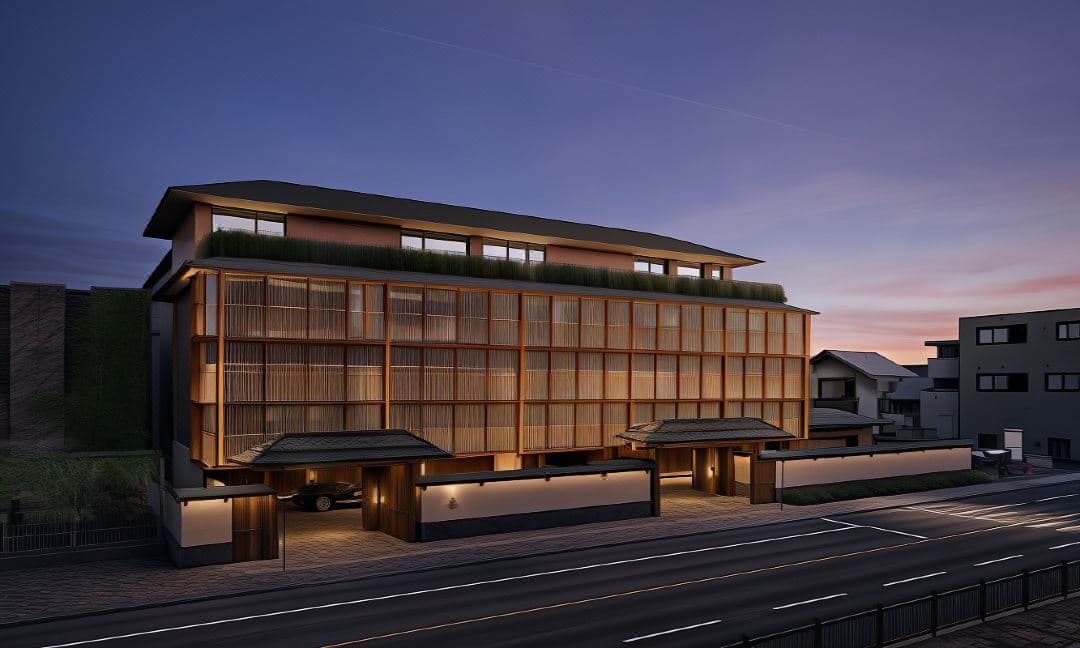
Kyoto suffers from an embarrassment of heritage riches, but Six Senses has audaciously planted a flag of high-tech wellness right in the Higashiyama corridor. It’s a move that feels less like a hotel opening and more like a gentle intervention. The design avoids the trap of being a temple replica; instead, it leans into 'The Tale of Genji'—think glowing Kitsune masks in the corridors and a ceramic-tiled lobby that filters light like a shoji screen without the draft. The rooms are legitimate sleep sanctuaries, equipped with sensors and organic Naturalmat mattresses that make leaving the bed the day’s hardest task. But you’re here for the hardware. The spa features the city’s only dedicated Watsu pool for aquatic bodywork, and the Biohack Recovery Lounge offers compression boots that actually fix your jet-lagged circulation. Dinner at Sekki follows the 24 solar terms, serving produce so seasonal it practically checks your watch. It’s steep, yes, and while the sushi counter has polarized opinion, the holistic recharge here is the new gold standard.
“Skip the standard massage on day one and book a session in the Biohack Recovery Lounge immediately to crush jet lag. Also, request a courtyard room facing the Toyokuni Shrine gardens for superior quiet.”
Insider TipAvg. Nightly Rate
830USD
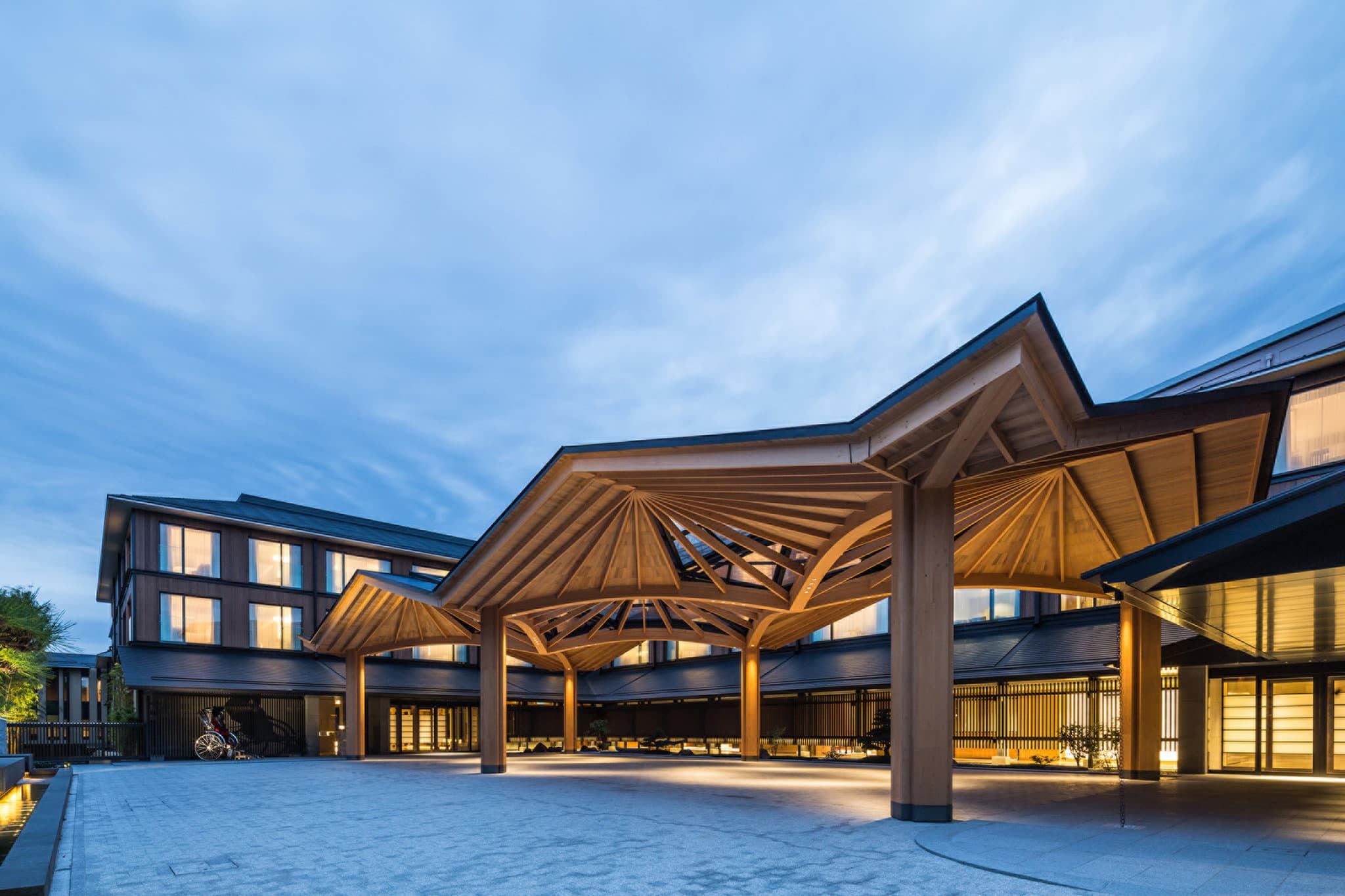
If you think you know Kyoto luxury, you haven’t floated in a 20-meter indoor pool lined with cinematic lanterns while an 800-year-old pond garden waits outside. The Four Seasons Kyoto isn’t just a hotel; it’s a modern fortress of calm built around the Shakusuien, a 12th-century Ikeniwa that anchors the property in deep, verdant history. While competitors lean into traditional machiya aesthetics, this property embraces a sleek, glass-walled grandeur that feels like a private museum. The entry-level rooms are among the city’s largest at 49 square meters, but the real insider play is the Residential Suites, equipped with full kitchens and distinct living areas—perfect for bypassing the crowds. Wellness here is non-negotiable; the spa is a destination unto itself, featuring traditional Ofuro baths and rituals using Tatcha products that feel less like treatments and more like ceremonies. Dining is equally serious. Skip the concierge recommendations and head straight to Sushi Ginza Onodera for Edomae-style mastery, or Emba for 30-day dry-aged beef that rivals any steakhouse in Tokyo. Yes, the price point is eye-watering, and it feels slightly removed from the Gion bustle, but that’s precisely the point. It is a gated community of serenity in a city of millions.
“Book a Residential Suite for the extra space, but ensure you request a garden view—watching the mist rise off the Shakusuien pond at dawn is the ultimate Kyoto meditation.”
Insider TipAvg. Nightly Rate
1100USD
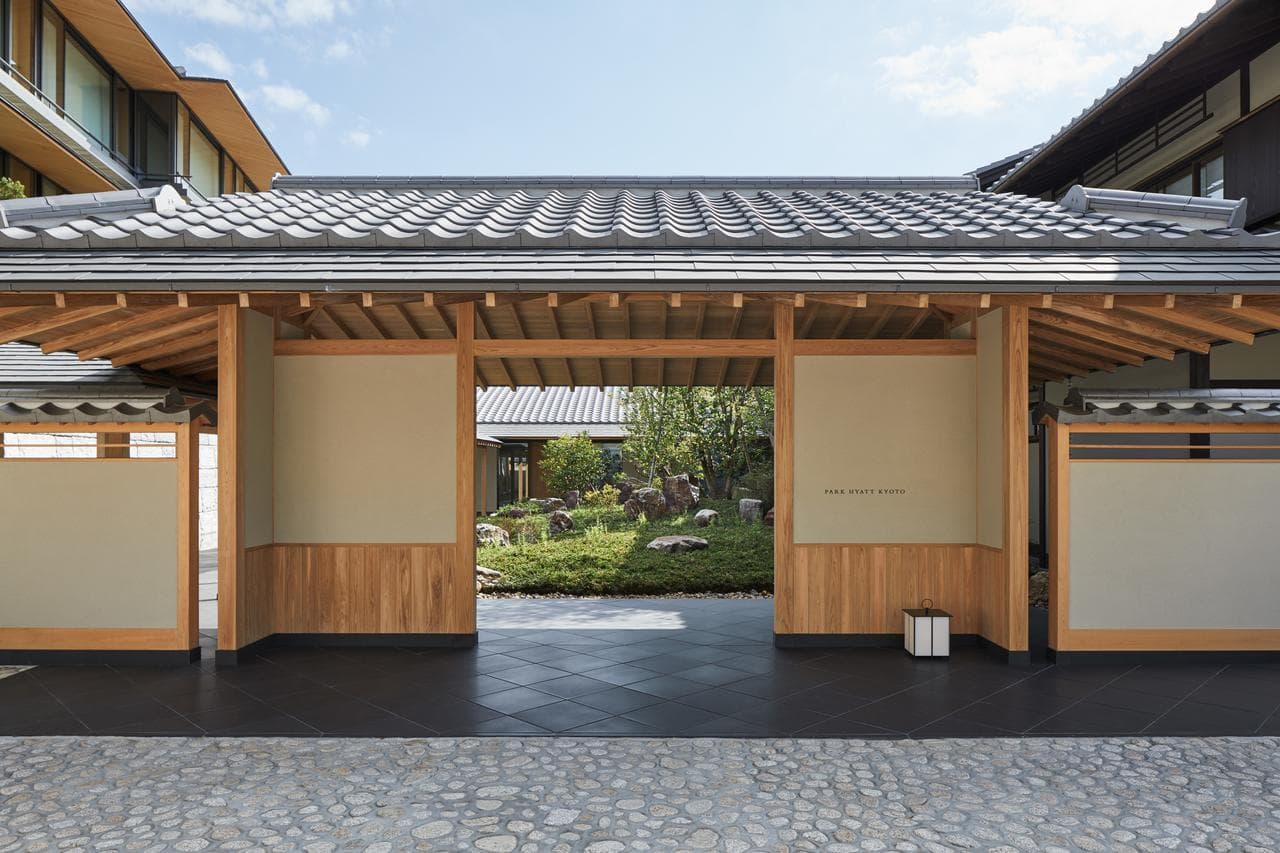
Forget the grand hotel lobby; arriving here feels less like a check-in and more like slipping into a billionaire’s private ryokan. Anchored on the legendary—and notoriously crowded—Ninenzaka steps, Park Hyatt Kyoto achieves the impossible: absolute silence mere inches from the tourist hordes. The architecture is a study in restraint, with low-slung tiled roofs and fragrant Tamo wood interiors that defer to the real star: the 1,400-year-old Yasaka Pagoda looming just outside the glass. Inside the rooms, the vibe is residential cool rather than corporate stiff. You aren't just sleeping here; you're holding court. The window seats are deep enough to nap in, framing the pagoda so perfectly it looks like a painting. Details matter: the 400-thread count linens and the minimalist granite bathrooms are designed for lingering. Dining is equally cinematic. At Yasaka, the teppanyaki isn't just dinner; it’s performance art, with chefs searing Ohmi beef tenderloin against the glittering city grid. Afterwards, the Kohaku bar is non-negotiable for a ‘Ki No Bi’ gin cocktail. The wellness situation requires expectation management: there is no swimming pool. Instead, the Bathhouse offers a moody, granite-clad sanctuary of vitality baths and saunas that feels arguably more restorative. After a scrub with KOTOSHINA organic green tea products, you won't miss the laps. It is an expensive, flawless hideaway that turns Kyoto’s chaos into a silent film.
“Skip the street-facing low-floor rooms to avoid eye contact with tourists on Ninenzaka. Instead, secure a sunset reservation at Kohaku Bar—the view of the Yasaka Pagoda lighting up is superior to any observation deck in the city.”
Insider TipAvg. Nightly Rate
1500USD
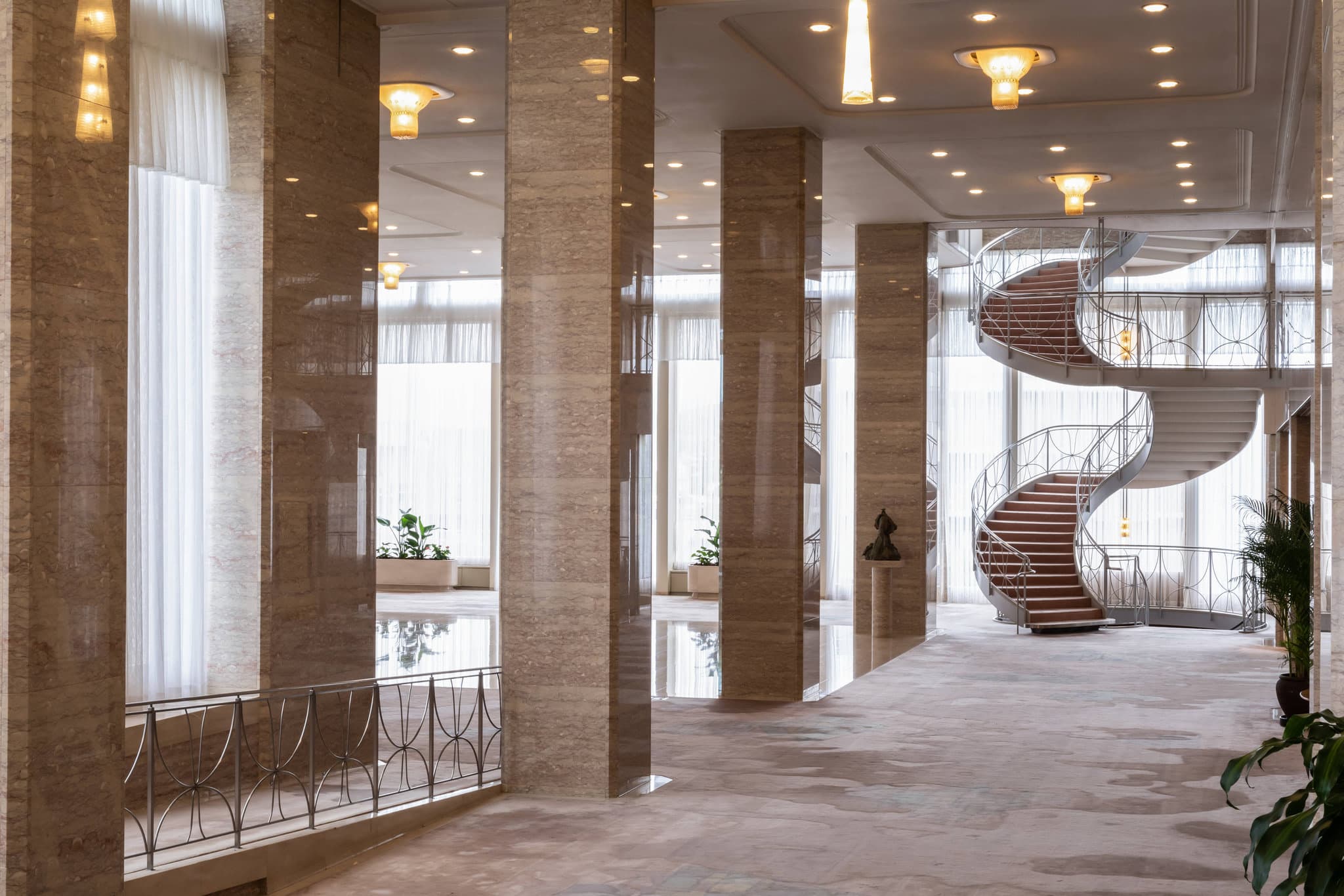
If the phrase 'Kyoto hotel' conjures images of cramped tatami rooms and hushed curfews, The Westin Miyako Kyoto shatters that illusion with the force of a bullet train. Following a sweeping 2021 renovation, this Higashiyama hillside icon feels less like a city hotel and more like a sprawling wellness retreat. The headliner is undeniably Spa KACHO. Unlike the disappointment of heated tap water found elsewhere, this facility pumps genuine natural hot spring water across a massive two-floor complex, offering Sothys treatments that justify the flight alone. The residential-style rooms start at a generous 38 square meters—a rarity in space-starved Japan—and feature the brand's signature Heavenly Beds. Culinary pursuits peak at Dominique Bouchet Kyoto 'Le RESTAURANT', where the signature blue lobster jelly is an architectural marvel on a plate. While the location requires a short shuttle to Gion, the trade-off is the wild bird sanctuary trail and the calm pioneer Ogawa Jihei’s designated cultural asset garden right on the grounds. It is the definitive choice for the traveler who demands the Gion geisha chase by day and a proper thermal soak by night.
“Bypass the taxi queue at Kyoto Station by using the hotel’s Satellite Concierge for luggage drop-off, then hop the free shuttle. On property, the Kasui-en garden is a designated cultural asset—visit at sunrise for solitude.”
Insider TipAvg. Nightly Rate
194USD
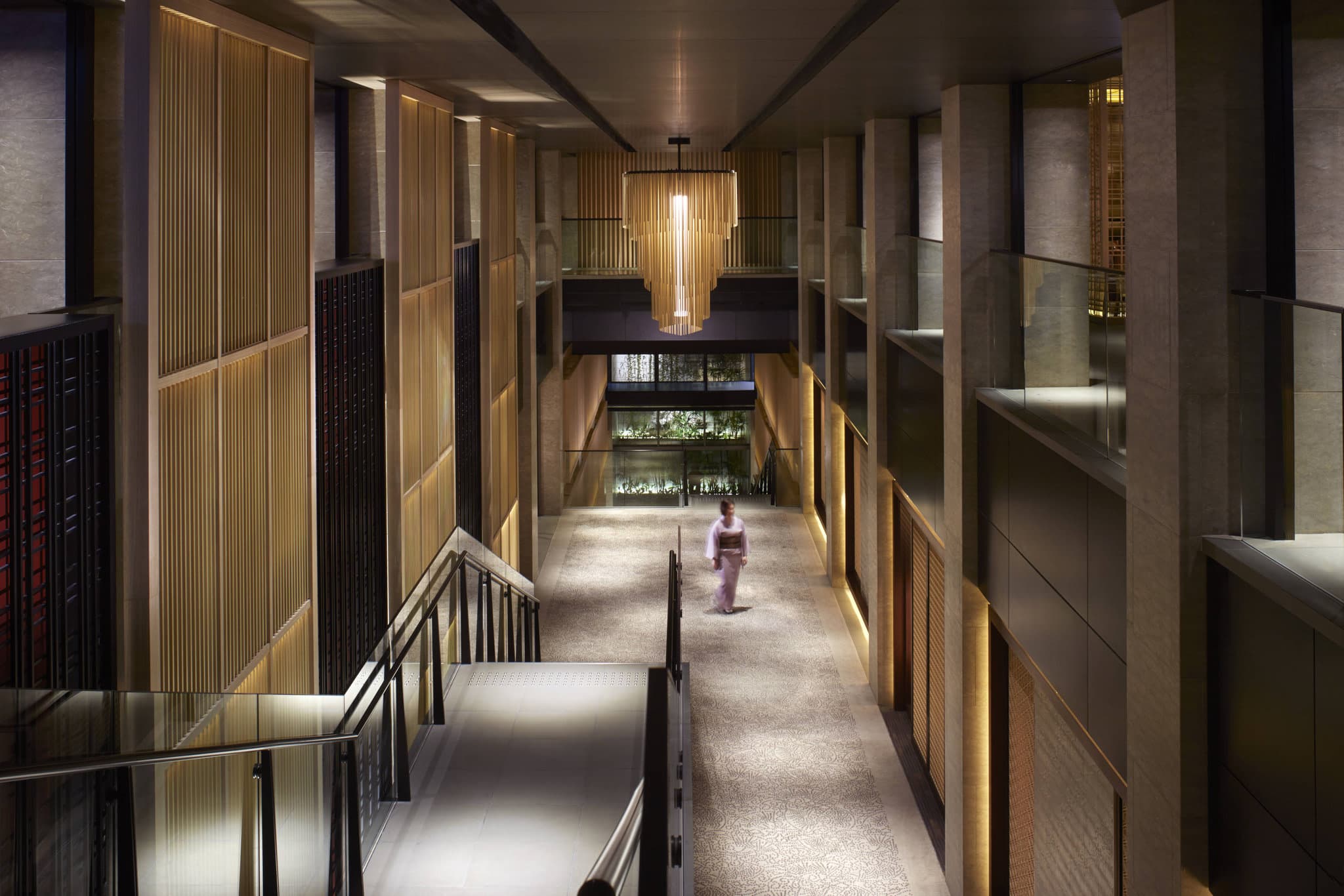
If 'The Tale of Genji' were reimagined as a 21st-century architectural statement, it would look like this. Perched on the banks of the Kamogawa River, The Ritz-Carlton, Kyoto doesn't just borrow from the city’s heritage; it perfects it. The arrival is pure theater: a moody, lantern-lit path flattens the pulse before you even reach the check-in. Inside, the aesthetic is 'Modern Ryokan'—think low-slung furniture and intricate lattice work—but without the stiff knees. The rooms are sanctuaries of detail. Skip the standard courtyard views (where privacy can be a gamble) and secure a river-facing suite. Here, the 'Engawa' sunroom concept shines—a glass-enclosed veranda perfect for sipping Uji tea while watching herons stalk the river below. The amenities are a flex: 600-thread count linens and handmade Kyoto Shabon-ya soaps containing literal gold leaf. Wellness here is serious business. The spa’s signature Ryokucha treatment uses antioxidant-rich green tea leaves from Uji to steam and scrub away jet lag, followed by an application of heated bamboo. It’s deeply grounding. For dining, the breakfast is legendary, primarily because the hotel houses the only Pierre Hermé boutique in a hotel in Japan. Yes, the croissants are life-changing. Come dinner, the Michelin-starred Tempura Mizuki turns fried shrimp heads into high art. **The Verdict**: It commands the city's highest rates, but for the anticipatory service and the sheer atmospheric gravity, it remains the gold standard.
“Book a 'Luxury Kamogawa River View' room on the 4th floor. Lower floors face the pedestrian path (privacy risk), but the 4th floor guarantees uninterrupted river vistas and total seclusion.”
Insider TipAvg. Nightly Rate
871USD
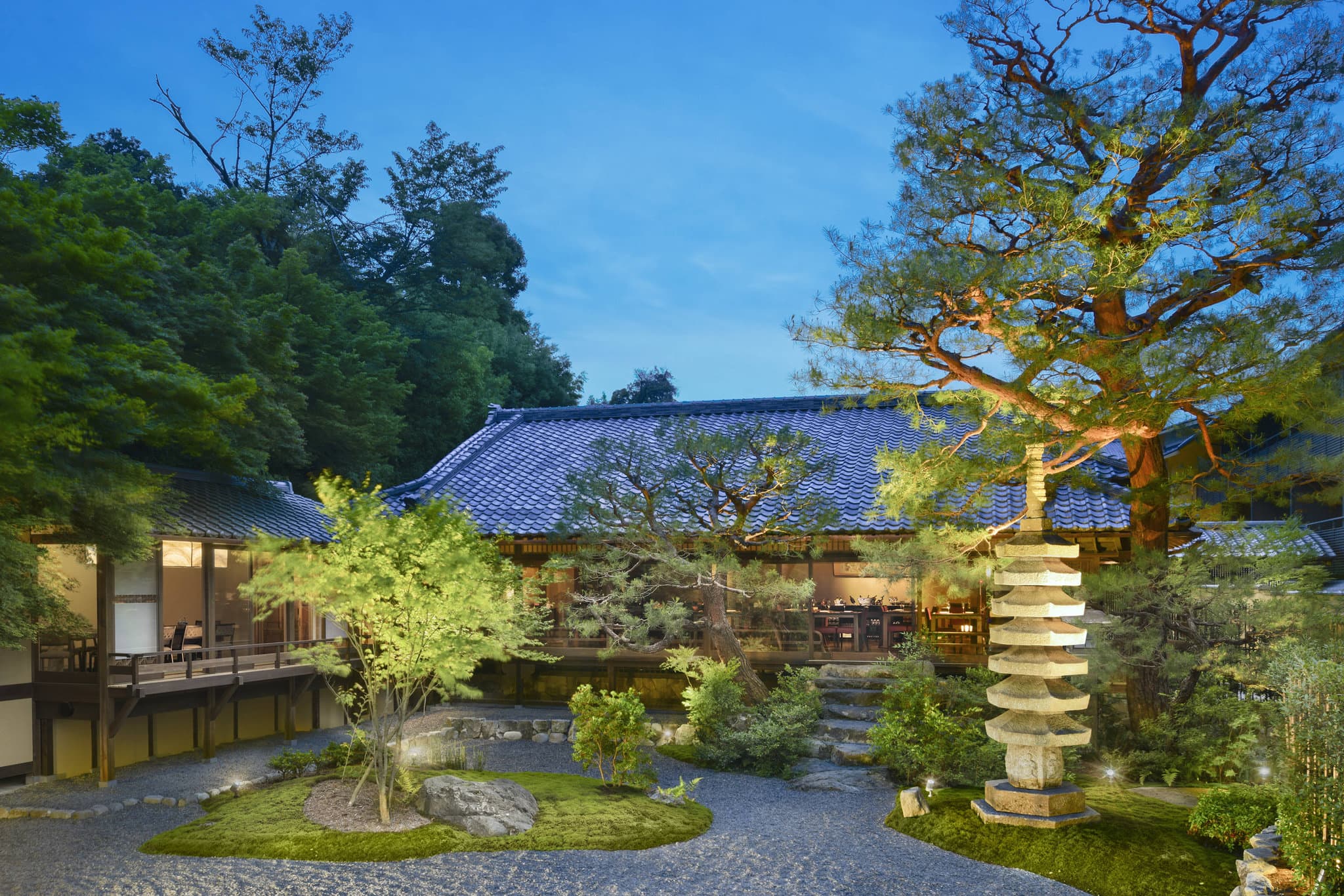
While the masses swarm Gion, the smart money heads west to Arashiyama. Occupying the grounds of Emperor Godaigo’s former summer palace, Suiran isn't just a hotel; it’s a masterclass in high-stakes tranquility. The vibe is strictly ryokan-meets-contemporary: think thatched roofs, manicured gardens, and a distinct lack of lobby chaos. The real power move here is booking a ‘Yuzunoha’ or ‘Shirosumire’ room. Why? Private open-air onsens fed by the Arashiyama hot springs. You’re soaking in mineral-rich water while staring at the Arashiyama hills—no communal bathing awkwardness required. Inside, it’s all cedar wood, tatami mats, and high-end *Swiss Perfection* amenities that justify the room rate. Dining is equally curated. *Kyo-Suiran* delivers a Wagyu and Foie Gras ‘Kinshu’ course that bridges the gap between Kaiseki and French gastronomy. But the highlight is the ‘Champagne Delight’ at *Café Hassui*: free-flow champagne on the riverside terrace as the sun dips below the bamboo grove. It’s the kind of service that ruins you for anywhere else.
“Skip the midday crowds at the Bamboo Grove. Instead, secure a terrace seat at Café Hassui for the complimentary 'Champagne Delight' (5:00 PM – 6:30 PM) to watch the Hozu River boats drift by.”
Insider TipAvg. Nightly Rate
690USD
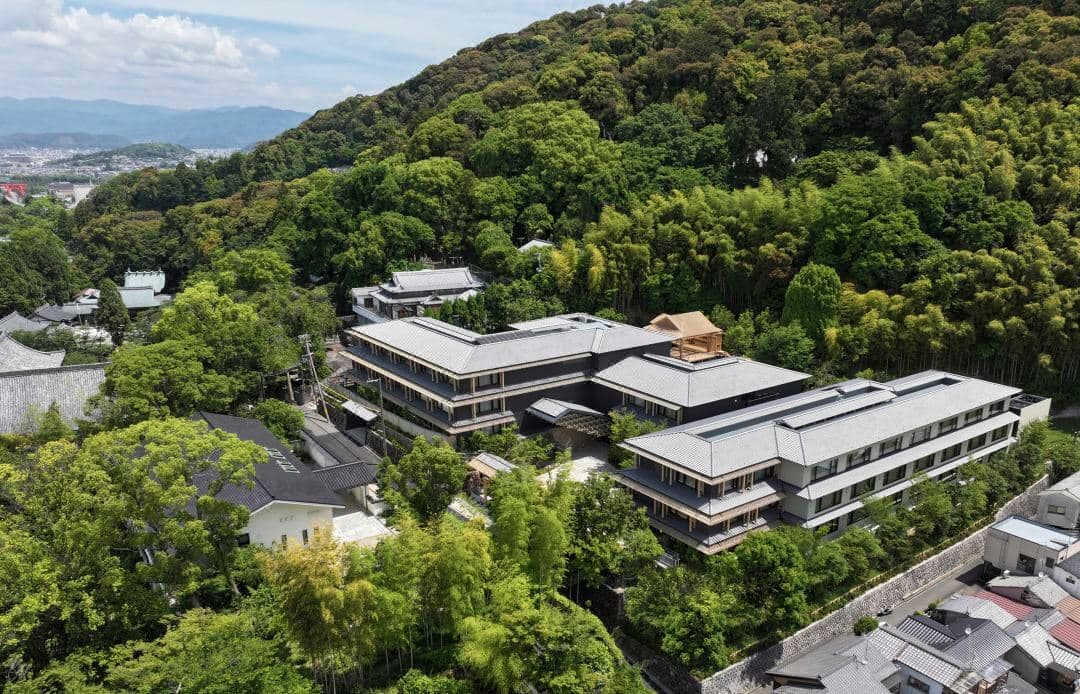
Kyoto’s Higashiyama district is usually a contact sport, a gauntlet of selfie sticks and rental kimonos. But slip past the bamboo gate of Banyan Tree’s Japan debut, and the roar vanishes. Architect Kengo Kuma has pulled off a magic trick here, framing the property around a spectral Noh stage that anchors the space in 'yugen'—that uniquely Japanese sense of mysterious depth. The guest quarters aren't just sleeping pods; they are aromatic retreats. The air smells faintly of the Hinoki cypress bathtubs found in every room, pumping natural hot spring water directly into your private bath—a rare luxury on this hilltop that renders the lack of a swimming pool entirely irrelevant. Dining at signature restaurant Ryozen leans into Kappo-style precision; the seasonal Kaiseki prioritizes an aged dashi broth over performative garnishes. Service is still navigating its opening-year learning curve—earnest, smiling, but occasionally lacking the frictionless polish of the city’s old-guard ryokans. Also, the absence of a casual all-day lounge might leave social butterflies restless. Yet, as you soak in your private thermal water, watching the mist cling to the Higashiyama hills, the silence feels expensive, and entirely worth it.
“The Noh stage isn't just a prop; ask the concierge for the rehearsal schedule to catch a ghostly, private practice session before dinner, a privilege usually reserved for the cast.”
Insider TipAvg. Nightly Rate
550USD