No. 01
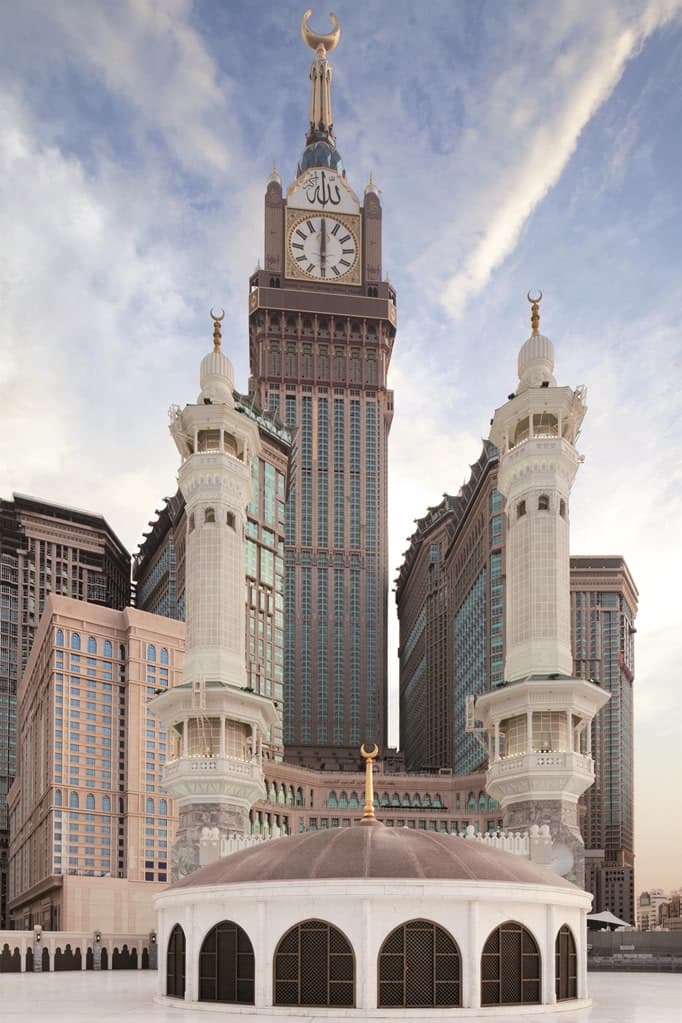
King Abdul Aziz Endownment. MECCA Saudi Arabia 21955Makkah19668 verified reviews
8
.2
Bitvoya Edit
Layering imagery, place, and detail before the page opens.
Rising majestically above the holy city, the Abraj Al Bait complex, known as the Royal Clock Tower, is not just an architectural marvel but the heart of modern hospitality in Makkah. For pilgrims seeking the ultimate convenience and luxury, staying within this iconic skyline offers an unparalleled experience. Located in the Ajyad district, directly facing the King Abdulaziz Gate, these properties provide immediate access to the Masjid al-Haram. Guests at hotels like the Fairmont Makkah Clock Royal Tower and Raffles Makkah Palace enjoy spiritual serenity combined with world-class amenities. This curated collection explores the finest residences within this vertical city, where the call to prayer resonates through the clouds and the Kaaba is a constant, breathtaking view from your window.
Choosing to stay within the Abraj Al Bait complex is a decision that prioritizes both spiritual immersion and logistical ease. The "Icons of the Skyline" represent the pinnacle of Makkah's hospitality sector. These hotels, including the renowned Swissôtel Makkah and the expansive Pullman Zamzam Makkah, offer a unique advantage: they are vertically integrated with the Holy Mosque. This means you can descend from your suite via high-speed elevators directly into the Haram courtyard or the prayer halls. For elderly pilgrims or families with children, this proximity reduces the physical strain of transit, allowing more time for devotion.
The Royal Clock Tower complex itself is a self-contained neighborhood within the **Ajyad** district. It functions as a vertical city.
Expect a blend of deep spirituality and modern luxury. The atmosphere inside the Royal Clock Tower is serene, despite the bustling crowds outside. The hotels are equipped with sound systems that broadcast the Azan and prayers live from the Haram directly into your room. Dining is a highlight, with restaurants like those in the Raffles Makkah Palace offering fine dining with floor-to-ceiling views of the pilgrims tawaf below. Be prepared for peak elevator usage times immediately after prayer, but rest assured that the service standards at these iconic properties handle the flow efficiently.
While all hotels in the complex are adjacent to the Haram, the Makkah Clock Royal Tower, A Fairmont Hotel offers the most central and highest views, while Al Safwah Royale Orchid provides some of the quickest ground-level access to the King Abdulaziz Gate.
Yes, the Abraj Al Bait complex houses a multi-story shopping mall and food court at its base. Guests at hotels like Swissôtel, Raffles, and Pullman Zamzam have direct elevator access to these facilities without leaving the building.
Yes, most luxury hotels within the Clock Tower complex, including Fairmont and Raffles, feature in-room audio systems that broadcast the Azan and prayers live from the Holy Mosque.
Explore our complete curated list of luxury accommodations, from boutique hideaways to grand dames.
Explore All Makkah HotelsStanding 601 meters above the Holy City, the Makkah Clock Royal Tower isn’t merely a hotel; it is a theological statement written in concrete, glass, and Art Deco grandeur. Physically located inside the Abraj Al Bait complex, this Fairmont property offers the ultimate logistical luxury: immediacy. The lobby can feel like a crush of humanity during Hajj, but the chaos dissolves once you reach the Royal Floors. Here, the "Kaaba View" suites offer a hypnotic, floor-to-ceiling perspective of the Tawaf that renders the television broadcast obsolete. The hardware is serious—Technogym equipment in the fitness center and a dedicated Fairmont Spa that separates men and women with clinical precision. Dining is a marathon of choice, but the smart money is on **Al Dira**, where the signature whole lamb ouzi is carved with theatrical flair. The only friction point? The split elevator system. You will switch lifts to reach the ground, a minor penance for staying in the skyline’s crown jewel. It is monumental, occasionally overwhelming, and entirely unmatched.
“The 'split elevator' system can cause delays during prayer times. To bypass the worst bottlenecks, book a 'Royal Floor' suite for access to the private VIP elevators that bypass the main lobby crush.”
Insider TipAvg. Nightly Rate
176USD
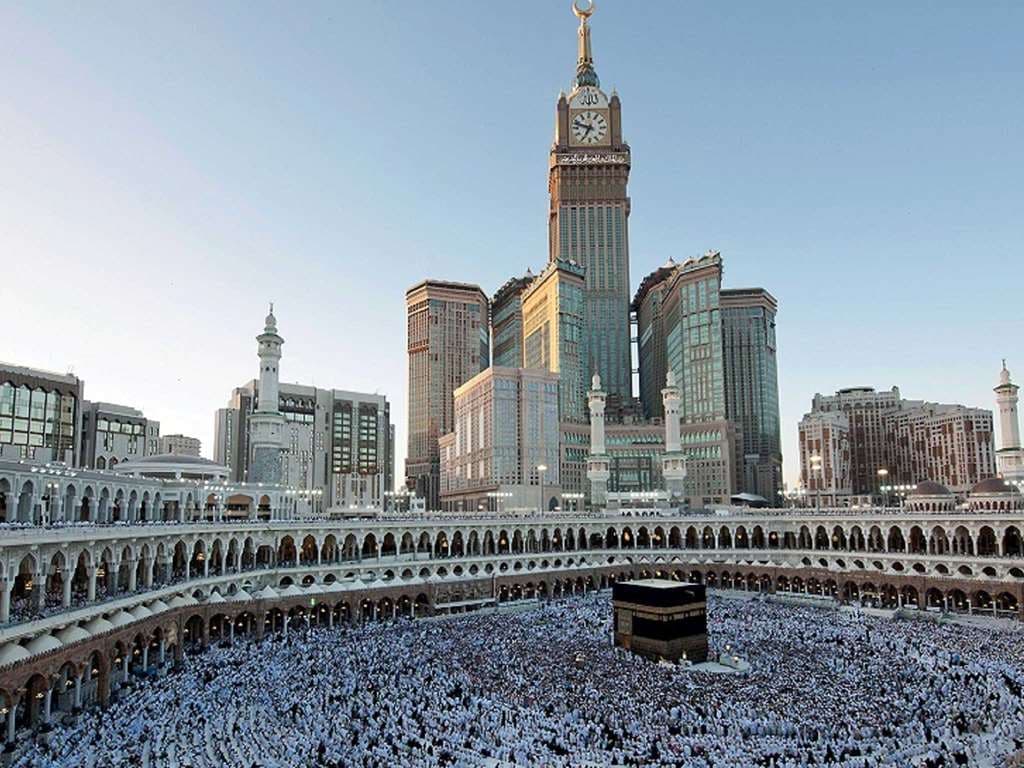
If the Abraj Al Bait complex is the brutalist crown of modern Makkah, the Pullman Zamzam is its bustling, well-trodden engine room. As the first hotel to open in this colossal clock-tower complex, it holds a specific kind of tenure: it is less about high-gloss design and more about the sheer, unadulterated logistics of faith. You don’t book here for Le Labo amenities or cutting-edge minimalism; you book because the King Abdul Aziz Gate is practically your doormat. The experience is a vertical pilgrimage in itself. The lobby on the 11th floor is a chaotic theatre of white Ihram robes and luggage, where the check-in queue can feel like a tawaf of its own. Yet, once you navigate the two-stage elevator system—a notorious bottleneck during prayer times—the rooms offer a rare spiritual utility. The suites, though sporting carpets and furniture that have seen millions of footsteps, feature kitchenettes and, most crucially, a dial that pipes the Muezzin’s call directly from the Haram into your bedside table. Dining at Al Zahra is a volume affair, but the fresh dates and Oriental specialities remain consistently excellent. It is imperfect, aging, and crowded, but for the pilgrim who prioritizes proximity over polish, it remains an essential coordinate on the skyline.
“Skip the main elevator rush 20 minutes before prayer. Instead, use the mall elevators to reach the ground floor earlier, or request a room on a lower tower floor to minimize vertical commute time.”
Insider TipAvg. Nightly Rate
160USD

To check into the Mövenpick Hajar Tower is to accept a distinct paradox: finding profound stillness within the most frenetic architectural complex on Earth. Occupying one of the colossal towers of the Abraj Al Bait, the experience begins not at the door, but with a pilgrimage of its own—navigating the elevator transfer at the P11 lobby, a bustling junction that feels more like an international terminal than a hotel reception. But once you ascend to the guest floors, the chaos dissolves. The aesthetic here is less 'cutting-edge design hotel' and more 'classic reliability.' While the furnishings in the Deluxe Rooms lean towards traditional wood veneers and heavy drapes—admittedly showing their age compared to newer neighbors—they serve a singular purpose: framing the view. And what a view. In a 'Partial Haram View' room, the window becomes a living painting of the Kaaba, turning your morning coffee into a moment of spiritual awe. Culinary offerings provide a necessary grounding. Skip the standard international fare and head to Al Firdaous for the aromatic spiced rice and lamb kebabs that rival the city’s best street food, or retreat to the Al Diwan Tea Lounge. Here, the brand’s Swiss heritage shines; the signature Mövenpick chocolate hour pairs unexpectedly well with traditional Arabic *gahwa* and sticky dates. Service is brisk and high-volume, yet moments of genuine hospitality pierce through the rush. Ultimately, you don’t stay here for the thread count; you stay because when the call to prayer resonates through the glass, you are exactly where you need to be.
“Breakfast crowds can be intense at the main M2 restaurant. Ask the concierge for access to the Al Naim restaurant on level P12 instead—it offers a far quieter atmosphere with the same spread.”
Insider TipAvg. Nightly Rate
121USD

Staying at the Swissôtel Makkah is less about traditional hospitality and more about architectural pragmatism. Anchoring the Abraj Al Bait complex, this property offers the ultimate logistical hack for Hajj and Umrah: a private elevator bank that bypasses the street-level chaos, depositing you steps from the Haram’s King Abdulaziz Gate. It is a masterclass in efficiency. The design in the Premier Rooms is intentionally restrained—crisp white linens and ergonomic seating—allowing the floor-to-ceiling window to frame the only art that matters: an unobstructed, mesmerizing view of the Kaaba. It is a visual anchor that transforms the room into a private sanctuary. Dining at Al Ruwad Restaurant is a riot of local flavor. Skip the international stations and head straight for the Saudi staples; the *Mandi* and *Jareesh* here are cooked with a depth of spice usually reserved for home kitchens. For a lighter touch, the Al Ruwad Tea Lounge serves gourmet sandwiches, though the *Kunafa* is the real draw. Amenities are a mixed bag. The Pürovel Spa & Sport introduces a curious cognitive dissonance—smelling Alpine essential oils in the Saudi desert is surreal—but the lack of a swimming pool is a notable omission for a five-star rating. Furthermore, the elevators, while exclusive, become a vertical traffic jam during prayer peaks. **Verdict**: The definitive choice for the pilgrim who prioritizes proximity and sightlines over poolside leisure.
“Request a room on the 40th floor or higher in the 'Premier' category to guarantee the Kaaba view is clear of the surrounding minarets and cranes.”
Insider TipAvg. Nightly Rate
140USD
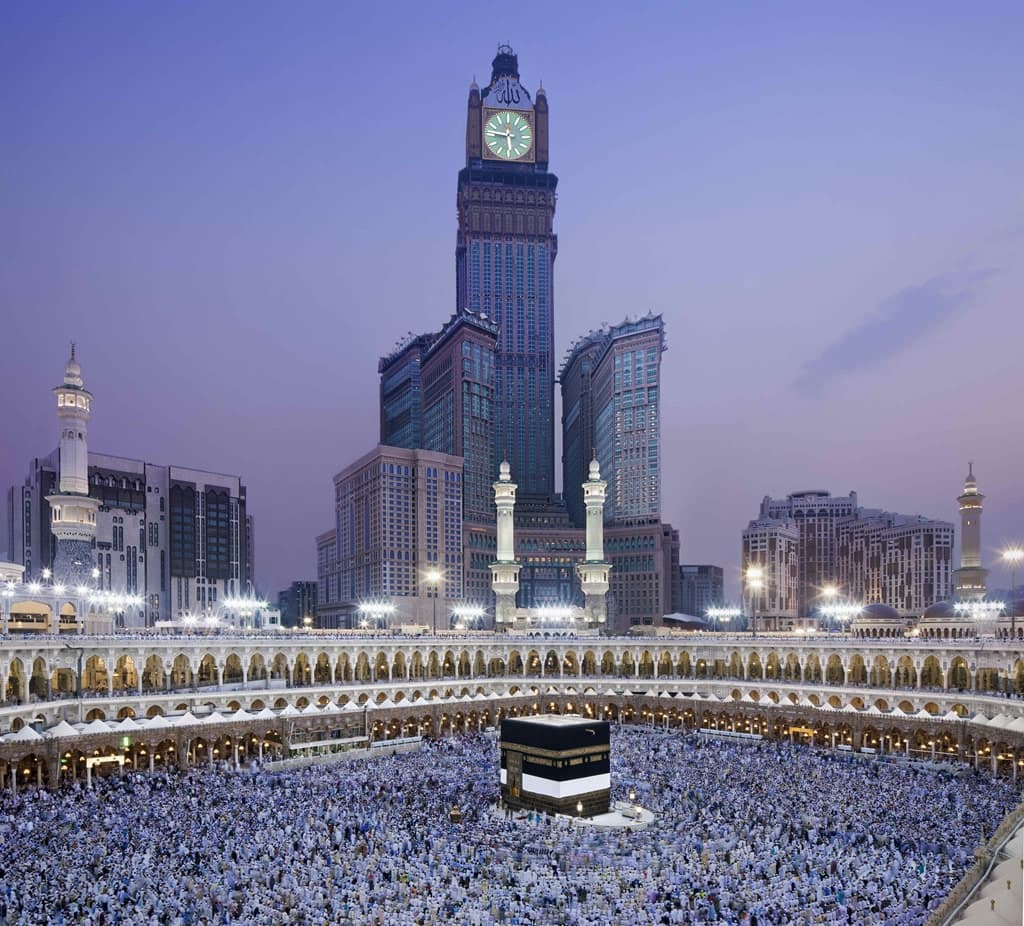
There is a distinct friction to entering the Abraj Al Bait complex—a sensory overload of commerce and crowds—that vanishes the moment you cross the threshold of Raffles Makkah Palace. Anchored within the Clock Tower, this property doesn't just offer proximity; it offers the city's most coveted currency: personal space. While newer glass-and-steel neighbors boast modern veneers, Raffles doubles down on 'old world' residential grandeur. The starting suite size is a staggering 80 square meters, draped in heavy silks and marble that feel less like a hotel and more like a private manor. The aesthetics may lean traditional, but the unobstructed sightlines of the Kaaba from the private terraces are timeless. Dining here is a serious affair; 'Al Majlis' delivers Levantine precision with its signature Makkah Palace Lamb, but the true insider deviation is 'The Creamery,' where Teppanyaki Ice Cream provides a theatrical palate cleanser. The on-site spa, stocked with Aromatherapy Associates products, offers a necessary decompression chamber. Yes, the shared complex elevators can test one’s patience during prayer rushes, but the payoff—direct access to the King Fahad Gate—remains the ultimate luxury. Recently crowned 'Makkah's Leading Hotel in Service Excellence 2025,' it confirms that while the hardware is aging, the software remains impeccable.
“Skip the main rush; ask your butler to reserve a terrace table at The Creamery specifically for the Teppanyaki Ice Cream experience after Isha prayer.”
Insider TipAvg. Nightly Rate
360USD

In Makkah, proximity isn’t just a luxury; it’s the entire point. Al Marwa Rayhaan by Rotana understands this viscerally. Situated within the monumental Abraj Al Bait complex, this property doesn't just offer views of the Haram; it feels structurally grafted onto it. The experience is less about design curation—expect the standard 2010s 'Makkah beige' palette and firm upholstery rather than avant-garde minimalism—and more about the sheer, dizzying access. You are an elevator ride away from the King Abdul Aziz Gate. While the rooms feature floor-to-ceiling windows that frame the Kaaba like a living portrait, the real energy is found in the dining venues. Under the stewardship of an F&B team recently shortlisted in the Hotelier Saudi Awards 2024, 'Al Shorfa' delivers more than just competent Oriental grills; its 11th-floor terrace offers a sensory immersion into the tawaf below that no 8K screen can replicate. The 'Al Bayt' restaurant serves a live shawarma station that has become a cult favorite among returning pilgrims. There is no pool—a standard omission here—but the 24-hour Technogym ensures your fitness regime survives the trip. It’s not the newest hotel in the skyline, but for the pilgrim who measures luxury in footsteps saved, it remains undefeated.
“The elevators are a known bottleneck during prayer times. Beat the rush by heading to the Al Shorfa terrace 45 minutes before Maghrib for coffee and a stress-free transition to the mosque.”
Insider TipAvg. Nightly Rate
236USD

Forget 'nestled'—Al Safwah Royale Orchid is embedded. Anchoring the Safwah complex directly facing King Abdulaziz Gate (Gate 1), this property trades contemporary gloss for sheer, unadulterated access. It is the pragmatist’s palace; where the interiors might skew dated (think heavy drapes and dim lighting rather than crisp minimalism), the spiritual utility is unmatched. The rooms, specifically the Deluxe Kaaba View, offer a front-row seat to the infinite, equipped with integrated speakers that pipe the Azan directly to your bedside—a feature that transforms the room into a private extension of the Haram. Dining here is an affair of volume and comfort. At Al Marwa Restaurant, the Chicken Biryani is the unsung hero—a fragrant, caloric necessity after hours of Tawaf—while Al Morjan’s live omelet station handles the morning rush with military precision. The spa offers a practical barber shop for the post-Umrah trim, though don't expect a Zen retreat. Ultimately, you aren't here for the thread count or avant-garde design; you are here because the elevator ride to the Mataf takes three minutes flat. It is a logistical triumph for the devoted.
“Bypass the main lobby crush during Isha; use the elevators that connect directly to the Al Safwah Towers mall for a faster, air-conditioned exit to the plaza.”
Insider TipAvg. Nightly Rate
190USD

In the high-stakes logistics of Makkah, distance is the only currency that matters. Anchored within the Safwah Tower, Al Ghufran Safwah trades the sprawling, gilded opulence of the nearby Fairmont for tactical precision. Its lobby, defined by a sharp, stepped-ceiling architecture, hums with the kinetic energy of arrivals, but the real engineering triumph here is the vertical commute. While neighbors languish in elevator gridlock during prayer times, Safwah’s lifts cut a direct line from street to suite, delivering you to the King Abdulaziz Gate in under three minutes. The rooms practice a utilitarian density—quad-bed setups are standard here—but the trade-off is a front-row seat to the minarets. Linens are crisp, surfaces polished to a mirror finish, and the layout, though tight, is calculated for the pilgrim’s rest rather than lounging. Dining at Al Danah eschews generic continental fare for a robust spread of Middle Eastern grills and live cooking stations that cater specifically to South Asian and Arab palates. There is no spa or pool, but such amenities feel superfluous in this context. You are here to walk, pray, and reflect; Al Ghufran simply ensures you do so with maximum efficiency. **Verdict:** The ultimate logistical hack for the focused pilgrim who values proximity over pampering.
“Skip the main elevators during the 30 minutes immediately following Friday prayers; instead, use the mezzanine connection to the adjacent shopping arcade for a faster descent to street level.”
Insider TipAvg. Nightly Rate
131USD