No. 01
Via Bocca Di Leone 14 Rome Italy 00187Rome268 verified reviews
9
.0
Bitvoya Edit
Layering imagery, place, and detail before the page opens.
Rome is not merely a city; it is an emotion, best experienced through the lens of La Dolce Vita. To truly inhabit the spirit of the Eternal City, one must stay where history breathes through marble halls and crystal chandeliers. Our curated collection focuses on the "Grand Dames"—the historic, palatial hotels that have defined Roman luxury for generations. These properties are concentrated around the glamorous Via Veneto, immortalized by Fellini, and the iconic Spanish Steps in the Trident district. From the rooftop views at Hotel Hassler to the Belle Époque grandeur of The St. Regis, these hotels offer more than sleep; they offer a return to the golden age of Italian elegance.
Choosing a "Grand Dame" hotel in Rome is about embracing a narrative of cinematic glamour and aristocratic heritage. Unlike modern boutique properties, these hotels—such as the Westin Excelsior or the Hotel Eden, Dorchester Collection—are institutions. They are the settings where Hollywood royalty, actual royalty, and artists have mingled for decades. Living La Dolce Vita here means waking up to frescoes on your ceiling, enjoying an aperitivo on a terrace overlooking the Villa Borghese, and experiencing service that anticipates your needs before you speak. These properties are custodians of Roman history, offering an immersive experience that combines museum-quality art with world-class hospitality.
When booking one of Rome's Grand Dames, expect interiors that rival palaces. The Hotel Splendide Royal Roma, for instance, is known for its Baroque lavishness. Rooms often feature high ceilings, antique furnishings, and rich fabrics like velvet and silk. Dining is a central component; almost all these properties boast Michelin-starred restaurants or panoramic rooftop bars offering sweeping views of the Vatican and the Altare della Patria. Service is formal yet warm, adhering to old-world standards where the concierge holds the keys to the city's most exclusive experiences.
Most Grand Dame hotels in Rome, such as the Hotel Eden or St. Regis, enforce a smart casual to formal dress code for dinner. Jackets are often required for men in fine dining restaurants, and shorts or flip-flops are generally not permitted in public areas during the evening.
Yes, despite their historic grandeur, properties like the Westin Excelsior and Hotel Hassler are very welcoming to families. Many offer connecting rooms, dedicated concierge services for children's activities, and special amenities upon request.
For the best views, Hotel Hassler Roma located atop the Spanish Steps and Hotel Eden offer unparalleled panoramic vistas of the city's domes and rooftops from their terraces and restaurants.
Explore our complete curated list of luxury accommodations, from boutique hideaways to grand dames.
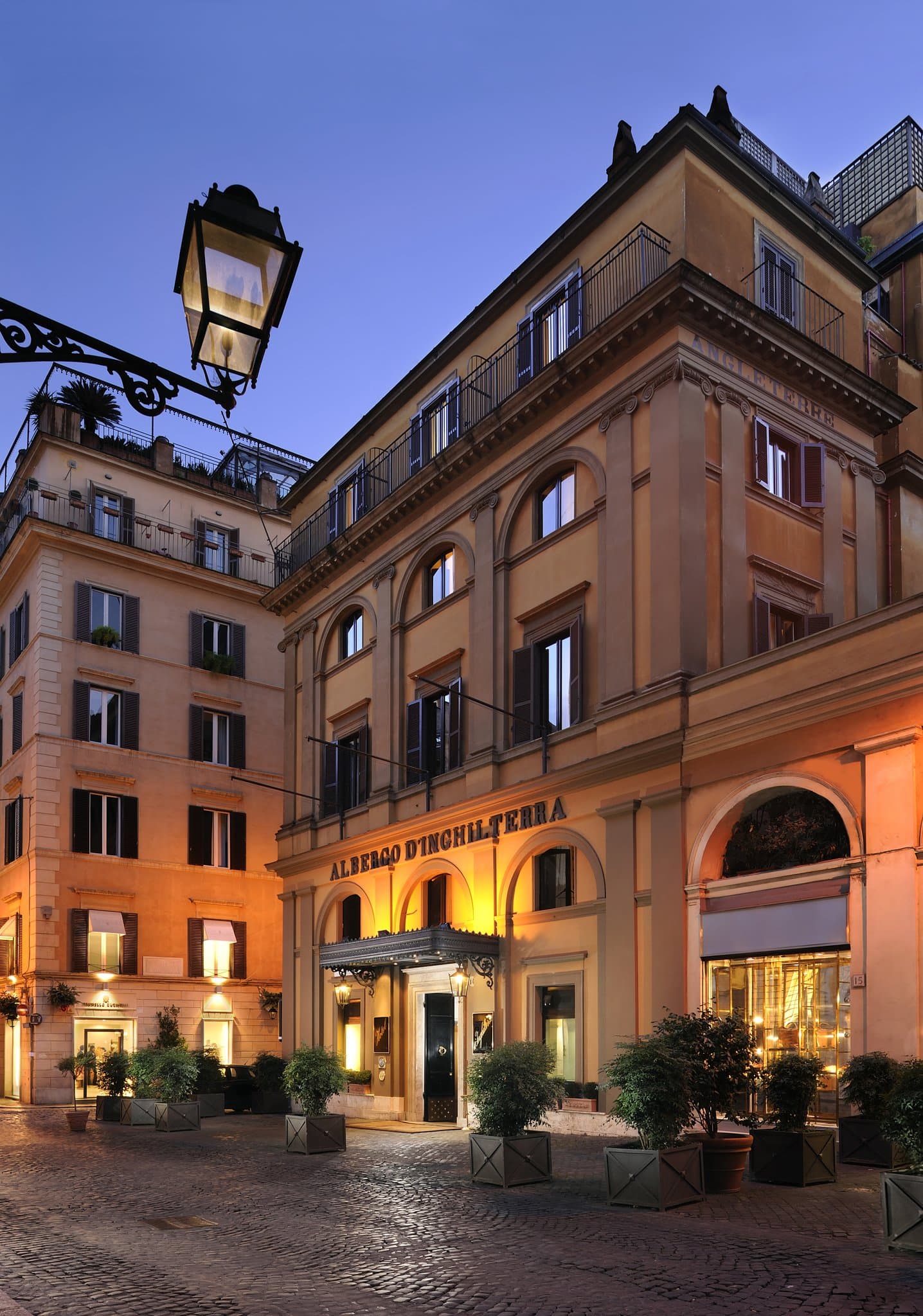
Explore All Rome HotelsRome’s hospitality scene is crowded, but the September 2024 reopening of Hotel d’Inghilterra proves that some legends simply require a fresh coat of rouge. Once the haunt of Hemingway and Taylor, this 16th-century palazzo has shaken off the dust without losing its patrician soul. The recent renovation by Starhotels Collezione walks a tightrope between preservation and polish—think custom wallpapers, restored antiques, and heavy velvet drapery that feels more “private residence” than “hotel chain.” The location is the definition of “in the mix”—you are mere steps from the Spanish Steps. While this means the early morning hum of the city (and its trash collectors) might creep in, it’s a fair trade for the immediacy of the Via Condotti fashion parade. Inside, the Bond Bar remains a cinematic, brooding ground for a Vesper Martini, while Café Romano serves a cacio e pepe zucchini flower that justifies the Roman carbohydrate premium. Rooms have been refreshed with oak and marble, though entry-level categories remain true to their historic footprint—read: intimate (approx. 20 sqm). For space, you must book up. The service, led by head concierge Massimo, recalls a golden era of hospitality where impossible reservations appear with a discreet nod. It is not the quietest sleep in Rome, but it is certainly one of the most storied.
“Skip the street-level tables for aperitivo; head to the 'Terrazza Romana' rooftop at sunset. It’s small, exclusive, and offers a view of the Roman skyline that most tourists never see.”
Insider TipAvg. Nightly Rate
550USD
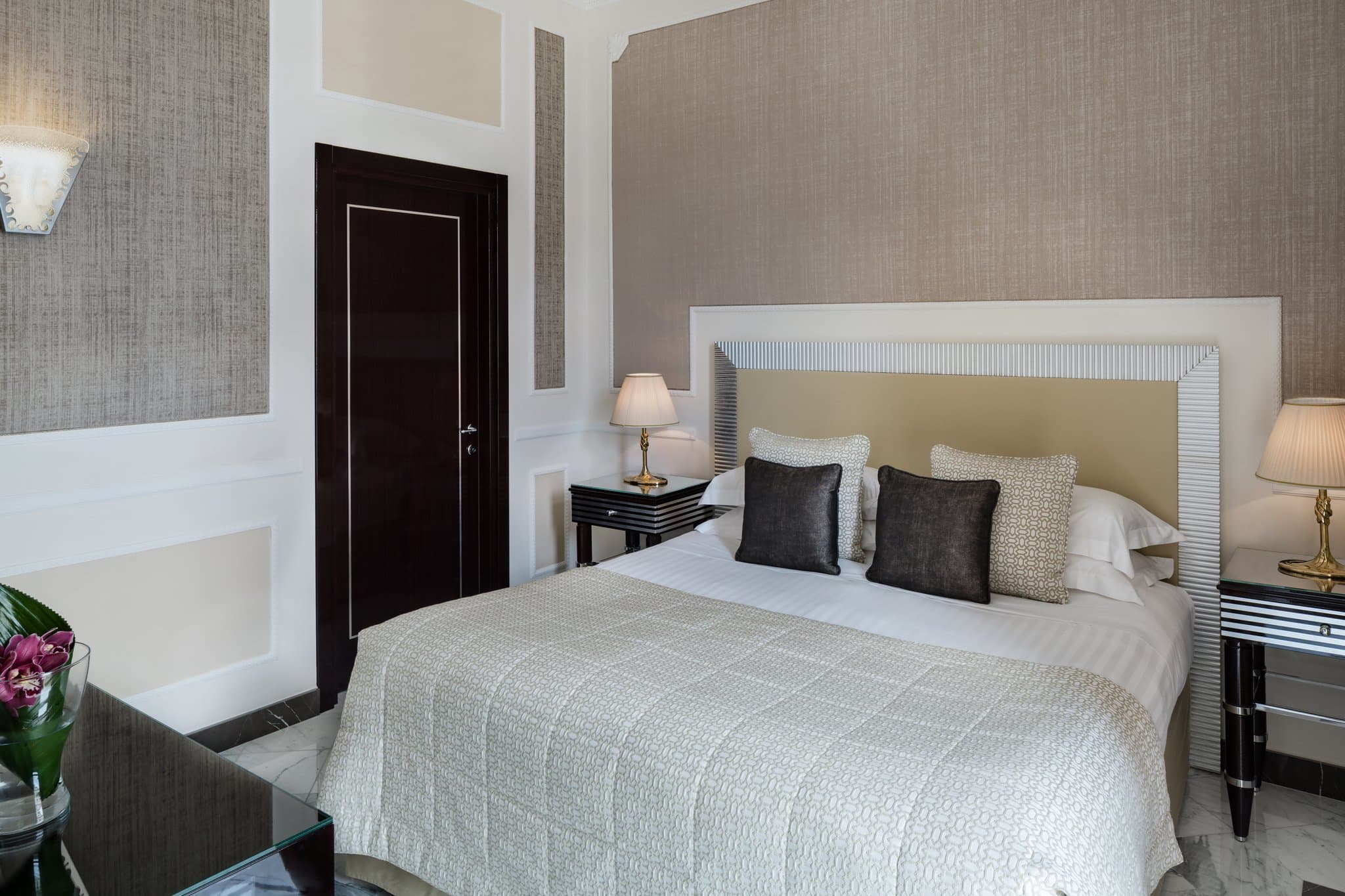
If Via Veneto is a fading film set from the 'La Dolce Vita' era, the Baglioni Hotel Regina is the director’s cut—restored, regal, and strictly resisting the tourist trap tropes that plague the neighborhood. Situated directly opposite the US Embassy (the heavy security ironically adds a layer of unintentional VIP privacy), this Liberty-style grande dame was once the residence of Queen Margherita’s mother. It shows. The lobby is a riot of gold marble, brass, and velvet that feels less like a hotel and more like a private palazzo where the check-in process feels incidental. Upstairs, the rooms are unapologetically Roman. Expect heavy brocade drapes, Murano glass chandeliers, and bathrooms clad in enough dark marble to quarry a small statue. Modernists might scoff at the scarcity of bedside USB ports—a common casualty of historic preservation—but the trade-off is soaring ceilings and a sense of permanence that drywall just can't mimic. Dining is a serious affair here; at Brunello Bar and Restaurant, the signature *Spaghettone Monograno Felicetti Carbonara* is a masterclass in emulsion, best enjoyed after a Negroni in the velvet-clad lounge. While the plumbing can occasionally be temperamental, the service is not; the concierge team performs logistical miracles daily. The verdict? A polished time capsule for those who prefer their luxury with a side of history and live harp music at breakfast.
“Request a courtyard-facing room to avoid the early morning delivery noise from Via Veneto, or book the Roman Penthouse for the city's only private terrace Jacuzzi.”
Insider TipAvg. Nightly Rate
310USD
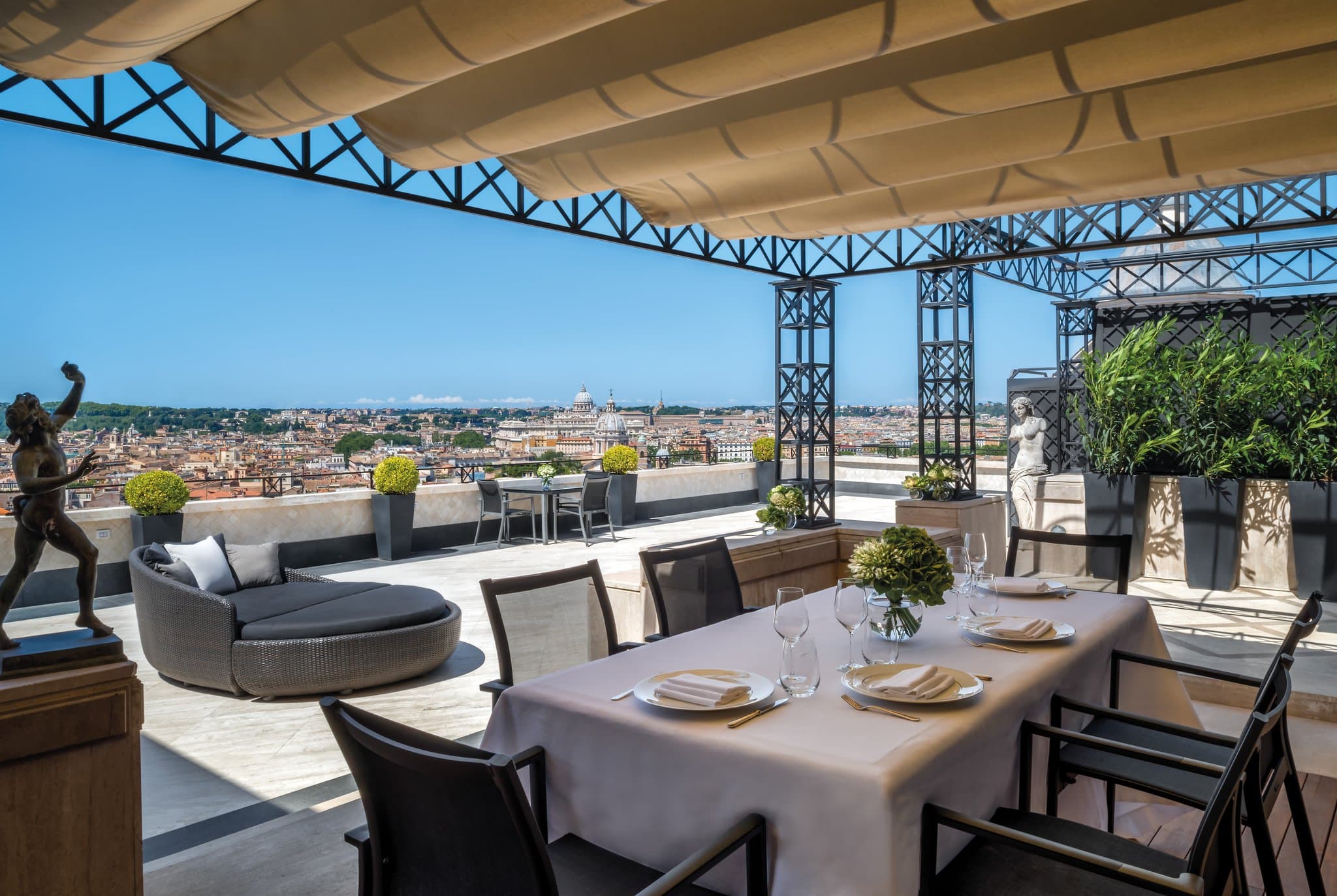
While the tourist legions swarm the Scalinata di Trinità dei Monti below, the Hassler remains a fortress of cool, scented silence. This isn't just a hotel; it is the hereditary fiefdom of the Wirth family, whose recent passing of the torch to siblings Roberto Jr. and Veruschka has done nothing to dim its 'Old World' propriety. The vibe here is less 'dolce vita' chaotic and more aristocratic permanence—Art Deco touches meet heavy Roman drapery. Entry-level rooms can feel aggressively traditional (some combo showers in 2026 feel like a time capsule), so the strategic move is booking a suite or focusing your energy upwards. The real currency here is the view. Dinner at the Michelin-starred Imàgo isn't optional; it’s the price of admission for the best vantage point in Rome. Chef Andrea Antonini’s spaghetti with smoked sea urchins and pecorino is a sharp, saline jolt that cuts through the rich setting. Even the spa, Amorvero, feels intensely local, using the hotel's own citrus-heavy formulations. It is unapologetically expensive, often clearing €1,000 a night, but for access to that specific, ivy-clad silence above the fray, the Hassler still reigns supreme.
“Skip the crowded street-level spritzes; order the signature 'Veruschka' pomegranate cocktail at Carmen's Bar for a proper Roman aperitivo.”
Insider TipAvg. Nightly Rate
1150USD
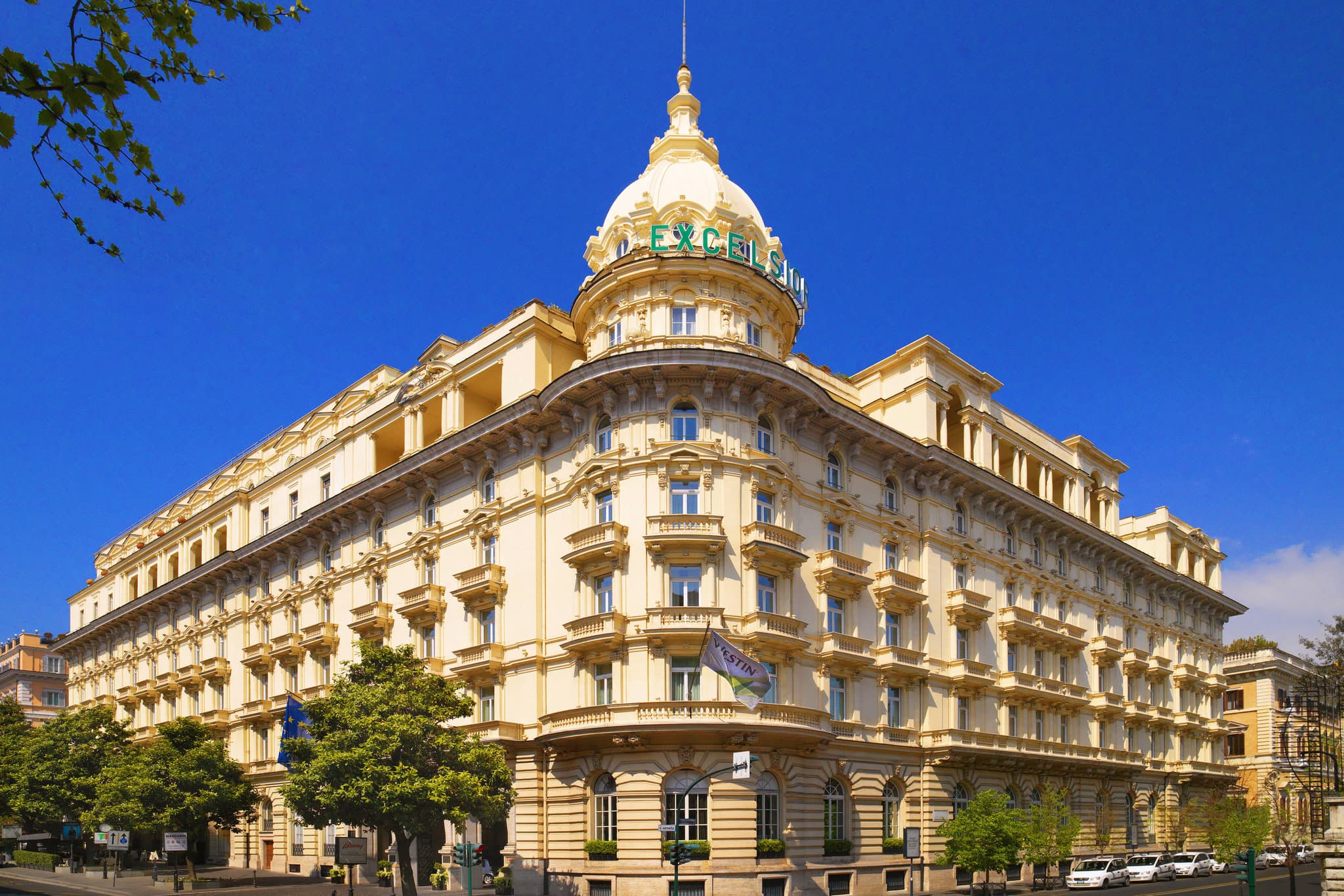
Stepping into The Westin Excelsior is less like checking into a hotel and more like walking onto a Fellini set that the crew never quite struck. Dominating the Via Veneto, this Second Empire wedding cake of a building essentially screams 'Hollywood on the Tiber.' The lobby is a riot of crystal chandeliers and velvet that still manages to intimidate, even if the edges are fraying. It is grandiose, cinematic, and unapologetically stuck in 1950. The reality of the rooms, however, is a tug-of-war between comfort and age. While the signature Westin Heavenly Beds remain a reliable savior for jet-lagged spines, they are often surrounded by carpets and joinery that betray the hotel's long tenure. The bathrooms, though clad in marble, can suffer from temperamental drainage—a common grievance in Roman grand dames. Redemption is found in the social spaces. At Restaurant Doney, the 'Mare Nostrum' seafood salad is a capable tribute to the coast, but the real atmospheric heavy lifter is the ORVM Bar. Sitting here with a Cardinale Cocktail—invented in this very room in 1950—is a non-negotiable rite of passage. Downstairs, the Kami Wellness center offers a Sisley Phyto-Aromatic treatment and a mosaic-lined indoor pool, a chlorinated rarity in central Rome. Ultimately, you stay here for the sheer scale and the ghosts of Sinatra, not for cutting-edge tech or pristine grout.
“Skip the crowded breakfast buffet. instead, prioritize a late-night swim in the indoor pool (often empty) followed by a Cardinale at ORVM Bar.”
Insider TipAvg. Nightly Rate
400USD
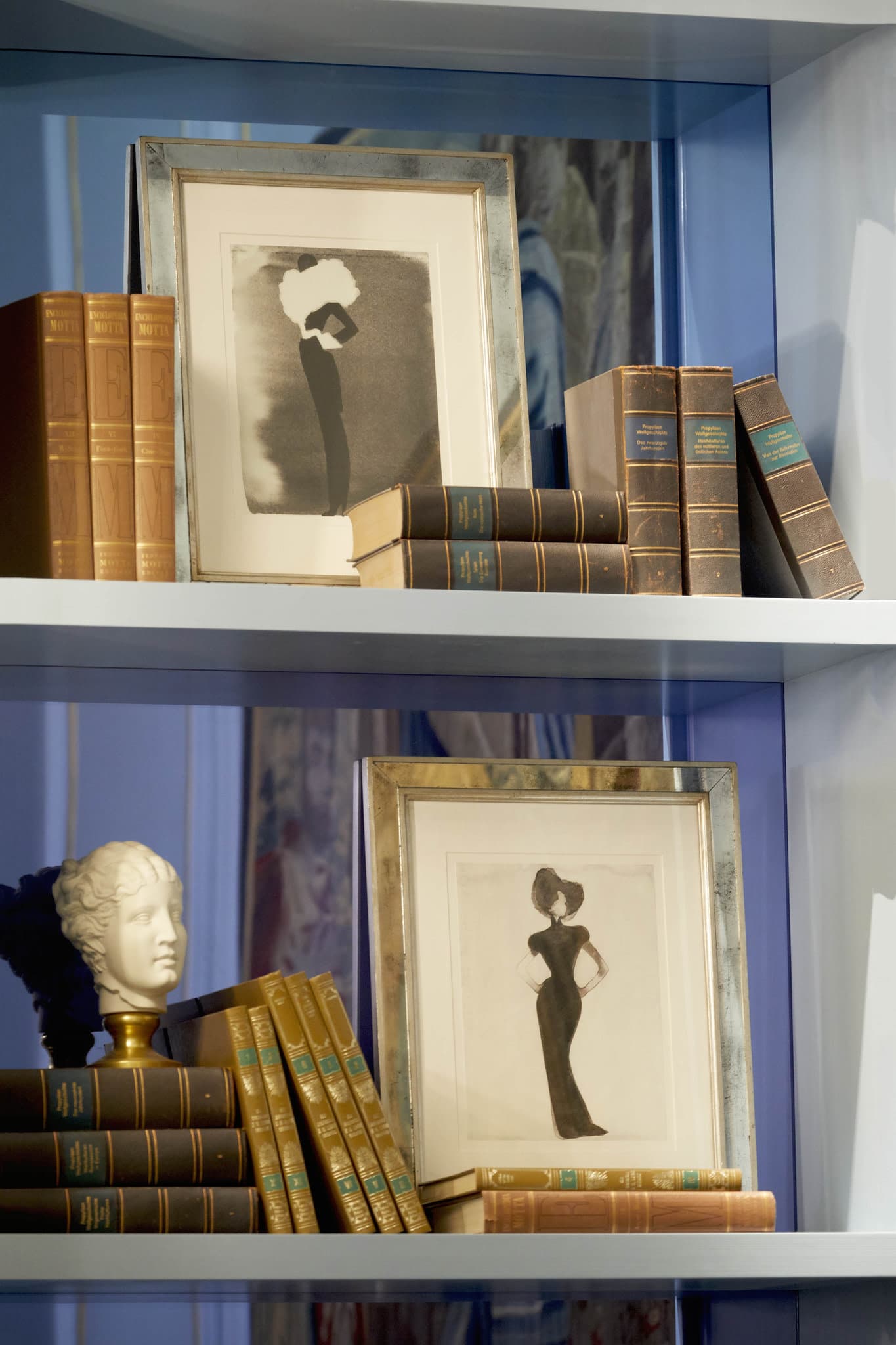
While newcomers clamor for attention with minimalist chic, The St. Regis Rome reminds us why the 'Grand Dame' title exists. Opened in 1894 by César Ritz himself, this isn't a hotel you merely sleep in; it’s a palazzo you inhabit. The 2018 restoration by Pierre-Yves Rochon masterfully stripped away the dust without removing the soul, brightening the heavy Victorian vibe with powder-blue Rubelli fabrics and hand-cut Murano chandeliers that scatter light across restored frescoes. The lobby, or 'Roman Salotto,' is the property's beating heart—far from a transient waiting area, it’s a social theatre where the daily 7 p.m. champagne sabrage ritual draws a sophisticated crowd. In the rooms, expect high-tech functionality wrapped in Empire-style elegance; the 400-thread count linens and Dyson hair dryers are standard, but the butler service is the real luxury, executing requests with nearly telepathic efficiency. Dining at Lumen Cocktails & Cuisine is mandatory, particularly for the 'Red Admiral' Bloody Mary, a spicy Roman twist on the brand's signature libation. Verdict: A triumphant blend of 19th-century grandeur and 21st-century relevance, securing its spot as #3 in Rome in the 2025 Travel + Leisure World's Best Awards.
“Skip the standard taxi queue and ask the concierge to book the hotel’s courtesy car—a vintage-styled, electric Fiat 600 Multipla—for a uniquely cinematic arrival at dinner.”
Insider TipAvg. Nightly Rate
1200USD
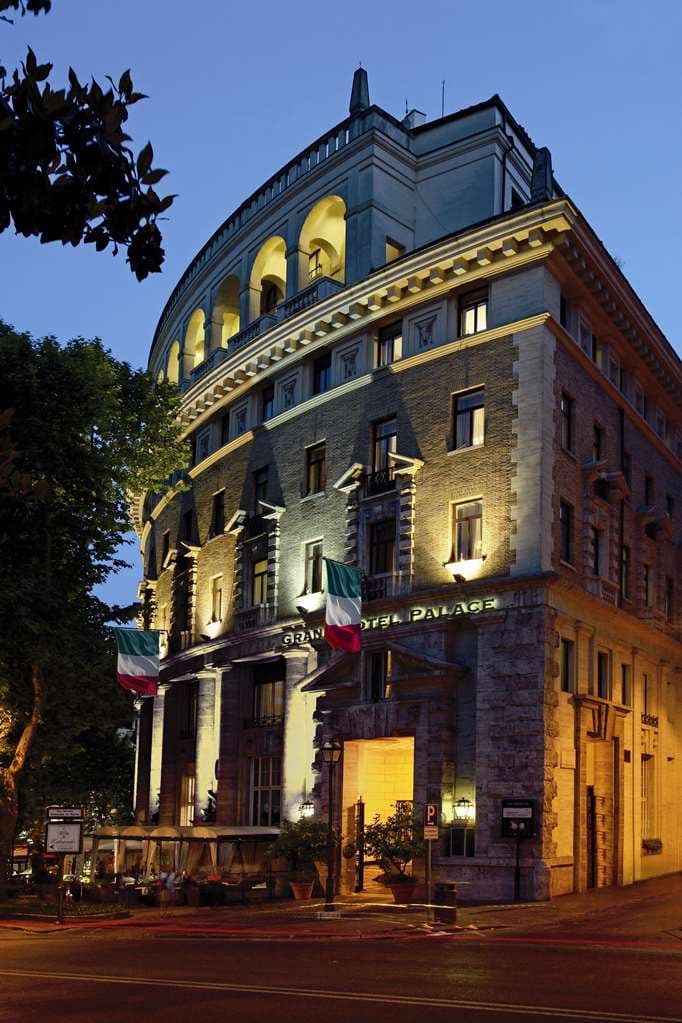
To enter the Grand Hotel Palace is to walk onto a set that Federico Fellini might have deemed too opulent for realism. Standing proudly on the serpentine curve of Via Veneto, directly opposite the fortress of the US Embassy, this property trades heavily—and successfully—on its cinematic past. Designed by Marcello Piacentini, the father of Roman Modernism, the lobby is less a check-in area and more a gallery for Guido Cadorin’s 1920s frescoes, which swirl with the scandalous high-society faces of a bygone Rome. Upstairs, the experience shifts from monumental to residential. While the interiors retain a classic weight that minimalism-seekers might find heavy, the charm lies in the details: substantial drapery, Murano crystal chandeliers, and a silence that is unnervingly rare for central Rome. The true ace up the sleeve is the Kami Spa. In a city where hotel pools are often an afterthought, the heated indoor saltwater pool here is a legitimate sanctuary. Dinner at Ristorante Cadorin is mandatory, if only for the atmosphere; order the linguine with swordfish ragù, which manages to be as rich and complex as the room it’s served in. This isn't a hotel for the trend-obsessed; it is for those who want their luxury served with a heavy pour of history.
“The indoor pool is a rarity in Rome, but access isn't automatic. Book your slot at the Kami Spa reception immediately upon arrival to secure a private evening swim.”
Insider TipAvg. Nightly Rate
220USD
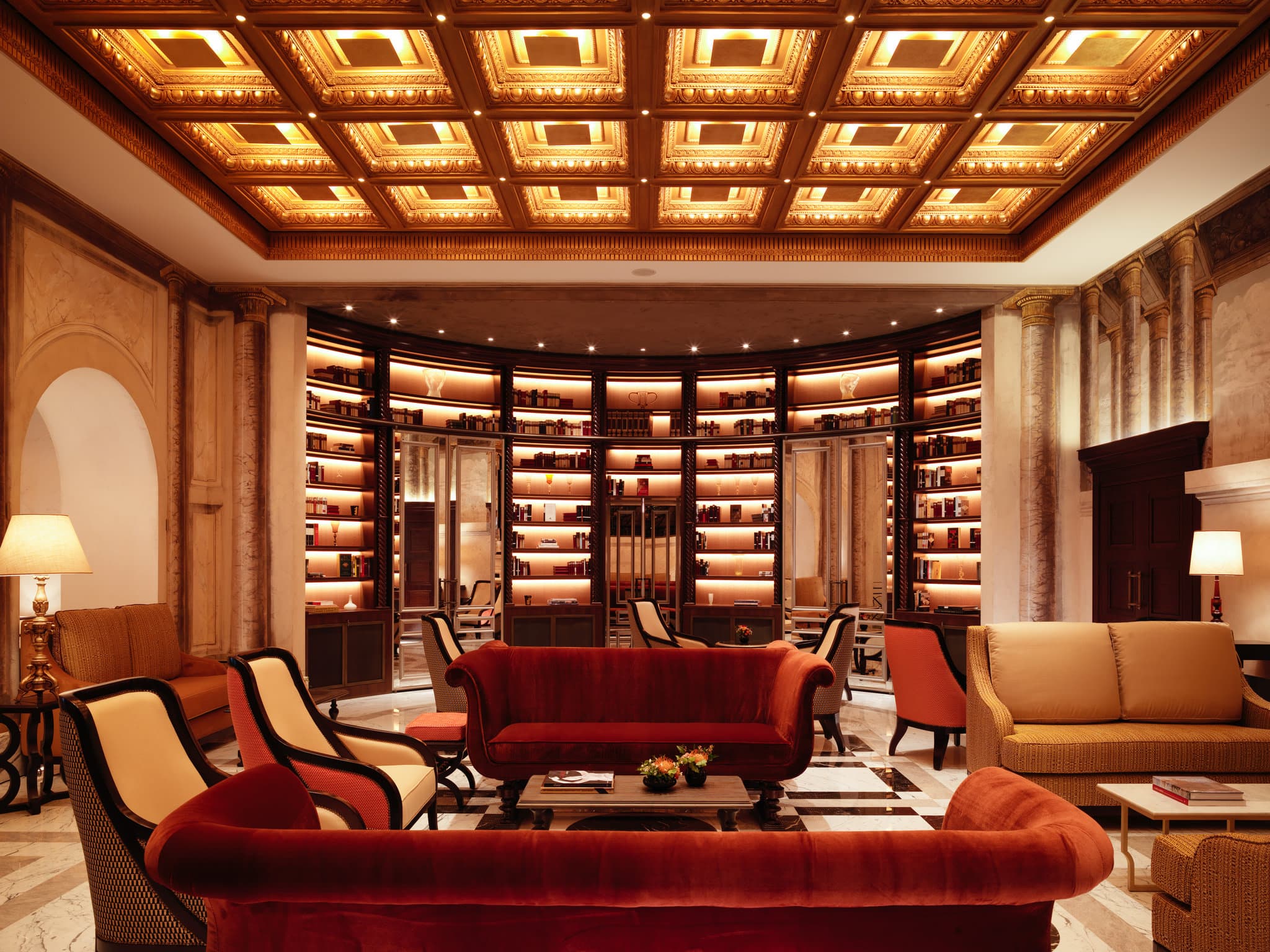
If the walls of Hotel Eden could talk, they’d likely gossip in the hushed, reverent tones of Federico Fellini, who once held court here. Perched high in the Ludovisi district, this Dorchester Collection outpost feels less like a hotel and more like a private palazzo for the discreetly wealthy. The design doesn't scream; it whispers with golden boxed ceilings, frescoed lobby flourishes, and acres of marble that cool you down after a stifling Roman afternoon. Upstairs, the narrative shifts from history to high gastronomy. Under the new stewardship of Executive Chef Salvatore Bianco, La Terrazza has sharpened its edge, delivering a Michelin-starred experience that rivals the panoramic views of St. Peter’s Dome. Bianco’s 'avant-garde of the past' approach brings a cerebral, art-inspired touch to the table—think Mediterranean rigor rather than just another plate of carbonara. The rooms are sanctuaries of calm, kitted out with Bottega Veneta amenities and Bang & Olufsen sound systems, though the entry-level categories can feel snug. Service is where the Eden flexes its muscles; the butlers don’t just unpack, they anticipate. While the lack of an on-site pool is a gripe for some, the concierge’s access to the Roma Polo Club’s heated waters softens the blow. It’s a steep price to pay, but for this level of Roman elevation, you aren't just paying for a bed—you're buying into a legacy.
“Skip the standard transfers; book the 'Signature Suite' to unlock the complimentary use of the Mercedes house car for four hours daily—perfect for navigating the ZTL zones.”
Insider TipAvg. Nightly Rate
1200USD
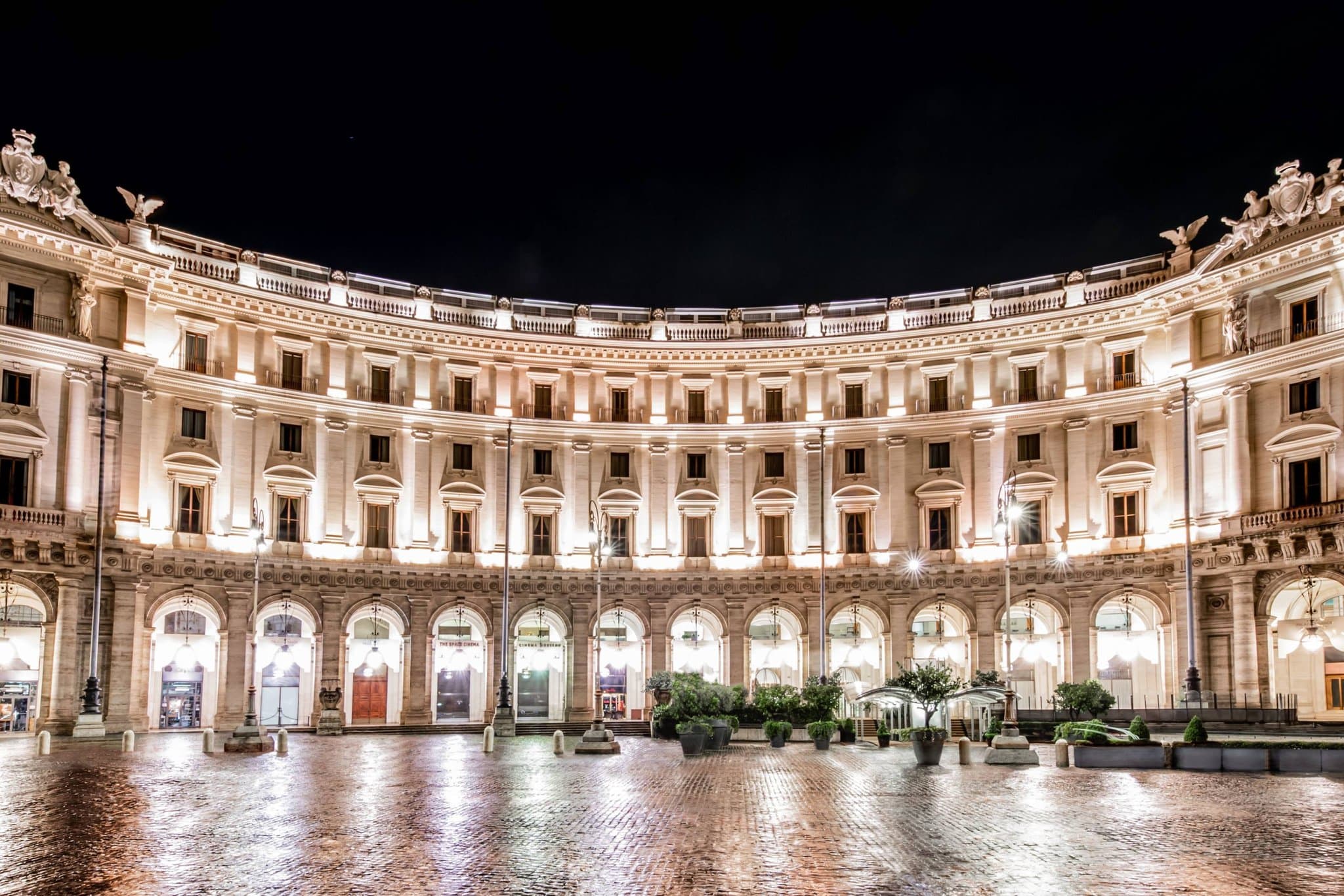
If Rome is a city of crumbling terracotta, Anantara Palazzo Naiadi is its high-definition, white-marble antidote. Domineering the curve of Piazza della Repubblica, this 19th-century crescent palace is a massive architectural flex that demands you straighten your posture the moment you step inside. The lobby is a polished spectacle, but look down—glass flooring reveals the actual foundations of the Baths of Diocletian, a literal layering of five-star luxury over ancient history that beats any museum queue. While the "Duplex Suites" offer drama, their spiral staircases can be a nuisance after a long night; the smart money is on the single-level Junior Suites, which retain the soaring ceilings without the late-night cardio. Dining is serious business here: at INEO, the *Maccheroncini* with Madeira reduction and Eritrean ragout is a sophisticated nod to Italy’s complex colonial past. Come sunset, ascend to SEEN. While the sushi is competent, you are really there for the rooftop plunge pool and the view, which turns the chaotic traffic circle below into a mesmerizing, silent ballet. It is big, bold, and unapologetically Roman.
“Avoid the 'Duplex' categories if you dislike stairs. Request a 'Junior Suite Piazza View' on the 4th floor for cornice-level vistas of the Fountain of the Naiads.”
Insider TipAvg. Nightly Rate
440USD
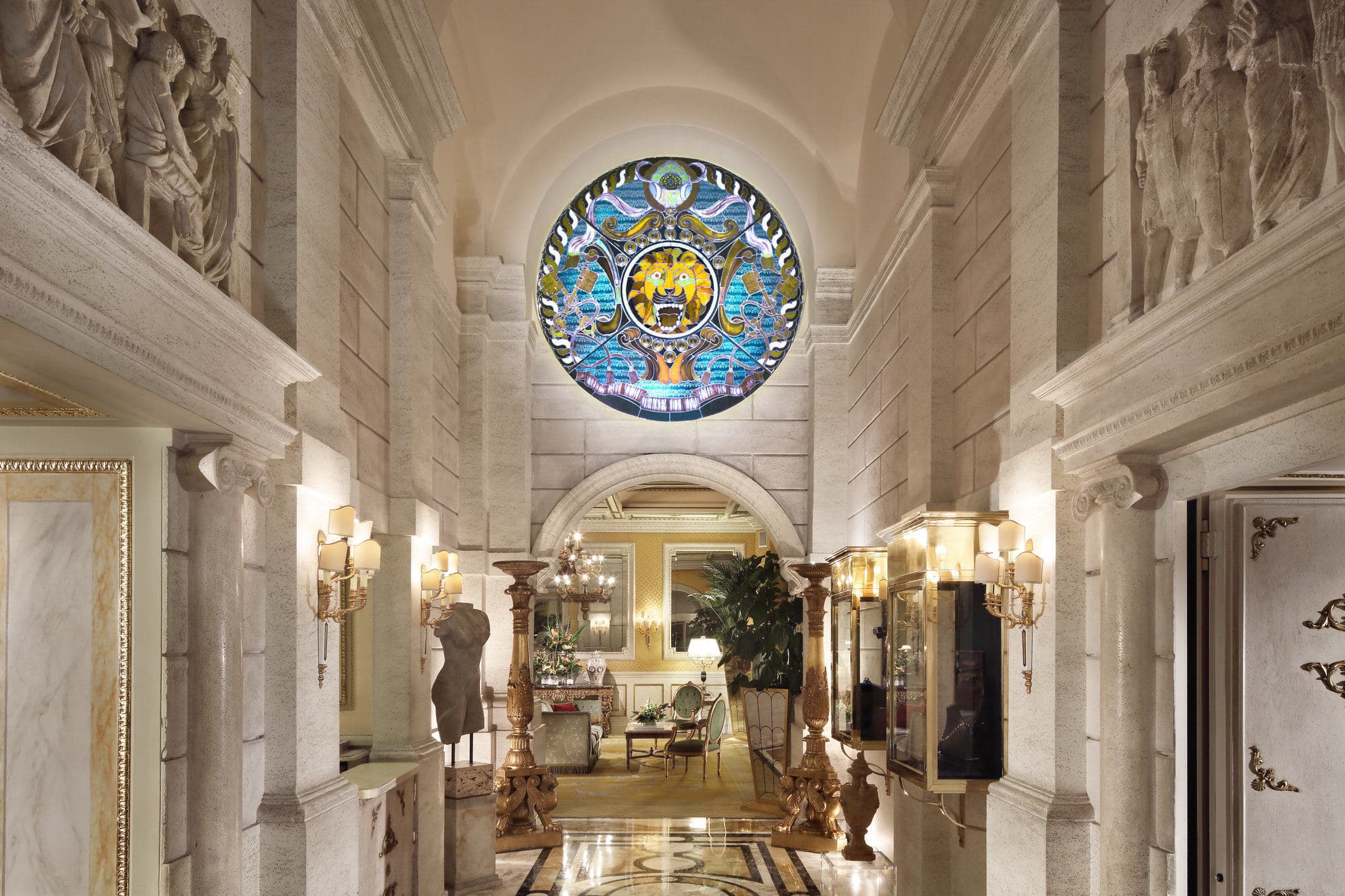
If the Vatican had a hedonistic cousin, it would be the Hotel Splendide Royal. Fresh off its crowning as Travel + Leisure’s No. 1 City Hotel in Rome for 2025, this converted 19th-century Maronite monastery has zero interest in modern minimalism. It is an unashamed riot of Baroque gold leaf, velvet boiserie, and Murano chandeliers that vibrate with old-world gravity. It feels less like a hotel and more like the private palazzo of a particularly well-connected cardinal. While the entry-level Superior rooms are historically accurate in their compactness (read: tight at 21 square meters), they are dressed with enough heavy silk and antique wood to make you forgive the square footage. However, the real currency here is the view. The seventh-floor Mirabelle restaurant offers a cinematic panorama that renders other rooftops obsolete, sweeping from the Villa Medici to St. Peter’s Dome. It is the definitive spot for a power lunch; order the sea bass tartare and the signature 'Settimo Cielo' dessert. Come evening, the Adèle Mixology Lounge draws a local high-society crowd for its 'Clarified Tiramisù' cocktail. The only asterisk? There is no pool on–site. Guests are ferried to the Prince Spa at a sister property for their laps—a minor friction point, but one easily smoothed over by a concierge team that treats every request like a papal decree.
“Skip the Superior rooms. Book a Junior Suite with a terrace on the 4th floor for private views of the Borghese gardens without the restaurant crowds.”
Insider TipAvg. Nightly Rate
370USD
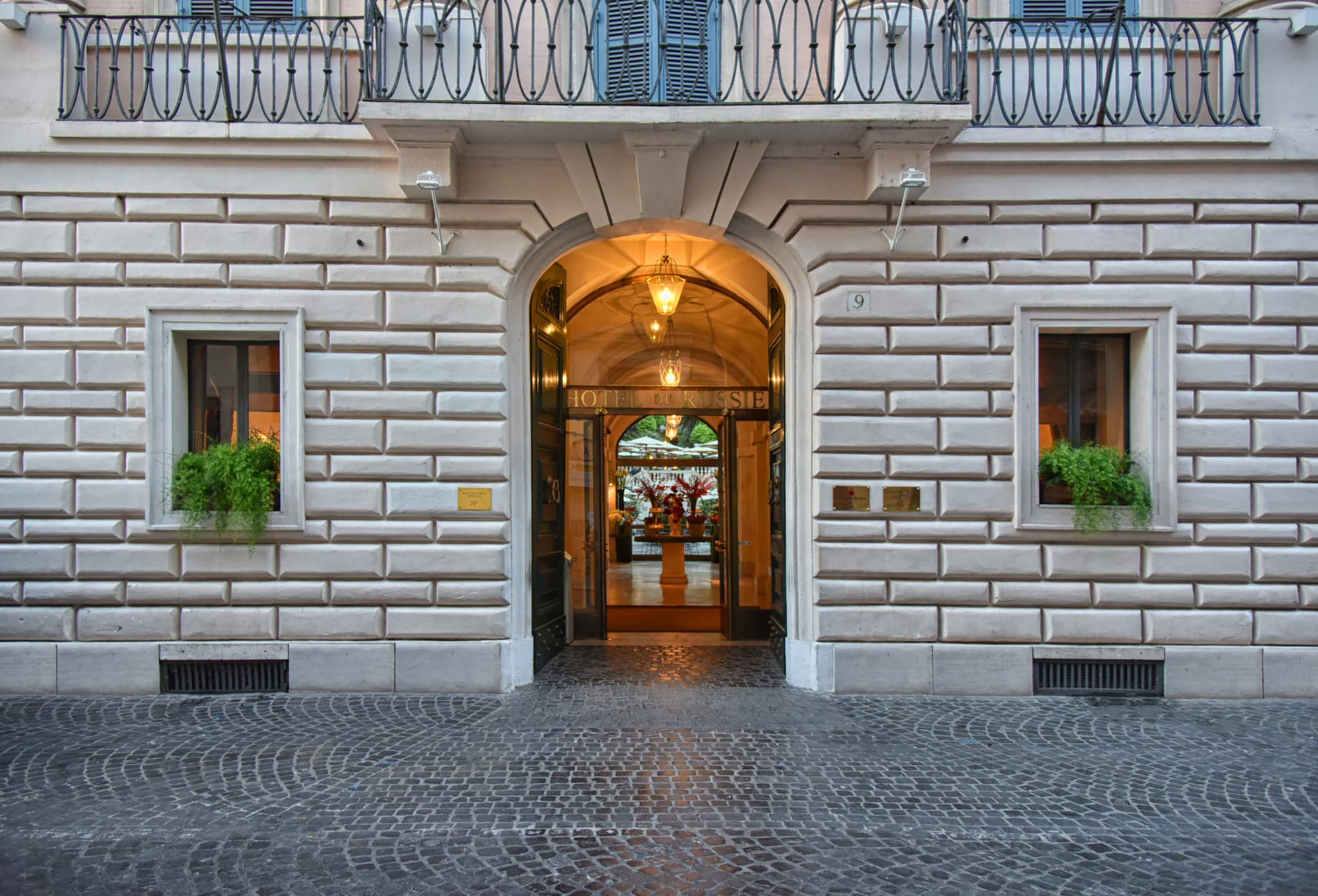
Rome has many hotels, but only one legitimate social stage. Located on Via del Babuino, Hotel de Russie isn’t just a place to sleep; it is the definitive Roman living room. Jean Cocteau didn’t call this 'paradise on earth' for its thread count; he meant the Secret Garden, a terraced masterpiece climbing toward the Pincian Hill that serves as the city’s most coveted alfresco theater. Inside, the design eschews heavy baroque drapes for a cleaner, modern Italian aesthetic. While the entry-level Classic Rooms (a compact 30sqm) demand you pack light, the trade-off is the atmosphere. The Stravinskij Bar is the epicenter of the action—order the signature Stravinskij Spritz and watch the sunset turn the courtyard into a purple-hued fashion runway. Dining at Le Jardin de Russie offers excellent Ravioli Cacio e Pepe, though the check will remind you that you are paying for the proximity to Piazza del Popolo rather than just the pasta. Wellness here is serious business, featuring Irene Forte Skincare rituals and a saltwater hydro pool that focuses on relaxation over laps. It is expensive, occasionally loud, and entirely essential for the modern Roman holiday.
“Skip the street-facing rooms on lower floors; ask for a Garden View to swap the Via del Babuino traffic noise for the sound of resident songbirds.”
Insider TipAvg. Nightly Rate
1386USD