No. 01
26 1 Sakuragaokacho. Tokyo Japan 150-8512Tokyo2183 verified reviews
9
.0
Bitvoya Edit
Layering imagery, place, and detail before the page opens.
Tokyo is a city best understood from above. In a metropolis that stretches infinitely toward the horizon, luxury takes on a new dimension when elevated to the clouds. Our curated collection, "Skyline Sanctuaries," invites you to ascend above the neon bustle to find serenity in the sky. We explore the prestigious financial district of Otemachi, where Aman Tokyo and Four Seasons offer imperial views, to the vibrant heights of Shinjuku's skyscrapers housing the iconic Park Hyatt and the new BELLUSTAR TOKYO. Experience the sophisticated evolution of Toranomon Hills with Andaz and The Tokyo EDITION, or gaze at the Tokyo Tower from the lavish suites of Roppongi's Ritz-Carlton. These aren't just hotels; they are vantage points for the soul.
Tokyo's skyline is a mesmerizing tapestry of futuristic architecture, ancient temples, and seemingly infinite urban sprawl. Choosing a high-rise luxury hotel here guarantees more than just a room; it provides a front-row seat to one of the world's most dynamic cityscapes. From the serene sunrise over the Imperial Palace gardens to the glittering night view dominated by the glowing Tokyo Tower and Tokyo Skytree, staying in the clouds offers an unmatched sense of place. On clear days, the silhouette of Mount Fuji looms majestically in the distance, a view prized by properties like the Park Hyatt and The Ritz-Carlton.
To experience the best elevation, focus on these key districts:
Guests at these Skyline Sanctuaries can expect world-class amenities that leverage their altitude. Anticipate floor-to-ceiling windows in guest rooms, sky-high swimming pools that make you feel weightless above the city, and dining experiences where the view is as spectacular as the cuisine. Whether it's the zen-like minimalism of Aman or the vibrant social scene at Andaz, the common thread is an elevation that separates you from the noise, leaving only peace and perspective.
The Ritz-Carlton, Tokyo in Roppongi and The Tokyo EDITION, Toranomon offer some of the most iconic and close-up views of the Tokyo Tower.
Yes, on clear days, properties like Park Hyatt Tokyo in Shinjuku, Aman Tokyo in Otemachi, and The Ritz-Carlton, Tokyo offer spectacular views of Mount Fuji.
BELLUSTAR TOKYO, A Pan Pacific Hotel, located in the Tokyu Kabukicho Tower in Shinjuku, is one of the newest additions to Tokyo's luxury skyline.
Explore our complete curated list of luxury accommodations, from boutique hideaways to grand dames.
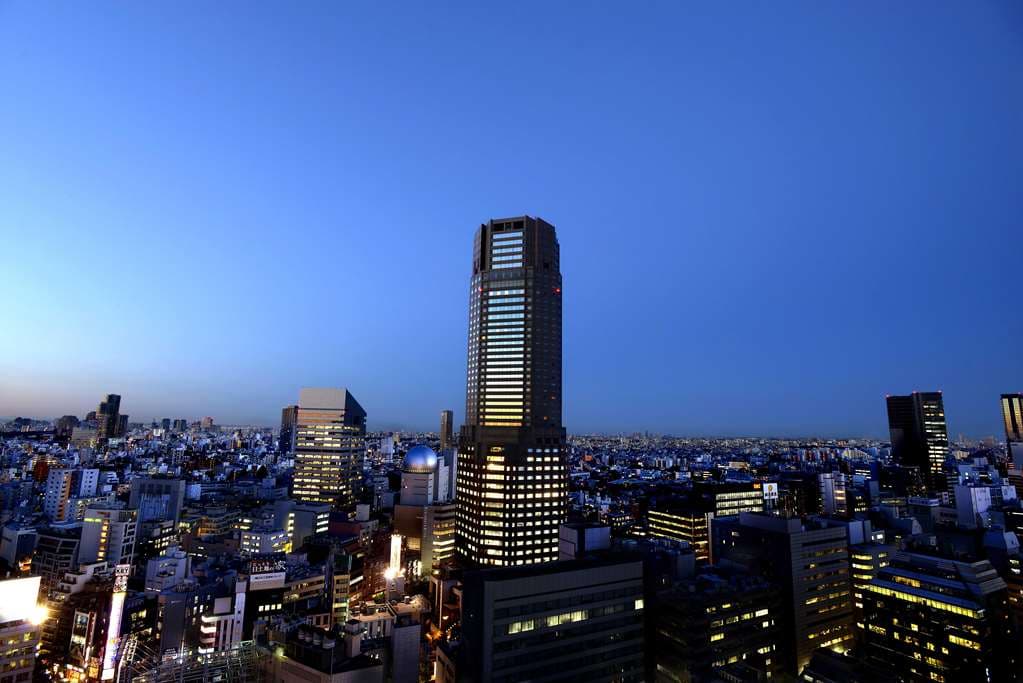
Explore All Tokyo HotelsIf Sofia Coppola were scouting locations today, she might trade Shinjuku for this monochrome monolith hovering over Shibuya. The Cerulean Tower doesn’t just overlook the chaos of the Scramble Crossing; it sanitizes it, turning the rhythmic seizure of thousands of pedestrians into silent, hypnotic theatre from forty floors up. While the lobby vibes lean towards mid-2000s corporate stoicism rather than cutting-edge boutique chic, that rigid efficiency acts as a necessary palate cleanser to the sensory overload outside. The rooms are studies in beige restraint, but you aren't here for the wallpaper. You are here to sit in the west-facing window bay, watching Route 246 turn into a river of red taillights flowing toward a silhouetted Mount Fuji. For dinner, bypass the lobby lounge for Szechwan Restaurant CHEN, where the legendary mapo tofu offers a numbing, spicy counterpoint to the hotel’s polite atmosphere. Later, the descent into noir perfection happens at Tower's Bar Bellovisto. Order a seasonal fruit cocktail, secure a window seat, and indulge in the solitary pleasure of watching Tokyo blink. The 18+ restriction at the Carju Rajah spa and pool ensures the silence remains unbroken, preserving a mature, hermetic calm that feels less like a hotel and more like a high-altitude safe house.
“Book a 'Corner Twin' on the west side for the definitive Mt. Fuji view, and visit the newly renovated 'Towers Salon' on the 39th floor (completed Sept 2025) for a peek at the fresh celestial-themed design.”
Insider TipAvg. Nightly Rate
340USD
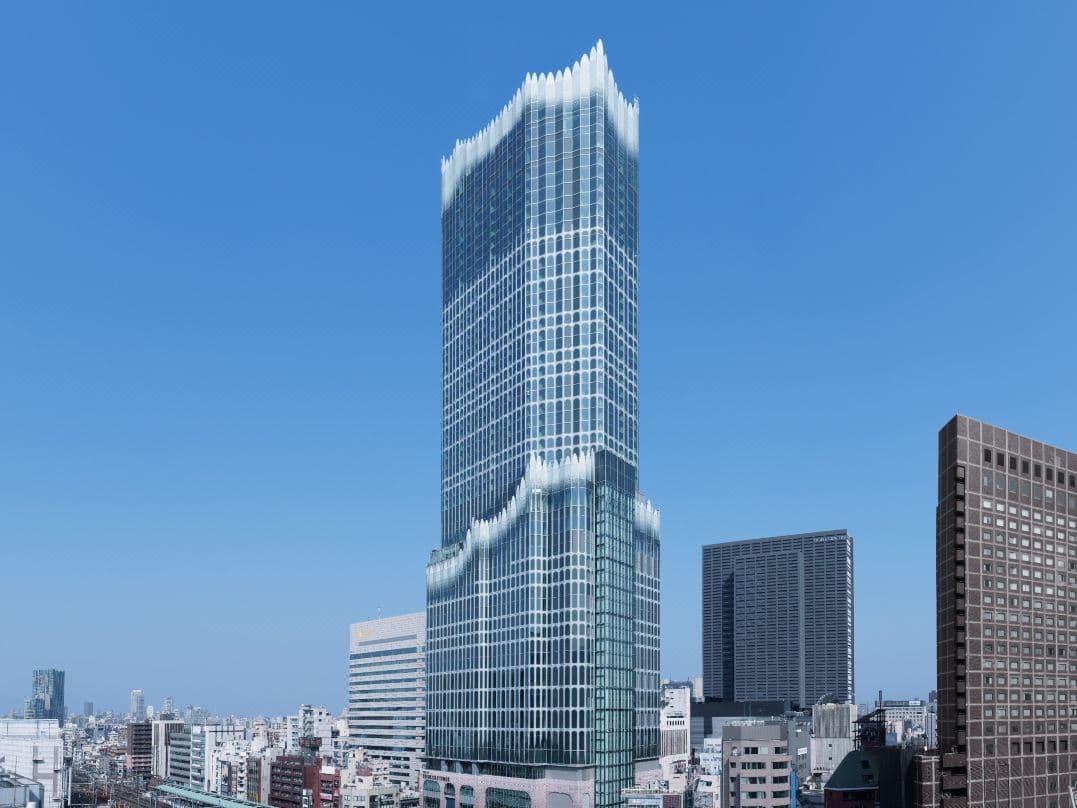
Shinjuku’s Kabukicho is a neon-drenched assault on the senses, but Bellustar Tokyo, perched atop the Tokyu Kabukicho Tower, offers a masterclass in vertical dissociation. The arrival ritual is a distinct decompression: a hushed elevator ride to the 18th-floor lobby that instantly strips away the grit of the red-light district below. Up in the clouds—specifically floors 39 through 47—the design sheds expected ryokan tropes for a moody, cinematic minimalism. Think dark wood, brass fixtures, and seven-meter-wide floor-to-ceiling windows that turn the Tokyo skyline into living wallpaper. Everything here is calibrated for the view. In the Junior Corner Suites, the soaking tubs are pressed right against the glass, offering a front-row seat to Mt. Fuji without the noise. Dining matches the altitude; at Restaurant Bellustar, the Modern French menu—highlighted by Hokkaido hair crab with red shiso—is executed with a precision that justifies the hotel’s 2025 Michelin Key. It is a surreal, silent fortress for those who want to witness Tokyo’s wild side without ever touching the floor.
“Book a treatment at SPA sunya on the 47th floor—they use rare Valmont products and, unlike most Tokyo luxury spas, the treatment rooms offer high-altitude skyline views rather than being tucked in a windowless basement.”
Insider TipAvg. Nightly Rate
700USD
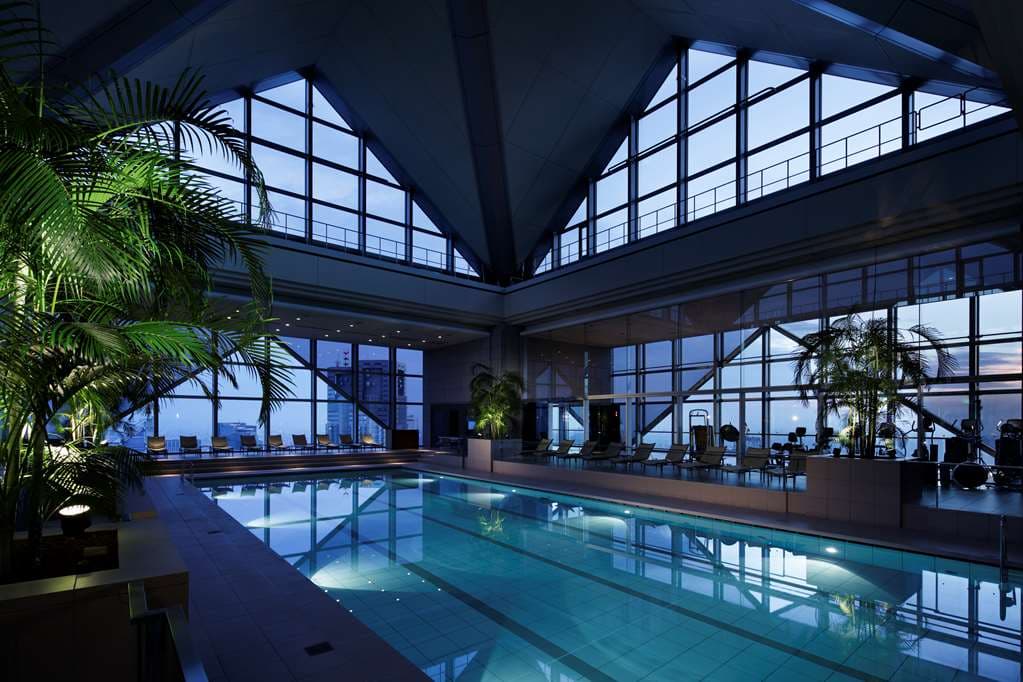
When the Park Hyatt Tokyo announced its closure in 2024, the collective anxiety was palpable. Would the soul of this 'Lost in Translation' icon be scrubbed away by generic beige luxury? Exhale: the 2025 renovation by Jouin Manku is a triumph of preservation over reinvention. The hotel feels less like a renovated property and more like the modernist private residence it was always meant to be. The 55-square-meter entry-level rooms have shed their 90s control panels for intuitive tech and softer, warmer lighting, yet the deep soaking tubs still frame the Kanto Plain exactly as you remember. The 47th-floor pool remains a glass-pyramid cathedral of calm, unmatched for swimming laps at blue hour. Dining is where the pulse quickens; the New York Grill is back, serving olive-fed Wagyu that rivals any steakhouse in Manhattan, while the New York Bar retains its moody, jazz-soaked gravity. The 'L.I.T.' cocktail is a cheeky nod to the film, but the view of the neon sprawl remains the real intoxicant. **Verdict:** The Grand Dame hasn't just had a facelift; she has been reincarnated with her cinematic soul intact.
“Skip the evening cover charge at New York Bar by booking an early dinner at the Grill. For breakfast, the Japanese set at Kozue offers a quieter, Fuji-facing alternative to the buffet.”
Insider TipAvg. Nightly Rate
1200USD
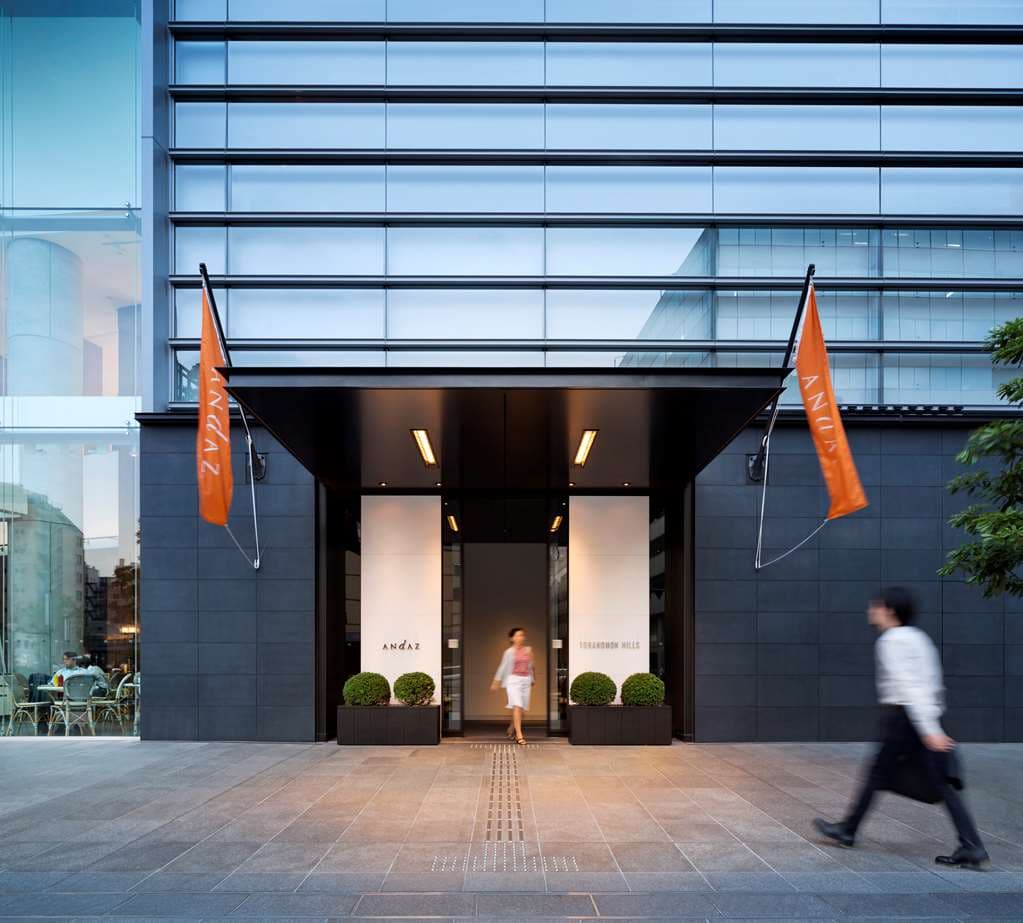
Ascending to the 51st floor of Toranomon Hills, the city noise dissolves into a masterclass of high-altitude Zen. The Andaz Tokyo shuns typical gold-leaf opulence for a sophisticated aesthetic designed by Tony Chi and Shinichiro Ogata, utilizing Hokkaido walnut and washi paper to frame the skyline. The experience begins in the elevators, clad in intricate 'White Distilling Boxes' art, setting a surreal tone before you even reach the lobby. Rooms are defiant in their proportions—starting at a massive 50sqm—and feature circular deep-soaking tubs that demand a long session while gazing out at the Imperial Palace or Tokyo Tower. The complimentary minibar is a welcome touch, but the real kinetic energy is found at the 52nd-floor Rooftop Bar. A semi-open design allows the Tokyo wind to whip past as you sip a Kiyohime Amazake cocktail, offering a visceral connection to the city that sealed glass boxes can't match. For dinner, The Tavern’s Snow Aged Beef tenderloin is non-negotiable. Recently awarded a **Michelin Key (2024)**, the Andaz proves that true luxury is space, silence, and a killer view.
“Skip the standard elevator gaze; look closely at the 'White Distilling Boxes' washi art inside. Also, the pool on the 37th floor offers a rare eye-level view of the Imperial Palace.”
Insider TipAvg. Nightly Rate
550USD
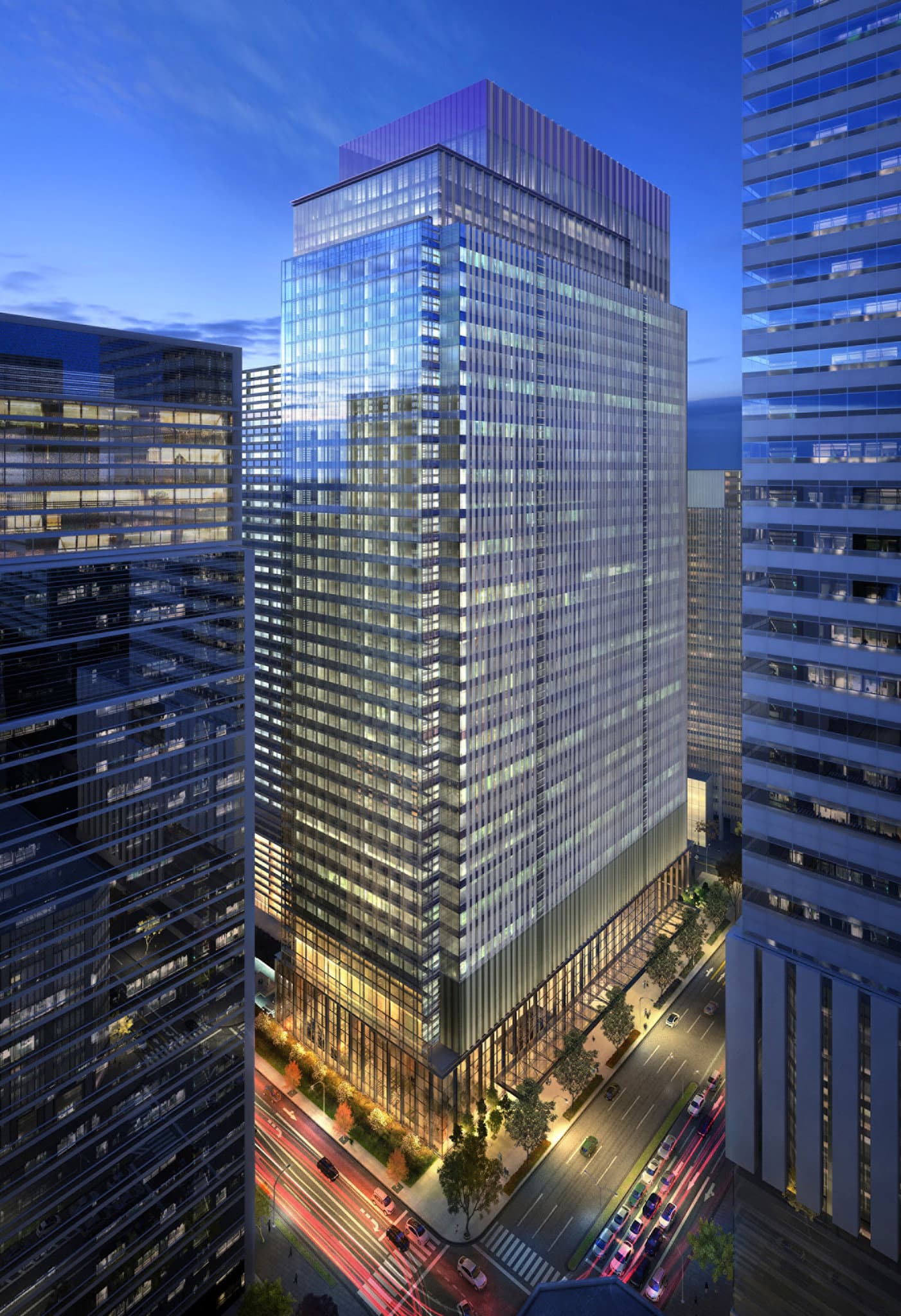
While the Aman down the street plays it dark and moody, the Four Seasons Otemachi—perched atop the 39th floor of the Otemachi One Tower—is all about light, water, and an almost defiant sense of openness. Jean-Michel Gathy’s design commands attention the moment the elevator doors part, revealing a shallow water feature that seems to spill directly into the Imperial Palace gardens below. It is a striking visual metaphor: the frenetic energy of Tokyo’s financial district washed away by altitude and aesthetic precision. The rooms are lessons in restraint, swapping heavy brocades for sliding screens and floor-to-ceiling glass. The standout detail isn't just the view of Mount Fuji (visible on crisp winter mornings), but the **Frédéric Malle 'Eau de Magnolia'** amenities—a sophisticated, citrus-floral choice that lingers pleasantly unlike generic hotel soaps. Dining is equally serious. At **est**, Chef Guillaume Bracaval’s eco-conscious French cuisine shines, particularly the tofu 'cheese' which defies logic. Later, the **VIRTÙ** bar, helmed by the charismatic Keith Motsi, offers a 'Smoked Ume Fashioned' that justifies the ¥3,000 price tag. The only hiccup? The mirrored pool area, while photogenic, can feel disorienting and slightly slippery. But for a hotel that just clinched **3 Michelin Keys** (2025), it is a minor quibble in an otherwise flawless performance.
“Skip the crowded breakfast rush at PIGNETO (8:30–9:30 AM). Instead, order the Japanese breakfast set to your room; the tray is set up directly facing the Palace gardens for a private, uninterrupted view.”
Insider TipAvg. Nightly Rate
800USD
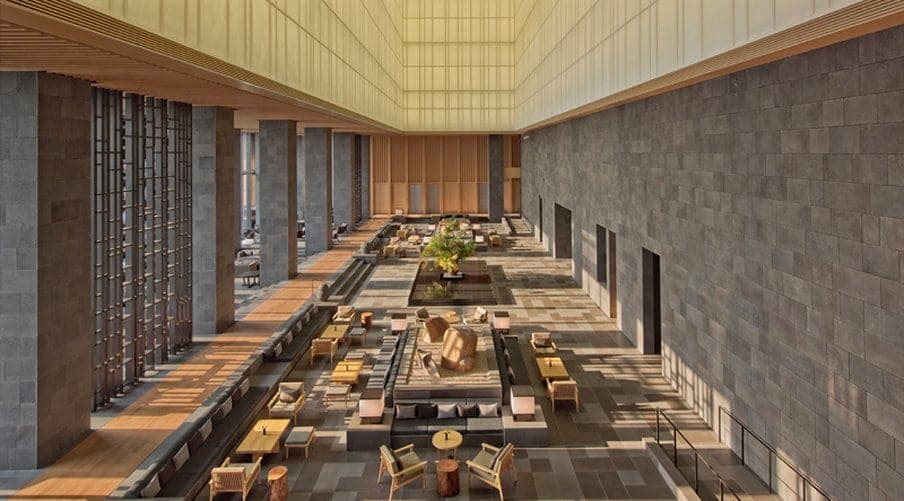
If Gotham City had a Zen Buddhist headquarters, it would look like this. Ascending to the 33rd floor of the Otemachi Tower, the elevator doors slide open not to a lobby, but to the interior of a colossal Japanese lantern. Designed by the late Kerry Hill, the soaring Washi paper ceiling dwarfs the frantic Tokyo skyline outside, instantly recalibrating your pulse to a meditative thrum. This is the Aman Tokyo effect: a fortress of solitude floating above the financial district. In a city where space is the ultimate luxury, the entry-level rooms (a sprawling 71 square meters) feel like scandalous indulgences. They are exercises in residential minimalism—think charcoal basalt stone, blonde camphor wood, and deep 'furo' soaking tubs positioned against floor-to-ceiling glass for voyeuristic views of Mount Fuji. Dining is equally theatrical; at Arva, the sea urchin pasta with tuna roe is a mandatory pilgrimage, while Musashi serves Edomae sushi with a precision that rivals the best Ginza counters. Is it perfect? Not entirely. The service can occasionally veer from 'discreet' to 'aloof,' and the lobby afternoon tea crowd sometimes disrupts the monastic vibe. Yet, when you are floating in the 30-meter black basalt pool, watching the city lights flicker on below like embers, you realize this isn't just a hotel—it’s the world’s most expensive sedative.
“Skip the crowded lobby afternoon tea. Instead, book a sunset swim in the 30-meter basalt pool—often empty around 5:30 PM—for a private view of Mt. Fuji fading into the twilight.”
Insider TipAvg. Nightly Rate
1800USD
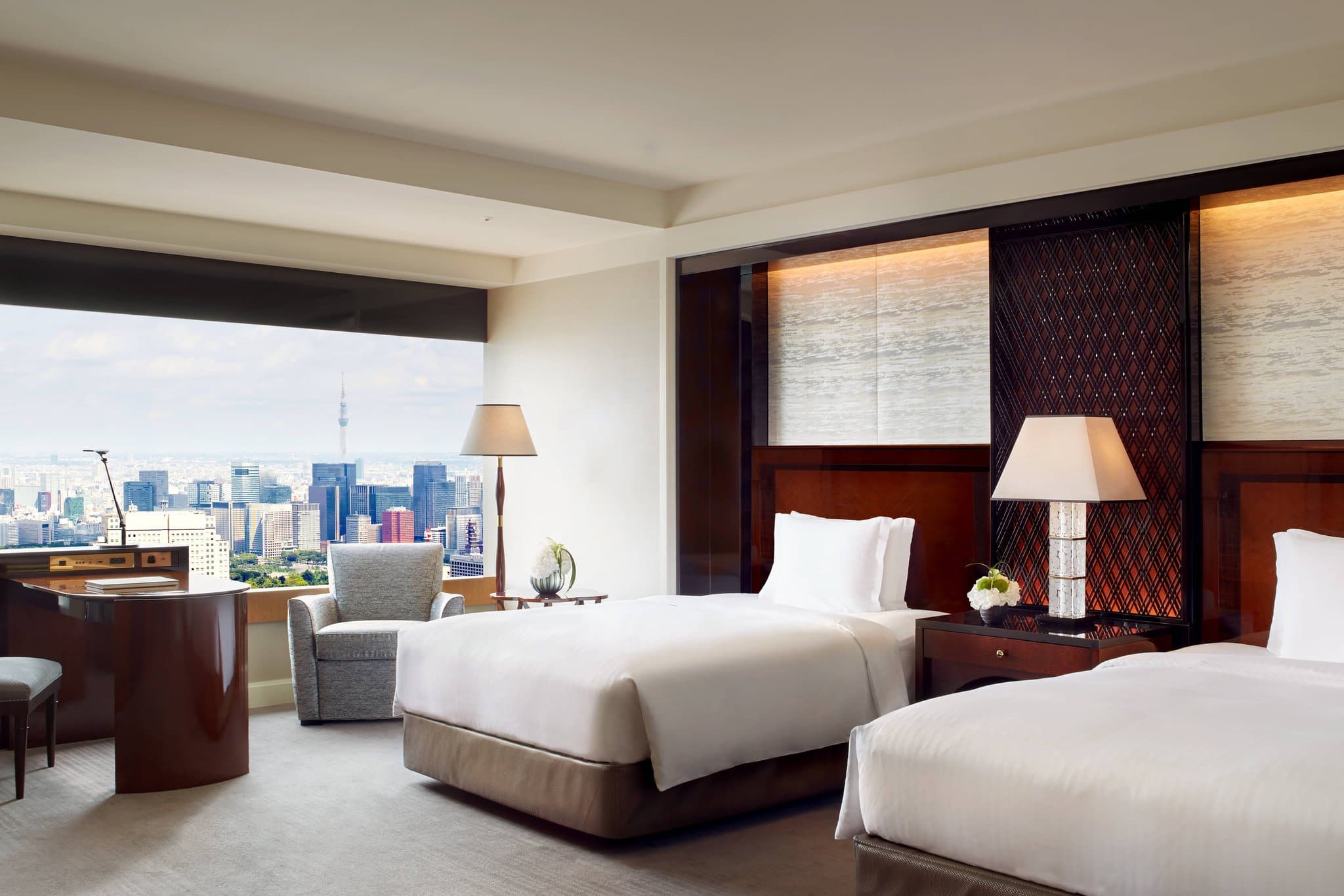
In a metropolis relentlessly chasing the 'next big thing,' The Ritz-Carlton, Tokyo remains a defiant, marble-clad argument for the establishment. Occupying the stratospheric upper reaches (floors 45–53) of the Midtown Tower, this is not a hotel for the tech-obsessed minimalist; it is a fortress of old-world grandeur in the sky. The arrival experience alone—a swift elevator ascent that deposits you into a 45th-floor lobby scented with black orchid and framed by floor-to-ceiling vistas of Mount Fuji—sets a tone of uncompromising scale. The rooms are, frankly, enormous. At 52 square meters, the 'standard' Deluxe King is larger than many Tokyo apartments, offering a rare commodity in this density-loving city: negative space. While the aesthetic leans towards heavy brocades and classic wood veneers rather than edgy design, the comfort is absolute, anchored by featherbeds wrapped in 600-thread-count Frette linens and deep soaking tubs that demand a glass of champagne. Dining has found a new edge with 'Héritage by Kei Kobayashi,' which recently netted a Michelin star for its modern French gastronomy—try the roast pigeon with liver sauce. It’s a property that trades cool for capability; a place where the concierge knows your name before you ask.
“Book a Club Level room. The 53rd-floor Club Lounge isn't just a seating area; it offers five distinct culinary presentations daily and arguably the best uncrowded sunset views of Fuji in the city.”
Insider TipAvg. Nightly Rate
965USD
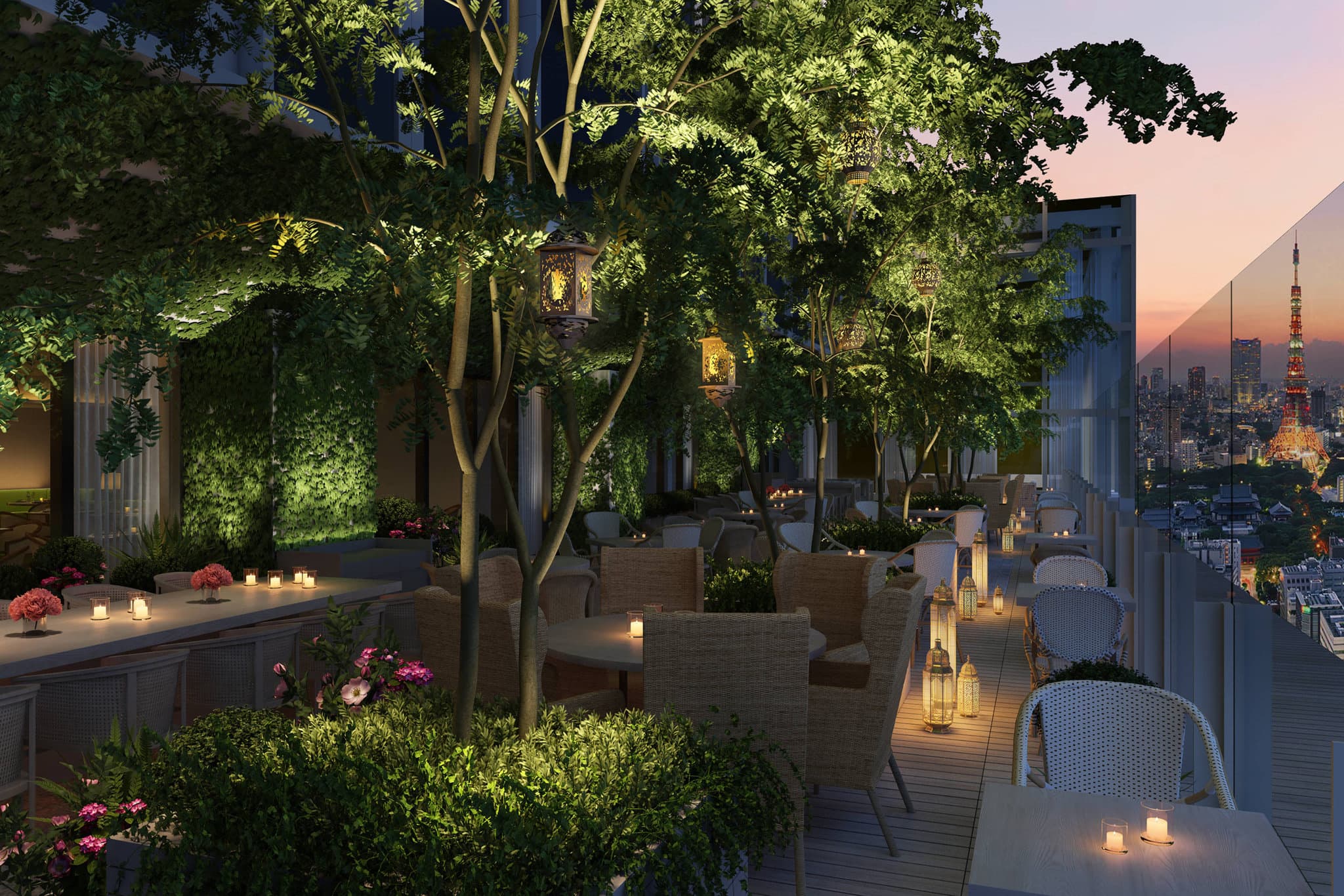
Ascend to the 31st floor and the frantic pulse of Toranomon falls away, replaced by a Kengo Kuma-designed forest in the sky. Here, over 500 potted plants crowd the lobby, framing a view of Tokyo Tower so close it feels illicit. This is Ian Schrager’s Tokyo debut, and it refuses to be just another polite luxury hotel. The air is thick with the custom Le Labo Black Tea scent, a signature that signals you’ve entered the Edition universe—a place where the crowd is as curated as the art. The rooms offer a monastic counterpoint to the lobby’s social buzz. Think light oak slats, low-slung cream furniture, and faux-fur throws that add a tactile warmth to the minimalism. While the two-step elevator journey to guest floors can test your patience, the payoff is a silence that feels expensive. The windowless pool is a rare design stumble—skip it. Instead, focus your energy on The Jade Room, where chef Tom Aikens’ fire-roasted celeriac carpaccio with truffle proves that vegetables can anchor a menu. Afterward, descend to the street-level Gold Bar. Dark, moody, and serving a Wagyu beef cutlet sandwich that destroys any late-night craving, it’s the antithesis of the airy lobby. The verdict? A stunningly cool visual triumph that forces you to relax, cocktail in hand, eye-level with the glowing red steel of Tokyo Tower.
“The 'Garden Terrace' closes during winter (Nov–Mar), so if you're visiting then, book a 'Tower View' room—it is the only way to guarantee that iconic red-steel backdrop without braving the cold.”
Insider TipAvg. Nightly Rate
760USD
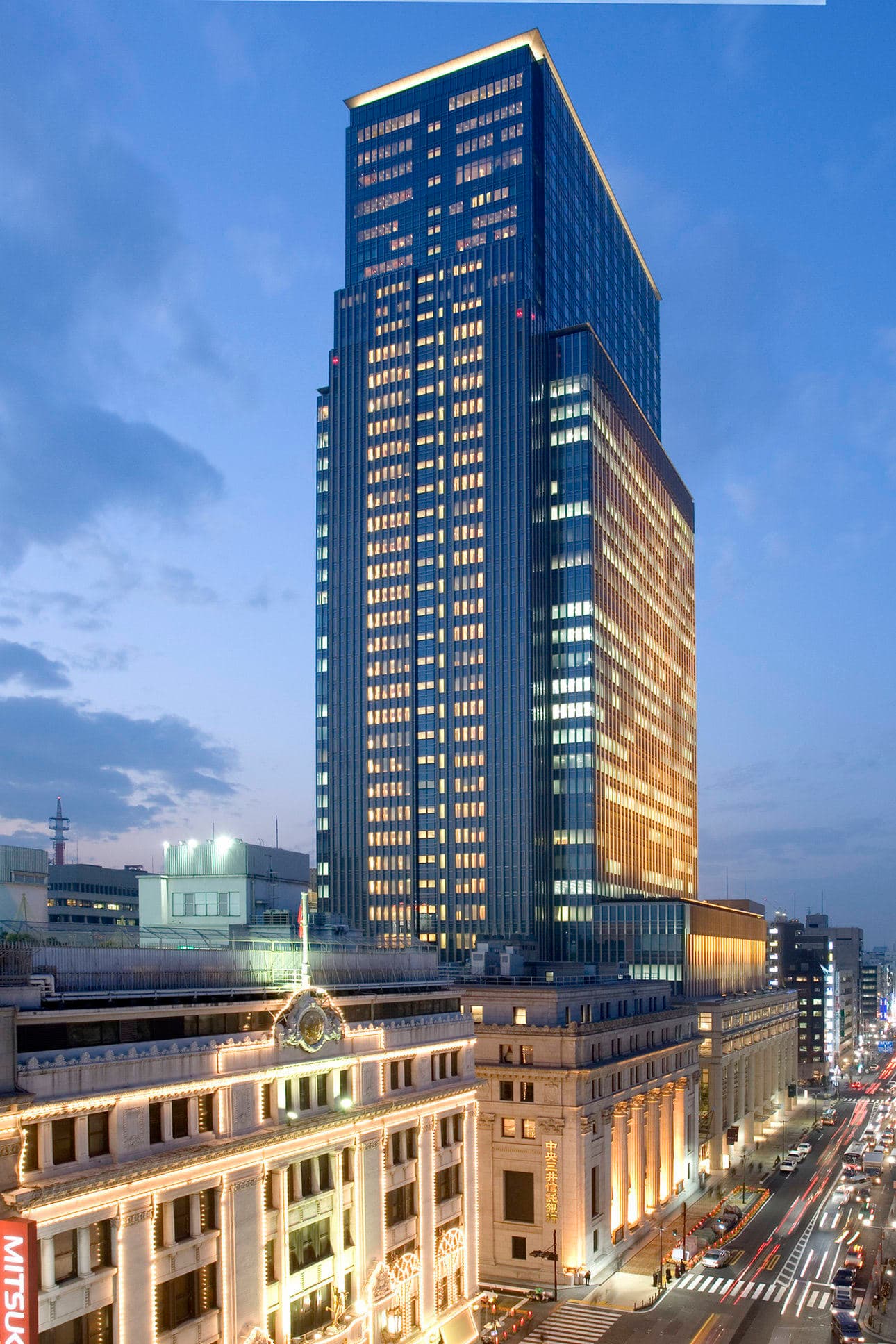
Forget the street-level chaos. At the Mandarin Oriental, Tokyo, you don't just check in; you ascend. The express elevator shoots you straight to the 38th-floor lobby, where a wall of glass framing the Skytree instantly recalibrates your pulse. Located in the historic Nihonbashi financial district, this property masters the art of vertical luxury, feeling less like a hotel and more like a private observation deck. The 2019 'Woods and Water' design refresh banished any lingering corporate beige, introducing wisteria-embroidered headboards and kinetic textiles. The bathrooms remain the real showstoppers—glass-walled 'loos with a view' that allow you to gaze at the glittering metropolis while scrubbing down with Natura Bissé amenities. Dining here is a competitive sport. The Pizza Bar on 38th—an intimate eight-seat marble counter—currently holds the title of the #1 Pizzeria in Asia-Pacific. Chef Daniele Cason’s 48-hour fermented dough is light enough to justify the full omakase tasting menu. The only caveat? There is no swimming pool, a rarity for this price point. However, the 'Spa in the Sky' compensates with a hydrotherapy vitality pool and an amethyst crystal steam room that offers better therapy than laps ever could. **Verdict**: For gourmands and skyline junkies, this is Tokyo’s peak.
“The Pizza Bar on 38th is notoriously hard to book. Email the concierge two months in advance to snag one of the eight seats for the lunch omakase.”
Insider TipAvg. Nightly Rate
539USD
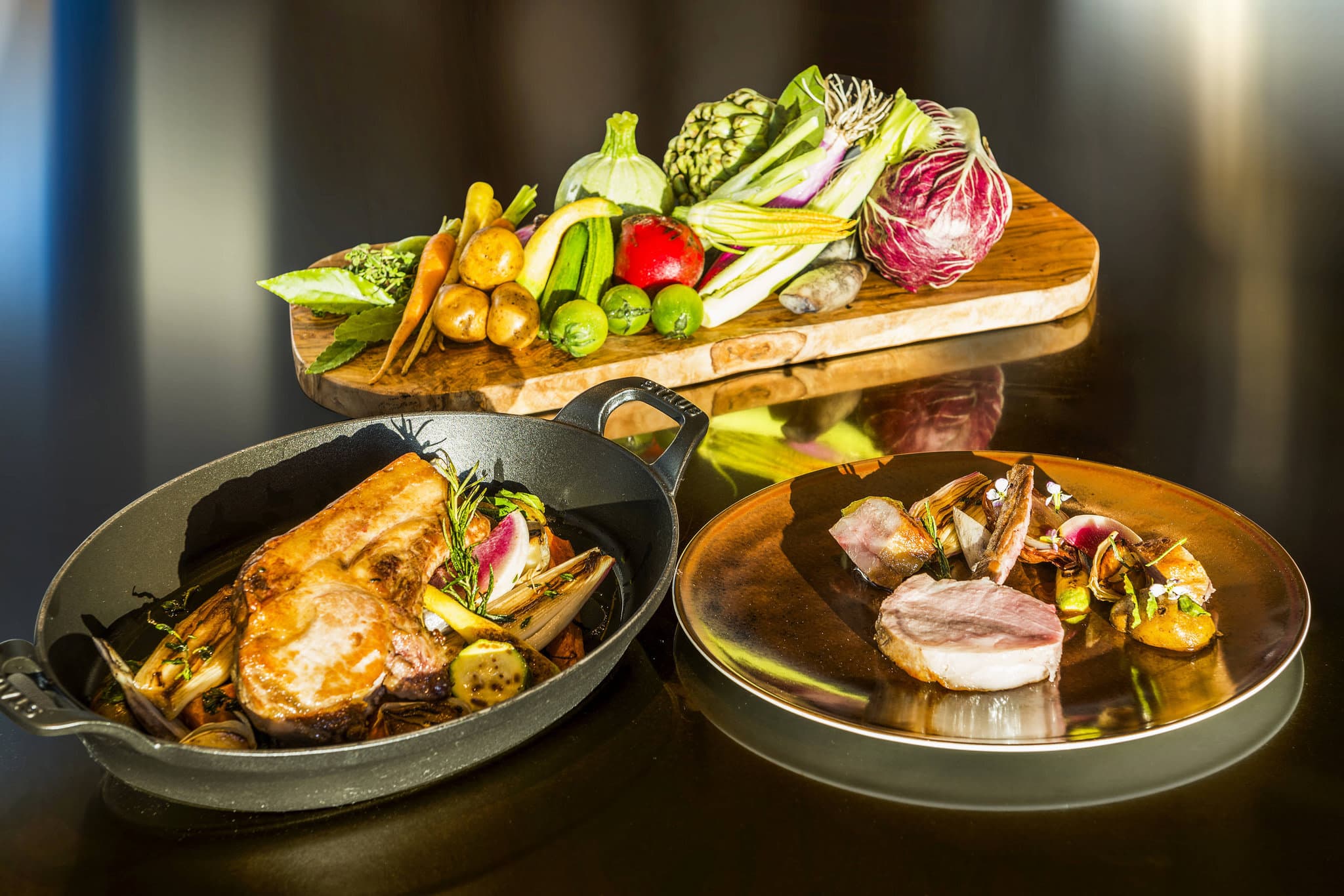
If Tokyo is a city of density, The Prince Gallery Kioicho is its ethereal antidote. Perched on the top seven floors of the Tokyo Garden Terrace tower, the design brief here was 'Levitation,' and it’s executed with vertigo-inducing precision. The arrival experience alone—a neon-framed, glass-walled ascent to the Sky Lobby—feels less like checking in and more like boarding a spacecraft. The rooms are the main event. Forget heavy drapes and carpets; here, it’s all glass and white minimalism. The signature window daybeds are pressed right against the floor-to-ceiling glass, offering an illusion of floating freely above the Akasaka streets. It’s a terrifyingly beautiful vantage point for watching the city’s kinetic energy without hearing a sound. Dining leans into the theatrical. At WASHOKU SOUTEN, the 'JAPONISM Wa' course pairs Kagoshima Black Beef with projection mapping—gimmicky, perhaps, but the culinary execution holds up. For drinks, the Sky Gallery Lounge Levita is a kaleidoscopic glass canyon where the Matcha Tiramisu is as photogenic as the skyline. It’s not flawless. The double-elevator commute (ground to lobby, lobby to room) tests patience, and Bonvoy loyalists should note that Platinum elites are strictly excluded from the Club Lounge—a rare hard line in the Marriott portfolio. But for those seeking high-design over heritage, this is Tokyo’s most photogenic sanctuary. **Verdict**: A visual masterpiece for the design-obsessed who prefer skyline drama over traditional omotenashi.
“Book a Grand Deluxe Premier King specifically for the window nook daybed—the standard Deluxe rooms lack this signature 'floating' feature.”
Insider TipAvg. Nightly Rate
530USD