No. 01
YangzhouYangzhou888 verified reviews
9
.6
Bitvoya Edit
Layering imagery, place, and detail before the page opens.
In Yangzhou, relaxation is not just a pastime; it is a centuries-old ritual enshrined in the local saying, 'In the morning, the skin covers the water (dumplings); in the evening, the water covers the skin (bath).' As you wander through the misty willows of the Slender West Lake district or the historic lanes of Guangling, you will discover that the city's hospitality is anchored in its water. Today, this tradition has evolved. The rustic bathhouses of the past have transformed into 'Modern Temples' of wellness—luxury hotels like the Yangzhou State Guesthouse and Tsingpu Yangzhou Retreat. Here, the ancient art of the Yangzhou scrub meets contemporary design, offering travelers a sanctuary where history and hydrotherapy merge seamlessly.
Yangzhou is universally recognized as the capital of bath culture in China. The concept of the 'Modern Temple' refers to the elevation of this daily ritual into a luxury experience. Unlike standard spas, the properties listed in our curated collection, such as the Yangzhou Seclusive Life Hot Spring Resort, integrate the city's famous 'Three Knives' heritage (specifically the pedicure and grooming techniques) with 5-star amenities. Staying here means participating in a cultural immersion where the mineral-rich waters and expert craftsmanship rejuvenate both body and spirit.
When booking a stay at these 'Modern Temples,' expect more than just a swimming pool. Properties like the Shangri-La Yangzhou and DoubleTree by Hilton Yangzhou often feature extensive wellness centers. The quintessential experience involves a pre-soak in hot springs or heated pools, followed by the renowned Yangzhou rub-down (an exfoliation technique that is firm yet invigorating), and concluding with a pot of local green tea in a relaxation lounge. Whether you choose the artistic solitude of Tsingpu Yangzhou Retreat or the grand scale of Changqing International Hotel, the focus remains on the therapeutic power of water.
It refers to the evening ritual of soaking in bathhouses or hot springs to relax, contrasting with 'Skin Covers Water' (eating soup dumplings) in the morning.
Yangzhou Seclusive Life Hot Spring Resort and the Yangzhou State Guesthouse are top choices for integrated luxury bath and spa experiences.
Yes, most 5-star hotels like Shangri-La Yangzhou and Crowne Plaza offer traditional Yangzhou exfoliation and massage services within their spa centers.
Explore our complete curated list of luxury accommodations, from boutique hideaways to grand dames.
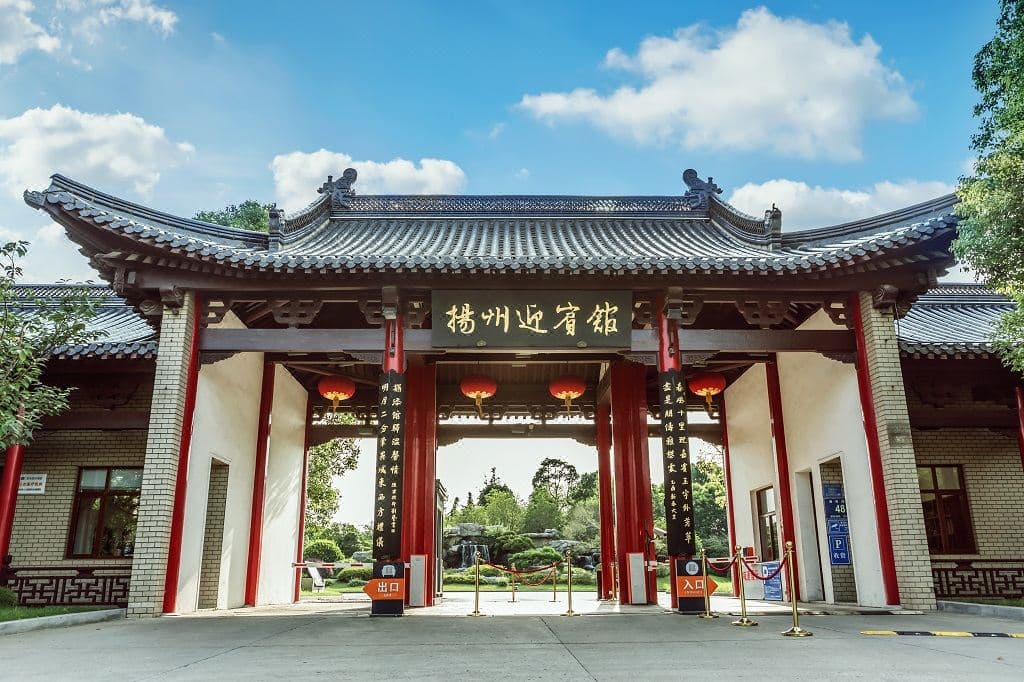
Explore All Yangzhou HotelsIgnore the bureaucratic moniker. While 'State Guesthouse' suggests stiff collars and diplomatic cables, this sprawling compound is actually the best-kept secret in Jiangnan hospitality—provided you know which key to grab. You’re here for Building 18 or 8; these modern wings banish the ghosts of government aesthetics with crisp, contemporary design that rivals any Mandarin Oriental. The real flex here isn't just the 400-thread count linens, but the access. While tourists battle shoulder-to-shoulder on the public bridges, you’ll slip through a private guest-only gate directly into Slender West Lake for a sunrise stroll that feels exclusively yours. Wellness is taken seriously: the pool is a rare, Olympic-sized indoor cathedral filled with genuine hot spring mineral water, not just chlorinated tap. Dining is the headliner. The on-site Quyuan Teahouse holds two Black Pearl diamonds (China’s Michelin equivalent), serving Crab Roe Soup Dumplings that wobble with engineering perfection. Service can be reactive rather than proactive—don't expect the telepathic anticipating of needs you'd find at an Aman—but the sheer grandeur of the grounds makes up for the occasional fumble. It is grand, historic, and surprisingly sexy.
“Book a table at Quyuan Teahouse immediately upon check-in to bypass the notorious 2-hour morning queue. Request a room in Building 18 facing the garden for maximum tranquility.”
Insider TipAvg. Nightly Rate
80USD

In a city where ‘water wrap the skin’ is less a saying and more a civic religion, the Yangzhou Seclusive Life Hot Spring Resort attempts something audacious: silence amidst the steam. Designed by Liang Jianguo, the property eschews the gaudy gold of typical hot spring mega-complexes for a 'New Chinese Zen' aesthetic—think stark slate corridors, bamboo shadows, and a stillness that feels almost monastic until the black swans glide past your balcony. The real liturgy happens in the rooms. Skip the public pools; the private in-room stone tubs are the altar here. The geothermal water—rich in metasilicate and lithium—is startlingly silky, leaving skin feeling like it’s been prepped for a photoshoot. While the soundproofing occasionally betrays the filling of a neighbor’s tub, it’s a forgivable sin when you’re submerged in 40-degree bliss overlooking a private garden. Dining at Zui Yangzhou is non-negotiable; their Lion’s Head (a giant, tender pork meatball) is a masterclass in Huaiyang texture, dissolving on the tongue faster than your stress. Service is earnest, if occasionally unpolished, but for a true bather, this is the definitive modern sanctuary.
“Request a 'Waterside Suite' on the second floor to avoid the ground-level humidity and catch the best views of the resident black swans at dawn.”
Insider TipAvg. Nightly Rate
71USD
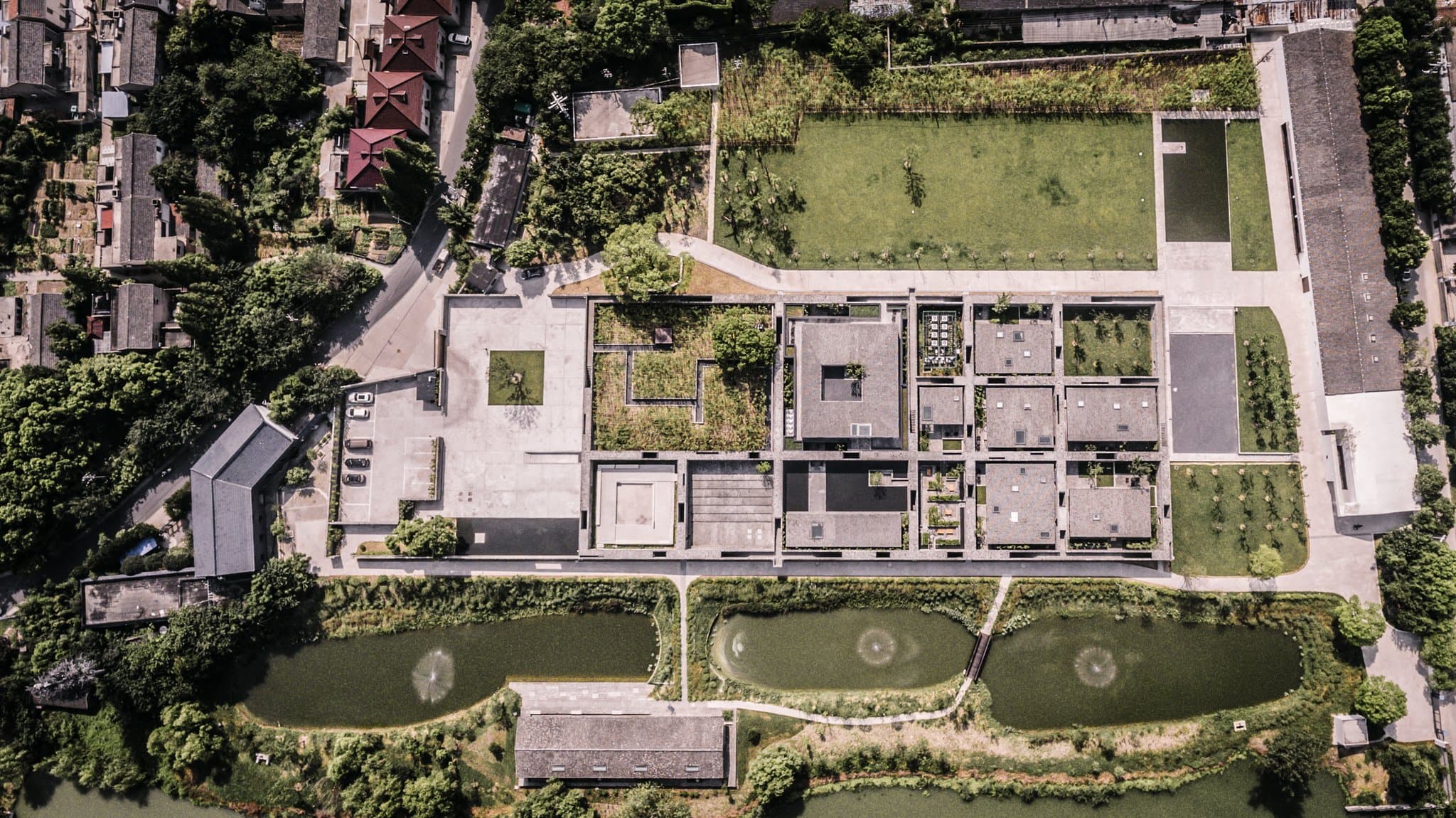
Forget the chaotic hedonism of public bathhouses; Tsingpu Yangzhou Retreat is an architectural fortress that demands silence. Designed by Neri&Hu, this 20-room compound completely reimagines the traditional Chinese courtyard house. It is not 'cozy' in the conventional sense—it is a striking, labyrinthine grid of reclaimed grey brick and poured concrete that feels less like a hotel and more like a habitable sculpture. The 'spa' here is strictly introverted. There is no communal thermal suite filled with strangers. Instead, the guest rooms serve as private sanctuaries, featuring deep, sculptural soaking tubs that dominate the space, accompanied by amenities that smell of sandalwood and smoke. You are here to steep in solitary confinement, not to socialize. Dining at 'Ta Xiang Chu' (The Restaurant) offers hyper-local Huaiyang cuisine—the Crab Roe Lion’s Head is mandatory eating—though the dining room’s hushed, cavernous atmosphere can feel slightly clinical for a raucous dinner. Service eschews white-glove hovering for cultural immersion; complimentary sessions of woodblock printing and fan painting feel surprisingly authentic. Beware: the uneven stone steps and lack of elevators make this a nightmare for the mobility-impaired, but for the design purist, the struggle is part of the aesthetic pilgrim's journey.
“Request the 'Artist Guest Room' located furthest inside the grid for maximum privacy and the best light-and-shadow play on the brickwork at noon.”
Insider TipAvg. Nightly Rate
215USD
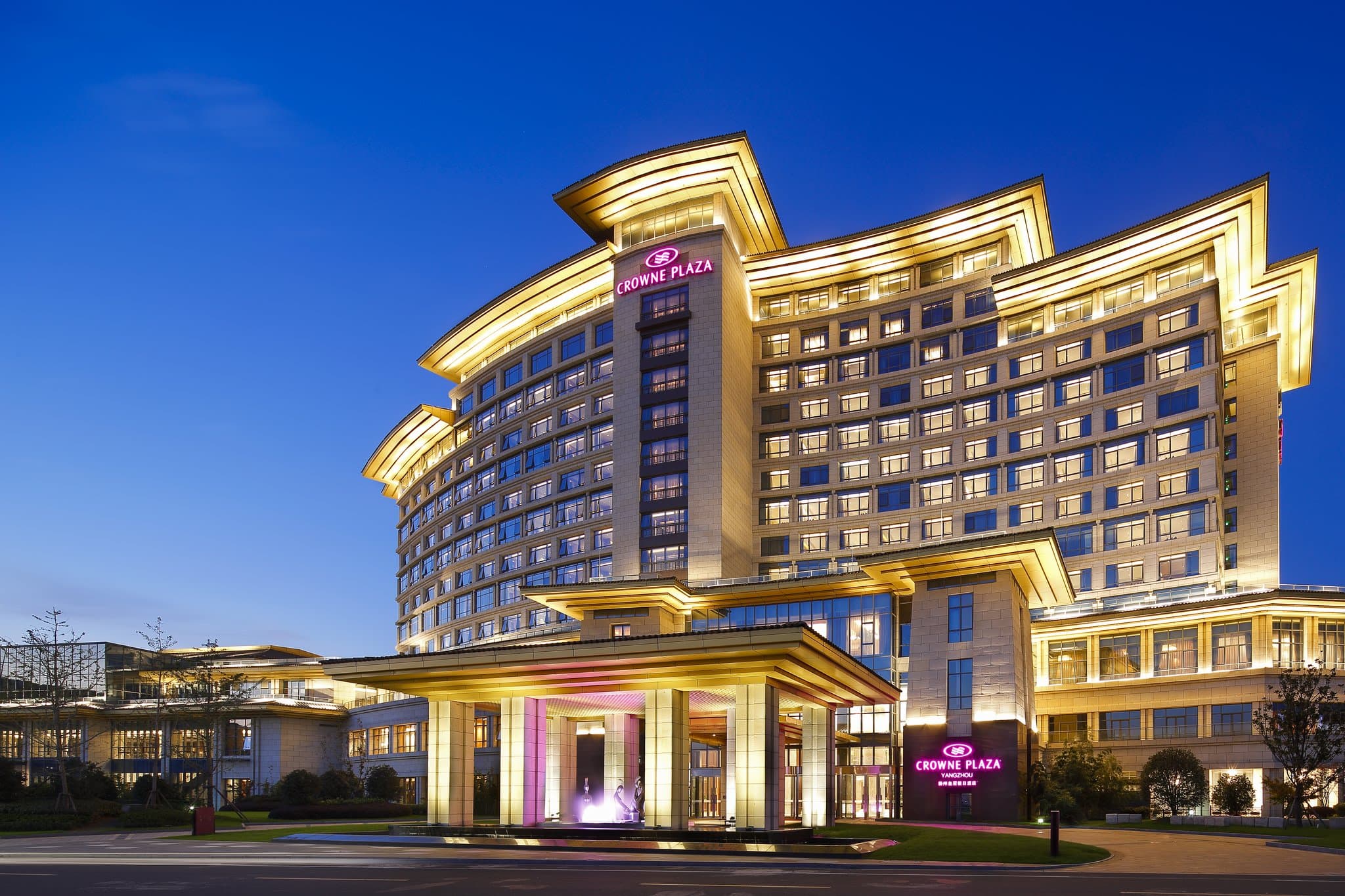
In a city defined by the Jinghang Grand Canal, the Crowne Plaza Yangzhou makes a formidable argument that the best water isn’t flowing outside, but strictly contained on the third floor. While the hotel’s Tang-style facade commands the riverbank with architectural bravado, the interiors admit a slightly older vintage—think classic business luxury rather than bleeding-edge boutique. Yet, for the aquatically inclined, this is irrelevant. The restorative core here is the 25-meter heated indoor pool: symmetrical, impeccably clean, and blissfully devoid of the playful chaos found in resort splash pads. It is a swimmer’s sanctuary. Post-laps, the recovery protocol demands calories. Skip the international buffet at Marine and head directly to Qing Yun Xuan. The kitchen executes Huaiyang classics with precision; the ‘Lion’s Head’ (braised pork balls) offers a textural richness that justifies the earlier cardio. Service adheres to the brand’s reliable standard—efficient and polite, though the hardware in the rooms, specifically the ventilation, occasionally betrays the building's age. Ultimately, you book this for the serious swim and the proximity to the canal, not for the latest Dyson gadgets or Le Labo bottles.
“Bypass the lobby bar for sunset; the 13th-floor Executive Lounge offers the only panoramic canal view worthy of a photograph.”
Insider TipAvg. Nightly Rate
57USD
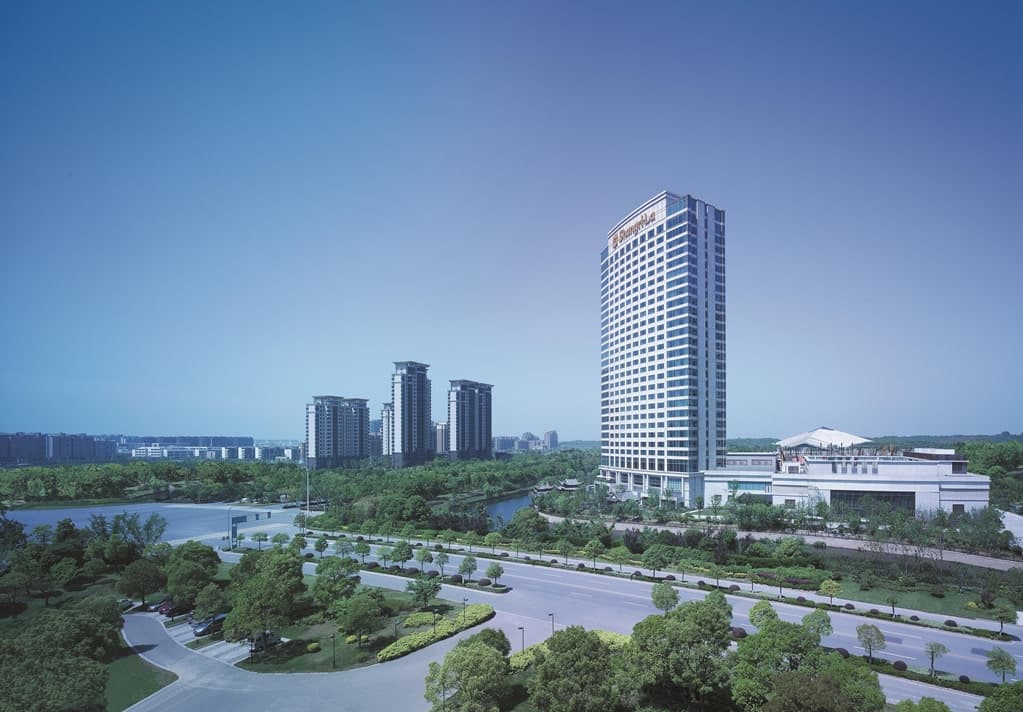
While Yangzhou is historically synonymous with communal bathhouse culture, the Shangri-La offers a sophisticated counter-narrative in the quiet West New City district. Anchored by the private Liuyuan Garden—a manicured scholar-style sanctuary devoid of the Slender West Lake megaphone crowds—this property functions less like a hotel and more like a decompression chamber. The sprawling 40sqm rooms with Mingyue Lake views are a quiet triumph, but the real draw here is the hydrotherapy. CHI The Spa elevates the local obsession with soaking into a clinical art form, utilizing Five Elements theories in private suites that feel worlds away from the city’s steam-filled public houses. Dining is equally serious. Shang Palace delivers the requisite 'New Huaiyang Three Heads' (the braised Lion’s Head meatball is impeccably light), while Café Xiu offers a jarringly delightful Durian cake that has developed a cult following. Service is uncommonly polished, with a concierge team that manages to be omnipresent yet invisible. It’s a place where the hardware might show a hint of patina since 2012, but the software—the service and the silence—is bulletproof.
“Skip the crowded city teahouses; book a window seat at Café Xiu in the late afternoon. The willow trees framing Mingyue Lake create the perfect backdrop for their signature flame-baked squid pizza.”
Insider TipAvg. Nightly Rate
73USD
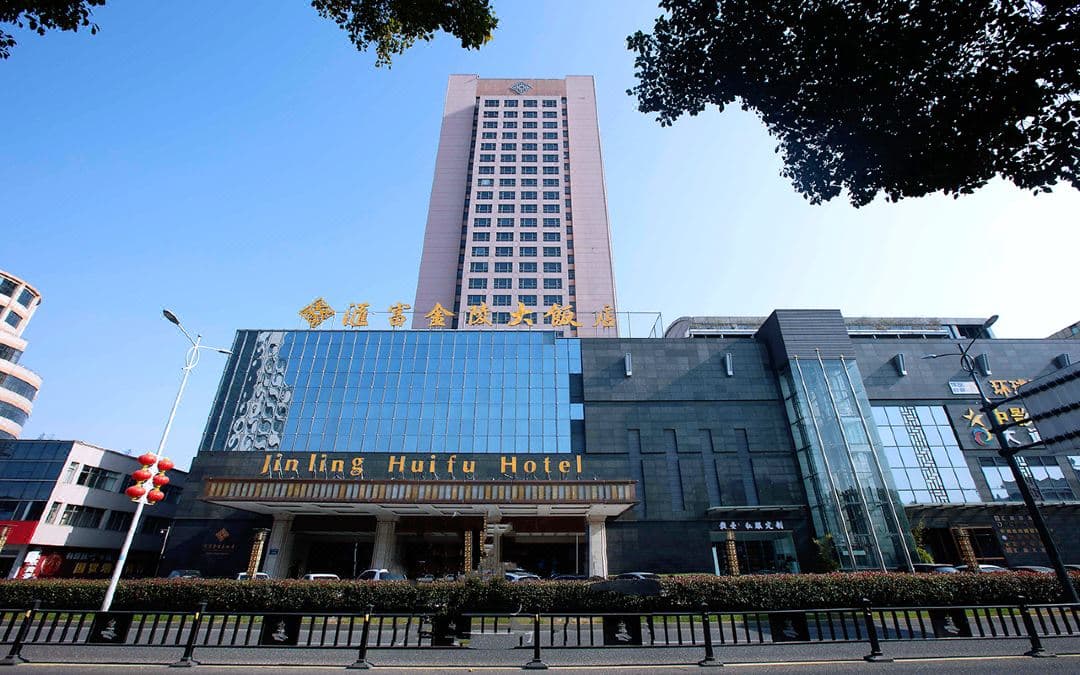
While Yangzhou proper draws the tourist hordes, the knowledgeable traveler heads north to Gaoyou, where the pace slows to the rhythm of the Grand Canal. The Jinling Huifu is the undisputed grand dame here—an architectural anchor in the city center that feels less like a hotel and more like a vertical observation deck for Gaoyou Lake. The lobby is an exercise in confident restraint, clad in beige marble and illuminated by warm, low-slung lighting that signals you’ve left the chaotic street level behind. Upstairs, the rooms are surprisingly crisp for an older property. Ignore the occasional scuff on the baseboards; you’re here for the floor-to-ceiling glass in the Executive Lake View suites. At sunset, the water turns into a sheet of hammered copper, best viewed while wrapped in the hotel's substantial terry robes. The real draw, however, is the culinary deep-dive. Skip the western attempts at Jin’s Cafe and head straight to the Chinese Restaurant on the 4th floor. The kitchen executes Huaiyang classics with military precision. The signature soft eel is texturally perfect—creamy, not mushy—and the Gaoyou double-yolk duck eggs are served with a reverence usually reserved for caviar. Service relies heavily on translation apps for non-Mandarin speakers, but the staff’s eagerness to please—manifested in nightly turndown treats and welcome fruit towers—transcends the language gap. It is a value-driven plunge into authentic Jiangsu hospitality.
“Book a table for breakfast before 8:30 AM to snag the fresh batches of 'Yangchun' noodles; ask the concierge specifically for a room on the 12th floor or higher facing west to catch the lake sunset.”
Insider TipAvg. Nightly Rate
45USD
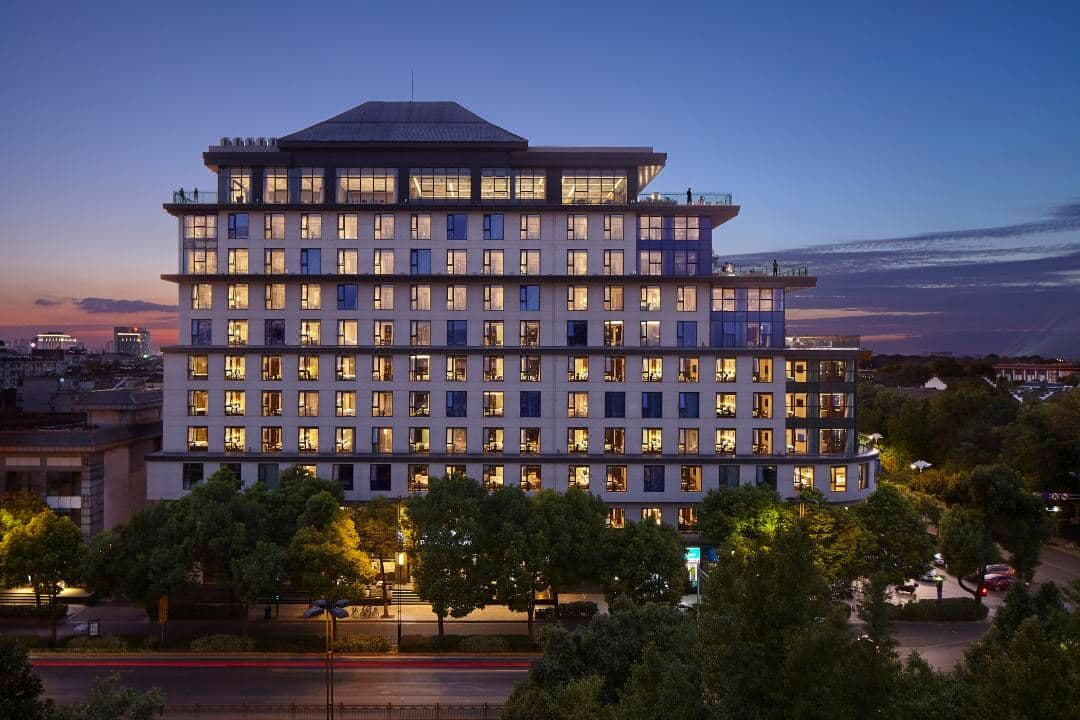
Yangzhou is a city defined by water—specifically the culture of the evening bath—and SSAW Boutique Hotel offers a precise, modern interpretation of this ancient ritual. Located a short stroll from the Wenchang Pavilion, this property eschews the sprawling grandeur of traditional resorts for a tighter, more intellectual hospitality experience. The vibe here is scholarly chic; the lobby’s 'Garden Library' sets a tone of quiet cultivation that extends to the tatami-style suites. Inside the rooms, the experience is dictated by high-tech efficiency and sensory detailing. You won't find a communal spa, but the in-room 'Morning & Night' essential oil program turns the deep soaking tubs into private sanctuaries, aided by Xiaodu voice control that manages the ambiance without you lifting a wet finger. The compact 22-square-meter entry-level rooms are masterclasses in spatial economy, though the smart toilets and high-pressure showers feel expansive. For dining, the Garden Restaurant (Huayuan) delivers a hyper-local Yangzhou Fried Rice that rivals the street vendors outside, alongside delicate Hot Shredded Tofu. Service is invisible until needed—efficiency that suits the business-leisure crossover crowd. It’s not a destination for a week-long sprawl, but for a restorative 48-hour immersion in Huaiyang culture, it is unmatched.
“Skip the street-level view. Head to the 9th-floor Sky Terrace at dawn; the sunrise over the glazed tiles of the old city offers the best photo op in Yangzhou without the crowds.”
Insider TipAvg. Nightly Rate
45USD
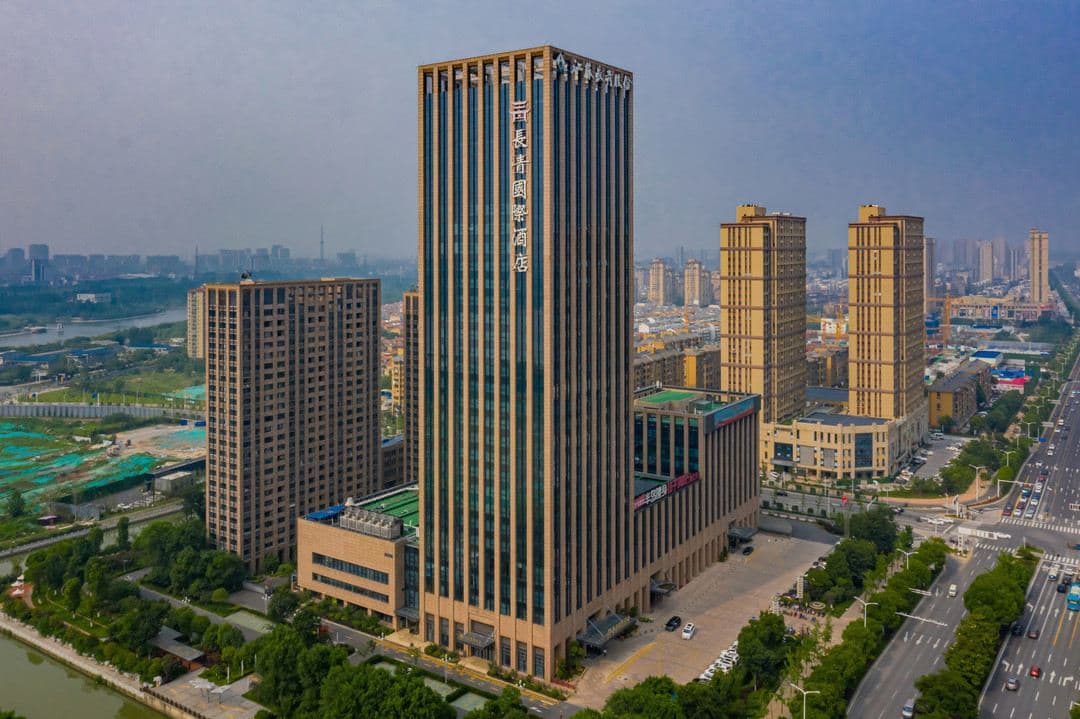
Forget the frantic selfie queues clogging Slender West Lake. The Changqing International Hotel is where the savvy suits and locals actually decompress. Located in the Jiangdu District, this property trades boutique pretension for sheer, unadulterated square footage. The aesthetic is monolithic—a grand lobby that feels more like a state capitol than a hotel—but the appeal here is functional luxury. The suites are cavernous; we’re talking two-bedroom layouts with dual bathrooms that allow you to separate your sleeping quarters from your late-night work crisis. While the Dyson hair dryers haven't made it here yet (expect a standard-issue blower), the crisp linens and absolute silence compensate. The real ritual happens downstairs. Skip the Western breakfast buffet—the cheese selection is tragic—and head straight to ‘Jianghuai Chun’. This is legitimate Yangzhou Morning Tea. The crab roe soup dumplings and fluffy steamed buns are not hotel imitations; they are the real, caloric deal. Cap the night in the indoor constant-temperature pool or the sauna. It’s not the Aman, but after a day of travel, this unpretentious giant delivers exactly what you need: space, silence, and exceptional soup.
“Book the Family Suite even if traveling solo—it’s often priced similarly to standard rooms elsewhere and offers double the bathroom space.”
Insider TipAvg. Nightly Rate
44USD
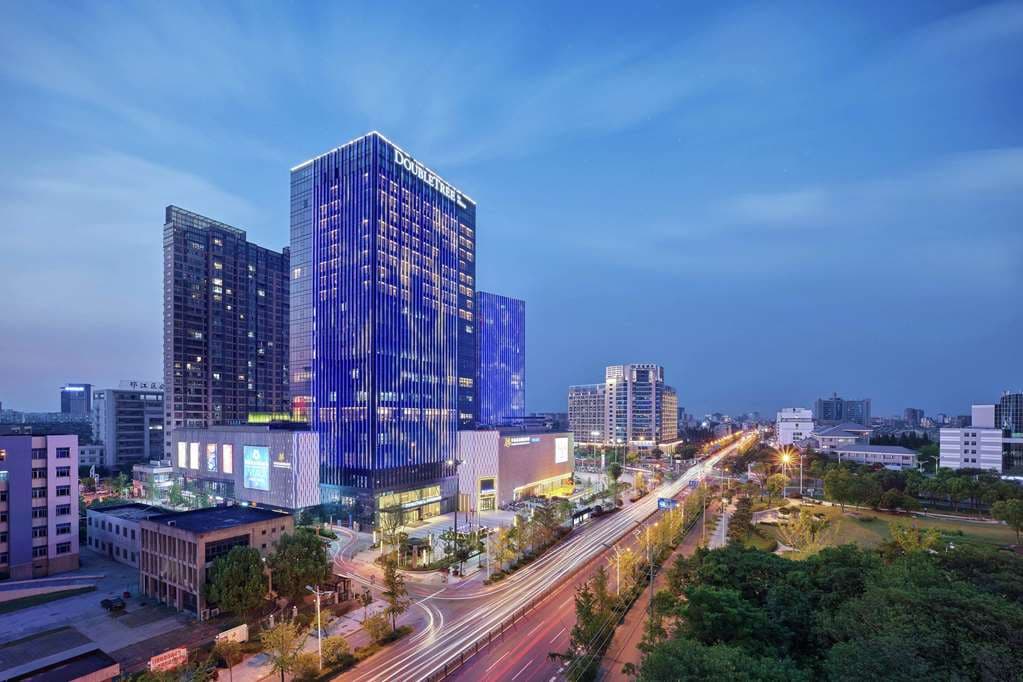
In a city historically revered for its 'morning tea and evening bath' culture, the DoubleTree by Hilton Yangzhou delivers a surprisingly deft modern interpretation of the latter. Anchoring theSansheng International Plaza, the property functions as a sealed sanctuary against the commercial hum outside. The arrival experience is standard DoubleTree—the warm chocolate chip cookie is non-negotiable—but the interiors quickly pivot to a quieter, domestic warmth. The rooms are designed for decompression, featuring sleek lines and bathrooms stocked with Crabtree & Evelyn amenities that encourage prolonged soaks, a private nod to the local *xiyu* tradition. The leisure floor is the hotel’s heartbeat; the heated indoor pool and whirlpool offer a aquatic respite that feels essential rather than decorative. Dining at Taste Café surprises by outshining its international buffet with local heavyweights—the Yangzhou Fried Rice and Lion’s Head Meatballs are executed with savory precision. Service here is the standout amenity, with staff members like Tina and Salina navigating language barriers with a grace that turns potential friction into genuine hospitality. It isn’t a lakeside resort, but for washing away urban fatigue, it is impeccable.
“Skip the room service for breakfast and snag a window seat at Taste Café; the city views pair perfectly with the local morning tea service.”
Insider TipAvg. Nightly Rate
60USD
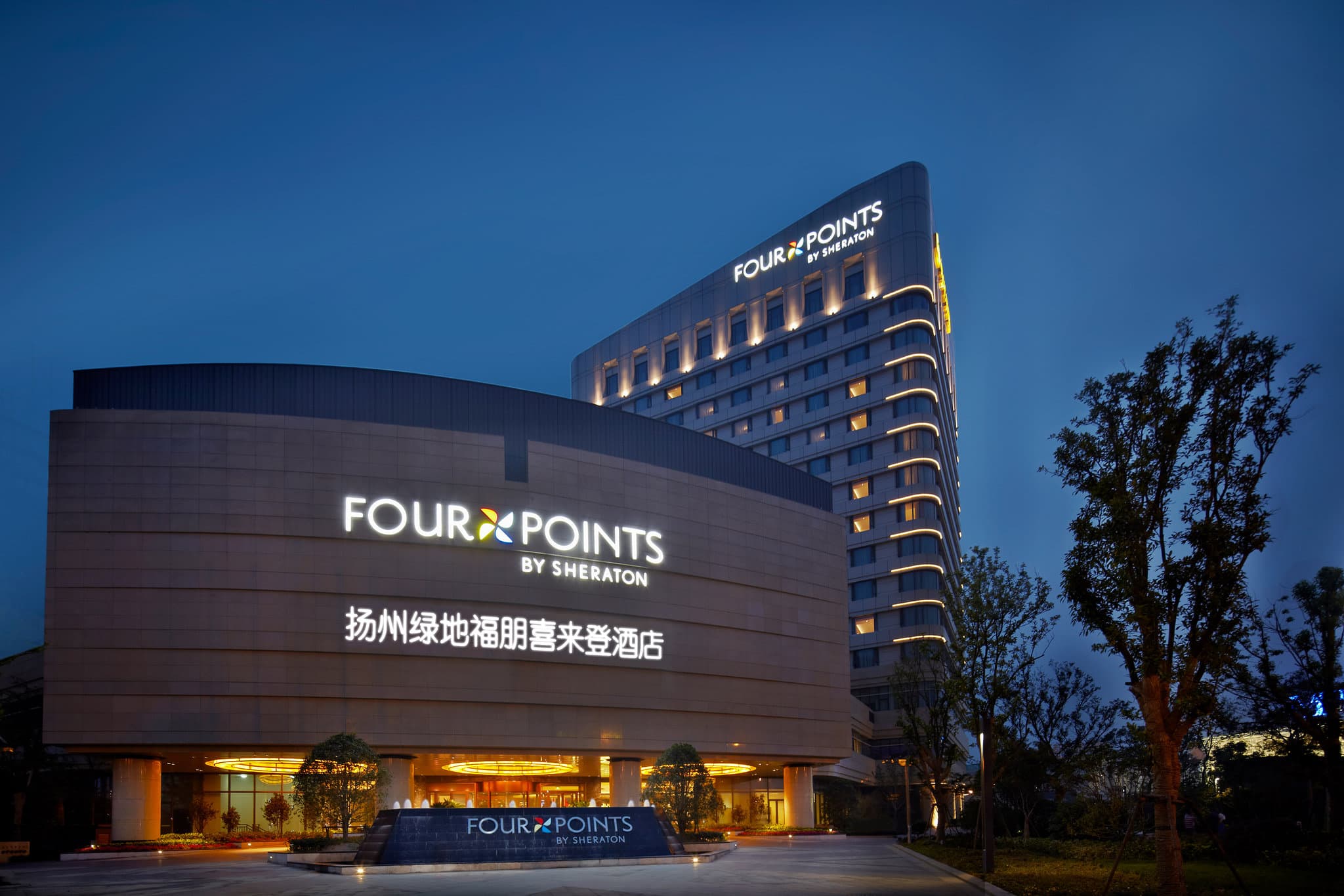
In a city where 'morning tea and evening bath' is a 2,500-year-old decree, The QUBE Hotel (formerly a Four Points) offers a decidedly slicker interpretation of the latter. Forget wooden buckets and drafty bathhouses; this is the Yangzhou bath reimagined for the corporate aesthete. The lobby’s organic metal chandelier sets a tone of structured fluidity that carries into the rooms—spaces defined by mid-2010s business efficiency, crisp 400-thread count linens, and a silence that belies the hotel's location near Wanda Plaza. The true draw, however, is the wellness sector. The indoor heated pool is a study in symmetrical minimalism, a 25-meter expanse of azure flanked by floor-to-ceiling glass that turns the city lights into a shimmering backdrop. It is here, and in the adjacent sauna and steam rooms, that the hotel earns its keep as a modern temple of hydrotherapy. Dinner requires a visit to China Spice (Ju Wei Xuan), where the Braised Pork Ball (Lion’s Head) is rendered with a gelatinous precision that rivals the old quarters. While the breakfast buffet at The Eatery can struggle with replenishment speeds during peak hours, the fresh Yangzhou noodles station remains a redeeming, steaming highlight. It’s not a heritage stay, but for reliable plumbing and high-pressure relaxation, it’s the district’s best bet.
“Request a room on the higher floors facing the garden for reduced road noise. Visit the pool after 9 PM for a near-private swim.”
Insider TipAvg. Nightly Rate
65USD