No. 01
Banjar Dukuh Desa Kelating. Kerambitan Indonesia 82161Bali1058 verified reviews
9
.8
Bitvoya Edit
Layering imagery, place, and detail before the page opens.
Bali’s landscape is not just a backdrop but a building material for the island’s most visionary architects. In this curated collection, we explore properties that dissolve the boundaries between the indoors and the wild outdoors. From the gravity-defying bamboo curves of The Kayon Jungle Resort in the misty ravines of Ubud to the dramatic volcanic stone walls of Alila Villas Uluwatu perched on southern limestone cliffs, these hotels are structural marvels. We journey from the regenerative designs of Desa Potato Head in Seminyak to the secluded 'no walls, no doors' concept at Buahan, a Banyan Tree Escape in the northern highlands, discovering how luxury finds its truest form in nature.
Bali stands at the global forefront of eco-luxury architecture. Unlike standard concrete high-rises, the "Green Giants" of Bali utilize indigenous materials—primarily locally sourced bamboo, volcanic batu candi stone, and recycled timber—to create structures that breathe. Staying at properties like Mandapa, a Ritz-Carlton Reserve or Four Seasons Resort Bali at Sayan offers more than just accommodation; it is an immersive lesson in biophilic design. These masterpieces adhere to the Tri Hita Karana philosophy (harmony between people, nature, and the divine), ensuring your stay supports sustainable tourism while providing world-class luxury.
Expect a sensory transformation. In these architectural marvels, air conditioning is often replaced or supplemented by clever cross-ventilation designs. At Buahan, a Banyan Tree Escape, the "no walls" concept means you wake up to the sounds of the forest unobstructed. You will encounter open-air lobbies, infinity pools that mimic rice terraces, and interiors furnished with handcrafted artisan pieces. These hotels redefine luxury not as gold and marble, but as space, silence, and seamless integration with the living environment.
These hotels, such as Green School-inspired resorts and Alila Uluwatu, use sustainable materials like bamboo and volcanic stone to integrate seamlessly with Bali's natural typography, following eco-luxury principles.
Yes, properties like The Kayon Jungle Resort combine bamboo architecture with 5-star amenities, including private pools, fine dining, and luxury spas, proving sustainability does not compromise comfort.
Ubud, specifically the Sayan and Payangan areas, is the premier location for jungle architecture, hosting masterpieces like Mandapa, Capella Ubud, and Buahan.
Explore our complete curated list of luxury accommodations, from boutique hideaways to grand dames.
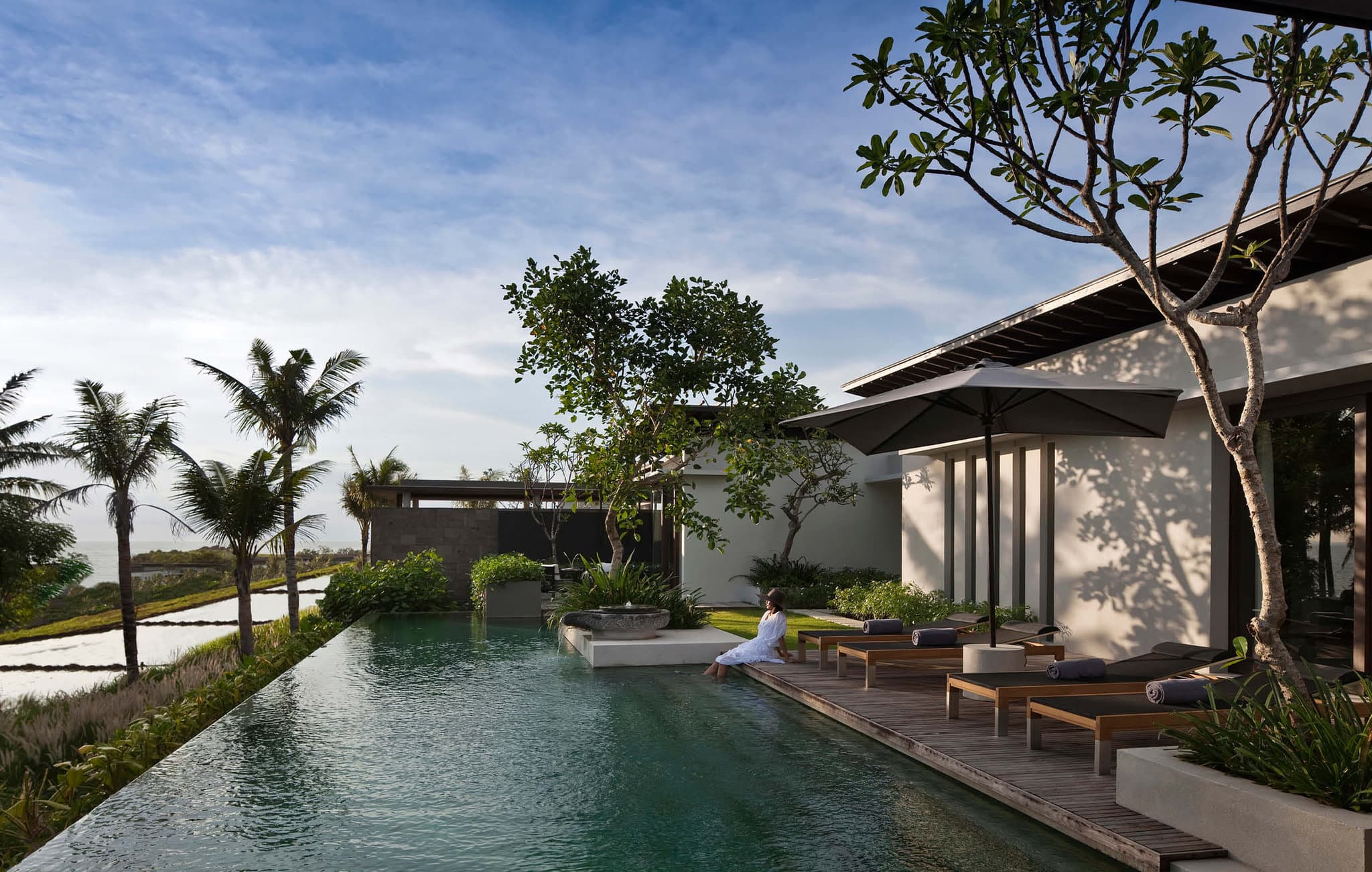
Explore All Bali HotelsForget the verdant, overgrown tropes of tropical design. Soori Bali is a cinematic study in contrast, where Soo K. Chan of SCDA Architects has erected a sanctuary of cool grey sandstone and volcanic Batu Candi against the jet-black sands of Kelating Beach. The arrival ritual alone sets the tone: a ginger-scented flannel and a silence so profound it feels heavy. Here, the villas are not merely rooms but 156-square-meter private compounds, each anchored by a private infinity pool that actually allows for swimming, not just plunging. The aesthetic is unapologetically moody—think brooding dark stones mitigating the equatorial heat—yet softened by the emerald embrace of surrounding rice paddies. Dining is a serious affair; skip the room service for a table at the newly refined Keiyo for omakase teppanyaki, or Cotta for the ceremonial Nasi Tumpeng Nusantara, a turmeric-scented tower that puts standard fried rice to shame. While the ocean is often too rough for a casual dip, the 50-meter infinity pool offers a glass-like alternative. It is isolated, yes—a 90-minute pilgrimage from Seminyak—but that distance creates a rare, unfiltered intimacy with Bali’s wilder southwest coast. **Verdict**: A masterclass in environmental modernism for those who prefer architecture over adrenaline.
“Book an Ocean Pool Villa on the ground floor for direct access to the black sand beach, but request the 'South Wing' for uninterrupted sunset views away from the main pavilion.”
Insider TipAvg. Nightly Rate
600USD
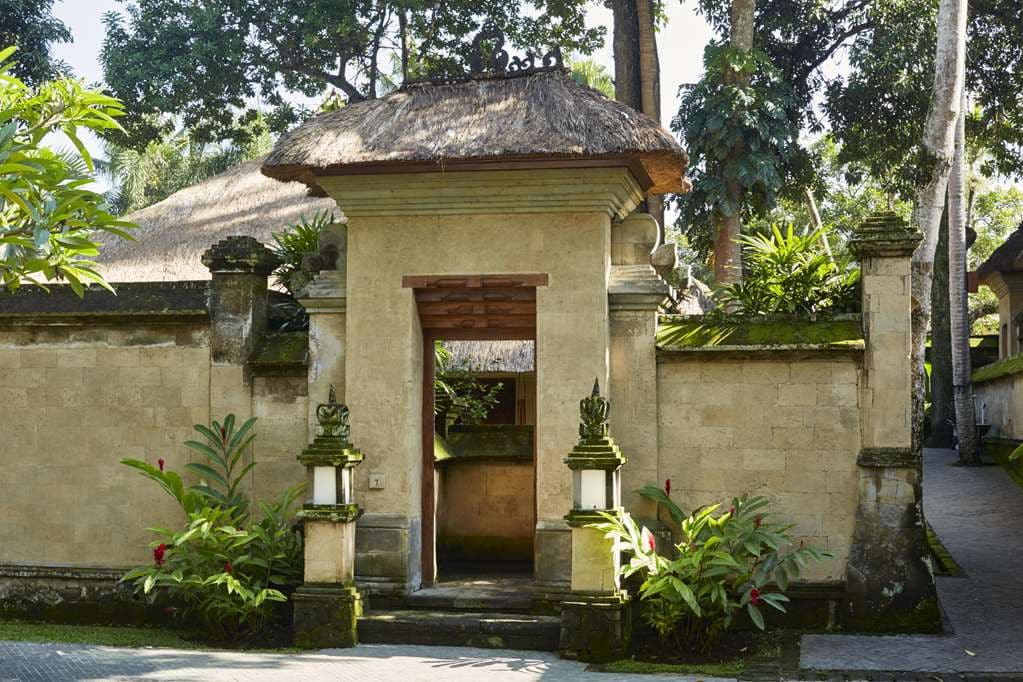
Thirty-five years ago, architect Peter Muller didn’t just design a hotel; he hallucinated a village into existence on the lip of the Ayung Gorge. While modern Bali screams for attention with cantilevered glass and floating breakfasts, Amandari whispers in paras stone and coconut timber. It remains the genre-defining eco-sanctuary, a place where moss-covered walls and river-stone walkways feel less like architecture and more like archaeology. The entry-level suites are humiliatingly large for 'standard' rooms—220 square meters of sliding glass and teak, opening onto private courtyards that smell of wet earth and frangipani. There are no televisions to break the spell; instead, the soundtrack is the distant roar of the river and the gamelan orchestra practicing in the lobby wantilan. Dining at The Restaurant is an lesson in restraint. Ignore the western menu and order the Sate Lembat—minced duck satay that tastes of galangal and history—followed by the Timbungan Sapi. Service is classic Aman: telepathic, unscripted, and almost unnervingly invisible. Yes, the hardware shows its age compared to the shiny new Ritz-Carlton Reserve down the road, but Amandari possesses a spiritual gravity that new money simply cannot buy.
“Request Suite 14 or 15. They are widely considered the most private, with infinity-edge pools that seem to drop directly into the jungle canopy.”
Insider TipAvg. Nightly Rate
726USD
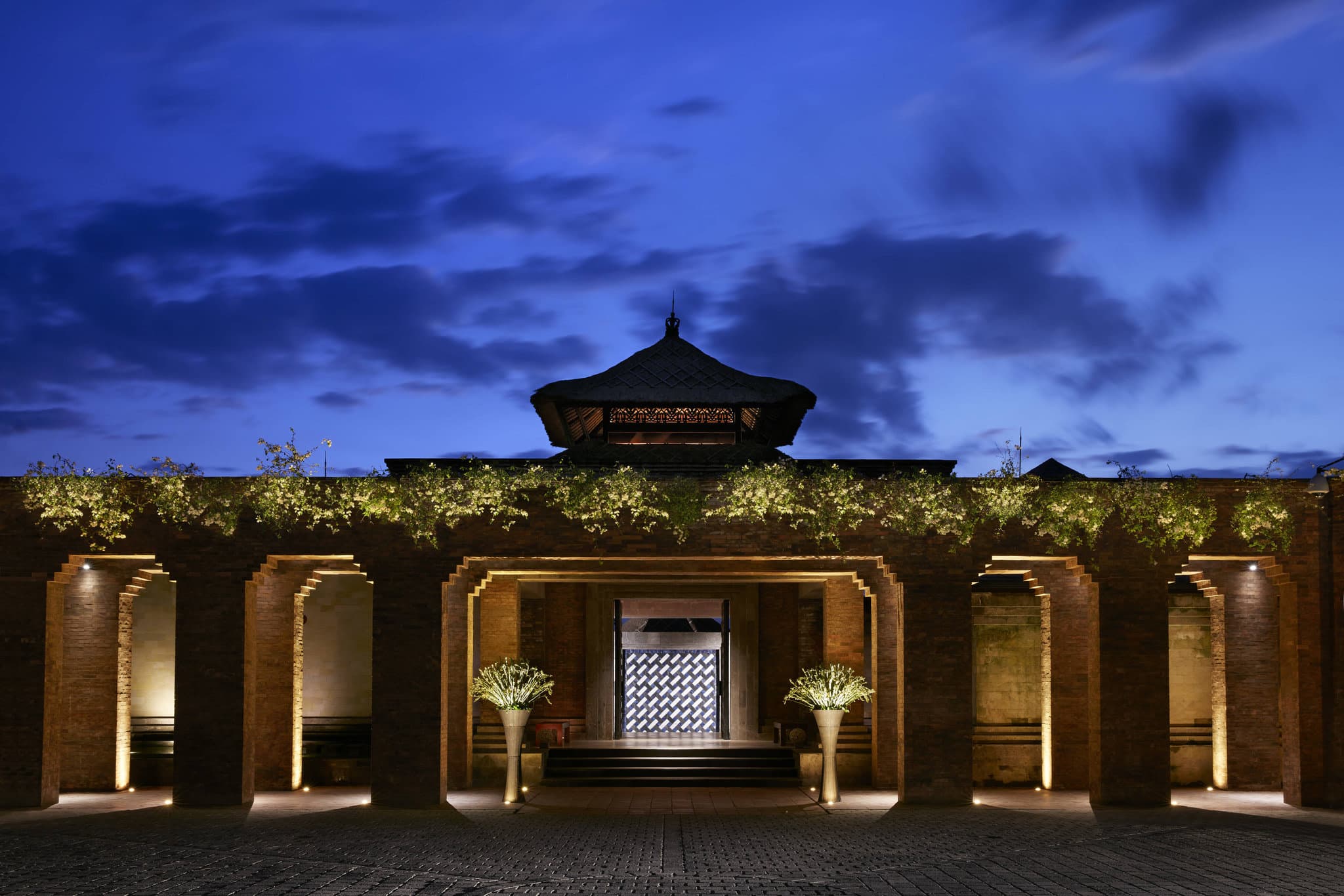
Forget the typical hotel arrival. At Mandapa, you don’t check in; you descend. The experience begins at the cliff’s edge, dropping you physically and mentally into a lush Ayung River valley designed as a self-contained indigenous village. This is the Ritz-Carlton Reserve promise: hyper-local immersion without sacrificing a thread count. The architecture eschews concrete for raw materials that breathe. Villas are constructed from local stone and sustainable timber, anchored by the ‘Patih’—your personal butler who functions less like staff and more like a culturally attuned aide-de-camp. They orchestrate everything, from unpacking your Rimowa to booking a session in the river-facing Vitality Pool. Dining is the visual hook here. ‘Kubu’ features nine bamboo cocoons that hover by the water, serving a Mediterranean-European 10-course tasting menu that rivals any Michelin aspirant in Ubud. However, the real culinary heavy hitter is ‘Sawah Terrace,’ where the Rendang Pipi Sapi (beef cheek curry) offers a complex, slow-cooked rebuke to generic hotel food. It’s expensive, yes, but for a property that just swept the 2025 Travel + Leisure awards, the execution is flawless.
“The nine private bamboo cocoons at Kubu book out weeks in advance. Email your Patih immediately upon booking to secure a sunset slot in cocoon #4 or #5 for the best river views.”
Insider TipAvg. Nightly Rate
1000USD
Forget everything you know about 'indoor-outdoor living.' At Buahan, a Banyan Tree Escape, the concept isn't just a design choice; it’s a dare. Here, deep in the Payangan jungle, walls and doors have been banished entirely. The result? A radical intimacy with the Ayung River valley that makes standard five-star resorts feel hermetically sealed. The architecture is a triumph of ulin wood and bamboo, standing defiant against the elements yet yielding to them. You don’t just look at the jungle; you sleep inside its lungs. The 'rooms' (balés) feature hand-beaten copper bathtubs and a genius localized air-conditioning system—a whisper-quiet canopy over your 400-thread count linens—that proves eco-conscious doesn't mean sweating it out. Dining at The Open Kitchen is equally unpretentious yet exacting. The zero-waste ethos isn't a marketing sticker; it’s palpable in the paon-style curries and the signature Moringa soup, which tastes like chlorophyll and comfort. While the 'naked experience' means sharing your space with the occasional moth, the trade-off is waking up to a misty, CinemaScope view of Bali’s seven peaks that no wallpaper could ever replicate. It is bold, exposed, and utterly unforgettable.
“Book the 'Jungle Affair' dinner for a private culinary trek, but if you're sensitive to early sunrise light, pack a heavy-duty silk eye mask—the jungle wakes up early.”
Insider TipAvg. Nightly Rate
685USD
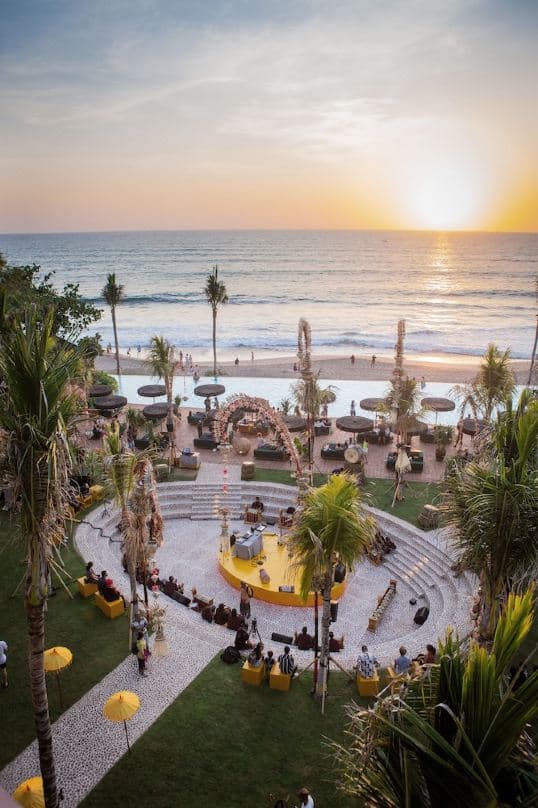
Forget the burlap-sack stereotype of sustainability. Desa Potato Head is a masterclass in 'good times, do good,' proving that saving the planet can be painfully chic. The arrival experience alone—passing through 'The Womb,' a bamboo cathedral, into a courtyard clad in 1.5 million hand-pressed Balinese temple bricks—signals that this is no ordinary resort. It’s a creative village where brutalist architecture bows to regenerative tourism. Inside the Bamboo Studios, the commitment to zero-waste feels luxurious, not restrictive. The furniture, designed by Max Lamb, utilizes recycled plastics and volcanic glassware, while the in-room 'zero-waste kit' (complete with bamboo cutlery and refillable sunscreen pots) replaces single-use guilt. The standout? A dedicated cocktail station featuring an ice well and house-infused spirits, inviting you to play mixologist before heading out. Dining is a serious affair. At *Kaum*, the Babi Genyol is a revelation of spice and texture, while *Ijen* serves sustainable Barramundi in banana leaf that redefines catch-of-the-day ethics. Service is sharp and intuitive, with the ultimate perk being VIP priority access to the Beach Club’s daybeds—a golden ticket in Seminyak’s competitive sunset scene. **Verdict**: A radical blueprint for the future of hospitality, blending high-design hedonism with a zero-waste soul.
“Book a 'Sunrise Studio' for the best morning light, and use your VIP status to snag a poolside daybed at the Beach Club before 10 AM to beat the external crowds.”
Insider TipAvg. Nightly Rate
220USD
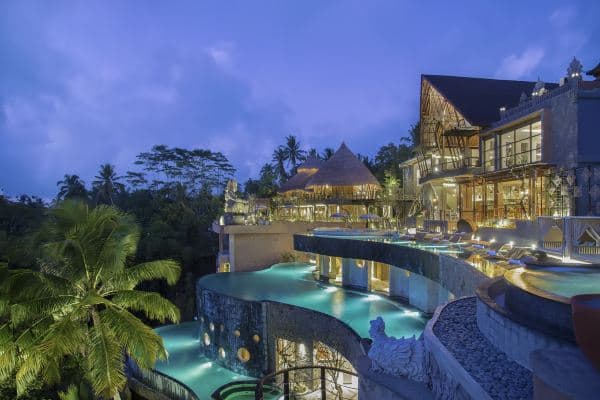
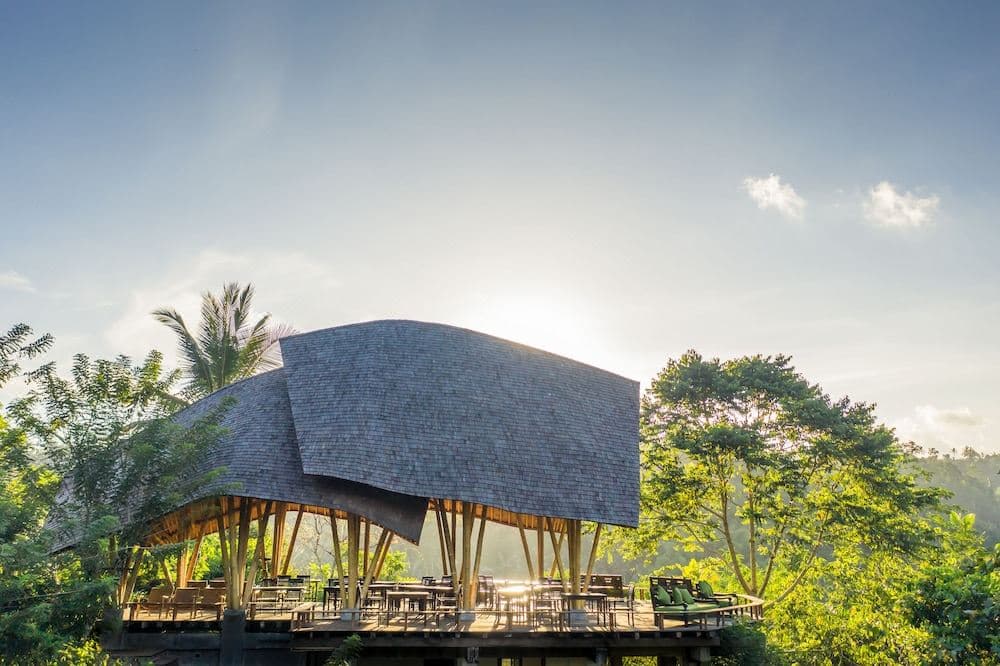
If the Green School had a rebellious older sister who skipped class to drink artisanal cocktails in an infinity pool, she’d live here. The Kayon Jungle Resort is less a hotel and more a terraformed fantasy by architect I Putu Suryawan, who evidently looked at the Tegallalang Rice Terraces and thought, “Yes, but make it swimmable.” The result is the three-tiered Wanna Jungle Pool, a curved aquatic amphitheater that has already launched a thousand drone shots. But beyond the Instagram bait lies a surprisingly rigorous design ethos. The bamboo architecture doesn't just mimic the landscape; it inhales it. In the Jungle Pool Villas, the humidity is real—welcome to the rainforest—but so is the obsessive luxury: Pevonia Botanica amenities, 42-inch LEDs that you’ll ignore for the view, and Egyptian cotton sheets that fight the damp valiantly. Dining at Kepitu feels ceremonial, especially if you order the Bebek Kayon (crispy duck), though the real theatre happens at the Canyon Jetty, where six private tables hang precariously over the Oos River. Yes, the 20-minute shuttle ride to Ubud is a commitment, and the upselling can be aggressive, but when your butler (ask for Krishna, the man is a legend) arranges a flower bath that looks like a Dutch still life, you forgive everything. It’s grand, it’s damp, and it’s unapologetically dramatic—a limestone and bamboo love letter to Bali’s wilder side.
“For maximum drama with minimum humidity, request a Valley Pool Villa on the higher levels (400s block)—better breeze, fewer mosquitoes, and direct sunrise views.”
Insider TipAvg. Nightly Rate
230USD
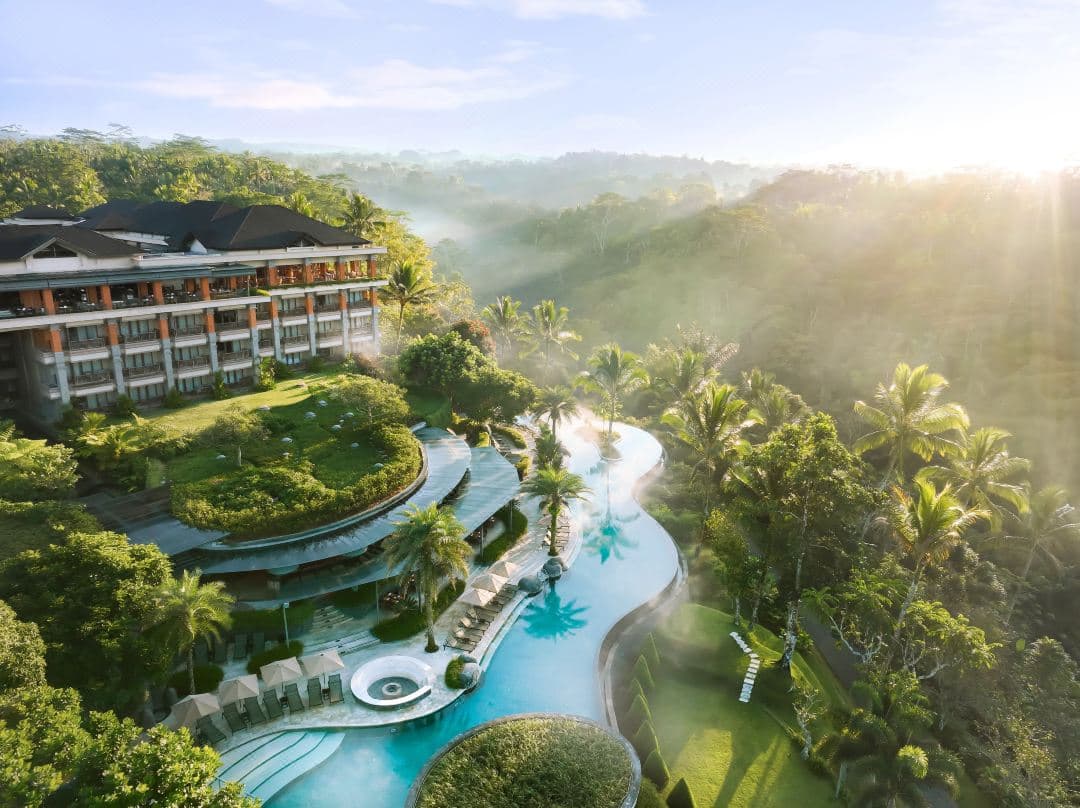
Forget the 'nestled' clichés; Padma Resort Ubud makes an entrance. Located 40 minutes north of Ubud in Payangan, the arrival is a dramatic descent into a bamboo cathedral that feels less like a hotel lobby and more like a Bond villain’s eco-lair. The star here isn’t just the geography, but the architecture—specifically the 'Bamboo Nest' and the vaulted ceilings of The Puhu Restaurant, where you’ll eat Ayam Betutu while suspended over a misty river valley. The 89-meter infinity pool is the longest in Ubud and, crucially, heated—a non-negotiable luxury in the cooler highlands where morning steam rises off the water like dry ice. Rooms are cavernous (starting at 59sqm), kitted out with Elemis amenities and a pillow menu that could cure insomnia. A word of warning: the walls can be thin, so if your neighbors are night owls, you might hear their muffled joy. Dining hits high notes with the Wagyu Beef Short Rib at Puhu and Espresso BBQ Pork Ribs at The Pool Café. Service is razor-sharp but warm, the kind that remembers your latte order. It’s isolated, yes, but with an agroforestry garden, a mini-zoo with otters, and that pool, you won’t want to leave anyway.
“Request a room on the highest floor (Level 4) to minimize overhead noise and maximize those jungle canopy views. Wake up early for the pool—it’s pure magic at 7 AM.”
Insider TipAvg. Nightly Rate
220USD
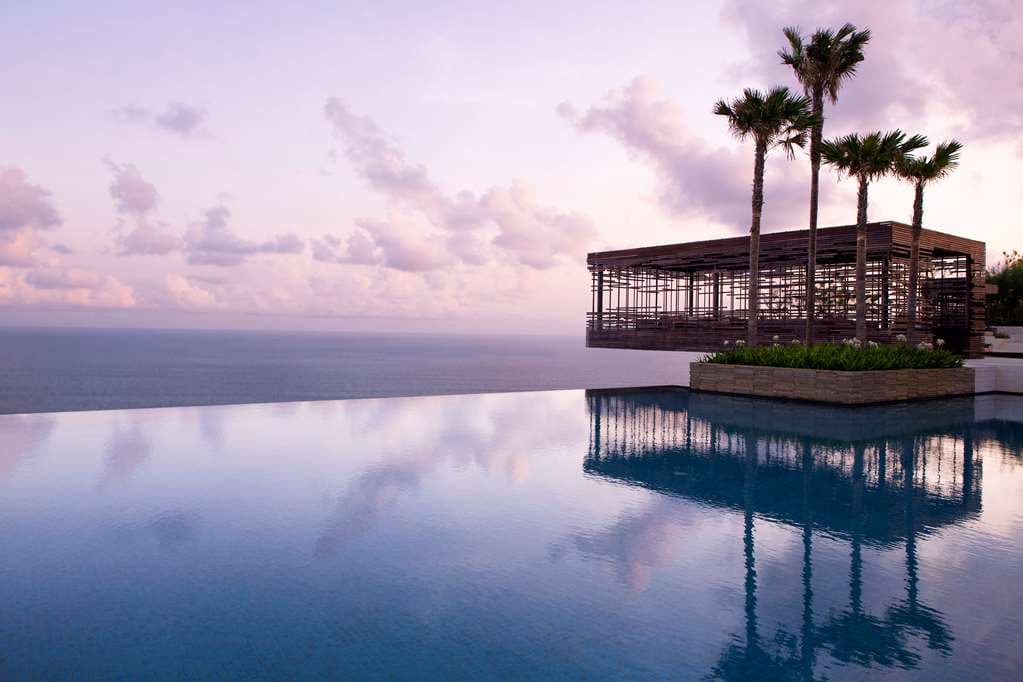
Forget the thatched-roof clichés of Ubud. Alila Villas Uluwatu is where tropical modernism goes to get serious. Designed by WOHA, this property is a masterclass in 'volcanic brutalism'—a sharp, geometric rejection of the traditional Balinese aesthetic, utilizing locally sourced lava rock and recycled ironwood to cool the air naturally. It’s not just a hotel; it’s a structural statement perched 100 meters above the Indian Ocean. The 291-square-meter Pool Villas don't insult you with 'plunge' pools; these are proper swimming vessels. Inside, the design is severe but deeply comfortable, with 400-thread count Ploh linens and a bathroom arsenal of Alila Living natural amenities (the lemongrass signature scent is addictive). Service is conducted via a ruthlessley efficient 24/7 WhatsApp butler, meaning your Babi Panggang from 'The Warung'—spiced to actual local standards, not tourist-mild—arrives without a phone call. It’s not flawless. The property opened in 2009, so you might spot weathered timber, and the 600-step trek to the beach is a cardio punishment with no service at the bottom. But when you’re sipping a 'Shiki Monki' in the gravity-defying Sunset Cabana, suspended over the cliff edge like a birdcage, those complaints vanish into the horizon. It remains the undisputed heavyweight champion of the Bukit Peninsula.
“Request a 'Fourth Tier' villa (specifically Villa 408 if available) for the most unblocked ocean views and total privacy from the walkways above.”
Insider TipAvg. Nightly Rate
651USD
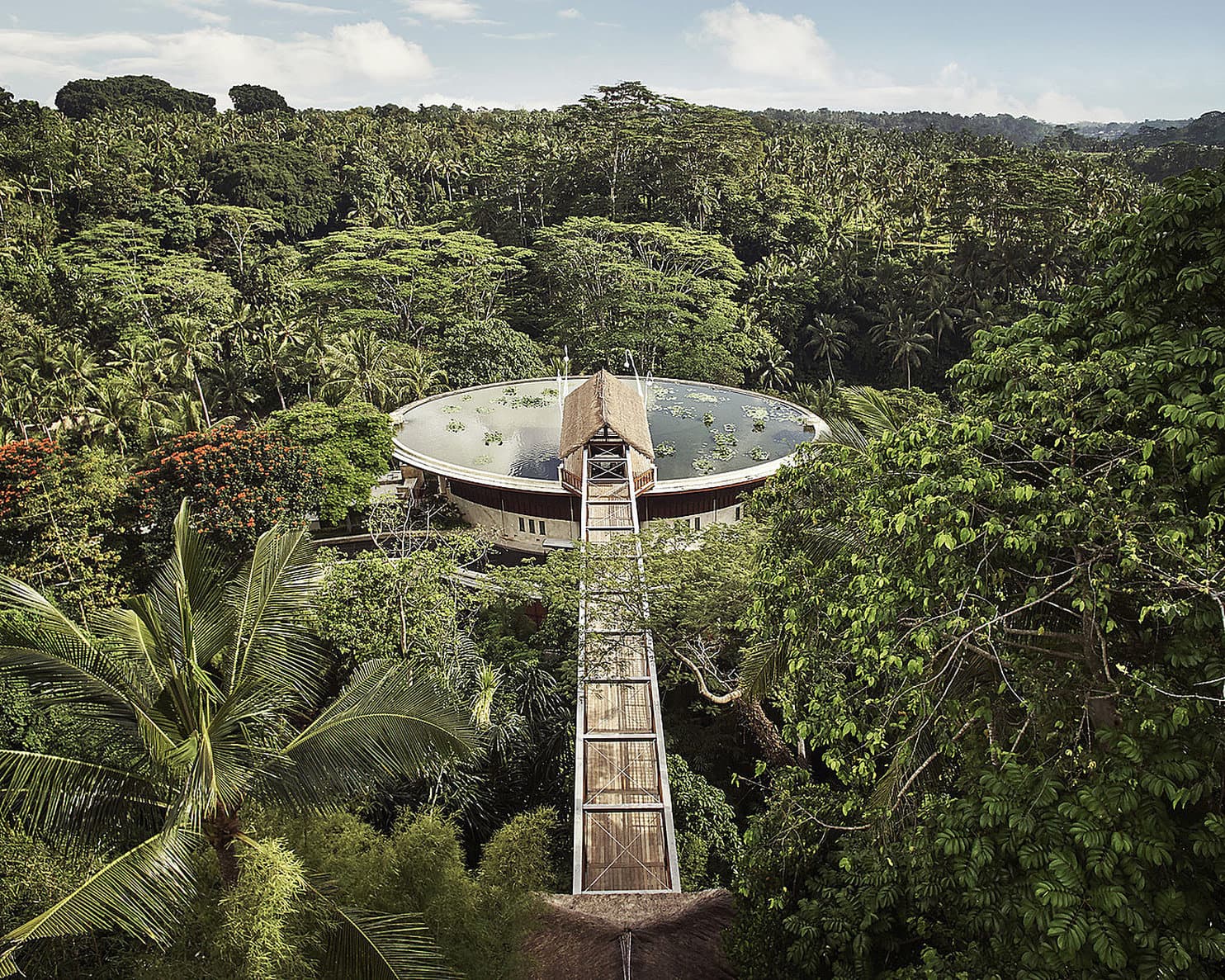
If James Bond retired to an ashram, he’d choose Sayan. The arrival sequence remains one of architecture’s greatest magic tricks: a dramtic suspension bridge that floats you over a ravine, depositing you onto a lotus pond roof that feels like a Brutalist saucer crash-landed in paradise. Unlike the typical thatch-roofed clichés of Ubud, this resort digs *down* into the earth. The main building is a concrete masterclass, disappearing vertically into the jungle canopy alongside the Ayung River. While the bones are iconic 1998, the flesh is fresh. The Sacred River Spa, completely rebuilt in late 2024, is the new headliner—think infrared saunas and ice baths hidden in stone pavilions that channel the 'Niskala' (unseen energy). The villas are exercises in teak and privacy; you don't just stay in them, you hide in them. Service is telepathic—anticipating your need for a buggy before you even reach for the phone. Dining at Ayung Terrace offers a *Bebek Betutu* so tender it falls off the bone at a stern look. It’s not just a hotel; it’s a masterclass in vanishing.
“Skip the standard transfers and book the 'River Raft Check-in'—you float directly to the resort reception via the Ayung River. Also, the new 2025 'River Trails & Treats' experience is the best way to see the valley without the crowds.”
Insider TipAvg. Nightly Rate
662USD
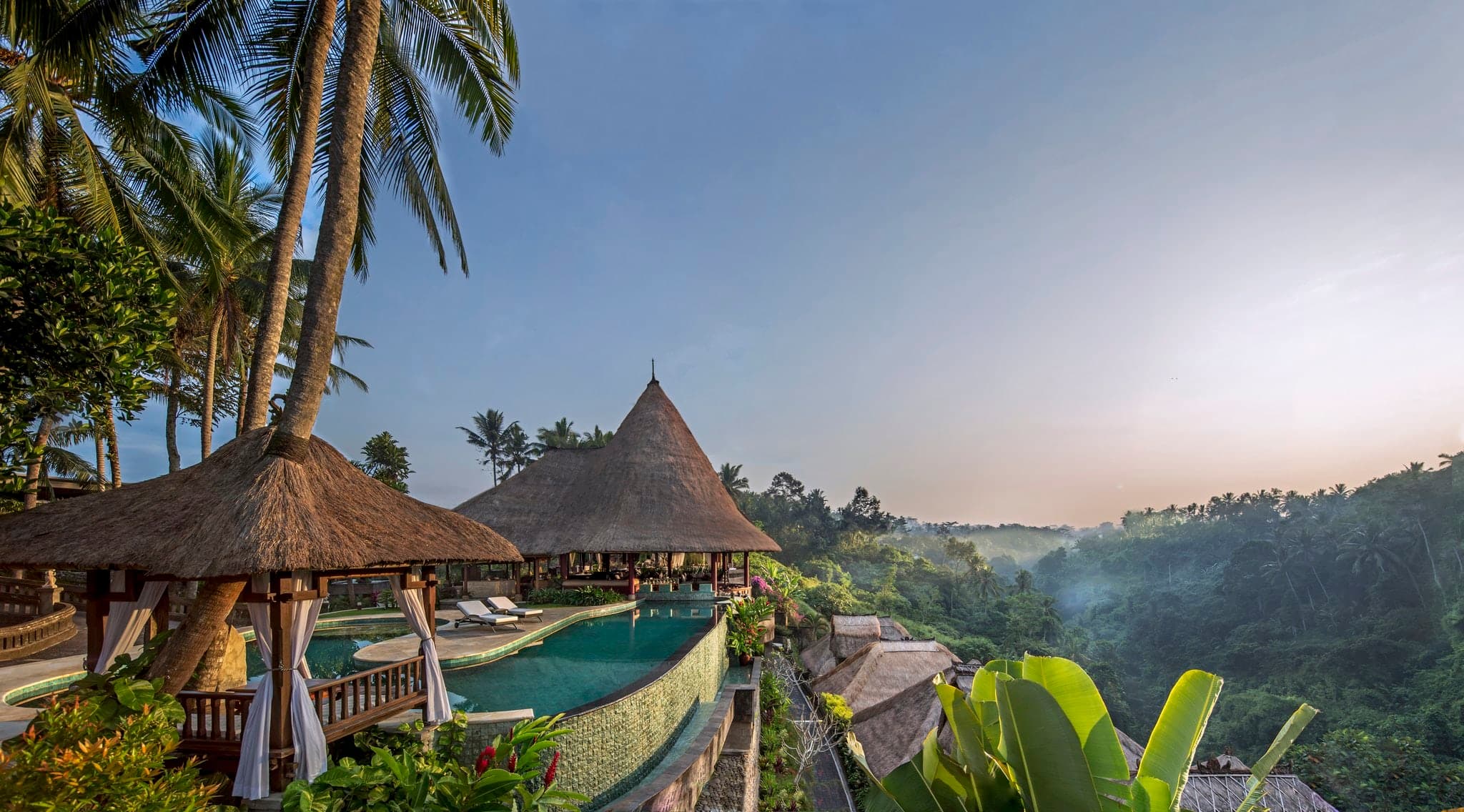
While the eco-resort crowd fetishizes raw bamboo, Viceroy Bali proves that sustainable architecture can still wear a tuxedo. Perched on the edge of the Petanu Valley—dubbed the 'Valley of the Kings'—this family-owned estate doesn't just sit in the landscape; it anchors it. The design, spearheaded by Ketut Mahardika, uses locally quarried stone and massive alang-alang thatched roofs to create spaces that feel simultaneously imperial and indigenous. The villas are a study in climatic defiance. In a region where morning chills are common, the private heated pools are a game-changer, allowing for dawn dips while the mist still clings to the ravine. Inside, the marble floors and high-tech comforts (Pent Fitness equipment in the gym, Sensatia Botanicals in the bath) undercut the rustic exterior with unapologetic polish. Dining is where the 'Green Giant' theme meets the Roaring Twenties. Apéritif Restaurant feels airlifted from a Great Gatsby set, serving a Venison Wellington that justifies the flight alone. It’s a grand, architectural statement that refuses to choose between Balinese tradition and high-gloss luxury. The verdict? A staggering feat of engineering that hasn't forgotten how to pour a stiff drink.
“Book a Deluxe Terrace Villa for the 'bale' (floating gazebo) perched directly over your pool—it’s the only spot for a sunrise coffee before the heat sets in.”
Insider TipAvg. Nightly Rate
561USD

Arrival at the Hanging Gardens of Bali is less a check-in and more a descent into a lost world. You don’t walk to your room; you board a funicular that glides down a sheer 45-degree jungle face, leaving the hum of scooters far above. Anchored into the ravine by some miracle of engineering, this resort doesn’t just sit in the rainforest; it feels carved from it. The showstopper, naturally, is the twin-tiered infinity pool lined with Batu Chandi volcanic stone—a geometric marvel that seems to spill directly into the Ayung River below. Inside the villas, the experience is one of sophisticated seclusion. Forget 'rustic'—we’re talking polished timber floors, Thalgo spa amenities, and a private infinity pool that makes leaving the room a struggle. Dining at Three Elements Restaurant is an atmospheric affair; the Bebek Betutu (slow-cooked duck) is rich, smoky, and best paired with the jungle symphony that starts at dusk. While the funicular can be temperamental and the stairs are a workout, the sheer architectural audacity of the place silences any complaints. It is a masterclass in structural drama.
“Book a 'Riverside Villa' if you want the roaring Ayung River as your natural white noise; the higher Panoramic Villas have better light but less auditory drama.”
Insider TipAvg. Nightly Rate
522USD
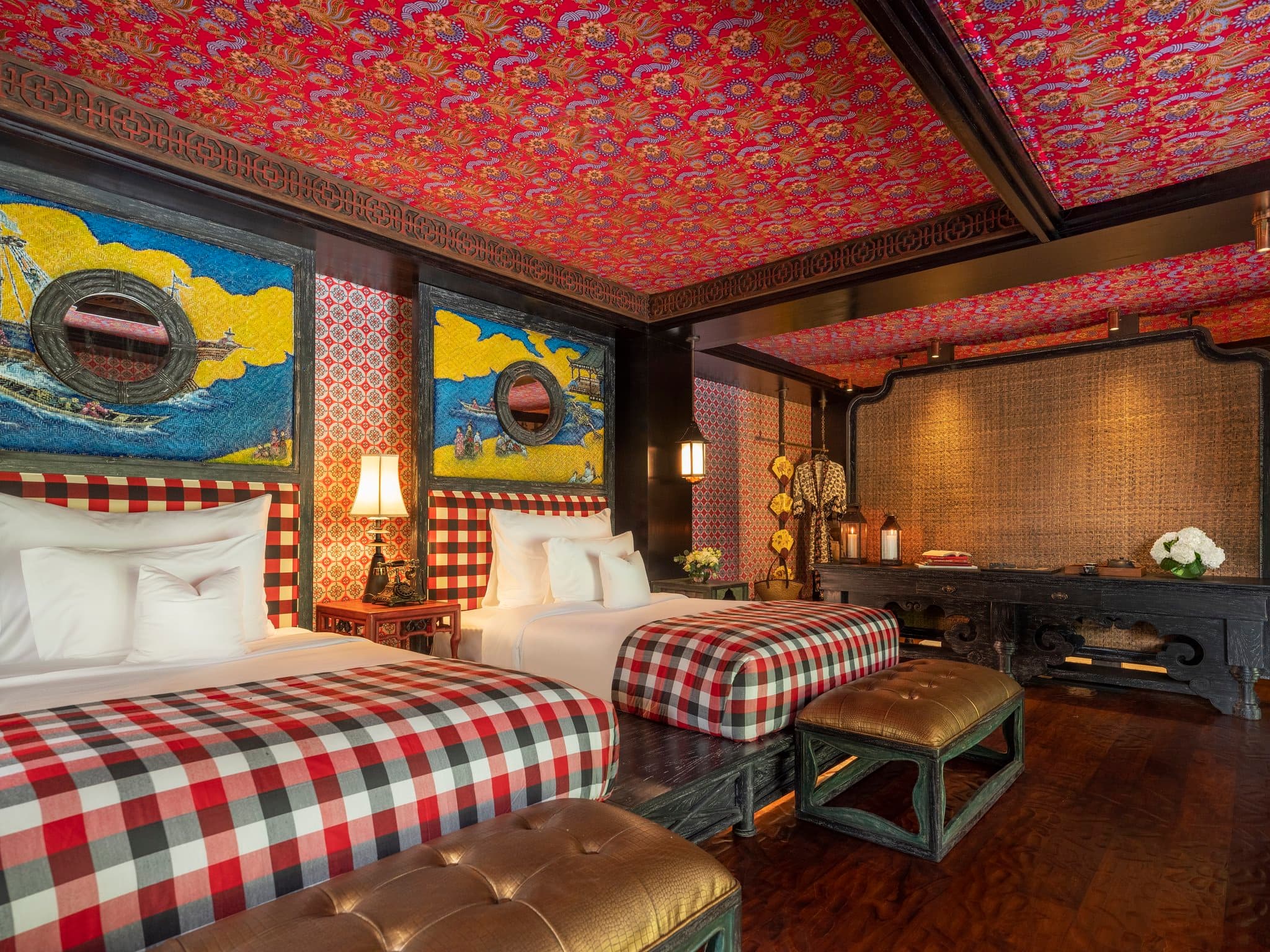
It takes a certain kind of genius to build a 23-tent camp in the dense Balinese rainforest without felling a single tree, but Bill Bensley is no ordinary architect. Capella Ubud isn't just a hotel; it’s a piece of high-camp theatre evoking a 19th-century Dutch spice trader’s expedition. The 'walls' are canvas, the floors are teak, and the vibe is pure, unadulterated drama. You don’t check in; you are initiated into a secret society of luxury explorers. Inside your tent—opt for a Keliki Valley view—the detailing is obsessive. We’re talking hand-hammered copper bathtubs that demand a two-hour soak, Illy espresso machines for your morning jolt, and a 'refreshment trunk' (never a minibar) stocked with house-made tonics. The caveat? Those canvas walls offer zero acoustic protection from the jungle’s nocturnal symphony. If the cicadas don’t wake you, the monkeys might. Culinary theatrics continue at Api Jiwa, an intimate Asian omakase experience where the 'farm-to-flame' concept yields dishes like the signature Lombok oyster with beef tartare. It’s smoky, spicy, and utterly unpretentious. Wash it down with a cocktail by The Cistern, the camp’s zigzagging saltwater pool that feels like a forgotten reservoir. Capella proves that sustainability doesn't have to be beige; sometimes, it wears a pith helmet and serves Babi Guling on fine china.
“Book the 'Keliki Valley Tent' for the largest private pool and unobstructed jungle views. Ask for a table at the edge of the counter at Api Jiwa for the best view of the grill action.”
Insider TipAvg. Nightly Rate
980USD