No. 01
North Gate Of Changbaishan.ant Changbaishan ChinaChangbaishan15625 verified reviews
9
.8
Bitvoya Edit
Layering imagery, place, and detail before the page opens.
Changbaishan, or Mount Changbai, has rapidly evolved from a rugged frontier into China’s premier winter luxury destination. This curated collection explores the intersection of "Nordic Chic" minimalism and "Dongbei" (Northeast) grandeur. We focus on properties that offer more than just a bed; they offer architectural dialogue with the snowy landscape. From the polished timber elegance of the Park Hyatt in the bustling Wanda International Resort area, to the secluded, eco-conscious aesthetics of the Swissôtel in the Luneng Resort district, these hotels redefine alpine living. Whether it's the panoramic glass facades of The View (MGallery) or the warm, apres-ski vibes of The Westin, expect interiors that frame the volcanic wilderness with sophisticated restraint.
Changbaishan offers a unique juxtaposition rare in Asia: the raw, volcanic power of Northeast China (Dongbei) combined with the refined, minimalist hospitality often associated with the Swiss Alps or Hokkaido. Choosing a design-forward stay here means immersing yourself in high-ceilings, natural timber, and floor-to-ceiling windows that prioritize the view of the snow-covered birch forests and the majestic Tianchi (Heaven Lake). Unlike traditional hotels, these properties—such as the Hyatt Regency and Pullman—integrate local culture with contemporary aesthetics, ensuring your stay is as visually stunning as the landscape outside.
In these design-forward alpine stays, expect world-class amenities tailored to the cold climate. Hot Springs are a staple; many hotels like the Crowne Plaza offer outdoor volcanic pools where you can soak while snow falls around you. Ski-in/Ski-out Access is a key feature at Wanda and Luneng properties, making the transition from sport to relaxation seamless. Dining is also a highlight, with restaurants serving a fusion of hearty Dongbei cuisine (perfect for winter) and international fine dining. Service in these luxury properties is attentive, with English-speaking staff often available, ensuring a smooth experience for international travelers.
For pure luxury and wood-focused minimalist design, Park Hyatt Changbaishan is the top choice. For a modern, eco-chic aesthetic, The View (MGallery) offers stunning architecture.
Wanda Resort is better for action, shopping, and varied dining options. Luneng Resort is quieter, newer, and offers a more secluded, nature-focused experience suitable for relaxation.
Yes, Crowne Plaza Resort Changbaishan Hot Spring has direct access to natural volcanic hot springs. Hotels in Wanda and Luneng resorts often have indoor pools and spa facilities, but Crowne Plaza is famous for its outdoor hot spring park.
Explore our complete curated list of luxury accommodations, from boutique hideaways to grand dames.
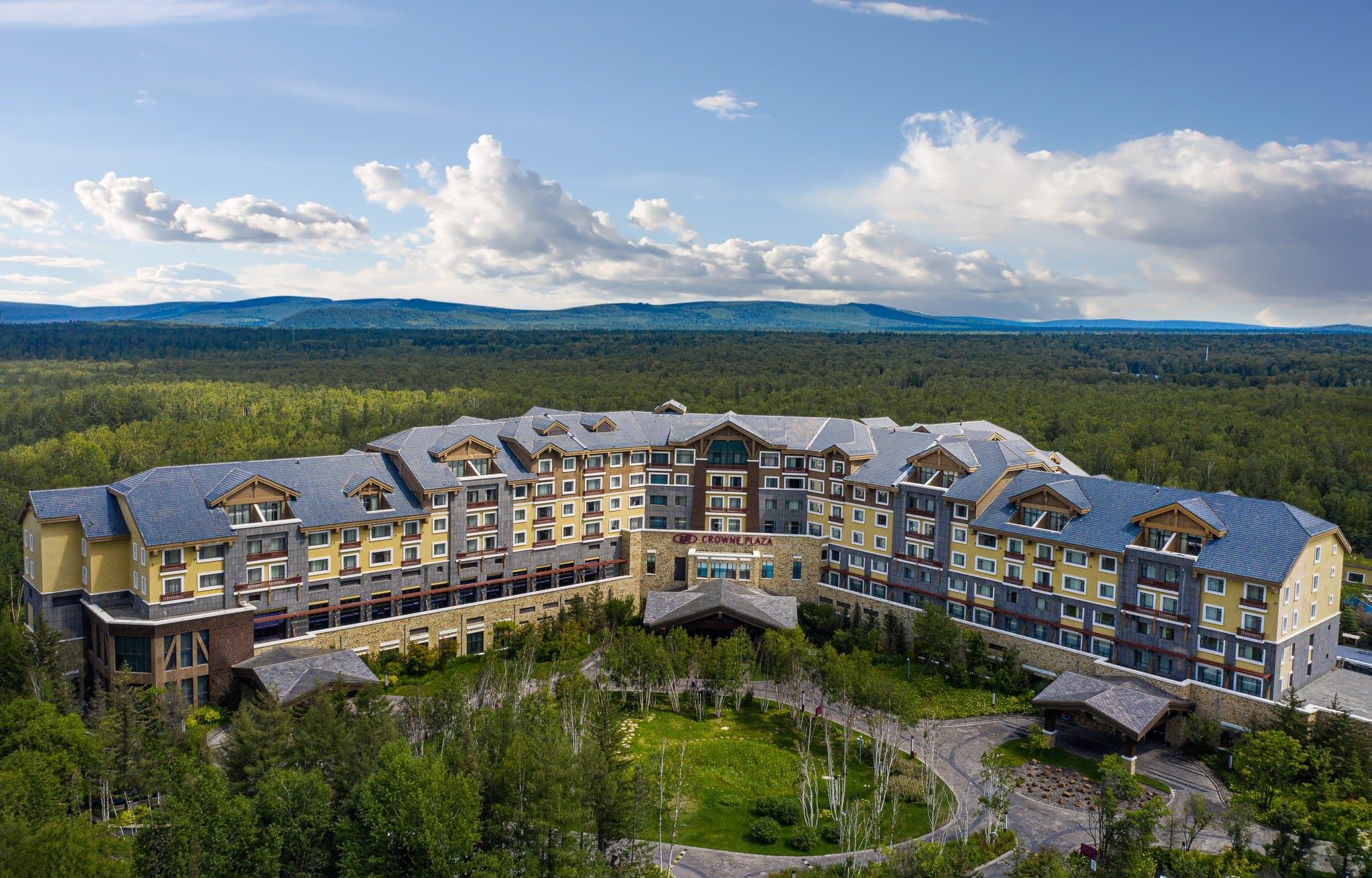
Explore All Changbaishan HotelsAt the Crowne Plaza Resort Changbaishan, the currency isn’t thread count—though the linens are adequate—it’s access. Positioned a mere 400 meters from the North Slope gate, this property serves as the de facto clubhouse for volcanic voyeurs who prefer their mountaineering with a side of steam. The architecture is a study in local basalt, a hulking lodge aesthetic that feels appropriate against the stark, frozen canvas of Jilin. While the interiors (circa 2016) occasionally betray their age with a slightly weary beige palette, the flaws vanish once you step into the Julong Volcanic Hot Springs. Here, 21 outdoor pools create a surreal theater of steam and rime ice, allowing you to braise in mineral-rich water while your hair freezes into avant-garde sculptures. Dining at Cai Feng Lou offers a necessary grounding; the local organic pork and forest vegetables are a smoky, savory retort to the cold. But the real luxury is the 'Green Channel'—a VIP fast-track entrance to the National Park that bypasses the shivering masses. It’s an alpine stay that trades high-gloss perfection for raw, elemental power, proving that location is still the ultimate amenity.
“Skip the crowded afternoon dip. Hit the outdoor pools at 7:00 AM to catch the 'rime ice' forming on the trees before the sun melts it—absolute silence and steam.”
Insider TipAvg. Nightly Rate
185USD
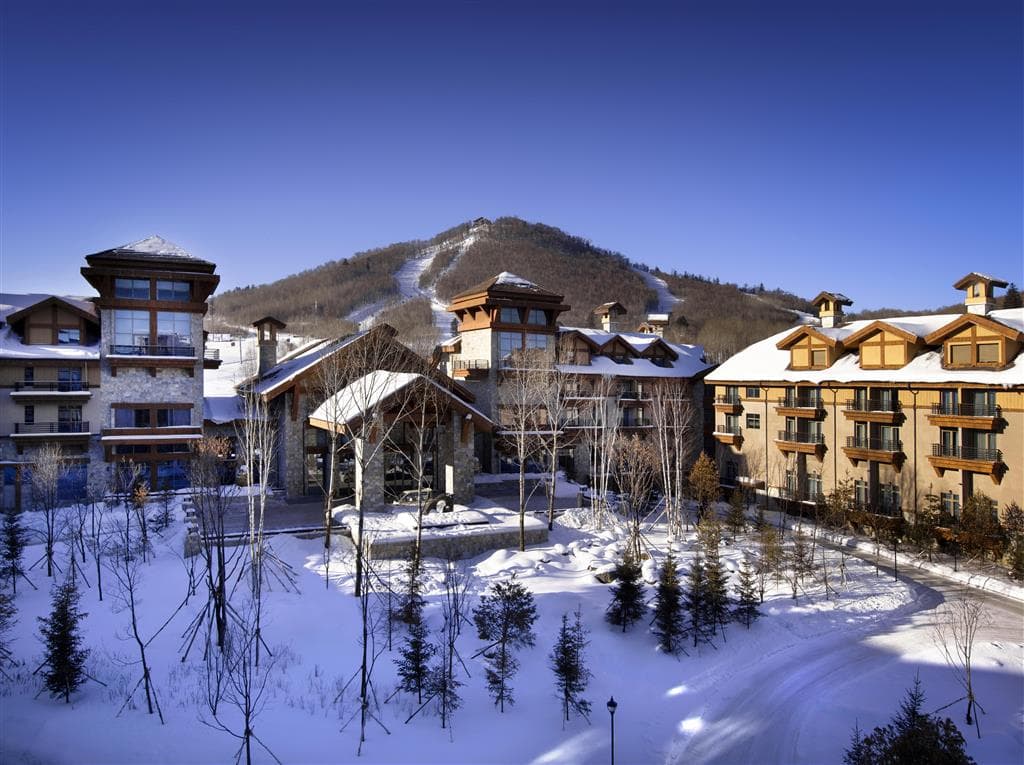
If you squint, the soaring timber beams and rough-hewn stone fireplaces of the lobby could be in Whistler or Vail. But the minus-20-degree chill outside and the scent of ginseng chicken soup wafting from Chang Bai House anchor you firmly in Jilin. The Hyatt Regency Changbaishan plays the role of the 'Grand American Lodge' with theatrical aplomb, offering a sturdy, heavy-wooded embrace against the biting Dongbei winter. It is an architectural comfort blanket, albeit one showing a few loose threads. The rooms are spacious, swathed in warm oaks and beige textiles that channel 'hygge' effectively, though the hardware is firmly stuck in the mid-2010s—the absence of smart toilets is a noticeable omission in high-tech China, and the air conditioning occasionally protests with a mechanical rattle. But you aren't here for the tech; you're here for the friction-free ski access. The dedicated 'Ski House' is a logistical triumph, allowing you to gear up and slide directly onto the powder without the usual trudge. Après-ski, the Market Café offers a competent if predictable spread, but the real star is the indoor pool. Slipping underwater to hear piped-in classical music while watching snow fall through floor-to-ceiling glass is a surreal, sensory delight that almost forgives the aging room controls.
“Skip the main lobby chaos for rentals; the hotel has a dedicated 'Ski House' with private lockers and direct slope access. Also, the underwater music in the indoor pool is best experienced during the quiet 1 PM lunch lull.”
Insider TipAvg. Nightly Rate
150USD
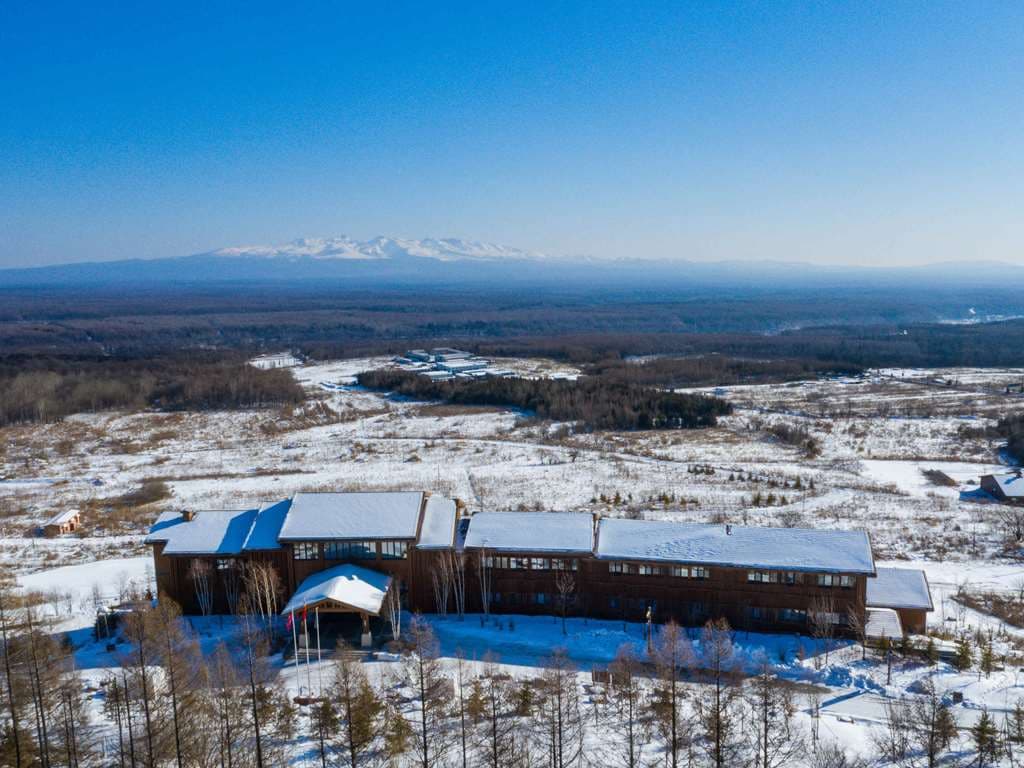
If the Swiss Alps had a brutalist love child with Northeast China, it would look like The View. Perched within the Luneng Resort, this MGallery outpost treats the Changbai massif not just as scenery, but as the primary architectural material. The design is unapologetically industrial—think exposed steel and concrete—tempered by the warmth of raw timber and the visual heat of 'Dongbei' red accents. Inside, the minimalism continues. Rooms are optical instruments designed to pull the mountain in; floor-to-ceiling glass eliminates the barrier between you and the birch forests. Forget generic hotel soaps—here, the wellness narrative is hyper-local, featuring amenities infused with Changbai ginseng and spring water, a tactile reminder of the terroir. Dining at 'Mann' offers a delightful cognitive dissonance: eating an impeccable, shatter-crisp Guo Bao Rou (sweet and sour pork) in a space that feels like a gallery in Berlin. The pièce de résistance, however, is the outdoor infinity pool. Steaming in the sub-zero air while watching snow dust the pines is a sensory high that justifies the flight alone. Service can be brisk during the ski rush, but the dedicated butlers smooth out the edges with impressive efficiency.
“Skip the lobby lounge. Head straight to the Level 5 terrace at 'The Bar' just before sunset—the alpenglow hits the ridge perfectly, best paired with their signature mountain herb cocktail.”
Insider TipAvg. Nightly Rate
105USD

While the adrenaline junkies fight for space at Wanda, the smart set has decamped to the Luneng reserve, where Club Med Changbaishan offers a masterclass in 'Nordic Chic meets Dongbei.' The architecture here doesn't just sit in the landscape; it frames it—panoramic glazing turns the white wilderness into a living gallery wall, best viewed from the warmth of a Matrix-equipped gym or, better yet, the 3,000 sqm Hot Spring Centre. With 29 herbal pools steaming against the -20°C chill, the vibe is less 'shred the gnar' and more 'soak and steam.' Inside, the design pivots from the freezing outdoors to warm Manchu-inspired interiors. The dining is a delightful fever dream of international ambition: where else can you chase a traditional Ginseng Chicken Soup with a slice of freshly made Durian Pizza? However, a word of warning to the black-diamond crowd: the Luneng slopes are impeccably groomed but relentlessly flat. If you're here to qualify for the Winter Olympics, you’ll be bored. But if your idea of alpine sport involves dropping the kids at the excellent Mini Club Med+ and retiring to the Sothys Spa for an anti-aging facial, you’ve found your sanctuary. The guest rooms can run cool—bring cashmere socks—but the silence of the nature reserve is worth the chill.
“Skip the main dinner rush. Head to the Baishan Kitchen for the 'Traditional Hot Pot' precisely at 8 PM when the families retreat; it’s the quietest spot in the resort.”
Insider TipAvg. Nightly Rate
310USD
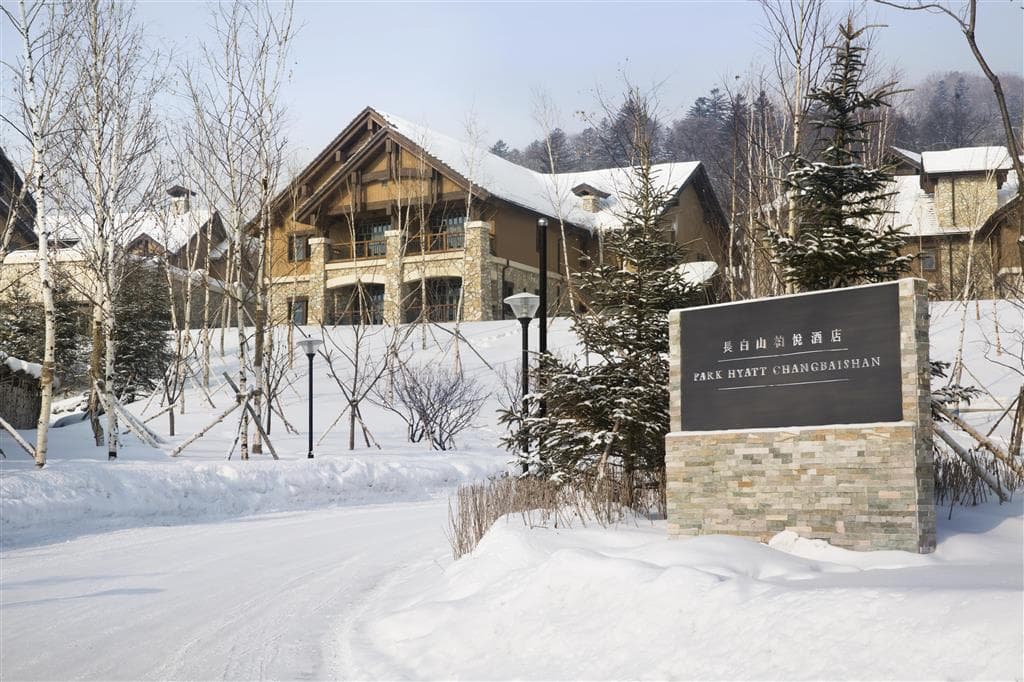
While the neighboring Wanda Village vibrates with the frenetic, neon-lit energy of mass-market tourism, the Park Hyatt stands apart like a disapproving aristocrat. It does not shout; it whispers in the vernacular of rough-hewn timber and local volcanic stone. The arrival experience is less 'hotel check-in' and more 'returning to your eccentric uncle’s alpine estate,' anchored by a lobby that frames the snow-covered birch forests through floor-to-ceiling glass—a feature the staff ambitiously calls the 'Ski Beach.' The rooms are generously proportioned at 55 square meters, offering a masterclass in residential minimalism. However, for a brand synonymous with high-tech pampering, the absence of smart toilets in base categories feels like a baffling oversight—a touch of rustic realism one didn't strictly order. The carpets, too, are beginning to betray their age, whispering stories of past ski seasons. Redemption awaits in the 'Dining Room,' where the local Dongbei hot pot offers a searing, soulful counterpoint to the sub-zero temperatures outside. Skip the international comfort food in the 'Living Room'; you didn't travel to the Chinese border for a club sandwich. Afterwards, the outdoor mineral pool provides the ultimate thermal contrast. It’s expensive, slightly aging, and utterly devoid of the chaotic whimsy found elsewhere in the resort—which is precisely why you book it.
“Hit the outdoor mineral pool at 10 AM while the rest of the resort is shredding the slopes; you'll have the steam and snow entirely to yourself.”
Insider TipAvg. Nightly Rate
181USD
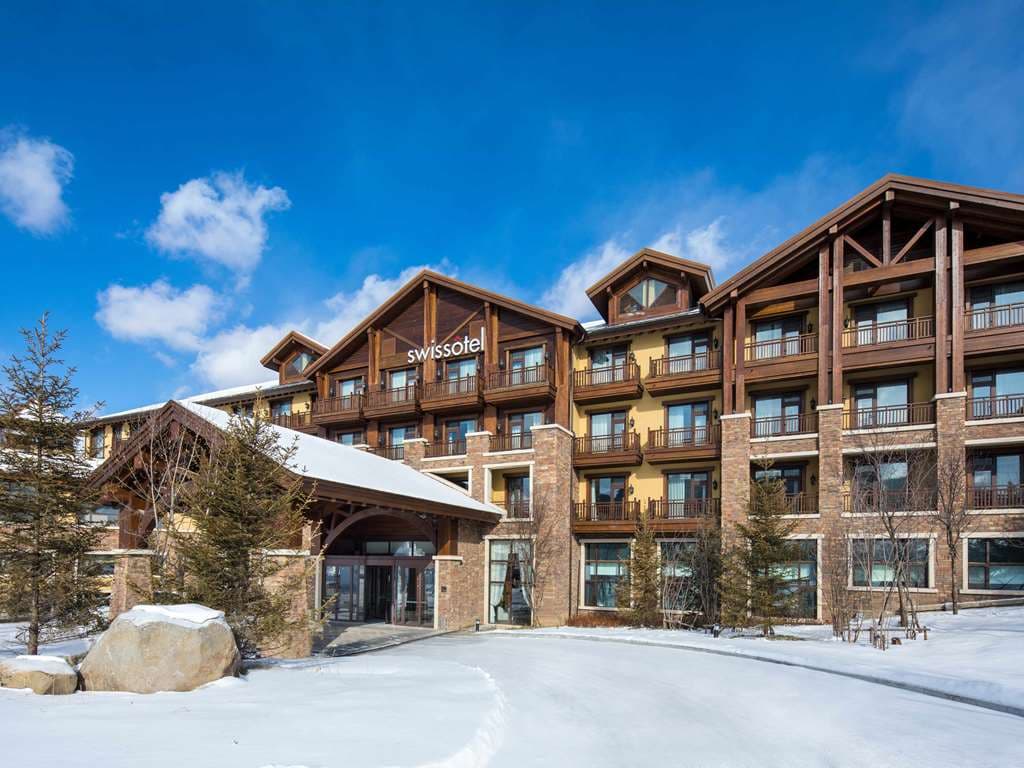
Forget the cookie-cutter chalets of Courchevel; this is Dongbei, where the mercury plummets to a bone-shattering -30°C, yet the Swissôtel Resort Changbaishan insists on a warmth that feels almost defiant. Standing stark against the Manchurian forest in the quieter Luneng sector, the architecture is a study in timber-clad rigor—less storybook gingerbread, more Architectural Digest centerfold. Inside, the vibe shifts from frozen tundra to aggressive hygge. The Swiss Advantage rooms are vast, eschewing the cramped quarters of European ski dorms for sprawling layouts where private balconies frame the jagged peaks. You won’t find generic lotions here; the Pürovel Spa amenities bring the scent of alpine meadows to the steam-filled shower, a necessary sensory reset. Dining is a curious, successful collision of worlds. At 'The Quarter', you aren't just getting a buffet; you’re getting local Dongbei stews that stick to your ribs, served alongside international staples. It’s hearty, unpretentious, and exactly what you need after a day on the slopes. While the Technogym-equipped fitness center is 24-hour, the real recovery happens elsewhere. The lack of an indoor pool is a design quirk, but the access to nearby outdoor hot springs offers a steamy, surreal alternative under the stars. Service is conducted largely via WeChat—efficient, digital, and refreshingly unobtrusive. It’s a remote outpost of Swiss hospitality that feels strangely, perfectly at home in China’s frozen north.
“Skip the main dining hall for breakfast at least once and order the 'Vitality' set to your room; but the real secret is the nightly fireworks display—viewable best from the Mountain View balconies.”
Insider TipAvg. Nightly Rate
168USD
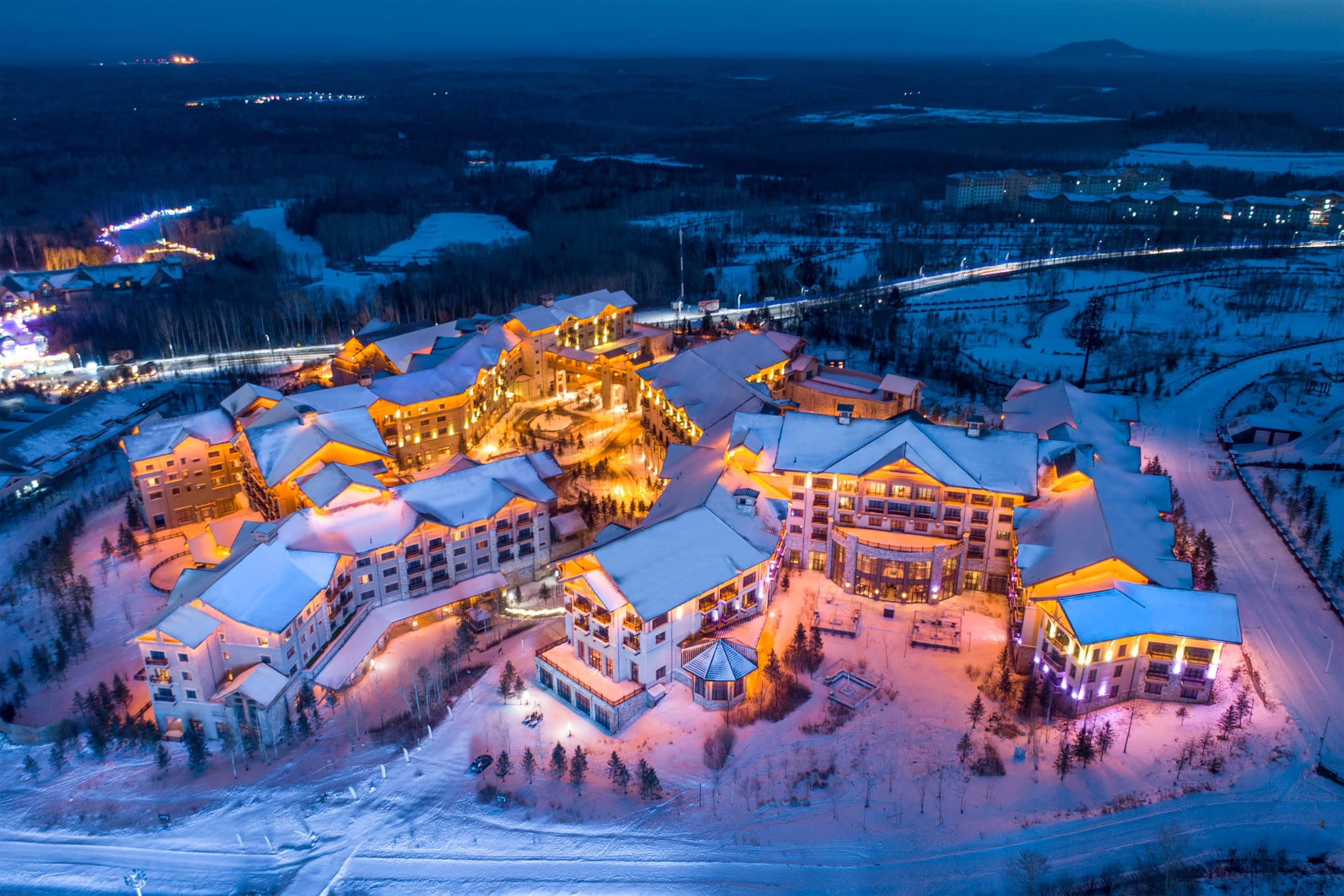
Forget the Swiss Alps; the real powder hounds are descending on Jilin. The Westin Changbaishan might have opened in 2012—an eternity in hospitality years—but it wears its vintage with the dignity of a well-loved leather armchair. While the hard product shows faint laugh lines compared to the flashy new Park Hyatt nearby, the vibe here is unpretentious American lodge meets Dongbei warmth. You are here for the ski-in/ski-out access, arguably the resort’s best, placing you mere seconds from the lifts. Inside, the biophilic design isn't just marketing jargon; massive windows frame the pine forests like living art. Rooms feature the non-negotiable Westin Heavenly Beds—still the industry benchmark for inducing comas—and White Tea Aloe amenities that cut through the dry mountain air. Culinary adventures are mixed: skip the generic Truffle Siu Mai at Seasonal Tastes and head straight to Maru. The Kimchi Hot Pot there is legitimate, spicy enough to exorcise the chill from a day on the slopes. Service is the ace card, with butlers who anticipate your need for a humidifier before you do. It’s not cutting-edge avant-garde, but it’s reliable, warm, and perfectly positioned.
“Request a high-floor room facing the ski slopes to watch the 'Snow House' light up at dusk. Also, the heated indoor pool is virtually empty during the 12:00 PM lunch rush—perfect for solo laps.”
Insider TipAvg. Nightly Rate
134USD
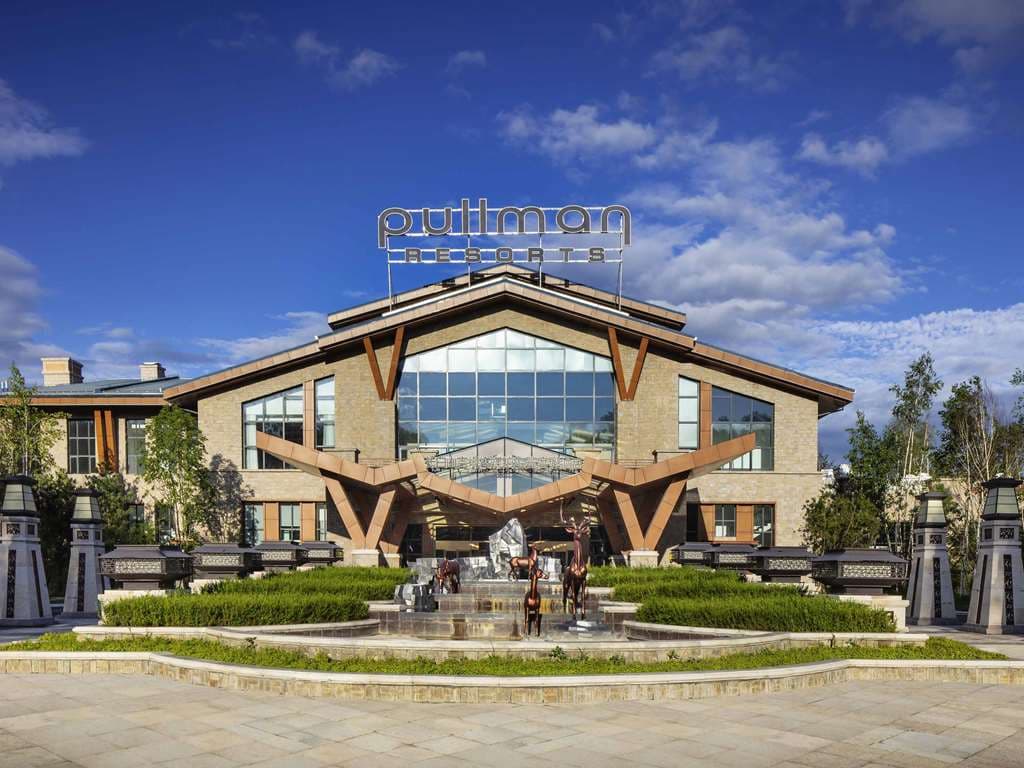
Forget the kitschy log cabin tropes often found in ski towns. The Pullman Changbaishan Resort is where Nordic cool crashes into the rugged, frozen soul of Northeast China. The architecture doesn’t just sit in the landscape; it defers to it, prioritizing verticality and sleek timber lines that mimic the towering birch forests outside. Inside, the vibe is strictly sanctuary-chic. The rooms are a triumph of 'new hardware'—crisp, functional, and blessedly warm. But the real draw is the balcony; step out, and you are effectively in the canopy. For dinner, bypass the standard international fare. The Ginseng Chicken at 'Yuehua' is medicinal, earthy, and essential after a day in sub-zero temps, while 'Song Jiang Taste' delivers a Stone Bowl Bibimbap that honors the region’s deep Korean roots. Service is polished but unobtrusive, allowing the secluded nature of the West Slope to take center stage. It’s a quiet power move of a hotel.
“Skip the morning rush and head to the Deer Park in the late afternoon. The Sika deer are more active, and the lighting for photos against the snowy backdrop is unmatched.”
Insider TipAvg. Nightly Rate
100USD