No. 01
SIVUTHA BOULEVARD SIEM REAP KHSiem Reap157 verified reviews
9
.4
Bitvoya Edit
Layering imagery, place, and detail before the page opens.
Siem Reap has transcended its reputation as merely the gateway to Angkor Wat to become a vibrant culinary capital in Southeast Asia. Our curated collection, 'Gastronomic Gateways,' highlights properties that treat dining as an art form. From the historic Old French Quarter, where colonial heritage meets fine dining, to the lush rice paddies surrounding Phum Baitang, these hotels offer more than just a stay—they offer a taste of Cambodia. Experience the bustling energy near the Old Market or the sophisticated calm of the Wat Bo neighborhood. Whether it is the Royal Khmer cuisine at Amansara or the farm-to-table concepts at Shinta Mani, your palate is in for a journey as profound as the temples themselves.
Siem Reap is experiencing a culinary renaissance. The properties in our 'Culinary Edition' are at the forefront of this movement, blending ancient Khmer recipes with modern gastronomic techniques. Choosing a hotel here is not just about a comfortable bed; it is about access to exclusive dining experiences. Hotels like Raffles Grand Hotel d'Angkor offer historical '1932' menus, while Amansara provides insight into the flavors once reserved for the King. This collection ensures that your travel itinerary is as delicious as it is cultural.
Expect more than just a buffet breakfast. The hotels in this curated list offer:
Amansara is renowned for its focus on Royal Khmer cuisine, utilizing high-quality local ingredients to recreate historical dishes fit for royalty.
Yes, properties like Phum Baitang Resort and Shinta Mani Angkor emphasize farm-to-table dining and offer extensive plant-based menus sourced from their own gardens.
Absolutely. Hotels such as Sofitel Angkor Phokeethra Golf & Spa Resort and Raffles Grand Hotel d'Angkor offer immersive cooking classes where you can learn to prepare traditional Cambodian dishes.
Explore our complete curated list of luxury accommodations, from boutique hideaways to grand dames.
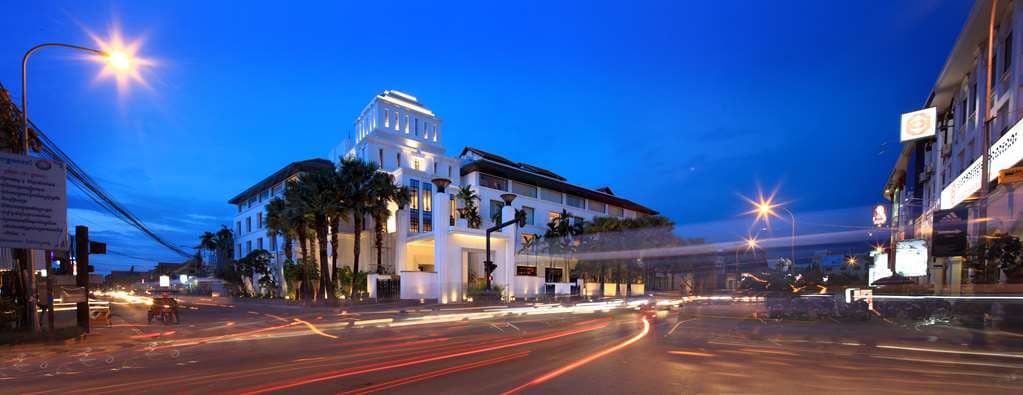
Explore All Siem Reap HotelsIt is a rare feat for a hotel to rival the majesty of the temples it serves, yet Bill Bensley’s monochromatic Art Deco vision for the Park Hyatt Siem Reap does exactly that. Standing on the site of the former Hotel de la Paix, this property functions less like a hotel and more like a gallery of Khmer modernism. The transition from the humid, Tuk-Tuk-clogged streets into the Living Room—with its soaring dome and ancient Banyan tree—is immediate and startling. The 104 rooms are studies in restraint, featuring Italian marble baths and polished wood floors that feel cool underfoot after a dusty Angkor sunrise. But the real draw here is the culinary credential; The Dining Room recently earned a **2025 Michelin Key** and rightfully so. Order the *Amok Trey* (steamed curried fish in banana leaf) during the evening Apsara performance—it is a cliché only if done poorly, and here, it is executed with French-technical precision. While the street-facing rooms can catch the hum of the city, the courtyard suites offer absolute silence. Between the saltwater lap pool and the Pevonia Botanica spa treatments, this is the definitive sophisticated basecamp for the modern temple-hopper.
“Book a courtyard-facing suite to completely bypass street noise. Also, the saltwater lap pool on the ground floor is significantly quieter than the free-form infinity pool above.”
Insider TipAvg. Nightly Rate
184USD
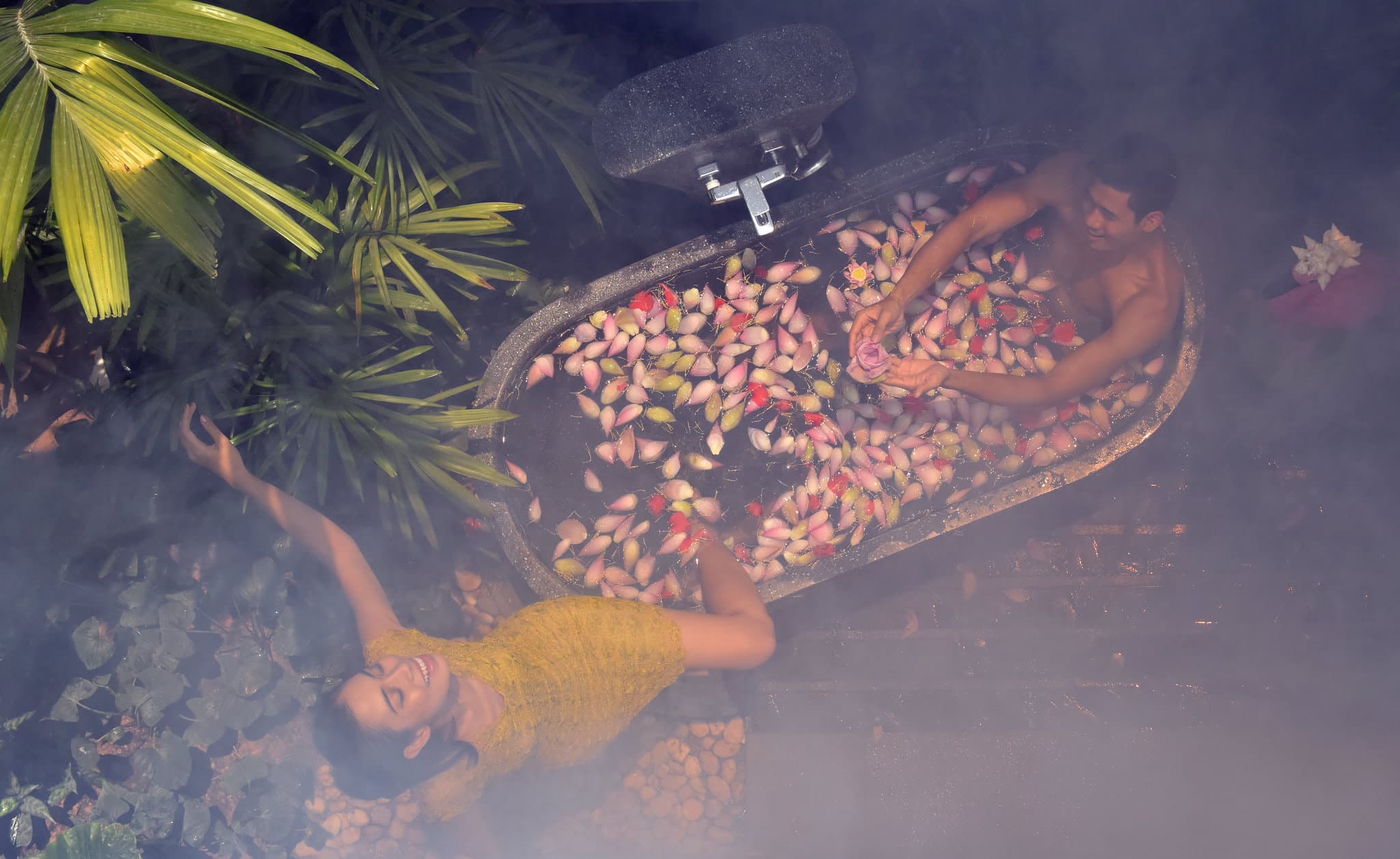
Forget the beige neutrality that plagues so many luxury outposts; Shinta Mani Angkor is a high-contrast jolt of Bill Bensley’s fever-dream imagination. Located a mere tuk-tuk ride from the Old Market, this property feels less like a hotel and more like a curated gallery of monochromatic Art Deco design, where Angkorian heritage gets a moody, theatrical remix. The visual drama begins at the checkerboard pool—a 20-meter strip of black-and-white tiles that demands to be Instagrammed—but the experience deepens in the corridors lined with lotus ponds and bespoken ironwork. The true pulse of the property, however, beats at Kroya by Chef Chanrith. Skip the standard tables and book one of the suspended swing beds on the terrace. Here, the seven-course tasting menu is a revelation of modern Khmer gastronomy, featuring audacious plates like the signature 26-day aged Beef Lok Lak and a tart, textural Red Ant Soup that challenges and delights the palate in equal measure. Service is where the hotel’s 'Open Doors, Open Hearts' philosophy transcends marketing speak; the staff, many graduates of the on-site hospitality foundation, deliver warmth that feels entirely unscripted. It is that rare philanthropic luxury model that actually works, ensuring your stay supports the local community without compromising an ounce of indulgence.
“Book a 'Bensley Collection' Pool Villa for a private plunge pool, but if staying in the main wing, request a second-floor room facing the inner courtyard for the best views of the iconic black-and-white pool.”
Insider TipAvg. Nightly Rate
167USD
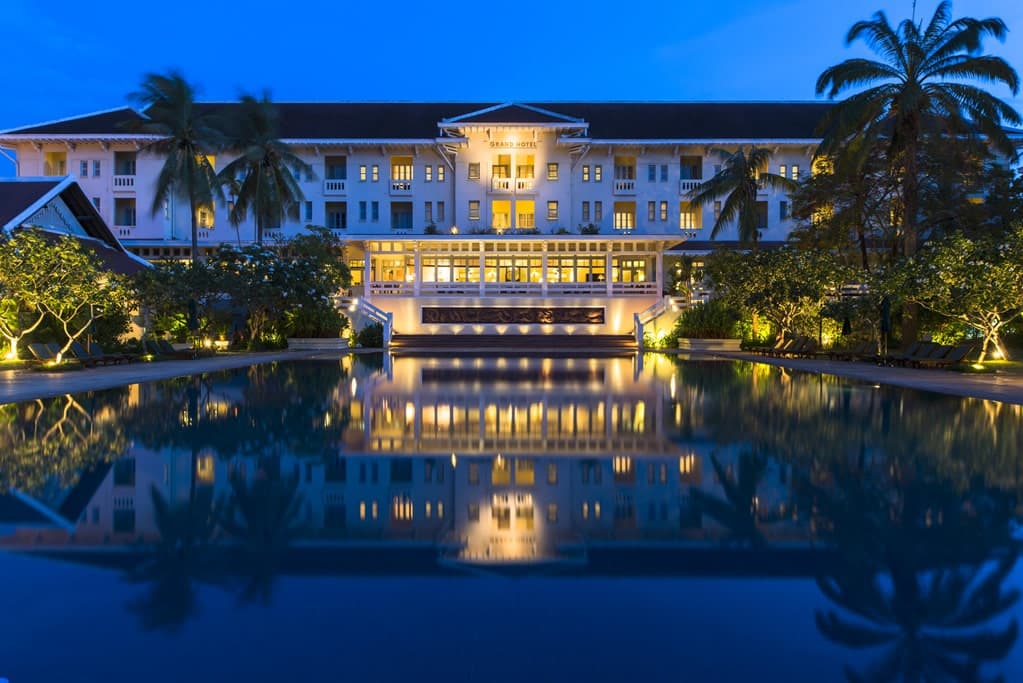
Grand Dames can often feel like museums where you aren't allowed to touch the exhibits. Raffles Grand Hotel d'Angkor is different; here, you are encouraged to drink the exhibits. Stepping into the lobby feels like walking onto a 1930s film set, complete with the original timber cage elevator that clanks with a mechanical heartbeat unmatched by modern lifts. While the base rooms (32sqm) are exercises in colonial restraint rather than sprawling excess, they feature period-correct tiling and heavy-wood gravitas that grounds you in the destination. The true immersion, however, requires a fork. Restaurant 1932 is an act of preservation, serving Royal Khmer cuisine based on recipes gifted by the palace—dishes once forbidden to commoners. The 1932 Fish Amok is mandatory; unlike the watery street versions, this is a rich, soufflé-like revelation of kroeung paste and river fish. Afterward, the Elephant Bar demands attendance. Ignore the wine list and order the Airavata, a cocktail as theatrical as the Aspara dancers performing nearby. The 35-meter pool, modeled after ancient Royal Baths, offers a reprieve from the temple heat, though the poolside service comes with a tariff that matches the history. It is expensive, yes, but for this level of tactile heritage, you pay the bill without complaint.
“Book a State Room in the Landmark Building for the highest ceilings, but ask specifically for a pool view to avoid street noise.”
Insider TipAvg. Nightly Rate
300USD
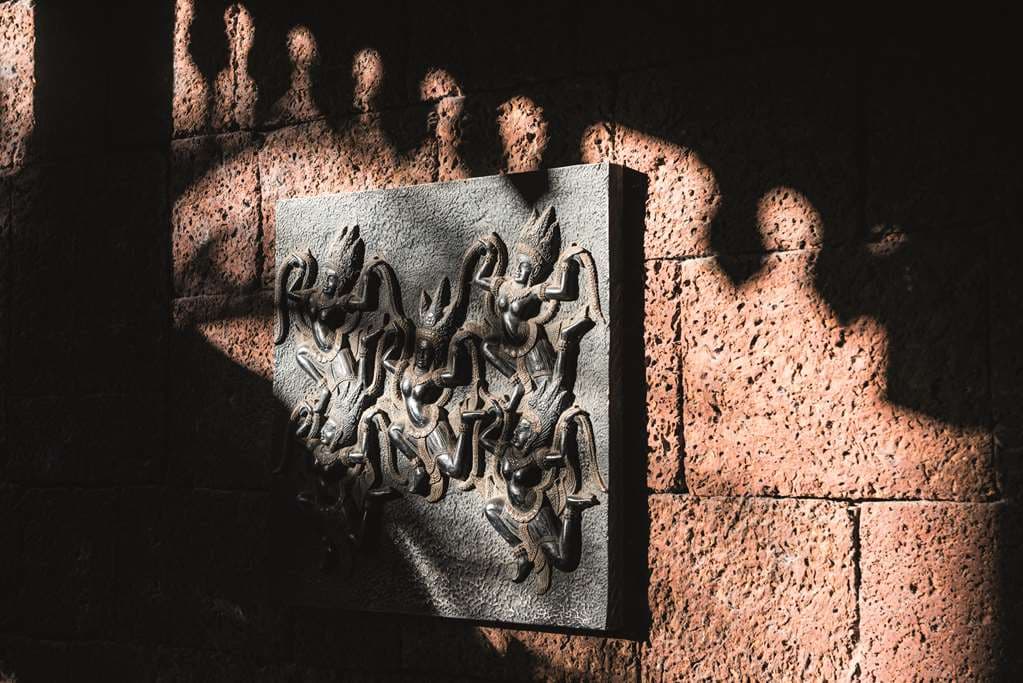
Angkor Wat may be the headline, but La Résidence d'Angkor is the story you’ll actually whisper to friends. It’s less 'hotel' and more 'aristocratic Khmer hideaway', situated just far enough from the Pub Street chaos to feel like a sanctuary. The aesthetic anchor is undoubtedly the saltwater pool—a 40-meter stretch of emerald tiles framed by frantic foliage—but the real draw for a palate like mine is **Spice Circle**. Forget the watered-down Amok you get in the tourist traps; here, the menu is a history lesson in Wat Bo regional cuisine. The signature Mekong Giant Prawns are grilled to a smoky, sweet perfection that demands you eat with your hands. For a lighter, sharper contrast, **Ember** offers an Asian-Latin fusion where organic salads come dressed in edible flowers—a vivid break from the heat. The rooms are study in dark hardwoods and Zen minimalism, though they come with quirks: the mattresses are firm enough to correct your posture overnight, and the lighting controls require a minor degree in electrical engineering. Yet, wrapped in a robe after a Kong Kea Spa treatment, watching the river, you’ll forgive the stiff bed. It is a gastronomic gateway that demands you eat first, explore temples second.
“The mosquito nets add romance but check for gaps—bring a clip or request a setup check from housekeeping. Also, book a ground-floor room for direct access to that emerald pool.”
Insider TipAvg. Nightly Rate
400USD
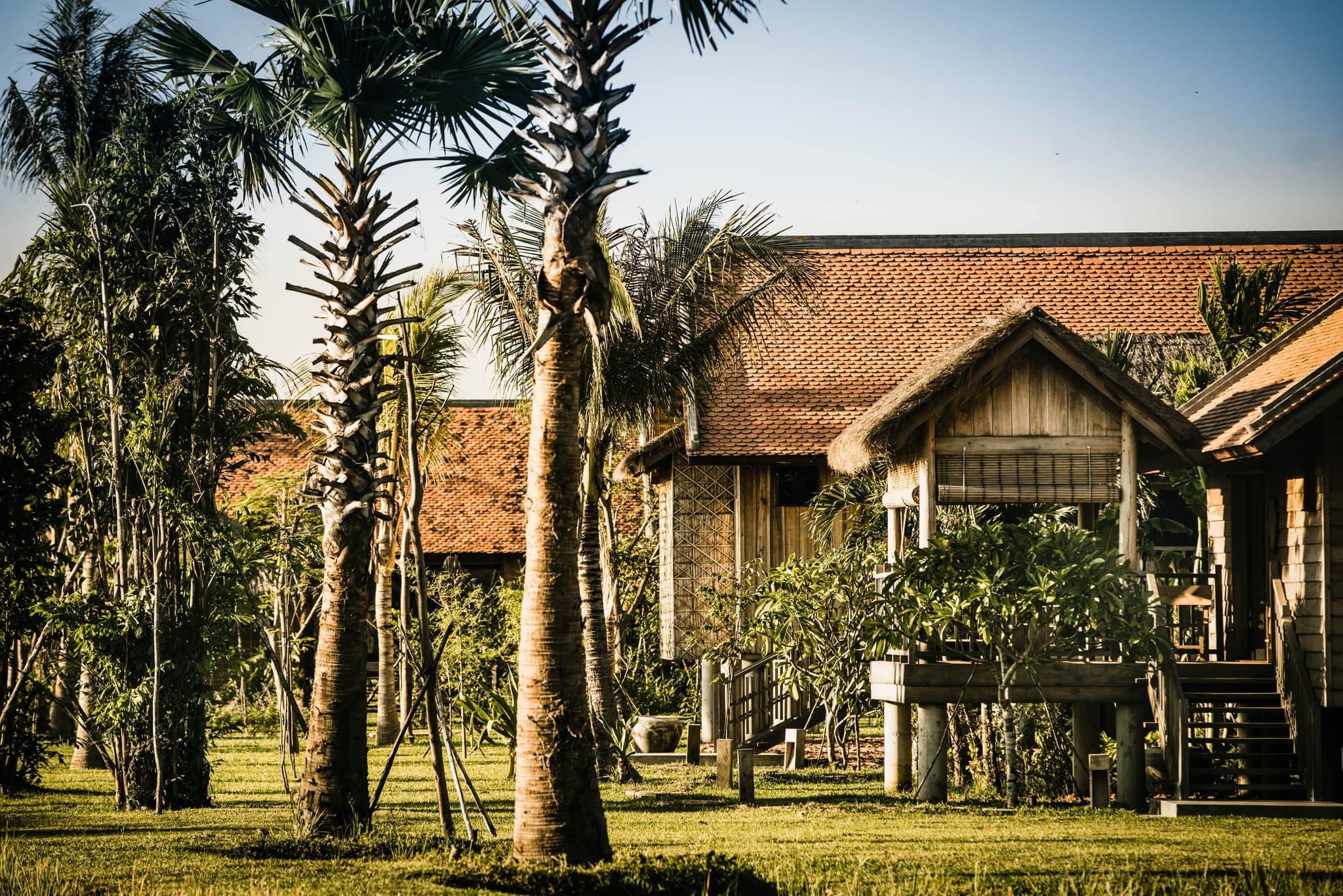
Forget the marble-lobby fatigue of standard five-star circuits. Phum Baitang (literally 'Green Village') doesn't just sit near Angkor Wat; it effectively transports you to a century-old Cambodian agrarian fantasy, now stamped with two freshly minted Michelin Keys. The arrival isn't a check-in; it's a decompression on a boardwalk cutting through eight hectares of working rice paddies, guarded by resident water buffaloes. The 45 stilted wooden villas by AW2 architecture are lessons in restraint—aged wood, woven bamboo shutters, and Zannier’s signature cavernous stone tubs. But the real theater is at 'Bay Phsar'. This isn't a restaurant; it's a curated simulation of a local market where menu anxiety is replaced by tactile selection. You don't just order the 'Bangkia Bampong' (crispy shrimp); you pick the lemongrass and galangal from the basket for the chef to pound into the kroeung paste. It’s paddy-to-plate without the marketing brochure preaching. Evenings require a migration to the 100-year-old repurposed farmhouse, now the Sunset Lounge, for gin tonics before hitting 'Hang Bay' for sea bass crusted in Kampot pepper. The service is telepathic, the 50m black-stone infinity pool is a silken mirror, and the silence is heavy, broken only by the frogs. It is, quite simply, the most sophisticated village in Southeast Asia.
“Book a Pool Villa on the western edge (Villas 35-40) for unblocked sunset views over the paddies, and order the 'Garden Pizza' at Bay Phsar—it uses wild basil grown 20 meters from your table.”
Insider TipAvg. Nightly Rate
500USD
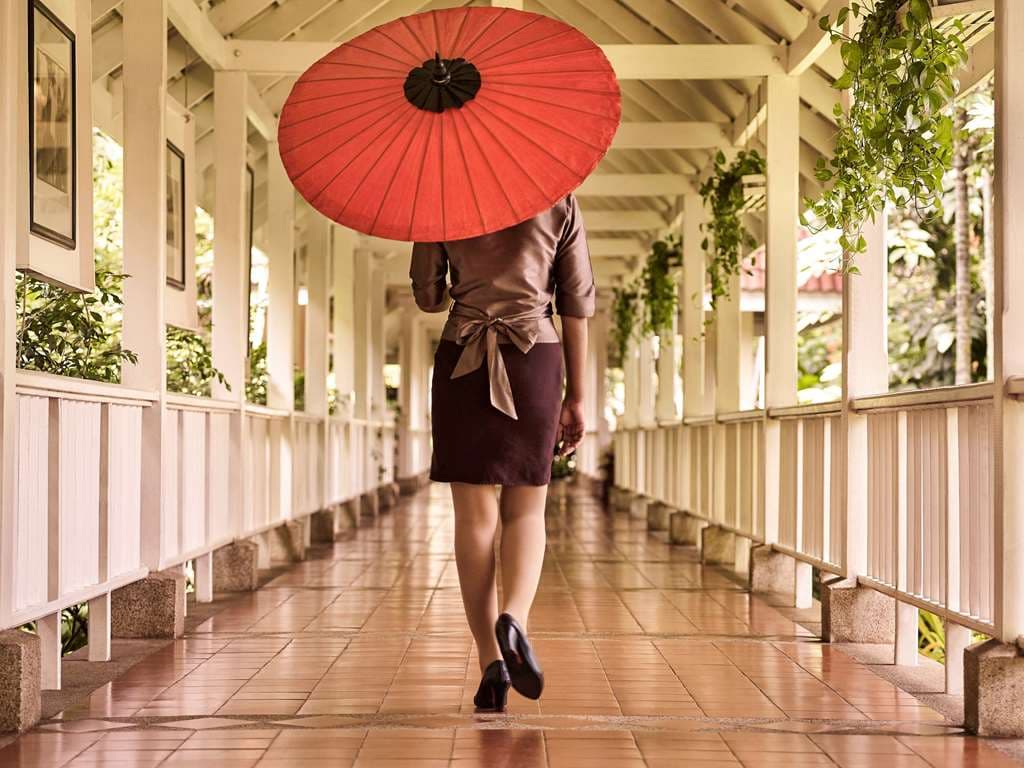
While Siem Reap teems with edgy boutique properties, the Sofitel Angkor Phokeethra remains the city’s unapologetic Grande Dame—a sprawling estate where the chaotic hum of tuk-tuks dissolves into the manicured silence of a 2024 Green Globe-certified botanical sanctuary. The arrival experience is pure theater: a uniformed 'Bonjour' followed by a walk across hardwood floors that gleam with a century of colonial nostalgia. The 238 rooms, though lacking the inductive charging pads of their Gen-Z competitors, offer a tactile luxury that technology can't replicate: heavy silk curtains, L’Occitane amenities that scent the air with verbena, and a serenity that is absolute. A note for the sensitive sleeper: the mattresses lean towards a traditional firmness, so request a plush topper before unpacking. But the true draw for the culinary traveler is *Mouhot’s Dream*. Overlooking the Sala Lake, this venue justifies its frequent accolades (including a recent nod in Condé Nast Traveler’s 2024 Readers’ Choice Awards) with unpretentious French precision. The pan-fried scallops are seared to a translucent pearl, while the duck leg confit offers a crackling richness that demands a bold Bordeaux from their extensive cellar. It is a dining experience that feels less like a hotel meal and more like a secret supper club for the diplomatic corps.
“Skip the main breakfast rush for a serene start; instead, request a table on the 'Explorer's Tales' terrace for Champagne High Tea in the late afternoon—the scones are arguably the best in the province.”
Insider TipAvg. Nightly Rate
181USD
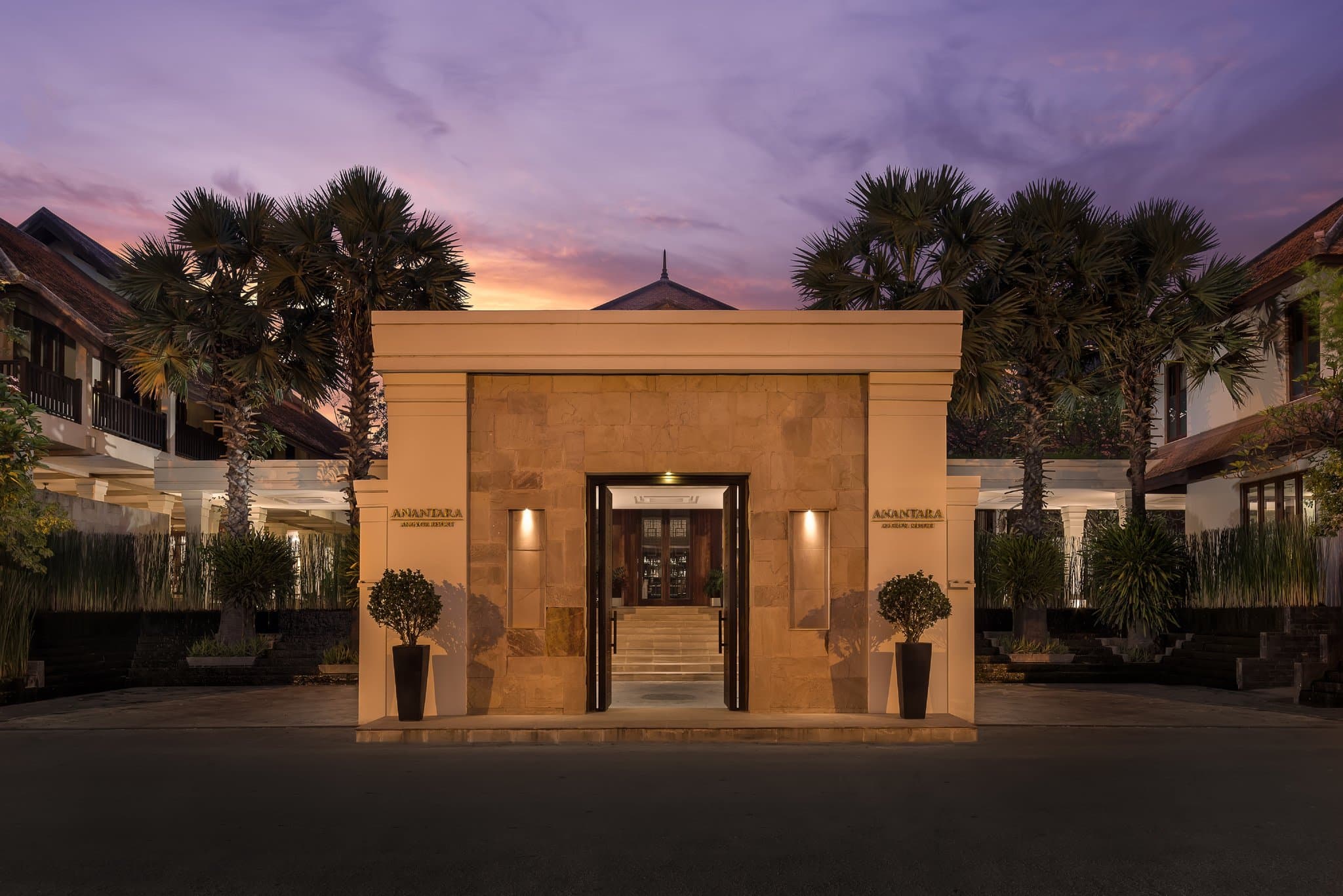
Forget the uninspiring arrival via the airport highway; Anantara Angkor Resort is a masterclass in misdirection. Once you cross the threshold, the dust of Siem Reap vanishes, replaced by the silence of a monastery and a signature foot ritual that scrubs away the outside world. While the 39 suites—lavish expanses of teak floors and hand-woven silk—are reason enough to check in, the real draw for the epicurean is the 'Spice Spoons' program. This isn't your standard hotel cooking class; it’s a dawn raid on the local market followed by a tutorial in the delicate, aggressive balance of Khmer flavors. Dinner at Chi Restaurant continues the education. The Mekong Lobster Tom Yum is a revelation—sharp, sour, and teeming with river sweetness—while the Kep Crab Cake offers a textural counterpoint to the city’s heat. The saltwater pool, a geometric echo of the royal Srah Srang baths, provides a necessary cool-down. Service is telepathic, likely why it snagged the #1 spot in DestinAsian’s 2024 Readers’ Choice for Cambodia. It’s not just a hotel; it’s a fortress of flavor.
“Book the 'Henri Mouhot Suite' (an Elite Traveler 2024 award winner) for its sandstone bas-relief headboard, and request a 'Dining by Design' dinner in the central courtyard temple.”
Insider TipAvg. Nightly Rate
195USD
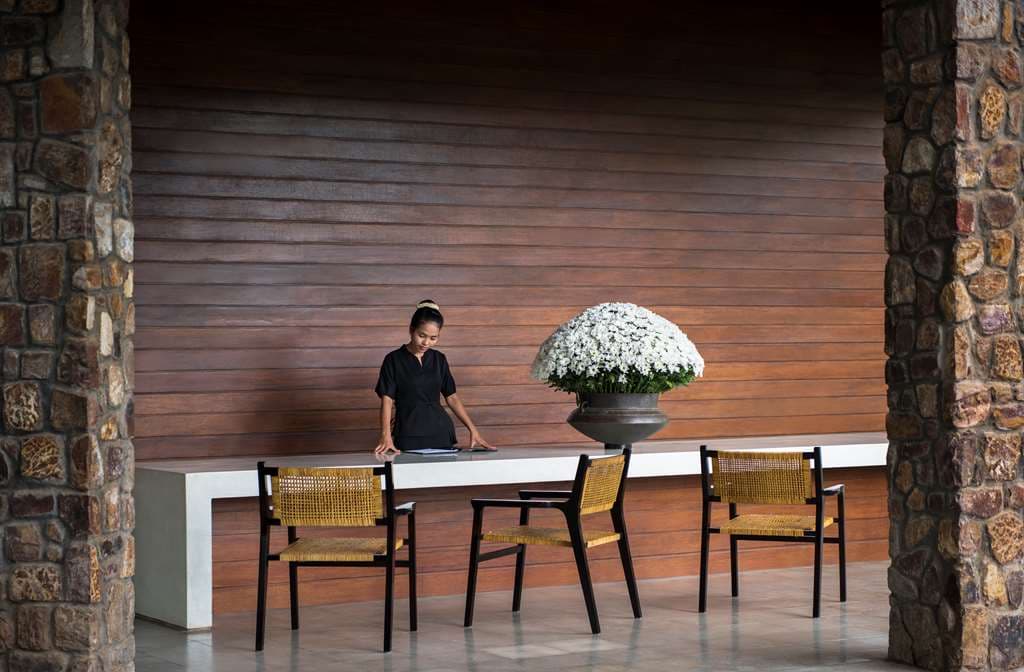
If James Bond were a monk with a penchant for charcoal-grilled catfish, he’d stay at Amansara. There is no lobby, no gold leaf, and certainly no televisions to disrupt the stark, monochromatic silence of this former royal guesthouse. You arrive not by shuttle bus, but in a 1962 vintage Mercedes limousine, stepping into a world where Kerry Hill’s masterful renovation of New Khmer Architecture feels less like a hotel and more like a secret society headquarters. The suites are exercises in terrazzo and restraint, many with private courtyards that demand you disconnect. But the real culinary drama happens off-site. The 'Gastronomic Gateway' here isn't the main circular Dining Room (though the Beef Cheek Saraman Curry is excellent); it is the Khmer Village House. You are whisked by remork to a traditional wooden home within the Angkor park, where breakfast involves watching your *Nom Ben Chok*—fresh rice noodles with fish gravy—prepared over open charcoal fires while the jungle wakes up. It’s smoky, visceral, and lightyears away from a buffet line. Back at the property, the curved slate pool offers a geometric cool-down, but the service is the real luxury: invisible until you need a lime soda, at which point it appears instantly.
“Book the Khmer Village House for breakfast, not dinner—the morning light over the village is superior, and the noodle preparation is a visual feast.”
Insider TipAvg. Nightly Rate
1650USD
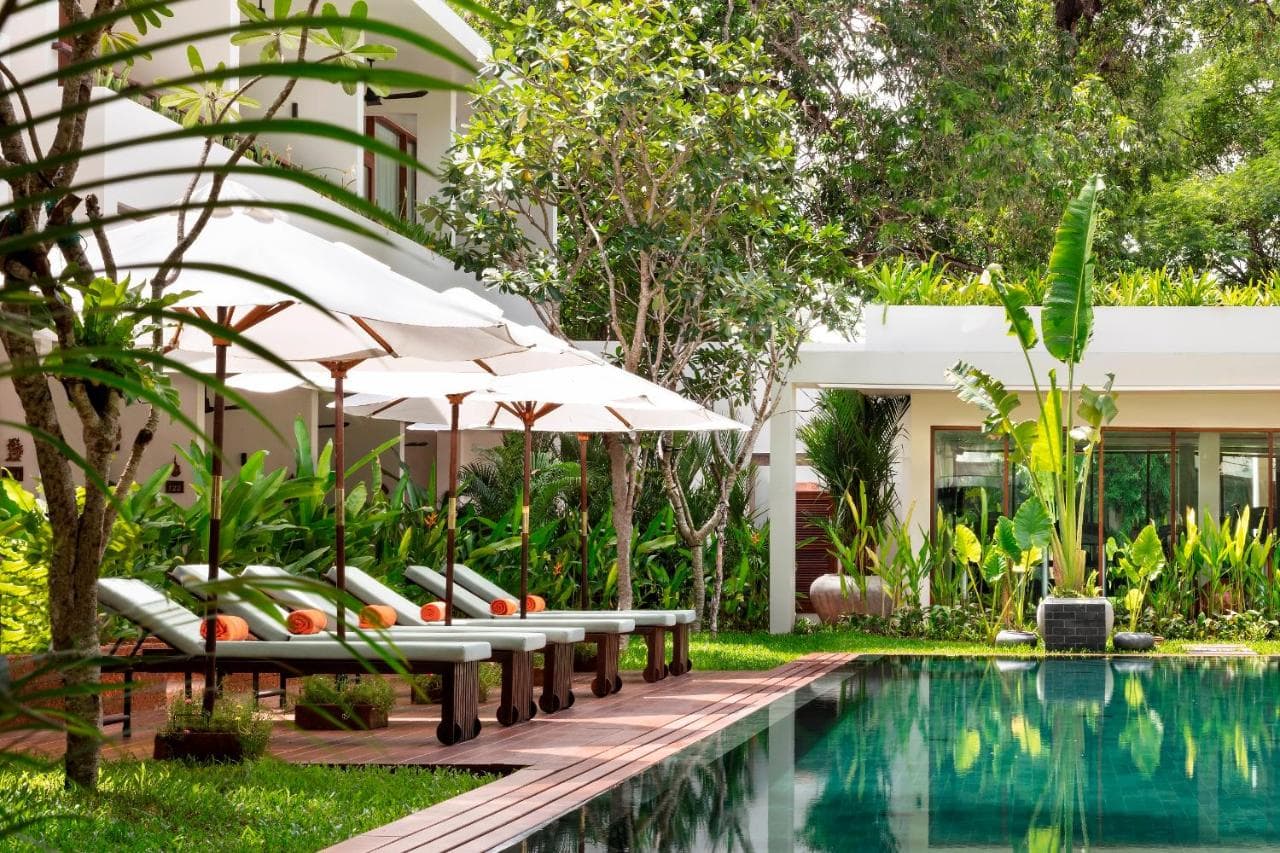
If walls could talk, the FCC Angkor by Avani would be the city's most scandalous gossip. Once the French colonial Governor’s residence and later a watering hole for war correspondents, this isn't just a hotel—it’s a living, breathing archive of Indochina cool. But for the modern traveler, the real scoop isn't the history; it's the menu. The property anchors itself around 'The Mansion,' a structure that wears its Art Deco bones with a casual, unbuttoned elegance. Here, the kitchen takes risks that pay off. The Fish Amok is textbook perfection, rich with coconut and river soul, but the daring will order the Grilled Crickets—a crunchy, smoky rite of passage that pairs shockingly well with a crisp Sauvignon Blanc. Post-dinner, the action migrates to the Scribe Bar. Beneath the sprawling banyan tree, order a 'Pretty Writer' or the signature FCC Negroni. It’s the kind of spot where you linger too long, seduced by the humidity and the shadows. The rooms are a study in restraint—think dark woods, brass accents, and 400-thread count linens—though the Wi-Fi can feel as vintage as the architecture. And yes, you might spot a lizard near the black-bottomed saltwater pool. Don’t shriek; in this open-air garden oasis, they were here first. **Verdict**: A sophisticated culinary basecamp that trades generic luxury for genuine character.
“Book a ground-floor Heritage Courtyard Room for direct access to the black-bottomed lap pool—perfect for a pre-breakfast dip before the heat sets in.”
Insider TipAvg. Nightly Rate
150USD