No. 01
1 8 1 Shimomeguro. Tokyo Japan 1530064Tokyo507 verified reviews
9
.2
Bitvoya Edit
Layering imagery, place, and detail before the page opens.
In the hyper-modern metropolis of Tokyo, silence is the ultimate luxury. Beyond the neon lights of Shinjuku and the bustle of Shibuya lies a secret world of serenity: luxury hotels built around centuries-old Japanese gardens. These properties are not merely places to sleep; they are custodians of history, preserving lush landscapes that date back to the Edo period. From the misty camellia hills of Bunkyo ward where Hotel Chinzanso Tokyo stands, to the museum-quality artistry of Hotel Gajoen in Meguro, these sanctuaries offer a direct connection to nature. Staying in these curated havens allows travelers to experience the changing seasons—from cherry blossoms to autumn leaves—without ever leaving their accommodation, providing a perfect 'Zen' counterpoint to the city's electric energy.
Tokyo offers a unique juxtaposition where futuristic architecture meets ancient landscaping. Choosing a hotel with a historic garden provides a distinct advantage: the ability to retreat into a traditional 'Kaiyu-shiki' (stroll garden) immediately after exploring the city. Hotels like The New Otani's Executive House Zen boast a 400-year-old garden that once belonged to a samurai lord, featuring vermilion bridges and waterfalls. Similarly, The Prince Sakura Tower Tokyo sits within a 20,000 square meter garden, offering a rare expansive green space in the high-density Takanawa area. These properties ensure that your stay is not just about luxury amenities, but about cultural immersion and mental restoration.
To experience these zen sanctuaries, focus on specific wards known for their preservation of history:
Guests staying at these properties can expect more than just a view. Most historic hotel gardens in Tokyo feature koi ponds, stone lanterns, and tea houses. For instance, Hotel Gajoen Tokyo in Meguro offers an indoor atrium garden and an outdoor waterfall, creating a museum-like atmosphere. Expect exclusive access hours for guests, seasonal light-ups (illuminations), and the opportunity to participate in tea ceremonies. Whether it is the waterfall at New Otani or the cherry blossoms at Prince Sakura Tower, these hotels transform a standard trip into a deeply restorative journey.
Policies vary. Hotel Chinzanso Tokyo's garden is open to the public, but Hotel New Otani usually restricts its garden to guests and restaurant patrons. It is best to check each hotel's specific policy.
Hotel New Otani Tokyo boasts one of the most significant historic gardens, spanning 10 acres with a 400-year history. The Prince Sakura Tower also connects to a massive 20,000 sqm garden.
Spring (late March to early April) for cherry blossoms and Autumn (late November) for red maple leaves are the most spectacular times, though bookings should be made months in advance.
Explore our complete curated list of luxury accommodations, from boutique hideaways to grand dames.
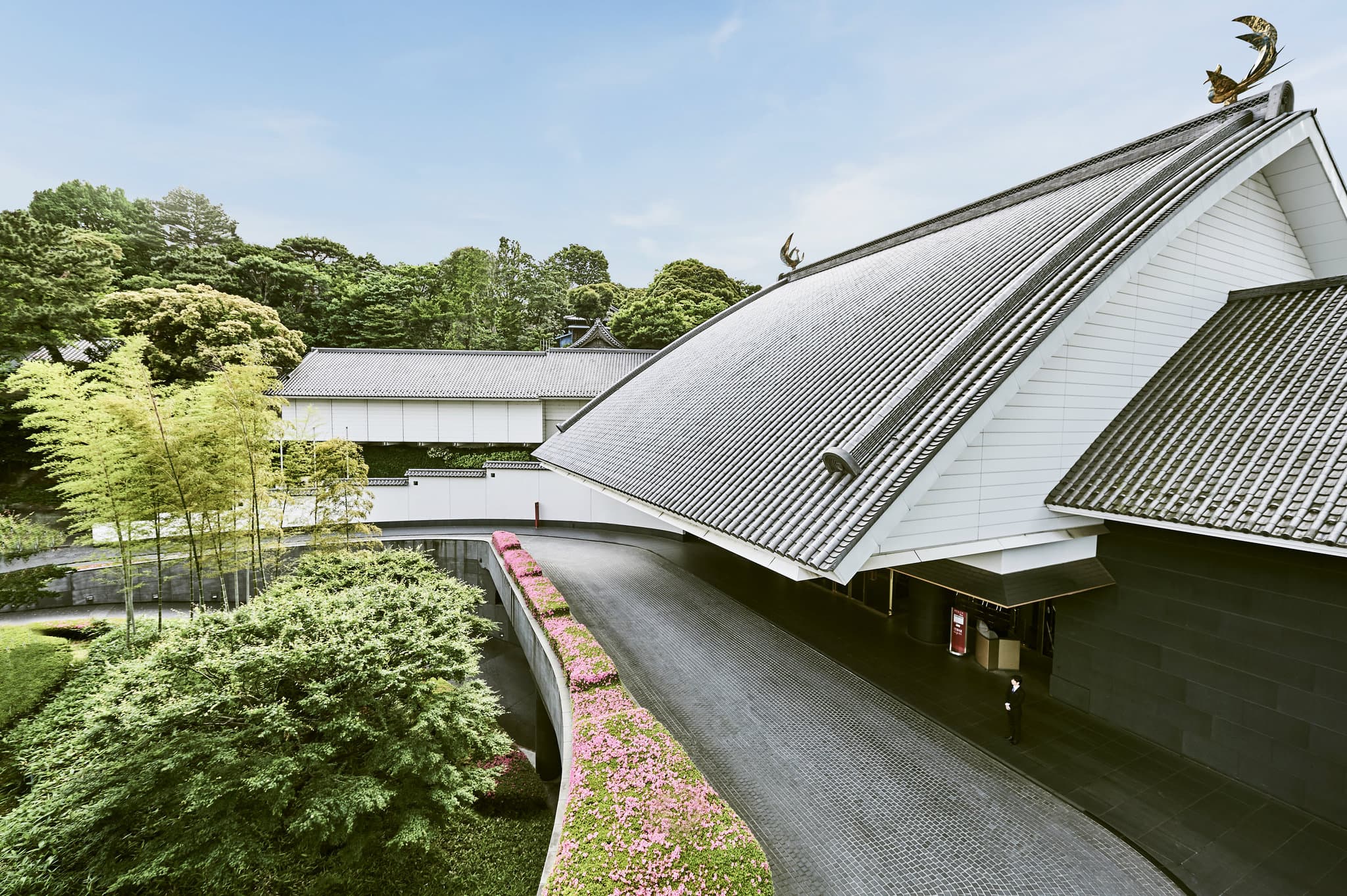
Explore All Tokyo HotelsForget the beige minimalism currently sweeping Tokyo’s luxury landscape; Hotel Gajoen is a riot of Showa-era opulence that demands attention. Often dubbed a 'Museum Hotel,' this property is less a place to sleep and more a habitable art installation, channeling the mythical Ryugu-jo (Dragon Palace) with corridors clad in mother-of-pearl and relief carvings. The sensory overload in the atrium—complete with thundering waterfalls—gives way to surprisingly serene accommodations. Even the 'basic' entry-level suites clock in at a massive 80 square meters, a rarity in this vertical city. Inside, the wellness proposition is intimately private. Instead of a communal spa, every suite features a private steam sauna and jet bath, stocked with Omnisens Paris amenities—perfect for decompressing after conquering the steep Gyoninzaka hill outside. Dining is equally theatrical; skip the standard buffet for Ristorante Canoviano, where Chef Uetake’s signature Chilled Capellini with Shrimp redefines 'Natural Italian' without heavy butter or cream. It’s a polarized experience: strict minimalists may find the lacquerwork dizzying, but for those seeking a deep dive into Japanese aesthetic history without sacrificing Dyson-grade modern comforts, Gajoen is an unmissable technicolor sanctuary.
“Book the exclusive 'Hyakudan Kaidan' (The Hundred Stairs) tour early in the morning before it opens to the public to see the cultural property without the crowds.”
Insider TipAvg. Nightly Rate
450USD
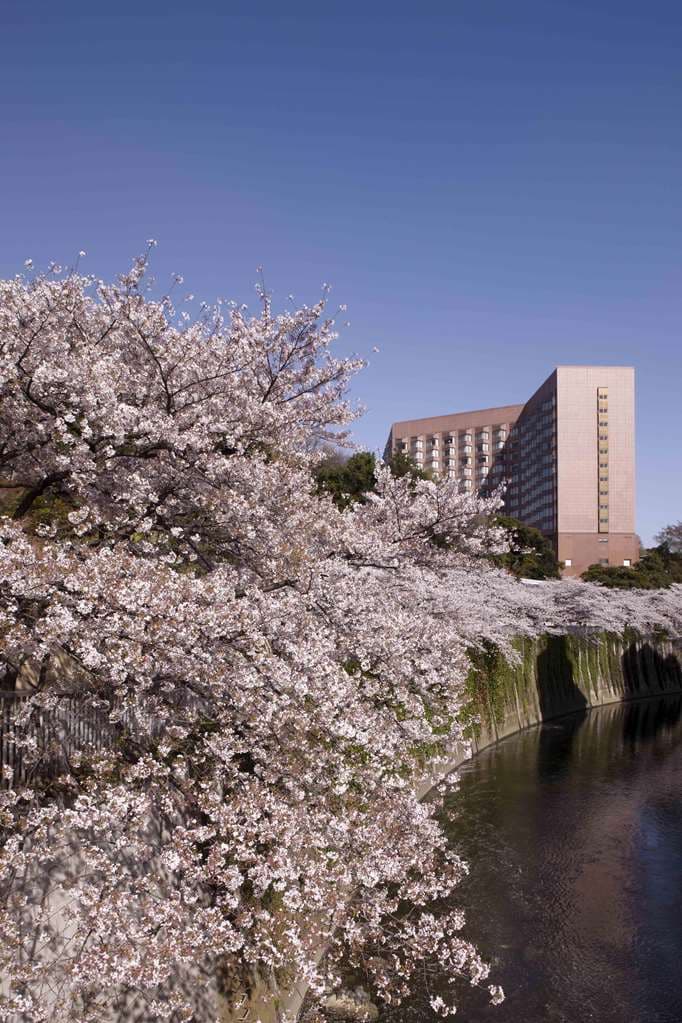
If you prefer your Tokyo frenetic and neon-lit, stay in Shinjuku. Hotel Chinzanso Tokyo is for those who want their city break served with a side of theatrical horticulture. The headline act here isn’t the lobby—though the marble expanse is suitably imposing—but the garden, a Meiji-era masterpiece where the hotel recently decided nature wasn't dramatic enough and installed a 'Sea of Clouds' mist system. It sounds gimmicky, but watching the red Benkei Bridge vanish into a manufactured fog is undeniably effective. Inside, the property leans into a European classical aesthetic that teeters on the edge of dated, but saves itself with sheer scale. Entry-level rooms clock in at a massive 45 square meters—palatial by Tokyo standards—fitted with weighty curtains and L'Occitane amenities. Dining is a serious affair; skip the room service club sandwich and book a table at Mokushundo for stone-grilled Wagyu on lava rock from Mt. Fuji. The service is precisely what you’d expect from a Japanese institution: anticipatory, formal, and unflappable. It’s a trek from the subway, yes, but that’s the price of admission for a resort that feels like a feudal lord’s country estate dropped into Bunkyo-ku.
“Request a 'Garden View' room on a higher floor. The city side is fine, but you're paying the premium for the view of the Pagoda and the sea of mist at dawn.”
Insider TipAvg. Nightly Rate
350USD
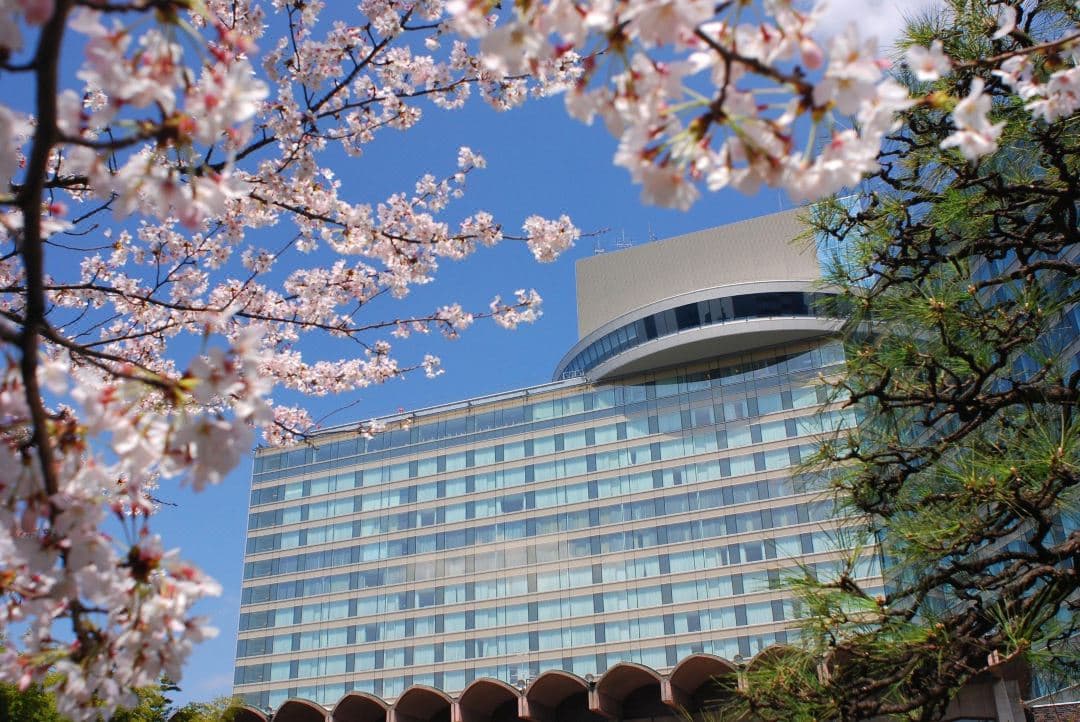
It is a paradox typical of Tokyo: the city’s quietest sanctuary sits atop one of its largest mega-hotels. Occupying the 11th and 12th floors of the massive Hotel New Otani, Executive House Zen functions as a fortress of solitude, a 'hotel-within-a-hotel' where the frenetic energy of Akasaka dissolves into the scent of bamboo and washi paper. Upon arrival, you are whisked past the main lobby’s clamor to a private enclave for a welcome glass of ginger ameyu. The aesthetic here is strictly 'sumi-e' chic—think charcoal greys, ink-wash carpets, and bonsai-accented corridors that feel more ryokan than high-rise. Inside the rooms, deep stone tubs and Salvatore Ferragamo amenities await, but the real draw is the exclusive access to the property's 10-acre Japanese garden. Originally belonging to a samurai lord, its scarlet bridges and ancient stone lanterns provide a surreal, historic backdrop to your morning espresso. Critically, the 'Zen' concept extends to your palate. The Executive Lounge is legendary, offering not the usual stale canapés but six daily culinary presentations, including Pierre Hermé croissants at breakfast and the hotel's famous double consommé. While the main building’s public areas feel trapped in the 1980s, the Zen wing remains a razor-sharp exercise in modern Japanese omotenashi. It is the only way to experience this historic property.
“Book a 'Shin-Edo' room for a private hinoki cypress bathtub and complimentary premium sake. Also, the Zen Lounge serves the hotel’s famous SATSUKI sponge cake—don't miss it.”
Insider TipAvg. Nightly Rate
600USD
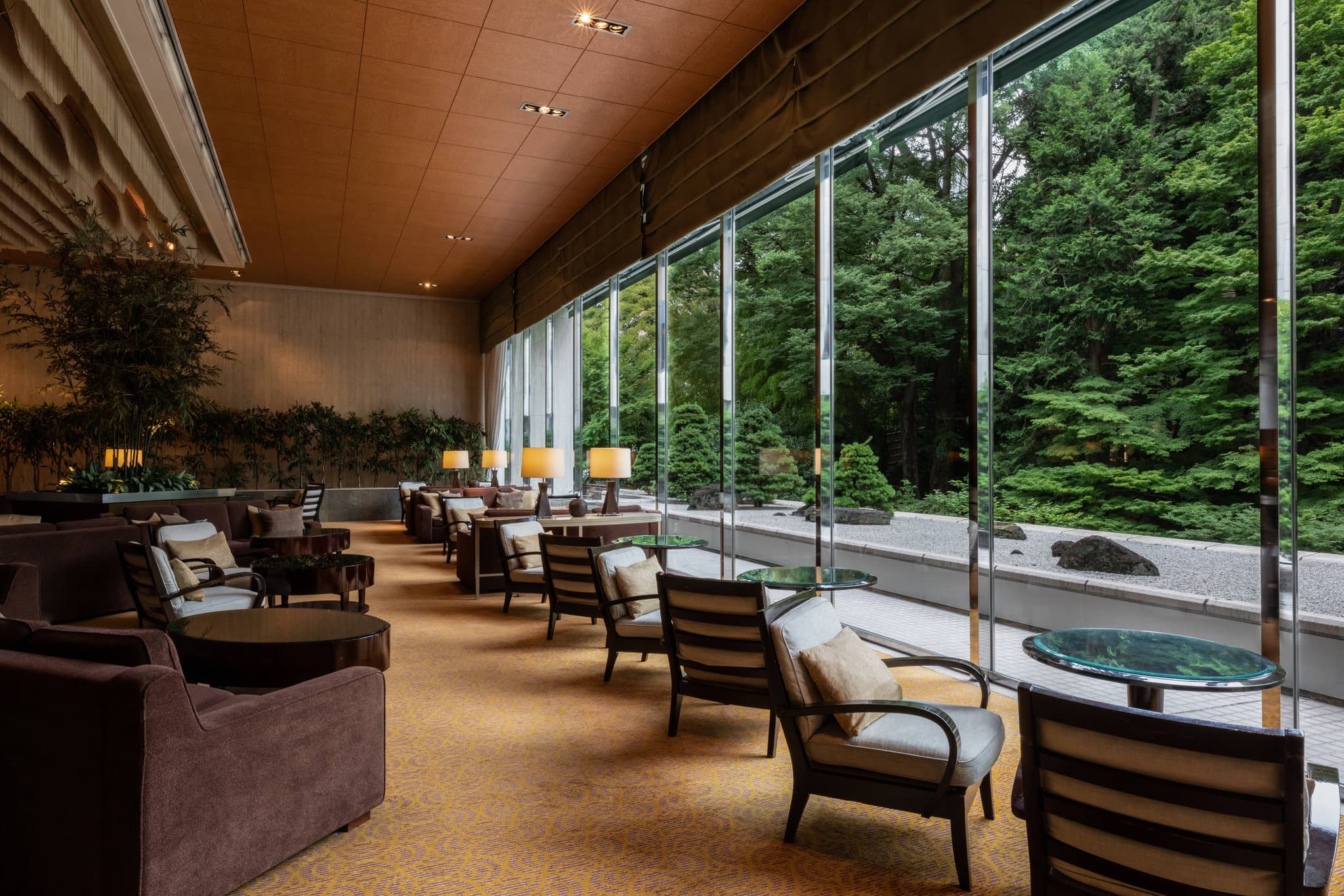
In a city defined by neon velocity, the Sheraton Miyako Hotel Tokyo is a study in mid-century restraint. Located in the polished Shirokane district—Tokyo’s answer to the Upper East Side—this 1979 landmark feels less like a hotel and more like the private estate of a well-traveled diplomat. The real architecture here isn't the building, but the sprawling Japanese garden, a manicured Eden of stone paths and waterfalls that makes the nearby Platinum Don Quijote seem like a fever dream. Inside, the vibe is strictly 'adult hideaway.' The Lobby Lounge BAMBOO frames the greenery through floor-to-ceiling glass, best enjoyed before retreating to the M Bar, where leather sofas and live jazz encourage a slow burn. Rooms are refreshingly analog, prioritizing square footage over gimmicky tech, though the Technogym-equipped fitness center keeps things current. Dining is a serious affair; skip the fusion and head straight to Shisen for the Mapo Tofu, a dish so authentic it practically hums with Sichuan pepper. It’s not for the party crowd—especially with the pool off-limits to small children—but for those seeking silence, it’s a revelation.
“Book a table at Shisen to celebrate their recent Ministry of Health, Labour and Welfare Award commemoration menu, and ask for a garden-facing room to wake up to Tokyo's greenest view.”
Insider TipAvg. Nightly Rate
185USD
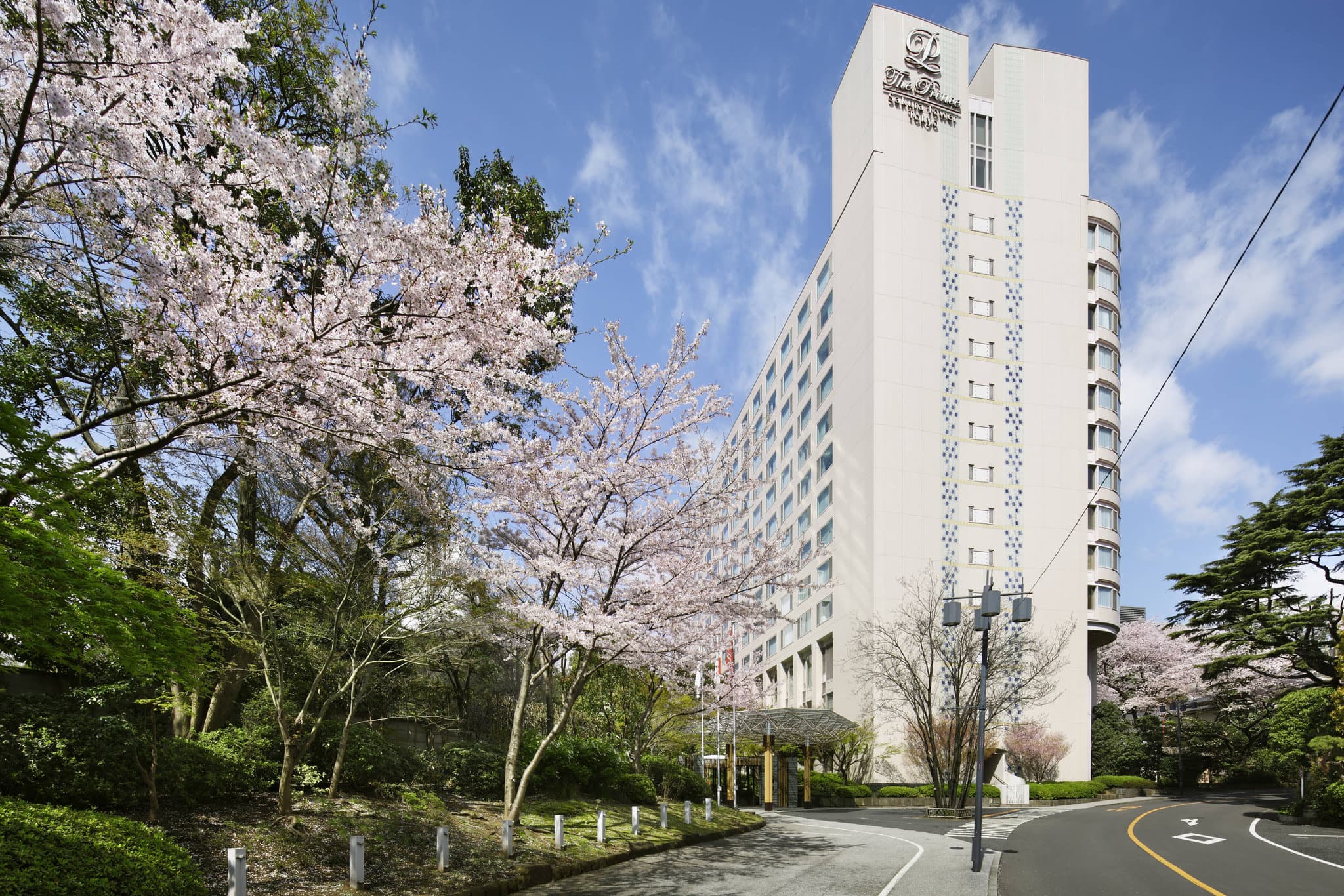
In a city defined by vertical density, The Prince Sakura Tower Tokyo offers a rare horizontal luxury: space to breathe. Anchored by a 20,000-square-meter historic garden shared with its sister Prince properties, this hotel feels less like a corporate stay and more like a ryokan reimagined for the modern executive. The draw here isn’t trendy minimalism but established, textural comfort. Entry-level rooms are a staggering 46 square meters—monolithic by Tokyo standards—featuring large picture windows that frame the garden’s 17 varieties of cherry trees. While the hardware (carpets, wood paneling) leans towards a 'classic' mid-2010s aesthetic rather than cutting-edge chic, the sensory details are sharp: bubbling jet baths in every room, plush linens, and the scent of cherry blossoms pervading the lobby. Dining is a highlight; *Ristorante Caffe Ciliegio* serves competent Italian using Japanese ingredients, but the real showstopper is the garden view during breakfast. For wellness, *Spa the Sakura* utilizes original Japanese herbal products, reinforcing the property's connection to nature. It is a quiet, confident retreat for those who prefer the sound of temple bells to the roar of Shibuya Crossing.
“Marriott Platinum and Diamond members get a 'Lounge Hopping' pass, granting access to the executive lounges of all three adjacent Prince hotels—a rare triple-dip benefit.”
Insider TipAvg. Nightly Rate
265USD
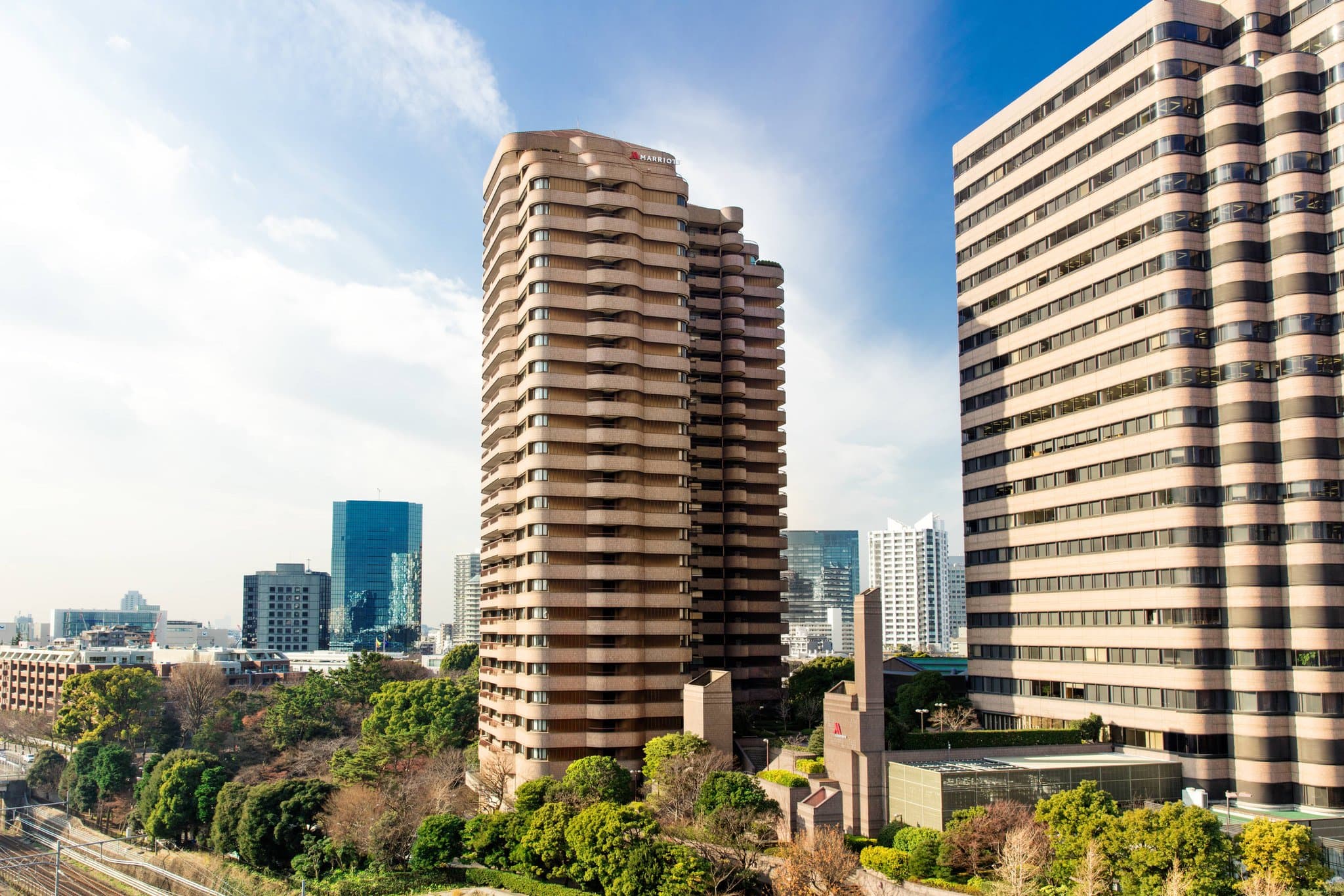
While much of Shinagawa feels like a shrine to the salaryman, the Tokyo Marriott Hotel offers a rare pivot to the pastoral. Sited on Gotenyama, a hilltop once immortalized in Hokusai’s woodblock prints for its cherry blossoms, the property leans heavily into its botanical heritage. The adjacent Gotenyama Garden is the real draw here—a lush, living artifact that allows you to walk off your jet lag amidst centuries of Tokyo history. Inside, the vibe shifts from Edo serenity to polished international efficiency. The lobby’s Lounge & Dining G is a soaring glass atrium that feels appropriately metropolitan, serving up a legendary ‘Marriott Burger’ that justifies its cult following. Upstairs, the standard rooms are a shock to the system in the best way: at 38 square meters, they are positively palatial by local standards. While the bathrooms can feel a touch retro with their shower-in-tub configurations, the ‘This Works’ amenities and crisp 300-thread count linens smooth over the edges. It’s a trade-off: you sacrifice the immediate chaotic charm of Shibuya for space, silence, and a shuttle bus ride to the station.
“Skip the standard city view; specifically request a high-floor room facing the Gotenyama Garden to wake up to a sea of green rather than concrete.”
Insider TipAvg. Nightly Rate
260USD
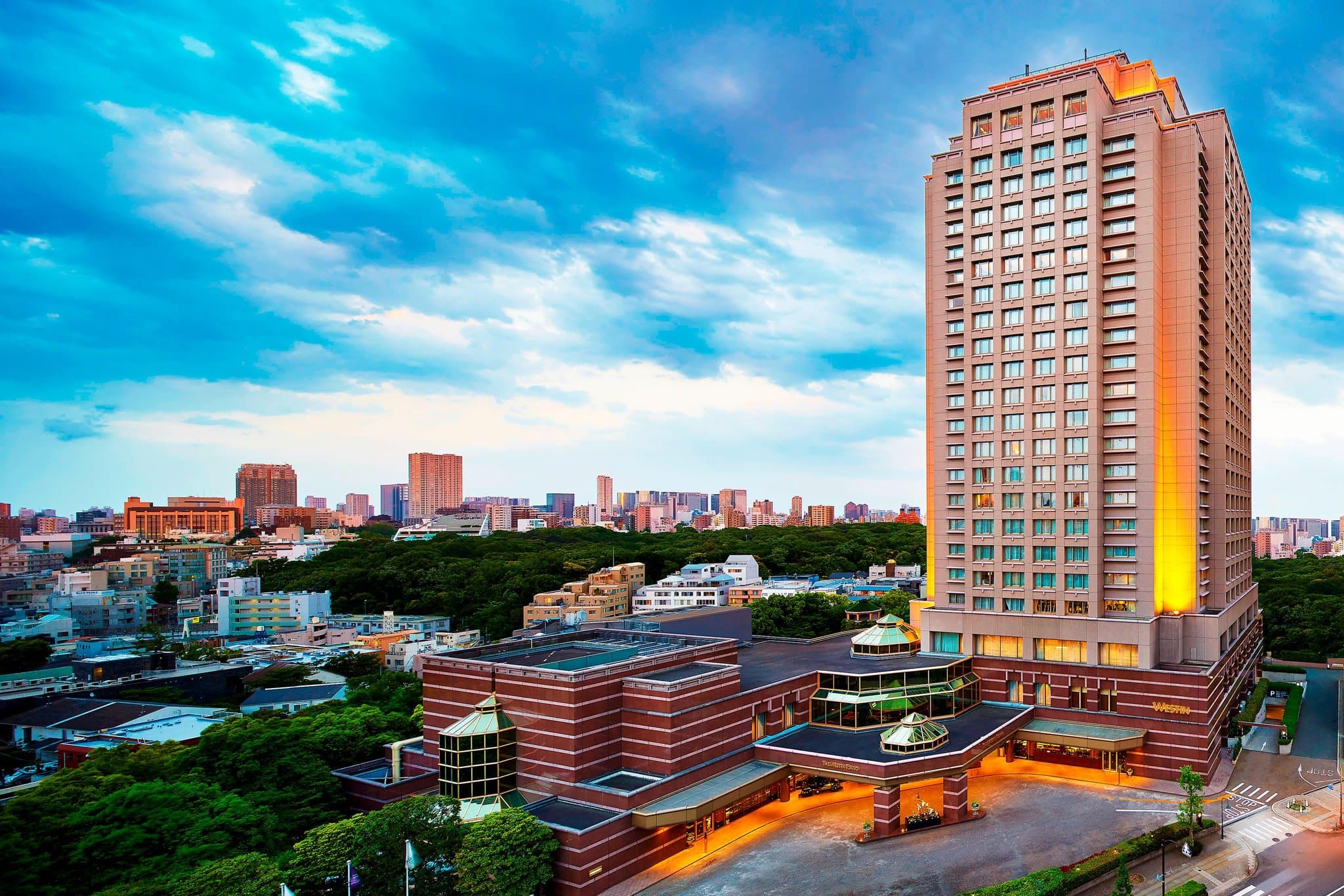
If Tokyo is a study in sensory overload, The Westin Tokyo is its grand, marble-clad recalibration. Located in the manicured enclave of Yebisu Garden Place, this hotel doesn't just whisper luxury; it proclaims it with a Spiral Grand Marble Staircase that feels airlifted from a French chateau. Yet, the real flex here isn't the European opulence—it’s the subversion of it. Step outside, and you are instantly transported to the ‘Valley of Philosophy,’ a dedicated Japanese garden so moss-quiet and seasonally profound it feels miles from the Yamanote Line. Post-renovation, the rooms retain their bragging rights as some of the largest standard footprints in the city (42 sqm), now refreshed with a ‘Modern Heritage’ aesthetic that ditches the heavy drapery for lighter, sophisticated hues. While the walk via the Skywalk to Ebisu Station takes a moment, it separates you from the Shibuya crush. Dining is a serious affair: skip the general buffet for Ryutenmon, where the Cold Tan-tan-men has a cult following. For wellness, Le Spa Parisien offers a rare European-style treatment menu using Gemology products, a tactile shift from the city's usual shiatsu-heavy offerings. Verdict: A sophisticated paradox that works.
“Ask for a room on the north side for unblocked views of Tokyo Tower. Also, the 'Valley of Philosophy' garden is open to guests—early morning is best for solitary meditation before the city wakes.”
Insider TipAvg. Nightly Rate
400USD
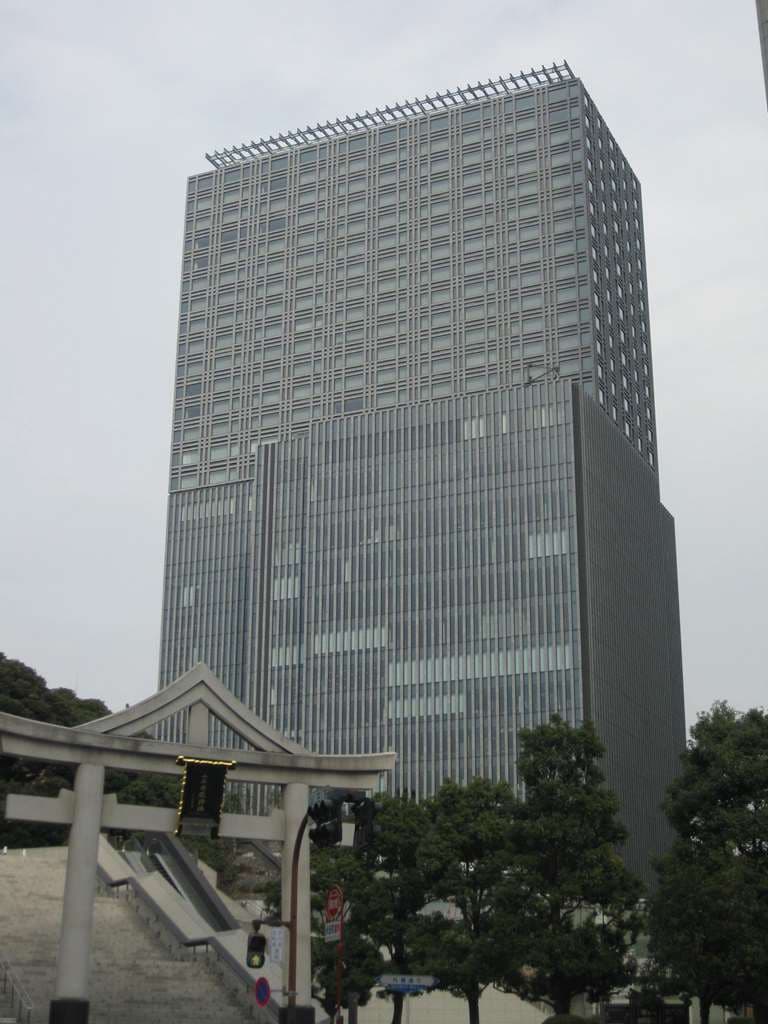
In a city defined by neon velocity, The Capitol Hotel Tokyu operates on a frequency of hushed authority. Designed by Kengo Kuma, the property avoids the gilded excess of its competitors, opting instead for a structural dialogue with the adjacent 500-year-old Hie Shrine. This isn't just a hotel; it is a masterclass in 'wa' (harmony) that recently earned **2 Michelin Keys** and a **Forbes Five-Star** rating. The interiors are a tactical retreat from the political maneuvering of Nagatacho outside. Standard rooms start at a generous 45 square meters, featuring sliding *shoji* paper screens that allow you to modulate the light and view—choose between the lush shrine forest or the imposing National Diet Building. The attention to detail is clinical yet soulful: **Lapidem** wellness amenities (a nod to Japanese spa rituals), 400-thread count linens, and a **20-meter indoor pool** that feels more like a private ink-wash painting than a fitness facility. Dining here is an insider’s game. While **Suiren** offers impeccable kaiseki, the real power move is the **ORIGAMI** restaurant. Order the signature pork cutlet—a dish so revered it has its own cult following among Tokyo's elite. Finish the night at **The Capitol Bar**, newly crowned with a **2025 Forbes Hotel Star Bar** award, and sip a 'Water Lily' cocktail while overlooking the Imperial Palace gardens. For those seeking quietude over clout, this is Tokyo’s definitive address.
“Request a 'Garden View' room on the 28th floor or higher. While the city view impresses, looking down directly into the Hie Shrine’s sacred forest offers a rare, green silence in central Tokyo.”
Insider TipAvg. Nightly Rate
284USD