Bitvoya Edit
Curating the next chapter
Layering imagery, place, and detail before the page opens.
Bitvoya Edit
Layering imagery, place, and detail before the page opens.
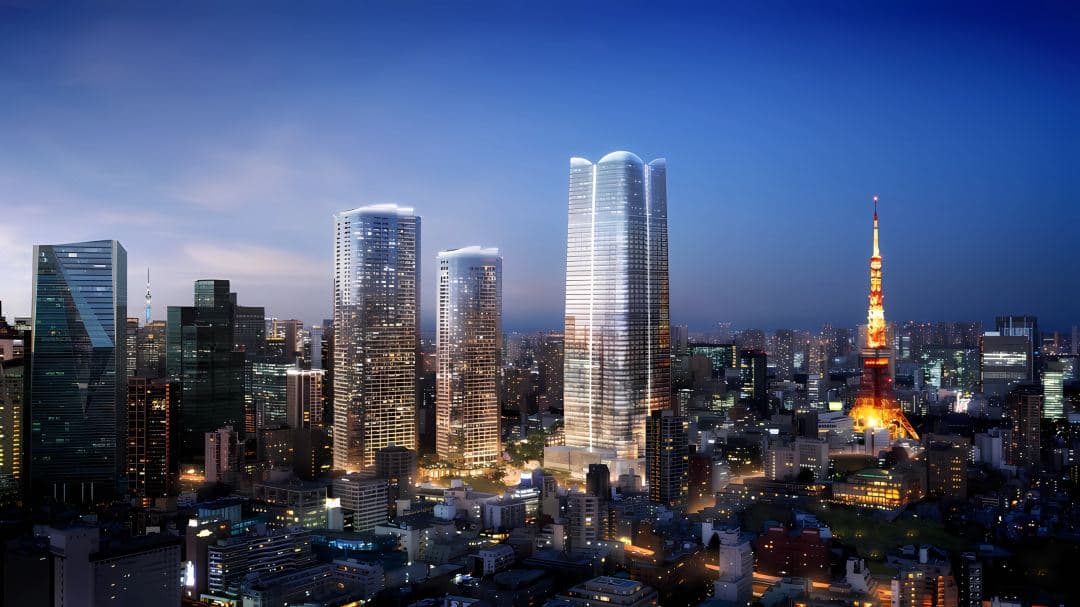
Roppongi is Tokyo’s most dynamic dual-faced district. By day, it serves as the sophisticated 'Art Triangle,' anchored by the Mori Art Museum, The National Art Center, and the Suntory Museum of Art. Just adjacent lies the polished business district of Toranomon, home to new icons like The Tokyo EDITION, Toranomon and Andaz Tokyo Toranomon Hills. By night, the area transforms into a neon-lit playground of high-end jazz bars and clubs. This curated collection places you in the center of it all, from the convenience of Grand Hyatt Tokyo in Roppongi Hills to the panoramic serenity of The Ritz-Carlton, Tokyo in Midtown. Experience the perfect blend of cultural immersion and urban excitement.

Staying in the Roppongi and Toranomon districts offers an unrivaled strategic advantage for travelers who appreciate high culture and high energy. Unlike the bustling chaos of Shinjuku or the traditional pace of Asakusa, Roppongi strikes a balance between international luxury and avant-garde art. Properties like The Okura Tokyo and The Capitol Hotel Tokyu offer serene Japanese aesthetics merely steps away from the city's most vibrant social scenes.
Expect a stay defined by vertical luxury. Many of the hotels in this collection, such as Mitsui Garden Hotel Roppongi Tokyo Premier and ANA InterContinental Tokyo, occupy high-rise towers offering breathtaking views of the sprawling metropolis. You can spend your afternoon gallery-hopping through the Art Triangle, enjoy a sunset cocktail at a rooftop bar in Toranomon, and end your night at a world-class jazz club in Roppongi, all without leaving your neighborhood.
Grand Hyatt Tokyo is located within Roppongi Hills, offering direct access to the Mori Art Museum, while The Ritz-Carlton, Tokyo is situated in Tokyo Midtown, home to the Suntory Museum of Art.
Yes, Roppongi is generally safe, though it is a busy nightlife district. The areas around the luxury hotels listed, such as Toranomon and the Hills complexes, are very secure and well-monitored.
The Tokyo EDITION, Toranomon, Andaz Tokyo Toranomon Hills, and The Prince Gallery Tokyo Kioicho (near Roppongi) are renowned for their unobstructed, stunning views of Tokyo Tower.
Explore our complete curated list of luxury accommodations, from boutique hideaways to grand dames.
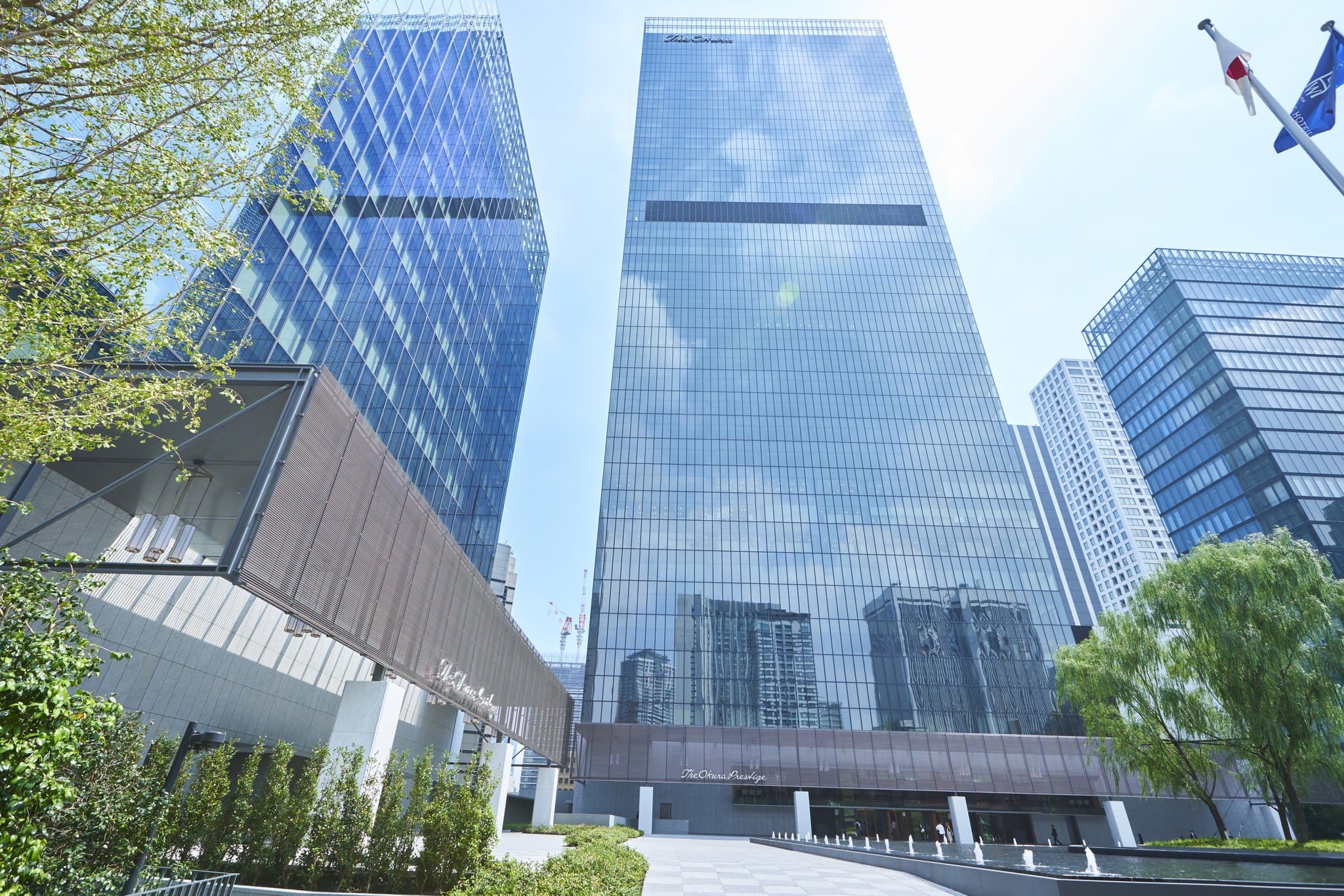
Explore All Tokyo HotelsWhen the original 1962 Okura lobby was demolished, the global design community collectively gasped. Fortunately, the 2019 resurrection—helmed by Yoshio Taniguchi, son of the original architect—is a triumph of forensic preservation. Walking into the lobby feels like stepping onto a 'Mad Men' set, flanked by those iconic hexagonal 'Okura Lanterns' and lacquered tables arranged like plum blossoms. It is the perfect, silent chaser to the neon-drenched sensory overload of nearby Roppongi. In the Prestige Tower, the rooms trade mid-century nostalgia for sharp, contemporary lines. The 'View Bath' layout is non-negotiable here; soaking in a deep tub while facing the Tokyo Tower is a power move that never ages. Toiletries are a curated mix of Bamford and the cult Japanese organic brand THREE—a sophisticated detail often missed by lesser five-stars. Dining is equally serious: *Nouvelle Epoque* has just retained its Forbes 5-Star status, serving a Truffle-flavored Eggs Benedict that ruins all future brunches. Service is 'Omotenashi' at its most telepathic—staff seem to anticipate your needs before you articulate them. The only friction? The pool. In true Japanese bureaucratic fashion, swim caps are mandatory and lane etiquette is enforced with military rigor. A small price for perfection.
“Book a 'Prestige Room with View Bath' on the south side for the best Tokyo Tower vantage point. Don't forget your own swim cap to avoid the rental fee.”
Insider TipAvg. Nightly Rate
350USD

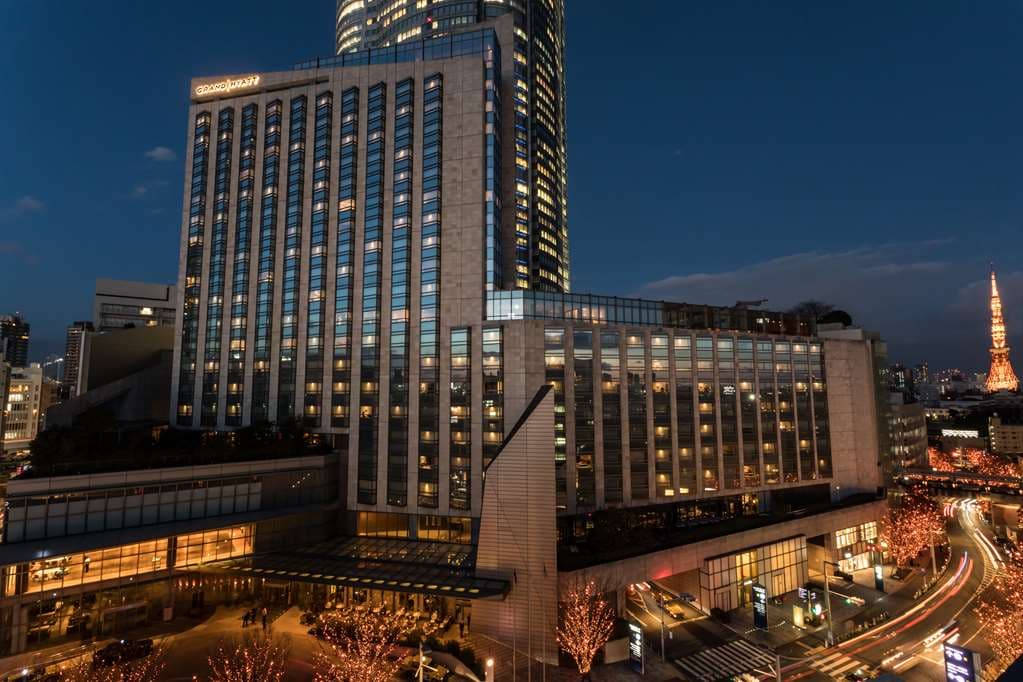
Forget the hushed, temple-like reverence of Tokyo’s older grand dames; Grand Hyatt Tokyo is the pulse of Roppongi made manifest. Physically tethered to the Roppongi Hills complex—and by extension, the world-class Mori Art Museum—this property doesn’t just house art; it lives it. The lobby confronts you immediately with Jun Kaneko’s ceramic 'Untitled Heads,' setting a tone that is less 'hotel' and more 'inhabited gallery.' The rooms are studies in residential precision. While some critics whisper that the mahogany-heavy interiors feel circa-2005, the tactile reality tells a different story: crisp Frette linens, oversized limestone bathrooms that feel like personal sanctuaries, and the distinct scent of Balmain amenities. It is business-sharp, yes, but deeply comfortable. Dining here is theater. At The Oak Door, the Tomahawk steak isn't just dinner; it's a performance piece, rivaled only by the drama of their 900°C broiler. For a cerebral comedown, the Nagomi Spa’s red granite stone pool offers a surreal, illuminated swim that feels like floating in a Rothko painting. **Verdict**: The definitive power-base for the traveler who demands the efficiency of a Swiss watch with the soul of a contemporary art collector.
“Skip the standard sauna fee (¥4,400) by booking a Club Room or Suite. If staying in a standard room, prioritize a morning swim in the red granite pool—the underwater lighting is most atmospheric before 9 AM.”
Insider TipAvg. Nightly Rate
335USD

If Tokyo is a relentless circuit board of neon and noise, The Tokyo EDITION, Toranomon is the botanical short-circuit you didn’t know you needed. Entering requires a two-step elevator waltz—a minor friction that acts as a velvet rope, filtering the chaotic street energy before you arrive at the 31st-floor lobby. Here, architect Kengo Kuma has orchestrated a collision of unparalleled biophilia; over 500 plants climb the cedar 'Yamato-bari' cladding, creating a chlorophyll-drenched social condenser that feels less like a hotel foyer and more like a greenhouse hosting Fashion Week. The rooms forego the lobby’s maximalism for a monastic, cream-hued restraint, allowing the floor-to-ceiling views of Tokyo Tower to do the heavy lifting. While the windowless pool feels like an afterthought, the amenities are sharp—custom Le Labo scents (black tea supremacy) and Dyson hair dryers signal you are in good hands. Dining is where the property flexes its muscles; Chef Tom Aikens’ ‘The Jade Room + Garden Terrace’ serves a fire-roasted celeriac carpaccio that might just eclipse the wagyu. Downstairs, the Gold Bar—an impossibly slick box of blackened wood and white gold—is the city’s current nocturnal magnet. It’s not a ryokan, and it’s not trying to be. It’s Tokyo’s new school of cool: loud, lush, and unapologetically stylish.
“Skip the standard sauna request; it’s only available in the Couple Suite. Instead, secure a sunset table at The Jade Room’s terrace for the definitive Tokyo Tower shot—no filter required.”
Insider TipAvg. Nightly Rate
760USD

If the Tokyo EDITION is a splash of neon paint, The Ritz-Carlton is a framed oil masterwork—expensive, heavy, and meticulously preserved. Ascending to the 45th-floor lobby of the Midtown Tower feels less like checking in and more like defecting from the frantic energy of Roppongi below. The Frank Nicholson-designed interiors, awash in dark millwork and brocade, unapologetically ignore the current trend for beige minimalism. It feels like money, old and secure. The 52-square-meter standard rooms—still among the largest entry-level quarters in the city—offer a rare commodity in Tokyo: negative space. While the absence of bedside USB-C ports is a charmingly analog oversight (bring a long cable), one forgives the tech quirk when staring down at the Imperial Palace gardens from a bathtub that feels suspended in the clouds. Dining is the hotel’s sharpest edge. *Héritage by Kei Kobayashi* demands attention, not just for its Michelin accolades, but for a roast pigeon with liver sauce that is visibly art-directed. Afterward, *The Bar* offers the kind of dimly lit, whisky-soaked anonymity where international treaties are signed. It is not the newest hotel in town, but it remains the grown-up in the room.
“Book a Club Level room for access to the 53rd-floor lounge; the 'Library' section offers the most uninterrupted view of Mount Fuji at sunrise.”
Insider TipAvg. Nightly Rate
965USD

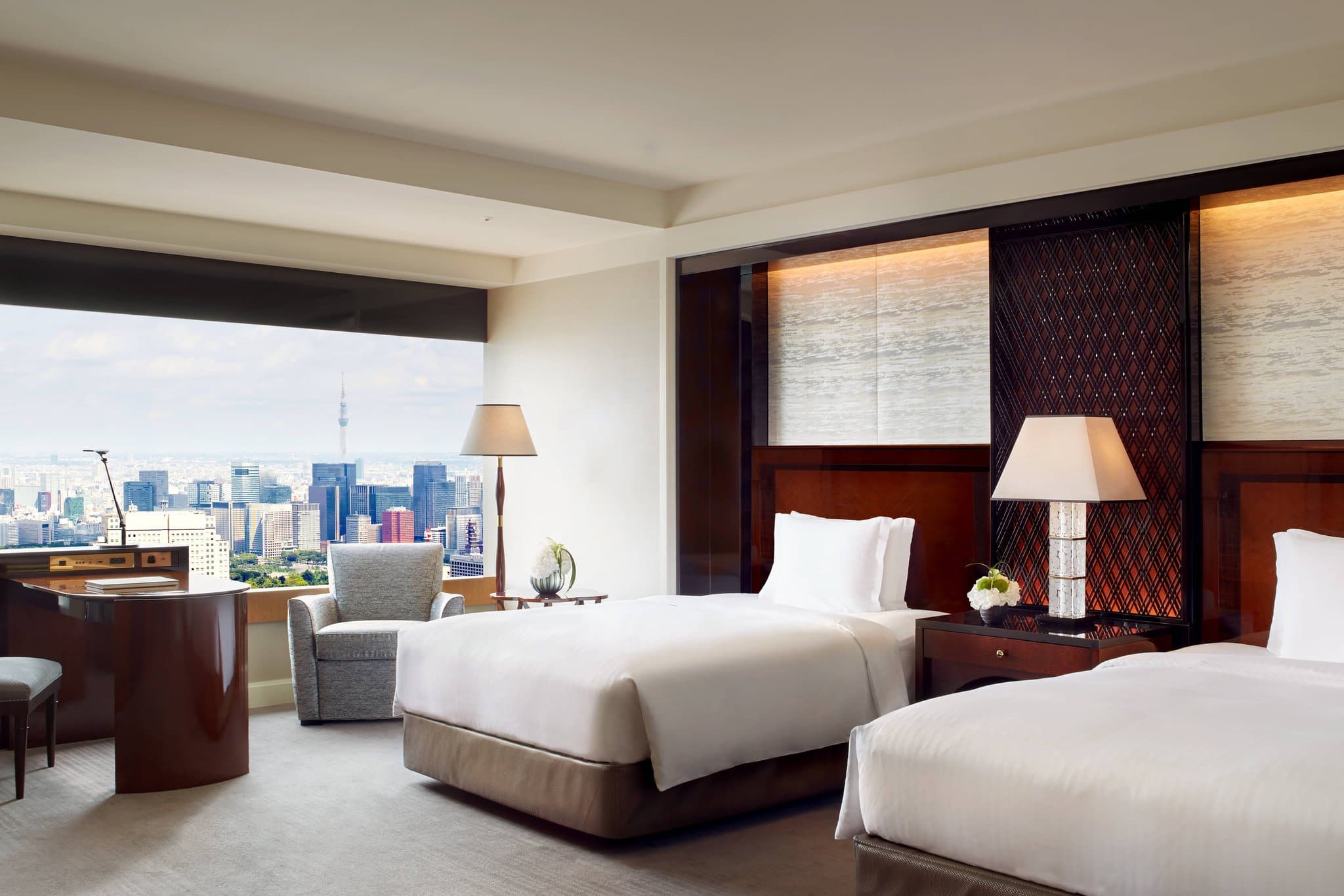
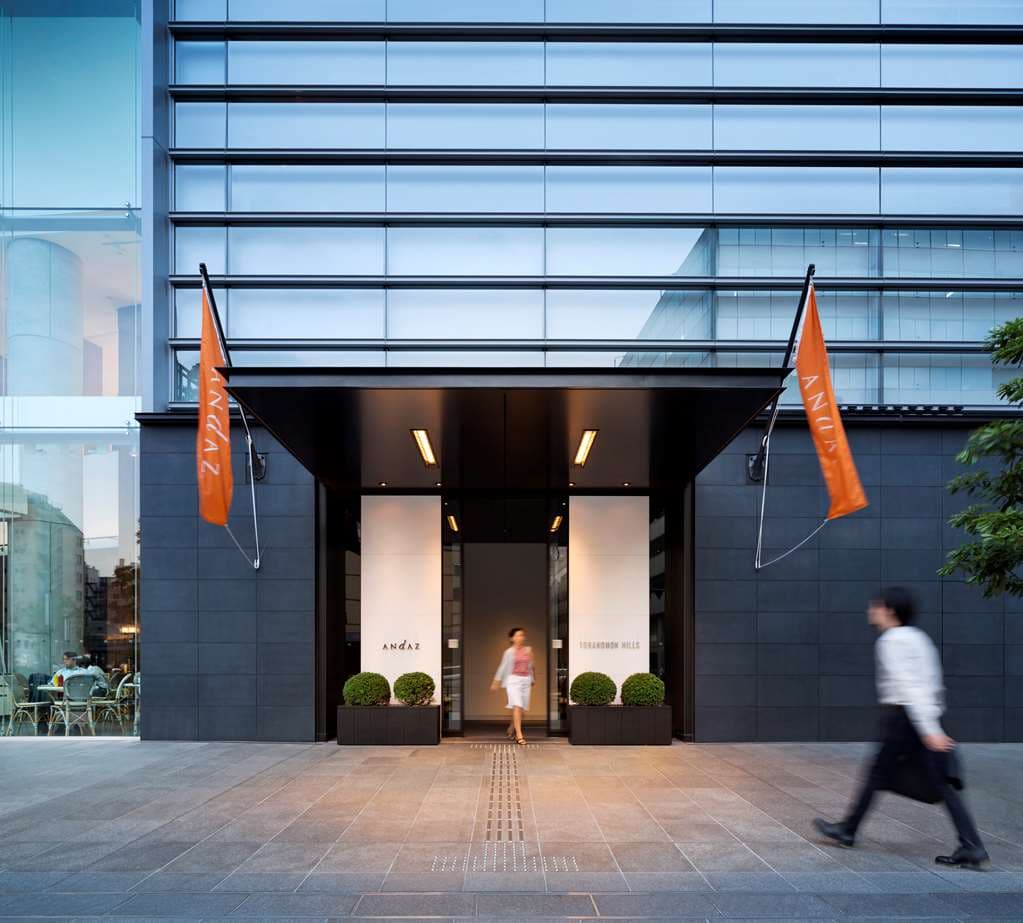
Toranomon was once a canyon of monochrome suits, but Andaz Tokyo changed the frequency. Ideally positioned between the business grid and Roppongi’s neon arteries, this property defies the 'business hotel' label. It is Tony Chi’s masterclass in texture—a sophisticated sanctuary where 'White Distilling Boxes' washi paper art in the elevators and Hokkaido walnut partitions soften the steel chassis. The arrival is a ritual: bypass the ground level and shoot to the 51st floor, where the lobby feels less like a checkpoint and more like a daimyo’s modern living room. The rooms defy the Tokyo instinct for compression. Starting at a massive 50 square meters, they feel residential, dominated by circular deep-soaking tubs often pressed against floor-to-ceiling glass. You soak while the Tokyo Tower pulses red in the distance—a view so perfect it feels commissioned. Details are sharp: standard amenities are replaced by textured yukata and a complimentary minibar stocked with local sodas. Dining here is theater. At The Tavern, the Snow Aged Beef Tenderloin is the headliner, but the real electricity happens at the Rooftop Bar. Under the striking copper roof, sipping a Kiyohime Amazake cocktail, you realize this isn't just a hotel; it’s the social anchor for the art crowd. Even the spa, AO, rejects the generic with its custom apothecary bar. While the double-elevator transfer can test your patience, the payout is a silence and sophistication that renders the city below a silent, glittering abstract. **Verdict**: The definitive high-altitude launchpad for the design-obsessed.
“Secure one of the eight seats at 'the SUSHI'—tucked discretely behind the Rooftop Bar—for an omakase that rivals Ginza’s best without the attitude.”
Insider TipAvg. Nightly Rate
550USD

If the National Diet Building is where Japan decides its future, The Capitol Hotel Tokyu is where it sleeps. Tucked between the prime minister’s office and the raucous neon of Roppongi, this Kengo Kuma-designed monolith is less a hotel and more a study in architectural zen. The lobby is a masterclass in timber lattice, filtering light with a precision that makes the outside world feel miles, not meters, away. Upstairs, the 45-square-meter entry-level rooms are vast by Tokyo standards, framed by six-meter windows and sliding shoji screens that soften the skyline into a watercolor. Sure, the sliding closet doors can be as finicky as a coalition government, but the 400-thread count linens and Dyson hair dryers are diplomatic triumphs. Dining is equally serious: ‘Suiren’ executes kaiseki with razor-sharp seasonality, but the real insider move is the all-day dining at ‘ORIGAMI’. Order the pork cutlet—a dish so legendary it practically has its own seat in parliament. With a newly minted '2 Michelin Keys' award and a Forbes 5-Star rating, this is the ultimate sanctuary for those who want to be near the Roppongi action without having to hear it.
“Skip the street entrance. Take the direct subway link from Tameike-Sanno Station (Exit 6) which deposits you straight into the basement—it’s how the politicians arrive incognito.”
Insider TipAvg. Nightly Rate
284USD

Anchoring the Ark Hills complex, the ANA InterContinental has long functioned less like a hotel and more like a vertical city-state for the Suntory Hall set. For years, its interiors were a study in 90s corporate beige, but the February 2025 completion of the 'Icon Reborn' renovation has finally brought the design code into the present tense. The new rooms are a moody, tactile triumph; expect headboards inspired by *kintsugi*—the Japanese art of repairing pottery with gold lacquer—and carpets that mimic origami folds. It is a sharp, necessary pivot from the dated decor of the past. If you aren't waking up to a floor-to-ceiling view of Tokyo Tower, you have booked the wrong room. The culinary landscape here is formidable. Pierre Gagnaire’s 36th-floor outpost remains a pilgrimage site, where the Roasted Hokkaido Veal justifies the Michelin pedigree. Conversely, the Cascade Cafe offers a breakfast buffet of staggering variety—think roast beef at 8 AM—though the ¥4,900 cover charge and lobby queues require a strategic approach. While the sheer scale of the property can feel impersonal, the expanded Club InterContinental acts as a hotel-within-a-hotel. With THANN amenities and Dyson dryers in the suites, it bridges the gap between the salaryman grind of Akasaka and Roppongi’s neon hedonism with surprising grace.
“Bypass the chaotic main lobby queues entirely by booking a Club InterContinental room; this grants you access to the 35th-floor lounge for a private champagne check-in.”
Insider TipAvg. Nightly Rate
234USD

If Aman Tokyo is a monastery, Janu is the block party. Located in the vertiginous Azabudai Hills development, this Jean-Michel Gathy-designed property trades its sibling’s monochrome silence for a social, kinetic energy. The arrival experience sets the tone immediately: overhead, massive woven rope arches (a nod to shinto shimenawa) sweep you into a lobby that feels less like a sanctuary and more like a stage. The 122 rooms are rare architectural feats in Tokyo, with most featuring private balconies that offer unfiltered, cinematic views of the Tokyo Tower. Inside, the aesthetic softens the usual brutalist edge with sliding shoji screens, deep soaking tubs, and Aman Skincare amenities. Dining is equally extroverted; the charcoal-grilled Wagyu fillet at Sumi is smoky perfection, while Janu Mercato’s spinach and ricotta cannelloni draws a well-heeled local crowd. But the undisputed heavyweight champion is the 4,000-square-meter wellness center—one of the city’s largest—complete with a boxing ring and Outrace gym frame. Verdict: The perfect crash pad for the traveler who wants to sweat, socialize, and sleep in high-definition luxury.
“Skip the standard treadmill run; the gym features a pro-grade boxing ring. Book a session with a trainer to banish jet lag via uppercut.”
Insider TipAvg. Nightly Rate
900USD

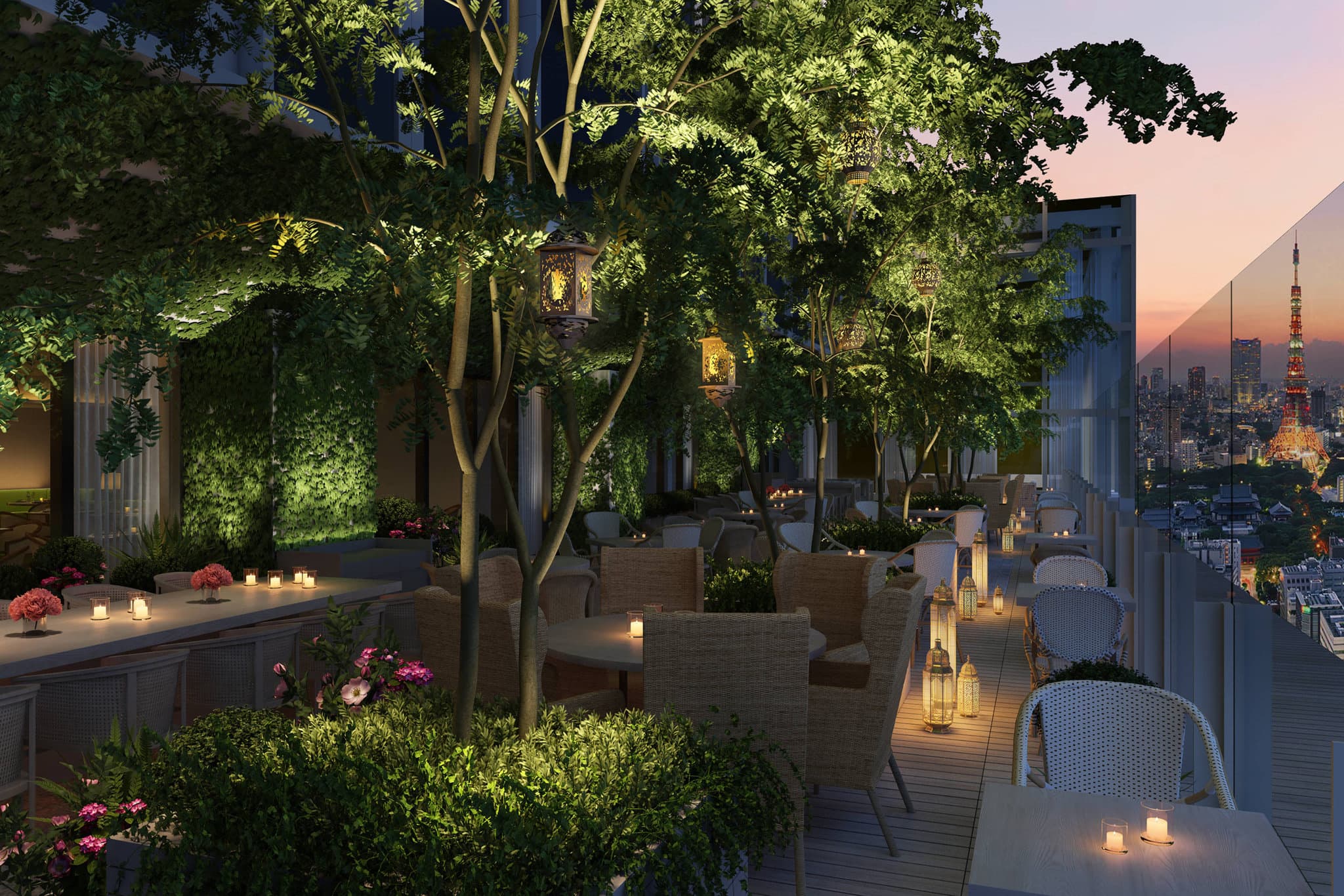
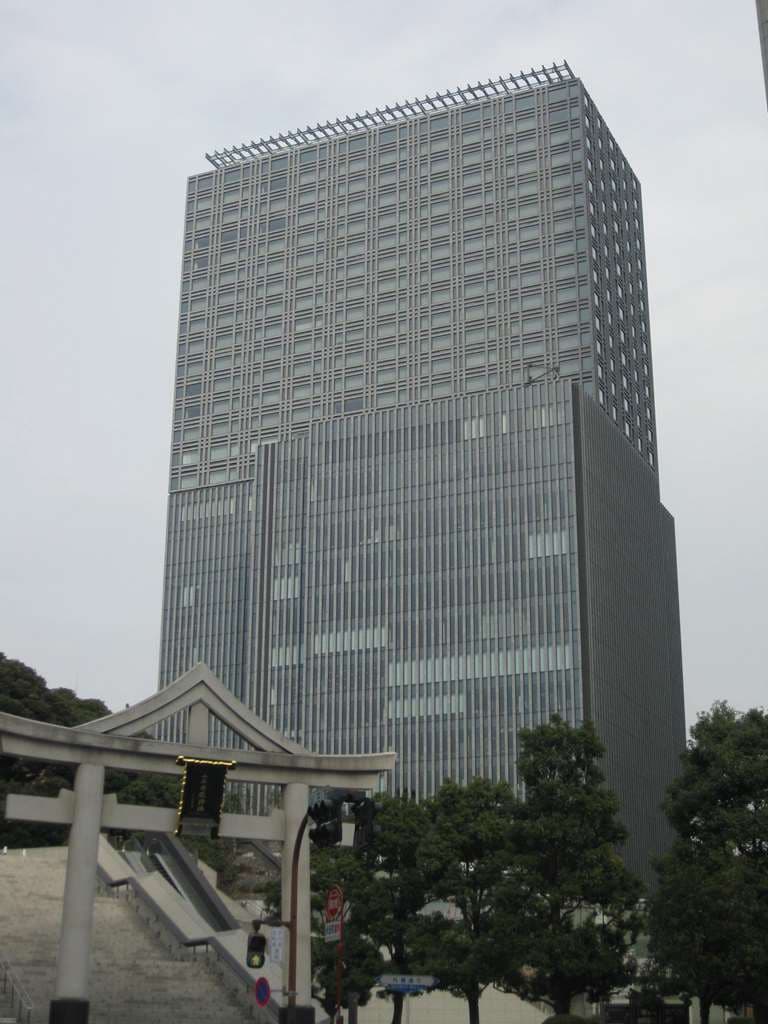
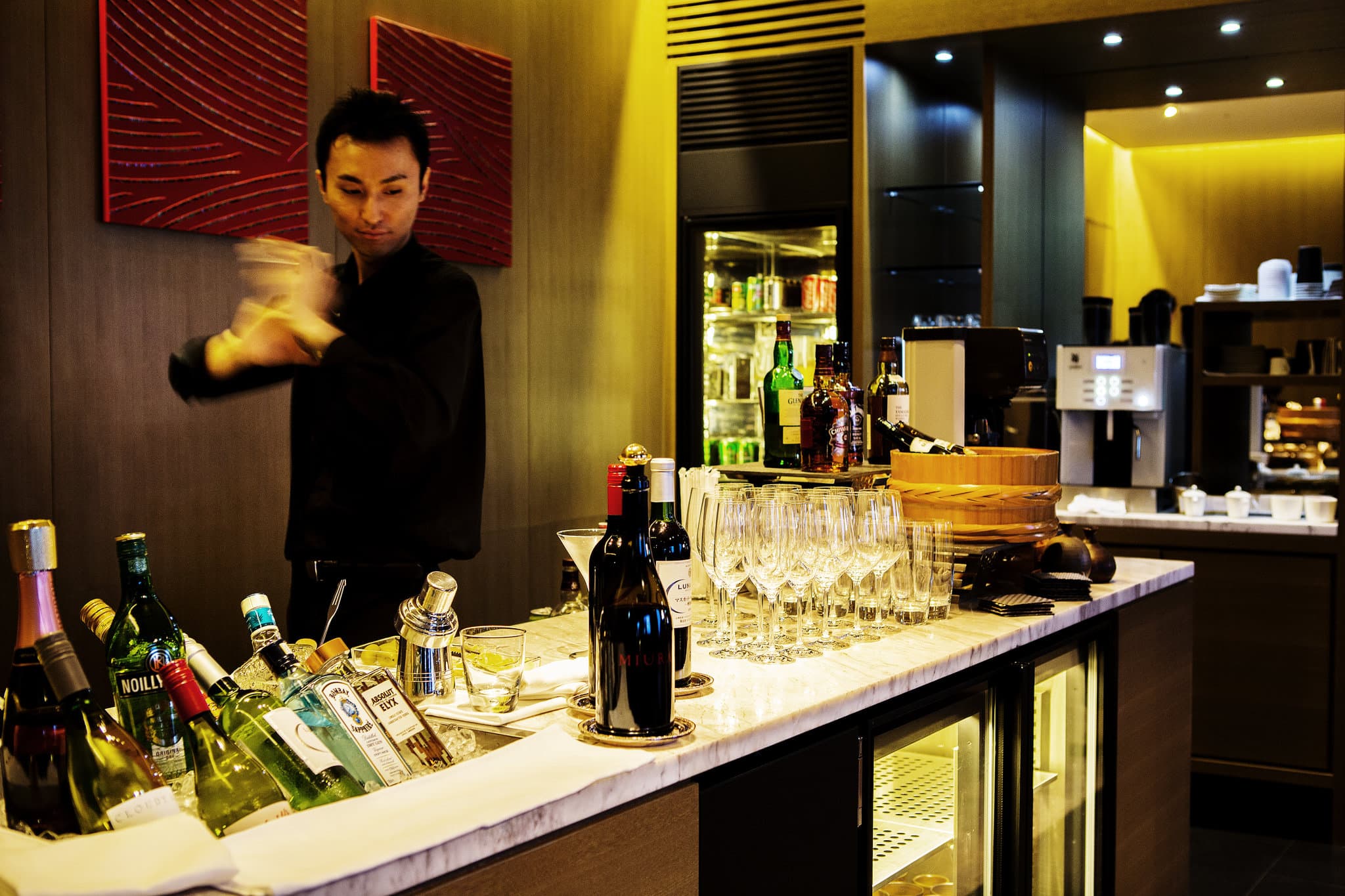
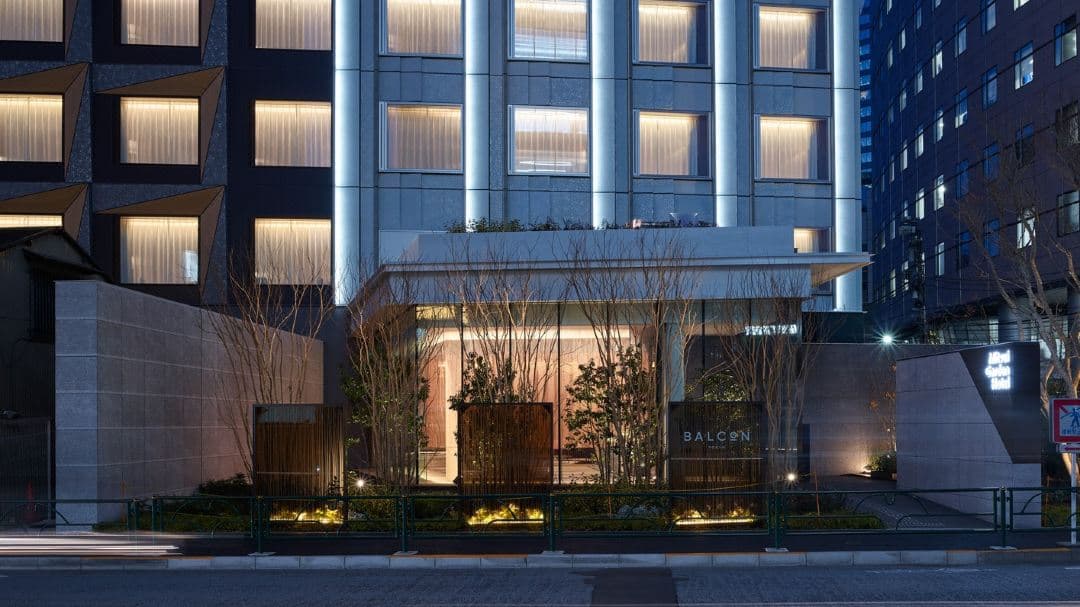
Roppongi typically screams; the Mitsui Garden Hotel Roppongi Tokyo Premier whispers. Positioned with military precision between the National Art Center, Suntory Museum, and Mori Art Museum, this property serves as the ultimate 'Ma'—a deliberate pause—amidst the district's neon grit. The arrival experience is defined by Akane Moriyama’s floating textile sculpture in the lobby, a soft, textural counterpoint to the concrete jungle outside. Unlike the claustrophobic shoeboxes typical of the capital, rooms here breathe, starting at a generous 27 square meters. The detailing is sharp: 400-thread count pajamas and ReFa Fine Bubble S shower heads that turn a daily rinse into a spa ritual. The real showstopper, however, awaits on the 14th floor at BALCÓN TOKYO. Skip the street-level izakayas for one night and commit to the Roast Beef with Truffle on the terrace, where the illuminated Tokyo Tower looms so close it feels like a dining companion. For the art-fatigued traveler, this is a sophisticated, high-design bunker.
“Book a 'Premier King' room specifically for a guaranteed bathtub view of the Tokyo Tower—the standard rooms mostly face the street.”
Insider TipAvg. Nightly Rate
164USD