No. 01
1 8 1 Shimomeguro. Tokyo Japan 1530064Tokyo496 verified reviews
9
.6
Bitvoya Edit
Layering imagery, place, and detail before the page opens.
In the electric pulse of Tokyo, a new breed of hospitality has emerged, seamlessly blending the centuries-old tranquility of the Japanese ryokan with cutting-edge technology. No longer confined to remote hot spring villages, these 'Urban Ryokans' offer a sanctuary amidst the skyscrapers of Otemachi and the bustling streets of Toranomon. Properties like HOSHINOYA Tokyo and Andaz Tokyo Toranomon Hills redefine luxury by inviting guests to remove their shoes and step onto fragrant tatami mats, all while controlling ambient lighting with a touch of a tablet.
This curated collection explores accommodations that master the art of Omotenashi (Japanese hospitality) within a modern context. Whether it is the artistic grandeur of Hotel Gajoen Tokyo in Meguro or the zen minimalism of Aman Tokyo, these hotels provide a unique cultural immersion. Prepare to experience the soft rustle of kimono silk against a backdrop of glowing city lights, creating an unforgettable fusion of the past and the future.
Tokyo stands alone as a metropolis where futuristic innovation respects deep-rooted tradition. Choosing an 'Urban Ryokan' allows travelers to experience the authentic texture of Japan without sacrificing the conveniences of a global capital. Unlike standard Western luxury hotels, properties like The Okura Tokyo and The Capitol Hotel Tokyu integrate shoji screens, ikebana arrangements, and deep soaking tubs into high-rise architecture. It is a dual experience: gazing out at the Tokyo Tower while wearing a yukata, drinking matcha prepared with ceremonial precision, yet enjoying fiber-optic internet and smart-room controls.
When booking an urban ryokan in Tokyo, expect a ritualistic arrival. Many, like Executive House Zen at Hotel New Otani, require removing shoes at the genkan (entryway), signaling a mental switch from the chaotic city to a private sanctuary. Rooms often feature low-slung furniture and tatami flooring, which naturally lowers your eye level and induces relaxation.
Expect the 'High Tech' aspect to be subtle but powerful. Toilets are state-of-the-art, lighting follows circadian rhythms, and concierge services are often digital yet highly personalized. Dining is a highlight; look for properties serving Kaiseki (multi-course) dinners in-room or having exclusive sushi counters. Finally, while not all are built on natural hot springs, most offer sophisticated spa facilities with Japanese calmness at their core, ensuring the 'onsen' spirit is present even on the 30th floor.
Yes, many luxury urban ryokans like HOSHINOYA Tokyo require guests to remove shoes at the entrance (genkan) to maintain the traditional tatami experience and hygiene, providing slippers for indoor use.
Unlike traditional rural ryokans, urban properties often charge separately for meals. However, many offer packages inclusive of breakfast or a traditional Kaiseki dinner. Always check specific booking terms.
Some do. HOSHINOYA Tokyo pumps natural hot spring water from 1,500 meters underground. Others offer high-tech Japanese-style spa facilities and deep soaking tubs rather than natural volcanic water.
Explore our complete curated list of luxury accommodations, from boutique hideaways to grand dames.
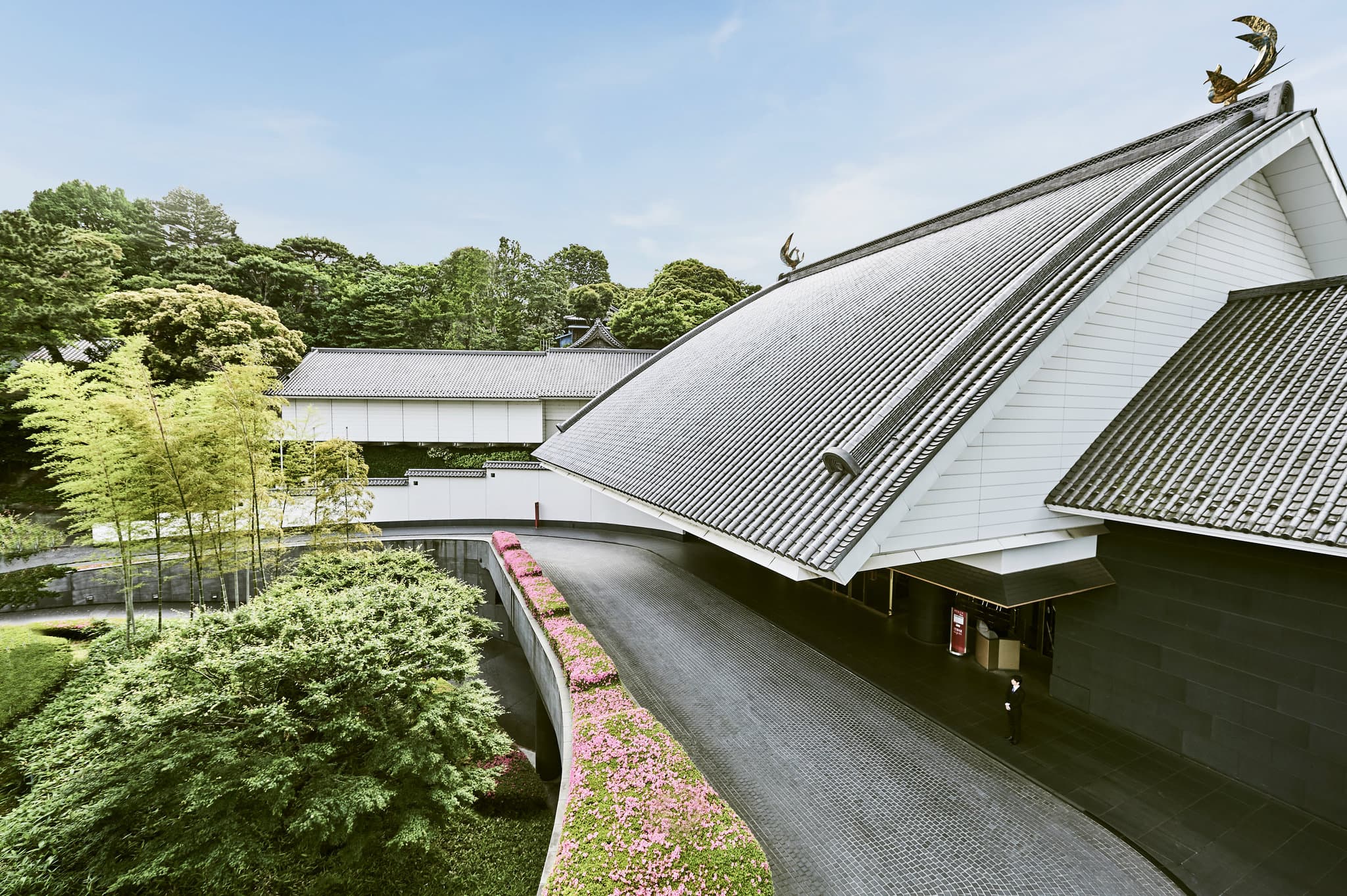
Explore All Tokyo HotelsIf the Aman Tokyo is a whisper, Hotel Gajoen is a shout—a glorious, lacquer-coated, Showa-era shout. Known locally as the 'Dragon Palace,' this property defies the city’s trend toward beige minimalism. Hidden inside a nondescript Meguro office tower, the lobby explodes with mother-of-pearl inlays and relief carvings that inspired the bathhouse in 'Spirited Away.' But the kitsch ends at the guest room door. Even the 'standard' suites clock in at a massive 80 square meters—larger than many Tokyo apartments. The design pivots to refined calm, featuring tea corners with slate floors and low-slung furnishings. The real flex? Every single suite boasts a private steam sauna and a massive jet bath, stocked with Omnisens Paris amenities. It is the ultimate antidote to jet lag. Dining is equally theatrical. Skip the hotel buffet and book a table at Shunyuki for the braised shark fin, served in a room that feels like an imperial court. Just be warned: the aesthetic is intense. If you demand stark scandi-lines, you will hate it. For everyone else, it’s a living museum where you can roam the historic Hyakudan Kaidan stairs in your yukata before passing out in 400-thread count bliss.
“Do not attempt to walk up Gyoninzaka Hill from Meguro Station with luggage—it is brutally steep. Take the hotel’s free shuttle bus or a taxi. Also, book the complimentary 'Morning Art Tour' at check-in; it grants access to historic rooms usually closed to the public.”
Insider TipAvg. Nightly Rate
450USD
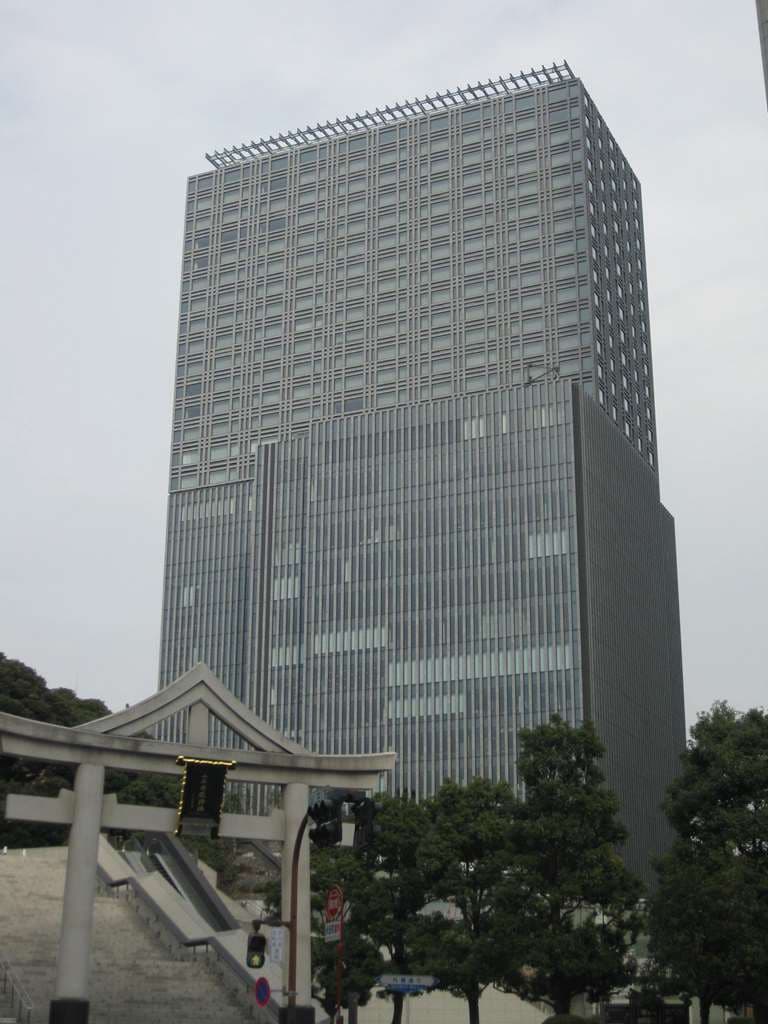
While the rest of Tokyo buzzes with neon energy, The Capitol Hotel Tokyu operates on a different frequency: silence. Anchoring the edge of the historic Hie Shrine, this Kengo Kuma-designed tower is where political heavyweights from the nearby National Diet Building trade whispers for washi paper. Kuma’s signature timber lattice (koshi) defines the lobby, creating a geometric warmth that feels less like a hotel and more like a modern daimyo’s fortress. The rooms are monstrous by Tokyo standards—starting at 45 square meters—and eschew generic luxury for tactile precision. Slide the paper shoji screens to reveal the Diet Building’s pyramid roof, a view that somehow feels illicitly private. Tech is present but invisible; Bose speakers are hidden in walls, and motorized curtains drift open with a button press. Downstairs, the all-day dining venue ORIGAMI serves a Panko-crusted Pork Cutlet so legendary it survives from the property’s 1963 Hilton roots. With its recent 2024 awarding of 'Two Michelin Keys,' the service here isn't just attentive; it’s anticipatory.
“Skip the room service burger. Go to ORIGAMI for the 'Pork Cutlet'—a double-fried, heritage recipe that’s been on the menu for over 60 years.”
Insider TipAvg. Nightly Rate
284USD
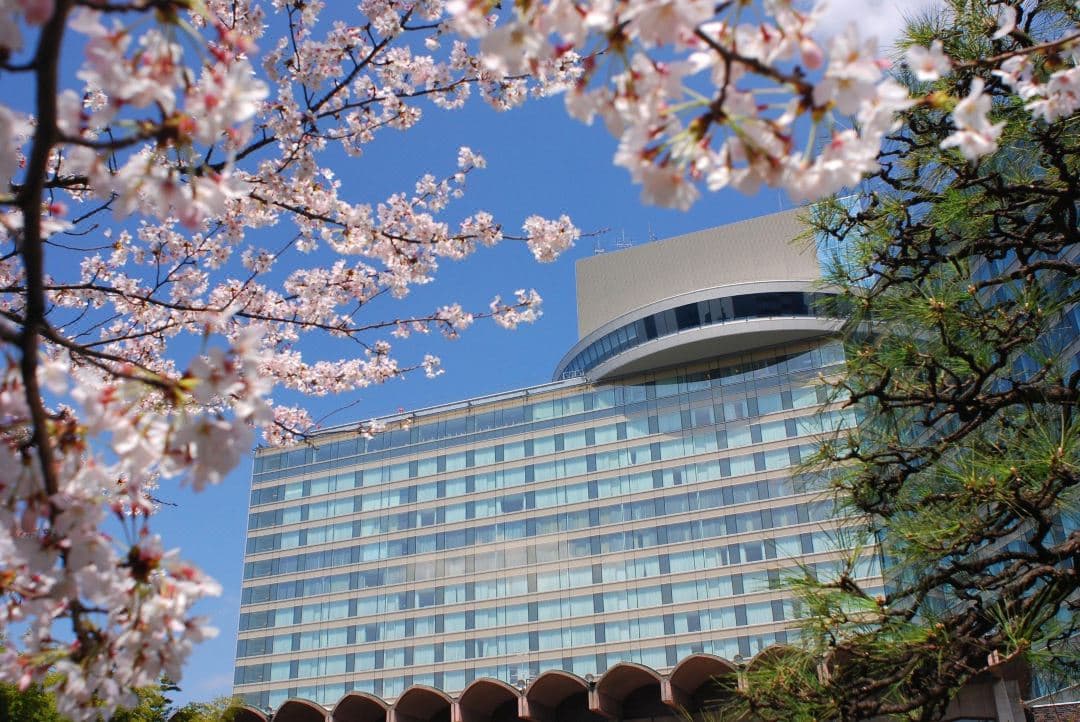
In a metropolis defined by neon and noise, Executive House Zen serves as a radical recalibration of the senses. Perched on the 11th and 12th floors of the Hotel New Otani, this 'hotel-within-a-hotel' turns its back on the sprawling complex below to focus on absolute stillness. The design is stark and purposeful; corridors feature carpets mimicking ink wash paintings ('sumi-e') and bonsai placed with surgical precision. Inside the 87 rooms, the experience is tactile: Frette linens, Salvatore Ferragamo amenities, and floor-to-ceiling glass framing the 400-year-old Japanese garden. Yet, the true exclusivity lies in the Zen Lounge. Unlike the crowded club floors of competitors, this space offers a six-times-daily culinary presentation that includes the hotel's legendary Double Consommé and Pierre Hermé croissants, served with a view of the Akasaka Palace. The service embodies 'Omotenashi'—anticipatory, invisible, and flawless. This is not merely a stay; it is a fortress of calm for those who prize privacy above all else.
“Skip the standard deluxe rooms and book a 'Shin-Edo' suite for a private Hinoki cypress bathtub and complimentary chilled sake. Visit the lounge at 5 PM for the best sunset views over the Akasaka Palace.”
Insider TipAvg. Nightly Rate
600USD
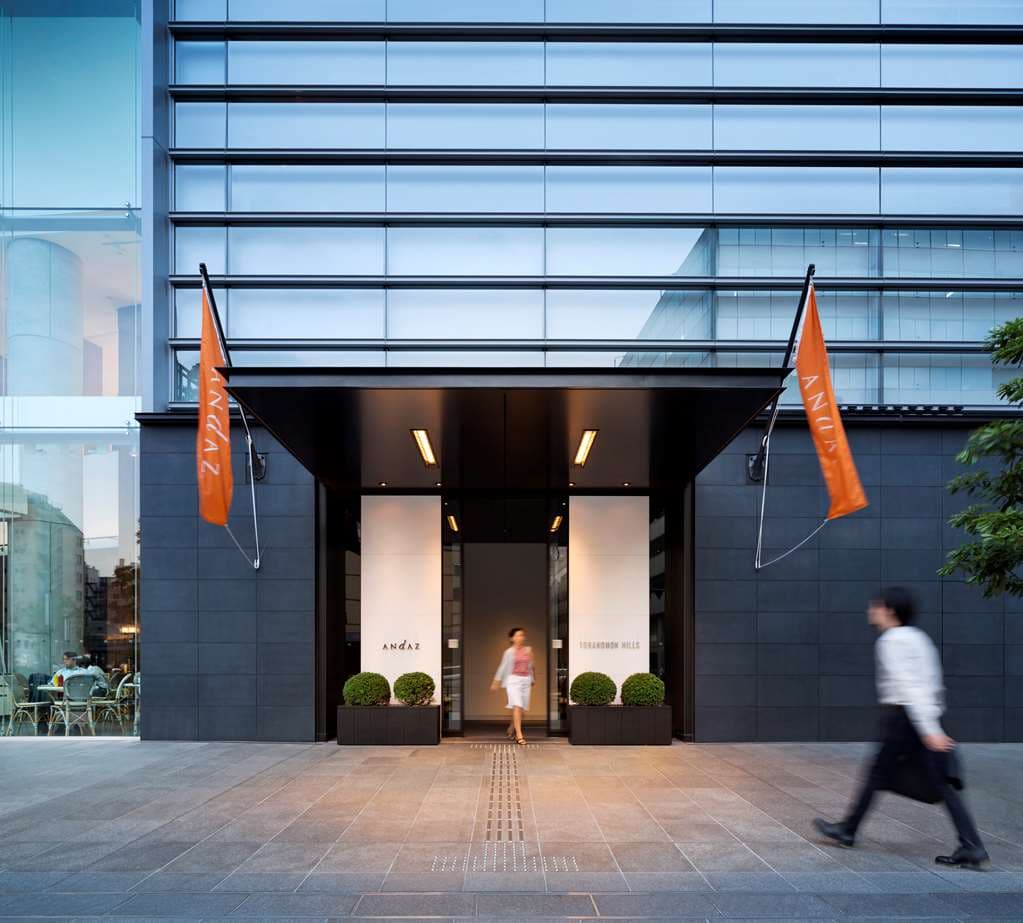
The ascent to the 51st floor is your first clue that Andaz Tokyo isn't playing by the standard luxury rulebook. Inside the elevators, washi paper art titled 'White Distilling Boxes' glows softly, signaling a transition from the frenetic Toranomon business district to a stratospheric sanctuary. Designed by Tony Chi and Shinichiro Ogata, this property—recently awarded a Michelin Key—masterfully reinterprets the Japanese ryokan for the skyscraper age. Corridors clad in Hokkaido walnut lead to rooms that are shockingly spacious for Tokyo (starting at 50sqm), where the pièce de résistance is the circular deep-soaking tub set against floor-to-ceiling glass. You soak, naked and unbothered, while the Tokyo Tower glows like a hot iron rod in the distance. Dining mirrors this high-wire act; 'The Tavern' grills Snow Aged Beef Tenderloin that demands reverence, while the Rooftop Bar’s semi-open terrace serves a Kiyohime Amazake cocktail that tastes like liquid history. It’s sophisticated without being stiff—a Blade Runner dreamscape where the service is invisible until you need it.
“Skip the main pool hours. Go right at opening (6:00 AM) to claim the 20-meter course. It overlooks the Imperial Palace, and in the morning mist, it’s the most surreal swim in the city.”
Insider TipAvg. Nightly Rate
550USD
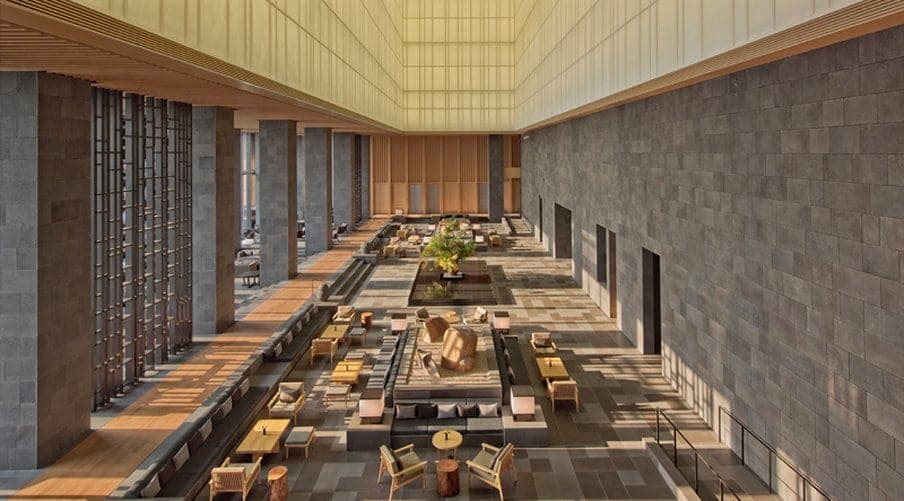
While newcomers like Bulgari and Janu clamor for attention, Aman Tokyo remains the capital’s original vertical sanctuary. Occupying the top six floors of the Otemachi Tower, the arrival experience is pure theater: a silent elevator ride to the 33rd floor, opening onto Kerry Hill’s masterpiece—a colossal lobby designed to resemble the interior of a Japanese washi paper lantern. In a city where space is the ultimate luxury, the entry-level rooms are a staggering 71 square meters. The layout mimics a traditional residence with 'engawa' (transitional porches), camphor wood accents, and heated black basalt stone floors. The bathrooms are the main event, featuring deep, square furo soaking tubs positioned against floor-to-ceiling windows overlooking the Imperial Palace Gardens. Dining leans into sophisticated simplicity. At Arva, the harvest-based Italian kitchen, the sea urchin pasta with tuna roe is a non-negotiable order. For purists, Musashi by Aman offers an intimate Edomae sushi omakase. Service here can feel distant compared to the brand's resort properties—less 'warm embrace,' more 'respectful invisibility'—but the architectural grandeur compensates. It isn’t just a hotel; it’s a lesson in Zen modernist discipline.
“To celebrate the hotel's 10th anniversary (2024/25), book the limited-edition 'Black Afternoon Tea'—a charcoal-themed menu served in the Lounge that perfectly matches the basalt interiors.”
Insider TipAvg. Nightly Rate
1800USD
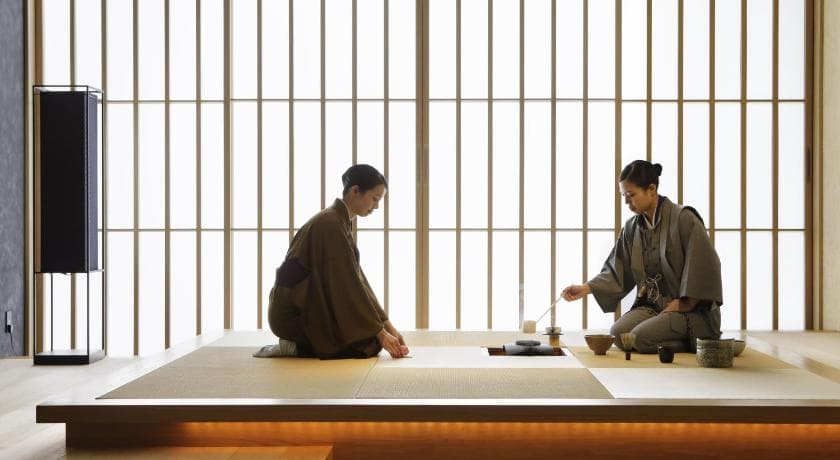
If the adjacent Otemachi financial district is Tokyo’s beating heart, HOSHINOYA Tokyo is its held breath. Anchored in a monolithic black tower etched with leaf patterns, this isn’t merely a hotel; it is an act of defiance against the skyscraper typology. The immersion begins at the genkan, where you surrender your shoes to bamboo lockers and step onto fragrant, woven tatami mats that pave every inch of the property—even the elevators. Architect Rie Azuma has stacked the traditional ryokan experience vertically. Each floor operates as a self-contained hamlet of just six rooms, centered around a communal ‘Ochanoma’ Lounge. Here, guests float in kimono-style loungers, helping themselves to seasonal sake, roasted green tea, and wagashi sweets as if visiting a wealthy grandmother’s estate. The rooms are studies in shadow and cypress, illuminated by lantern-like lighting that demands you slow your pulse. Dining is subterranean and serious. At ‘Nippon Cuisine,’ Executive Chef Ryosuke Oka applies French precision to Japanese terroir—think fermented ingredients and seafood sourced from Japan’s frigid northern waters. Yet, the crown jewel is the rooftop onsen. Pumped from 1,500 meters underground, the thick, saline water is rich enough to float in, and the bath’s high walls frame nothing but the shifting clouds and the stars, erasing the neon city entirely. Verdict: The ultimate urban sanctuary for those who prefer whispers to shouting.
“Book the early morning Kenjutsu (sword practice) session on the heliport rooftop. The view of the awakening city paired with the meditative sword swings is an unparalleled start to the day.”
Insider TipAvg. Nightly Rate
900USD
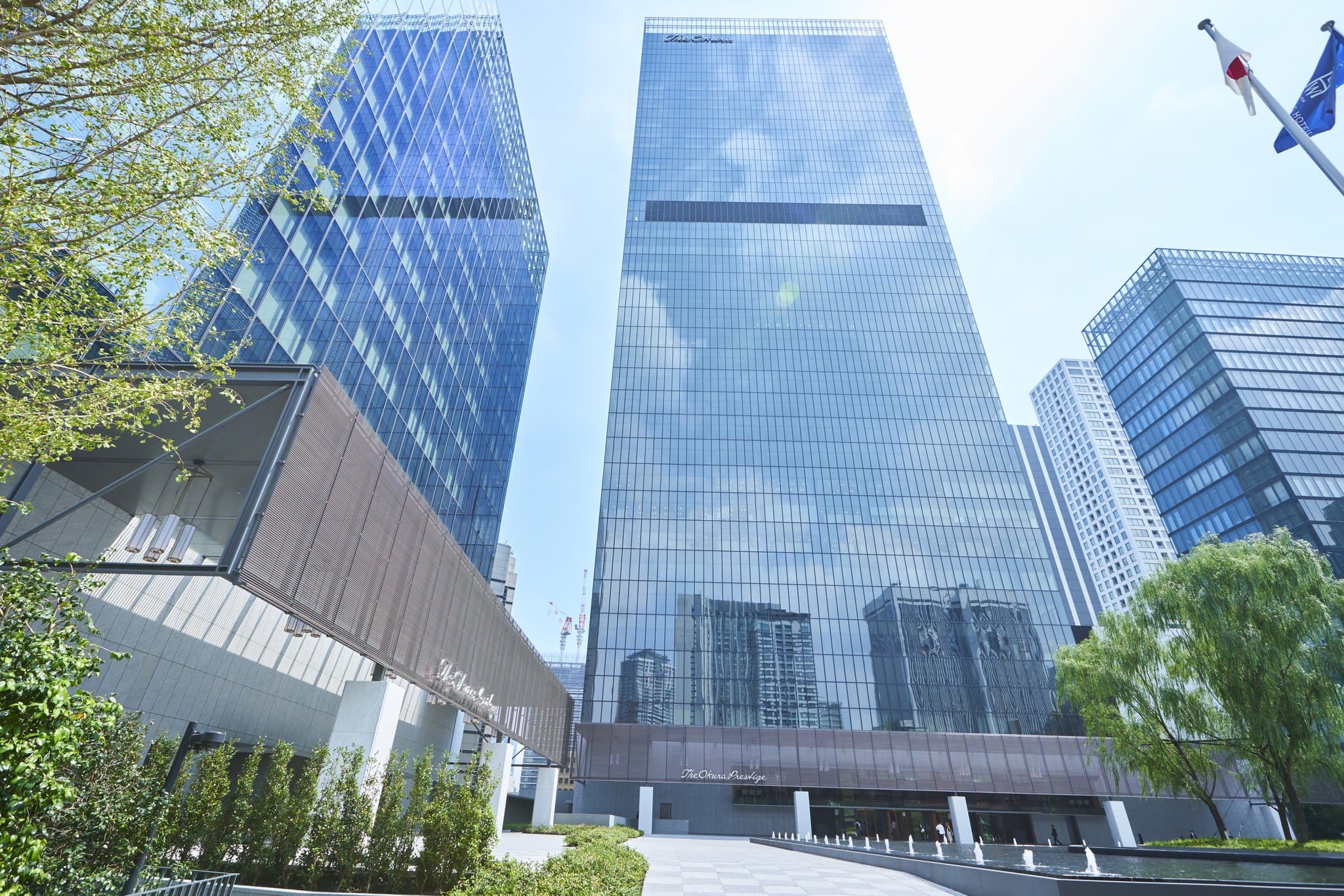
When the original Hotel Okura faced demolition in 2015, the design world wept. Thankfully, the 2019 resurrection by Yoshio Taniguchi—son of the original architect—is nothing short of a miracle. Walking into the lobby, the beloved hexagonal 'Okura Lanterns' and lacquered tables welcome you back to 1962, preserving a 'Mad Men' era coolness that feels entirely native to Tokyo. The hotel is split between the high-rise Prestige Tower and the serene Heritage Wing. Opt for the latter for a ryokan-style intimacy; here, wide-plank maple floors meet steam saunas and deep soaking tubs in every suite. In the rooms, the attention to detail is obsessive—think Three™ organic amenities, velvety 400-thread count linens, and bedside tablets that control everything from drapes to lighting. Dining is a serious affair. At Nouvelle Epoque, the truffle-flavored Eggs Benedict is a breakfast legend worth the price of admission. Meanwhile, Yamazato offers kaiseki so precise it recently earned a Forbes 4-Star nod. The only caveat? The pool rules are delightfully retro—swim caps are non-negotiable, a quirky reminder that you are, indeed, in a Japanese institution. It is refined, quiet, and utterly flawless.
“Only 21 rooms in the entire property feature balconies. Request a 'Heritage Room with Balcony' facing the garden for a rare breath of open air in the city center.”
Insider TipAvg. Nightly Rate
350USD
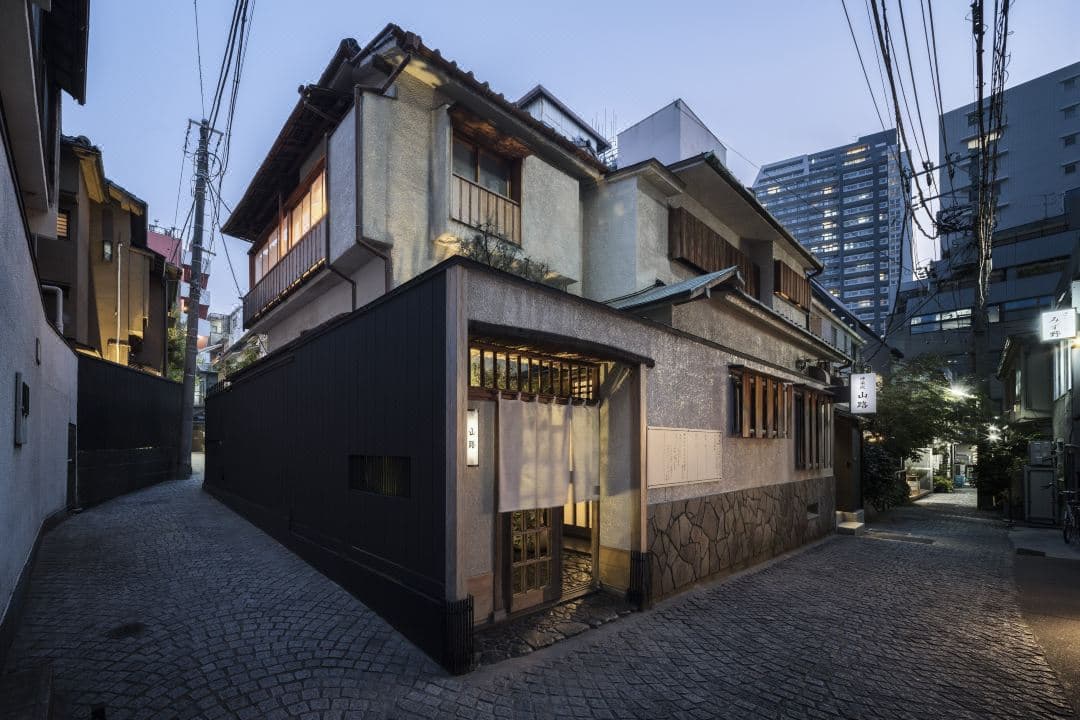
Forget the lobby. At TRUNK(HOUSE), the check-in experience is a black-clad butler waiting on the cobblestones of Kagurazaka’s ‘hide-and-seek alley’ (Kakurenbo Yokocho). This isn't a hotel; it is a 70-year-old former geisha dwelling painstakingly converted into Tokyo’s most elusive single-group buyout. The design is a study in friction: the exterior remains a stoic, traditional façade of black fencing and pine, while the interior is a riot of terrazzo floors, mortar walls, and a Jean Prouvé Potence lamp swinging above Stephen Kenn leather sofas. The bedroom is aggressively Zen, but the bathroom is the true centerpiece, featuring a fragrant hinoki cypress tub set against a tiled mural of Shunga (erotic woodblock art) by Masumi Ishikawa—a cheeky nod to the building’s hedonistic past. Dinner is not a buffet but a private kaiseki performance by your personal chefs, serving lightly deep-fried Kobe beef and foie gras chawanmushi. Afterward, the tearoom feels quaint until you discover 'The Disco,' a soundproofed, red-velvet playground with an illuminated floor and a karaoke system stocked with Hibiki 30 Year Old Whisky. It is exorbitantly priced and unapologetically narrow in its focus, but for those demanding total anonymity, it has no equal.
“The 'Smallest Disco' is fully soundproofed. Ask your butler to pre-load your playlist and set up a karaoke session after dinner—the acoustics are surprisingly studio-grade.”
Insider TipAvg. Nightly Rate
3300USD