No. 01
2 10 3 Nagata Cho. Tokyo Japan 100-0014Tokyo404 verified reviews
9
.6
Bitvoya Edit
Layering imagery, place, and detail before the page opens.
Tokyo is undergoing a hospitality transformation, blurring the lines between the futuristic metropolis and the serene tradition of the ryokan. In the heart of Otemachi, skyscrapers now house tatami-matted sanctuaries like HOSHINOYA Tokyo and the Zen-inspired grandeur of Aman Tokyo. Moving towards the historic greenery of Akasaka and Meguro, properties such as Hotel Gajoen Tokyo and The Capitol Hotel Tokyu offer a museum-like immersion into Japanese aesthetics. This curated collection explores the 'Urban Ryokan Renaissance,' where the meticulous service of Omotenashi meets world-class urban luxury, offering travelers a quiet retreat amidst the neon glow of the capital.
Tokyo offers a unique juxtaposition where hyper-modern infrastructure supports deeply traditional hospitality. The 'Urban Ryokan' concept allows travelers to experience the authentic ryokan lifestyle—taking off shoes at the entrance, walking on tatami mats, and soaking in hot spring waters—without leaving the convenience of the city center. Properties like The Okura Tokyo and Executive House Zen at Hotel New Otani Tokyo exemplify this trend, merging state-of-the-art technology with the silence and grace of a mountain retreat.
Expect a seamless blend of East and West. Unlike traditional ryokans in the countryside, these urban interpretations offer flexible dining schedules, concierge services, and high-speed connectivity while retaining the core elements of Japanese culture. Look for deep soaking tubs (often made of hinoki cypress), seasonal Kaiseki cuisine adapted for modern palates, and Zen gardens suspended in the sky. Whether it's the 'garden in the clouds' at Hotel Chinzanso or the minimalist aesthetics of Aman, the focus remains on serenity, nature, and the art of service.
HOSHINOYA Tokyo is widely considered the best authentic urban ryokan, featuring tatami mats throughout the building and a rooftop onsen in Otemachi.
Yes, several luxury hotels like Aman Tokyo, HOSHINOYA Tokyo, and Hotel Chinzanso Tokyo offer traditional onsen experiences or Japanese-style large baths.
Absolutely. Known as the 'Museum Hotel of Japan,' Hotel Gajoen offers incredible traditional art, gardens, and luxurious Japanese-style suites.
Explore our complete curated list of luxury accommodations, from boutique hideaways to grand dames.
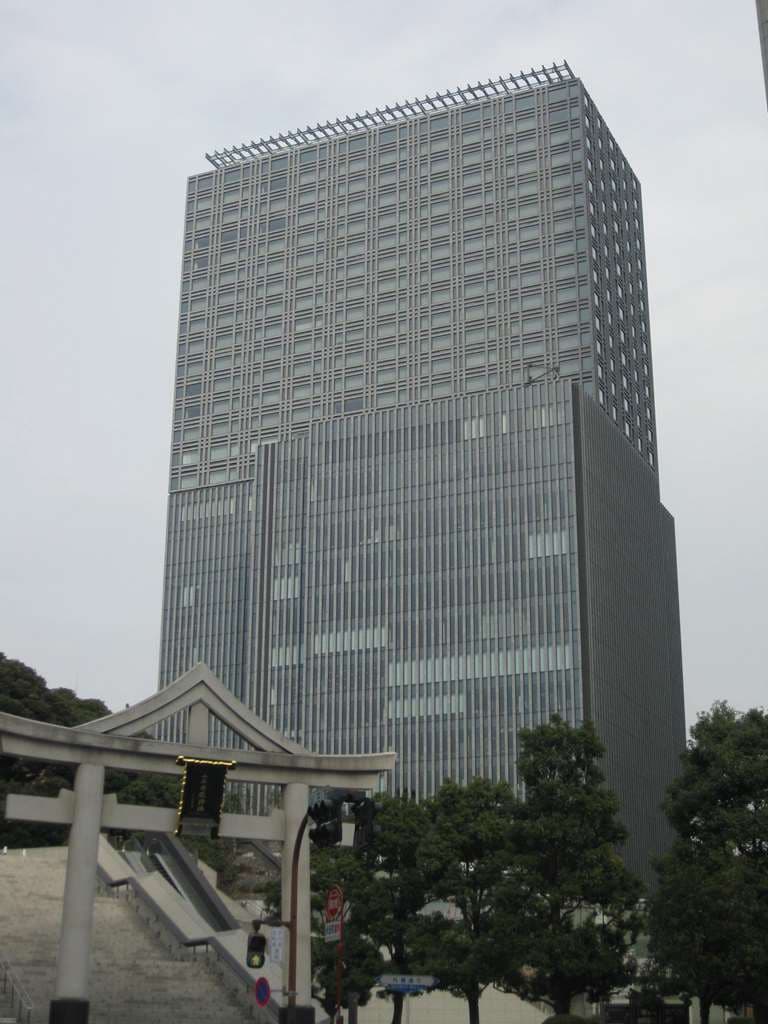
Explore All Tokyo HotelsForget the neon chaos of Shibuya; The Capitol Hotel Tokyu operates on a different frequency—one of hushed power and Kengo Kuma-designed precision. Standing guard over the Hie Shrine in Akasaka, this property feels less like a hotel and more like a modern daimyo’s fortress. The lobby is a study in vertical timber latticework and silence, anchored by a colossal Sogetsu-school ikebana arrangement that commands attention without saying a word. Upstairs, the standard is set high—literally. Even entry-level rooms clock in at a generous 45 square meters, a rarity in this space-starved metropolis. The aesthetic is unashamedly Japanese: sliding shoji screens replace heavy drapes, allowing you to modulate the light that floods in from the Imperial Palace gardens. Bathrooms are veritable spas, stocked with locally sourced Lapidem amenities that smell of the forest, though the sliding partitions can be a touch voyeuristic for non-couples. Dining here is an institution. At ORIGAMI, the pork cutlet is legendary—a dish so beloved it survived the hotel’s complete demolition and rebirth. For something sharper, hit The Capitol Bar. Sip a ‘Water Lily’ while inspecting the Beatles memorabilia, a nod to the Fab Four’s 1966 stay in the hotel’s predecessor. The service is telepathic, the kind where the concierge knows you need a taxi before you do. Verdict: The ultimate hideout for those who prefer their luxury whispered, not shouted.
“Request a 'Premier Corner' room on the west side for direct views of the National Diet Building—it’s the best seat in the house for watching Tokyo’s political theater unfold.”
Insider TipAvg. Nightly Rate
284USD
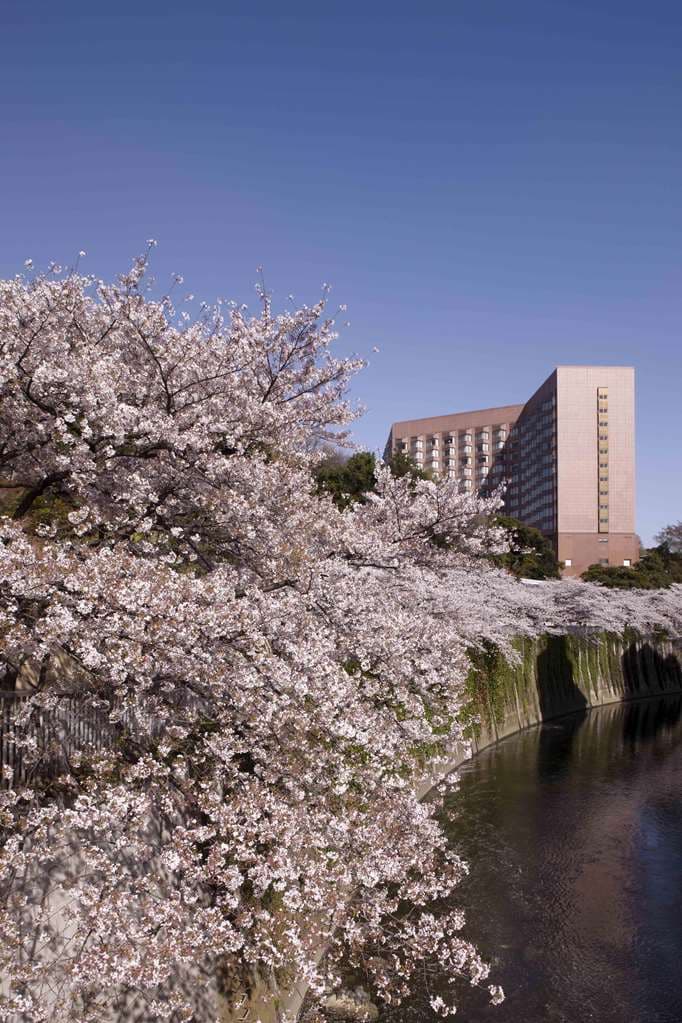
If Shinjuku is Tokyo’s neon-fueled id, Hotel Chinzanso is its serene, oxygenated superego. Hidden in the scholarly Bunkyo district, this property defies the 'shoebox room' stereotype of the capital with a sprawling 17-acre Japanese garden that was once the estate of an imperial statesman. The headline act here isn’t the lobby—it’s the ‘Tokyo Sea of Clouds’ (Unkai), a man-made meteorological marvel that blankets the pagodas and camellia trees in ethereally lit mist throughout the day. Inside, the vibe pivots from mystical to grand European manor. Entry-level Prime Superior rooms clock in at a staggering 45 square meters—palatial by Tokyo standards—outfitted with Aritayaki porcelain lamps and heavy brocade curtains that feel delightfully out of step with the city’s minimal-concrete obsessions. But the real flex is the 'Yu, The Spa'. While other luxury hotels offer heated tap water, Chinzanso trucks in genuine mineral-rich onsen water daily from the Izu Peninsula, allowing for a legitimate hot spring soak without leaving the Yamanote line. Dinner is best taken at Mokushundo, where Wagyu sizzles on Mt. Fuji lava stones deep within the garden foliage. It’s not the most convenient base for a Shibuya bender, but for a second-time visitor seeking an urban ryokan experience without the bullet train ride, it is unrivaled.
“Skip the crowded afternoon tea queues at Le Jardin. Instead, book a twilight dinner at Mokushundo when the 'Sea of Clouds' is illuminated; the mist drifting through the ancient trees while you grill seafood is pure magic.”
Insider TipAvg. Nightly Rate
350USD
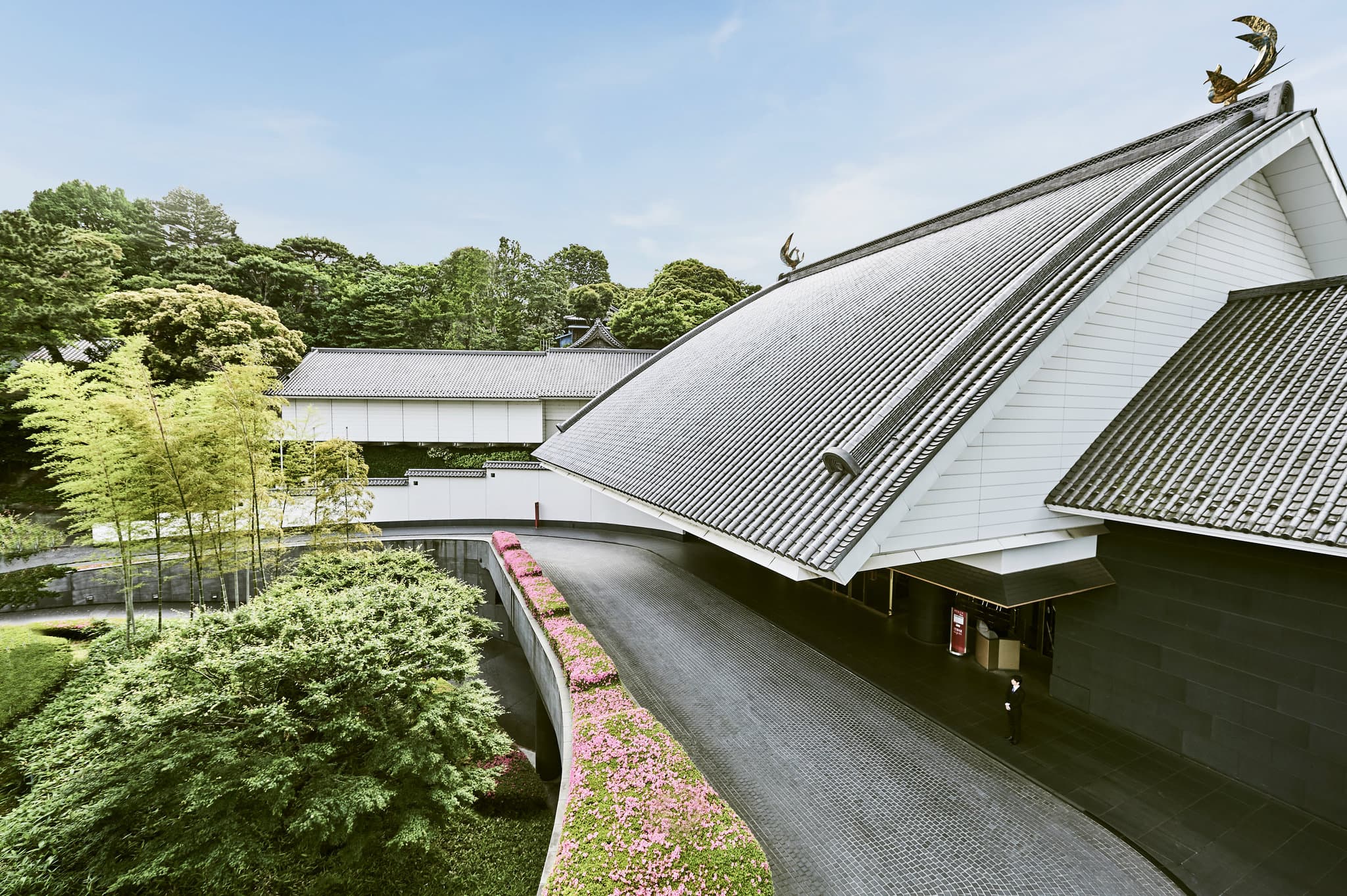
Forget the beige minimalism that plagues modern luxury; Hotel Gajoen Tokyo is a defiant, maximalist scream of Showa-era opulence. Known locally as the 'Dragon Palace,' this independent property is less a hotel and more a habitable museum, housing 2,500 pieces of pre-war Japanese art. The experience begins in the atrium, where a glass-walled garden and thundering artificial waterfall set a theatrical tone that would make Miyazaki proud. But the real shock is the real estate. In a city of shoebox hotels, Gajoen’s 'entry-level' suites clock in at a staggering 80sqm. Each room is a private sanctuary equipped with technicolor lacquerwork, traditional tatami mats, and—crucially—private steam saunas and jet baths stocked with Omnisens Paris amenities. Dining is equally dramatic: bypass the crowded buffet for Shunyuki, where the Braised Shark Fin offers a masterclass in Tokyo-style Chinese decadence, or cool down with Ristorante Canoviano’s signature Chilled Capellini. It’s not flawless—the Gyoninzaka hill is a calf-burning punishment for anyone walking from Meguro Station, and the wedding crowds can clog the lobby. Yet, for those tired of generic glass towers, Gajoen delivers an authentic, if slightly gaudy, punch of Japanese heritage.
“Avoid the punishing Gyoninzaka hill with luggage. Take a taxi from Meguro Station, then book the morning Art Tour to see the historic Hyakudan Kaidan steps before the public arrives.”
Insider TipAvg. Nightly Rate
450USD
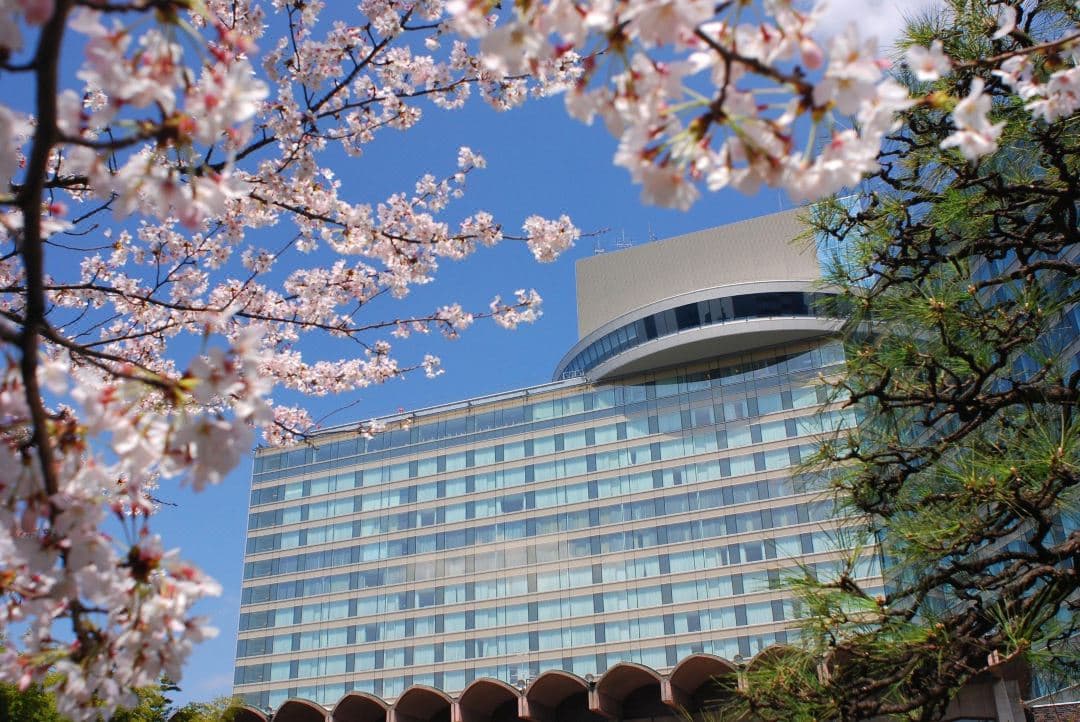
If the main Hotel New Otani is a roaring metropolis of 1,400 rooms, Executive House Zen is its silent, feudal keep. Occupying the 11th and 12th floors, this 87-key enclave doesn’t just promise privacy; it aggressively engineers it. Upon entry, the auditory chaos of the Akasaka district vanishes, replaced by the scent of hinoki cypress and the visual quietude of sumi-e ink wash paintings. The aesthetic is unapologetically Japanese—low-slung furniture, charcoal-infused soaps, and bonsai that look older than most guests. Yet, the creature comforts are Western and top-tier. You aren't sleeping on tatami mats; you’re sinking into high-thread-count linens after a soak in a digitized bath. The culinary program is the real power move here. The ZEN Lounge serves Pierre Hermé croissants at breakfast—buttery flakes of perfection that ruin all other pastries—and the hotel’s legendary Double Consommé throughout the day. Service is less 'concierge' and more 'imperial retainer,' anticipating needs before you verbalize them. It is the ultimate paradox: a ryokan experience floating hundreds of feet above the asphalt.
“Skip the main hotel gym. Your Zen keycard grants complimentary access to the 'Golden Spa' (usually a steep surcharge), a retro-luxe facility with dry saunas and a jacuzzi perfect for post-flight decompression.”
Insider TipAvg. Nightly Rate
600USD
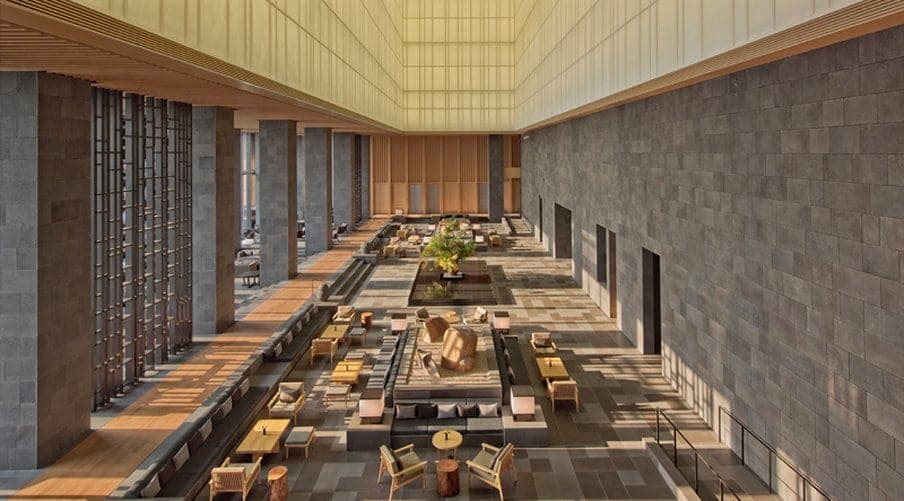
If Gotham City had a Zen Buddhist monastery, it would look like Aman Tokyo. Ascending to the 33rd floor of the Otemachi Tower isn’t just an elevator ride; it’s a decompression chamber leaving the chaotic financial district for a Kerry Hill-designed sanctum. The lobby, dominated by a colossal 30-meter washi paper lantern, essentially recalibrates your heart rate upon entry. Unlike Tokyo’s shoebox standard, entry-level rooms here start at a staggering 71 square meters, clad in camphor wood and stone. The bathrooms are the real showstoppers: charcoal-grey basalt soaking tubs positioned against floor-to-ceiling glass, offering cinematic views of the skyline that make you feel like a floating deity. Dining is a serious affair—skip the crowded ‘Black Afternoon Tea’ in the Lounge (often overrun with day-trippers) and head to Arva for harvest-based Italian, specifically the sea urchin pasta, or commit to the omakase at Musashi. While service can occasionally lean towards ‘aloof’ rather than ‘anticipatory’ compared to Aman’s resort properties, the sheer architectural gravity of the place silences most complaints. It remains the gold standard for high-rise serenity.
“The 30-meter basalt pool is busiest in the afternoon. Go at 7:00 AM or 9:00 PM for a private swim with Mount Fuji (weather permitting) or the glittering city lights all to yourself.”
Insider TipAvg. Nightly Rate
1800USD
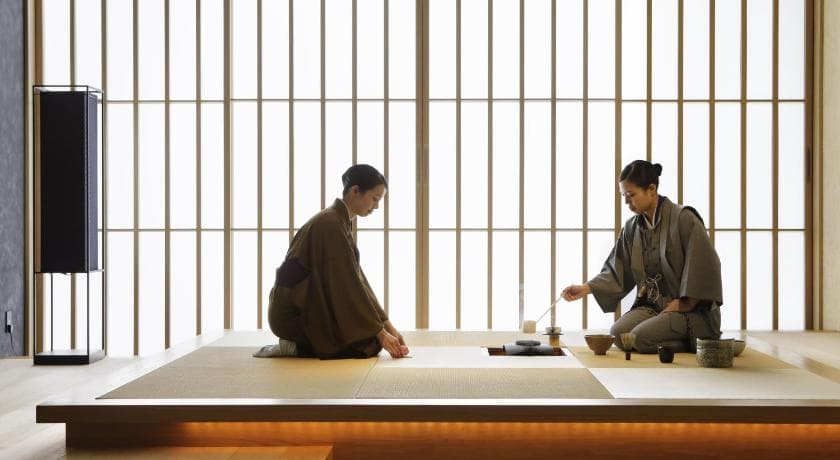
Forget the marble lobbies of Marunouchi. HOSHINOYA Tokyo demands a different kind of submission: the removal of your shoes. At this 'vertical ryokan' in the financial district, the ritualistic doffing of footwear at the grand cypress entry (Genkan) isn't just policy; it’s a portal. You are stepping out of 2026 Otemachi and into a hushed, tatami-matted parallel universe. Every inch of the corridor—yes, even the elevator floor—is woven straw, cushioning your steps toward the Ochanoma Lounge, a semi-private living room exclusive to each floor’s six rooms. Here, seasonal sake and teas replace the sterile minibar. The rooms are studies in shadow and texture, featuring chestnut wood and intricate shoji screens that filter the city’s neon into a soft, lunar glow. Dining is equally cerebral; Chef Noriyuki Hamada’s ‘Nippon Cuisine’—specifically the ‘Five Flavors of Delight’—uses French technique to deconstruct Japanese terroir. But the crescendo is the top-floor onsen. Pumped from 1,500 meters underground, the saline-heavy water is pitch black and enclosed by high walls, open only to a rectangular slice of the Tokyo sky. It is intimate, disorienting, and profoundly silent. The Verdict? A defiant, masterful rebuke to the standard luxury hotel.
“Skip the in-room shower and head to the rooftop onsen post-11 PM. The steam clears, and that sliver of open sky frames the passing satellites perfectly.”
Insider TipAvg. Nightly Rate
900USD
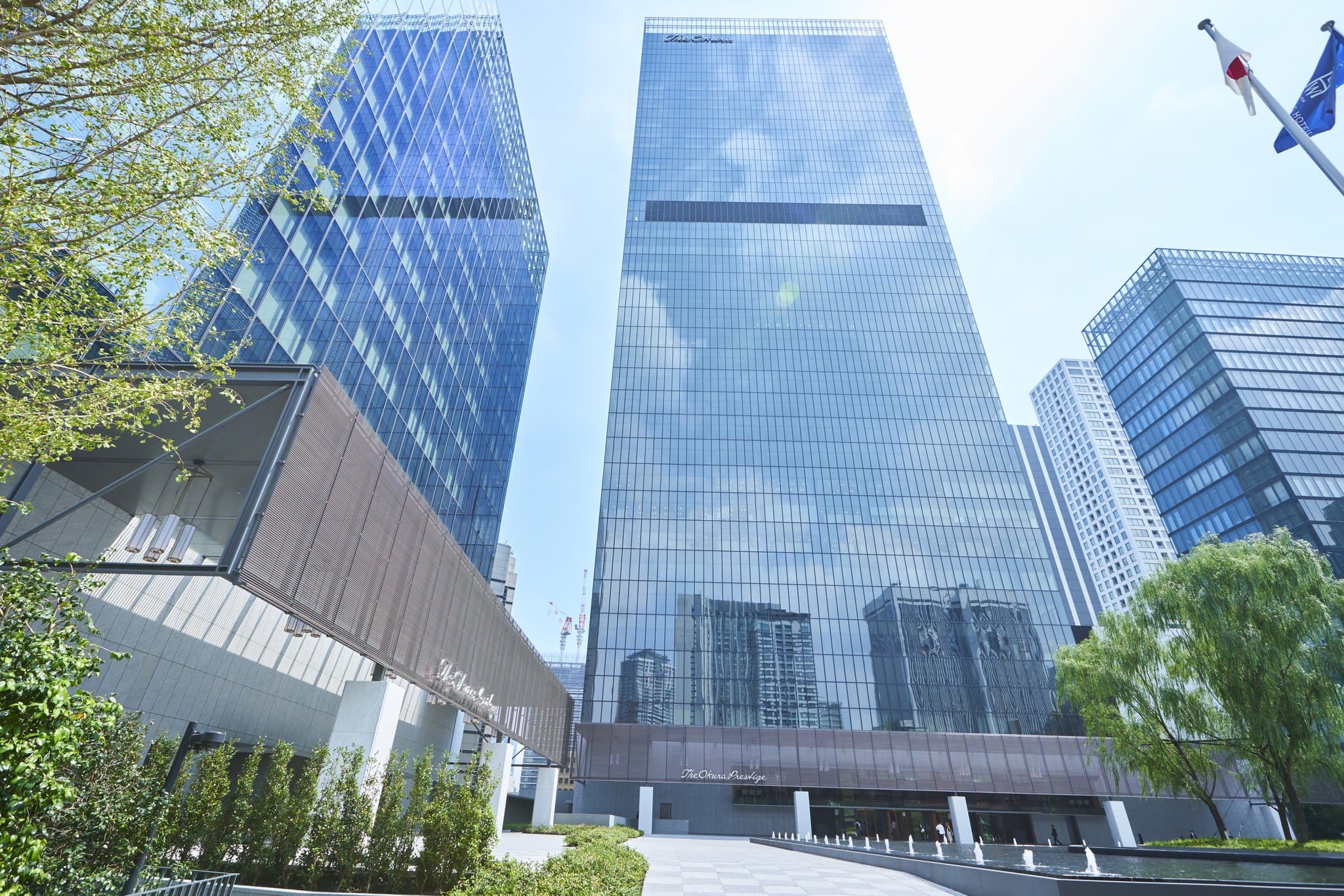
When the original Hotel Okura faced the wrecking ball in 2015, the design world collectively gasped. They need not have worried. Under the stewardship of Yoshio Taniguchi—son of the original architect—the 2019 resurrection is less a renovation and more a spiritual reincarnation. The iconic hexagonal 'Okura Lanterns' still cast their warm, amber glow in the lobby, preserving the 1960s jet-set metaphysics that made this place legendary. But the nostalgia serves a modern purpose. The property is now bifurcated: the soaring Prestige Tower offers the skyline porn of high-tech 'View Bath' rooms, while the Heritage Wing operates as a hush-hush urban ryokan. Here, the experience is startlingly intimate—think wide, low-slung furniture, private steam saunas, and amenities by Bamford and Japanese organic cult-brand THREE. Dining is equally serious; the French fine-dining institution *Nouvelle Epoque* (fresh off a 2025 Forbes Five-Star win) serves a Truffle Eggs Benedict that ruins all other breakfasts. In a city obsessed with the new, the Okura proves that heritage, when polished this aggressively, is the ultimate luxury.
“Book the Heritage Wing to gain access to the 'Baron’s Bar,' a hidden, residents-only whisky enclave that feels like a private club for diplomats.”
Insider TipAvg. Nightly Rate
350USD
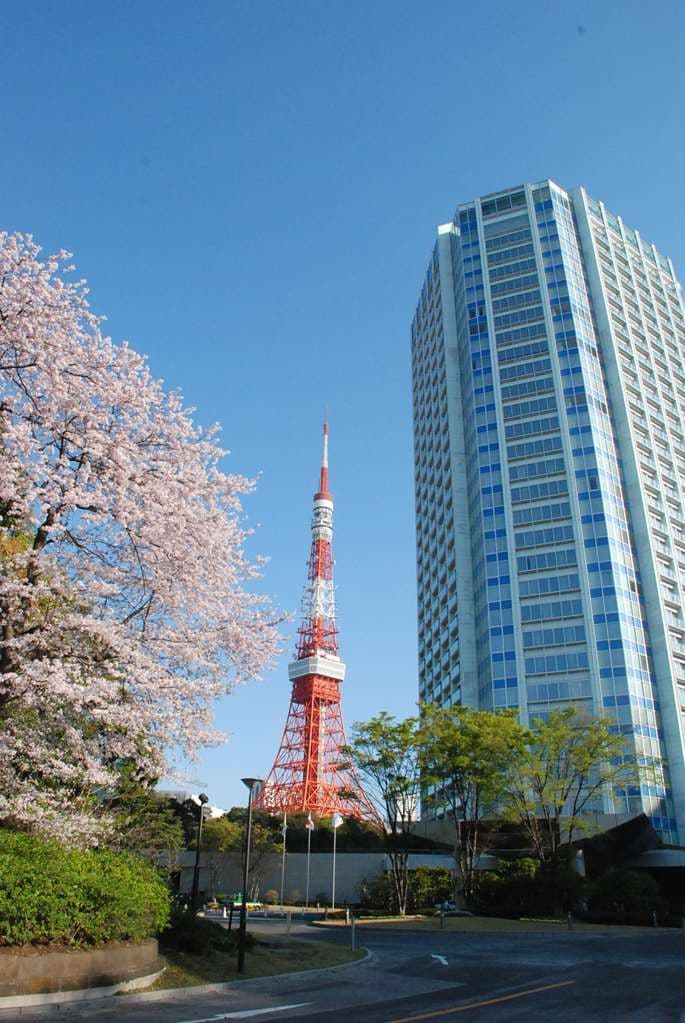
Tokyo often demands you sprint; The Prince Park Tower insists you float. While technically a high-rise, this property functions spiritually as a vertical ryokan, anchored by something nearly impossible to find within the Yamanote line: a legitimate, mineral-rich natural hot spring. Pumped from 1,600 meters underground, the Shiba Park Onsen is a saline sanctuary that dissolves jet lag faster than any espresso martini. The aesthetic here is 'Lost in Translation' meets imperial restraint. Bypass the standard rooms for the Panoramic Corner Kings, where the floor-to-ceiling glass turns the glowing Tokyo Tower into your personal nightlight. Following the October 2025 renovation, the Club Lounge now offers a sharper, more contemporary edge to match the skyline. Dining is equally theatrical; at Brise Verte, the French plates compete with the view, but the real insider move is the Yakitori counter at Torishibua. Service is deferential but precise—expect your Thalgo spa appointment to start on the second.
“Book 'Room 17' (the Corner King). It offers the rare 'dual-view' of the Tower from both the bedroom window and the jetted bathtub.”
Insider TipAvg. Nightly Rate
177USD
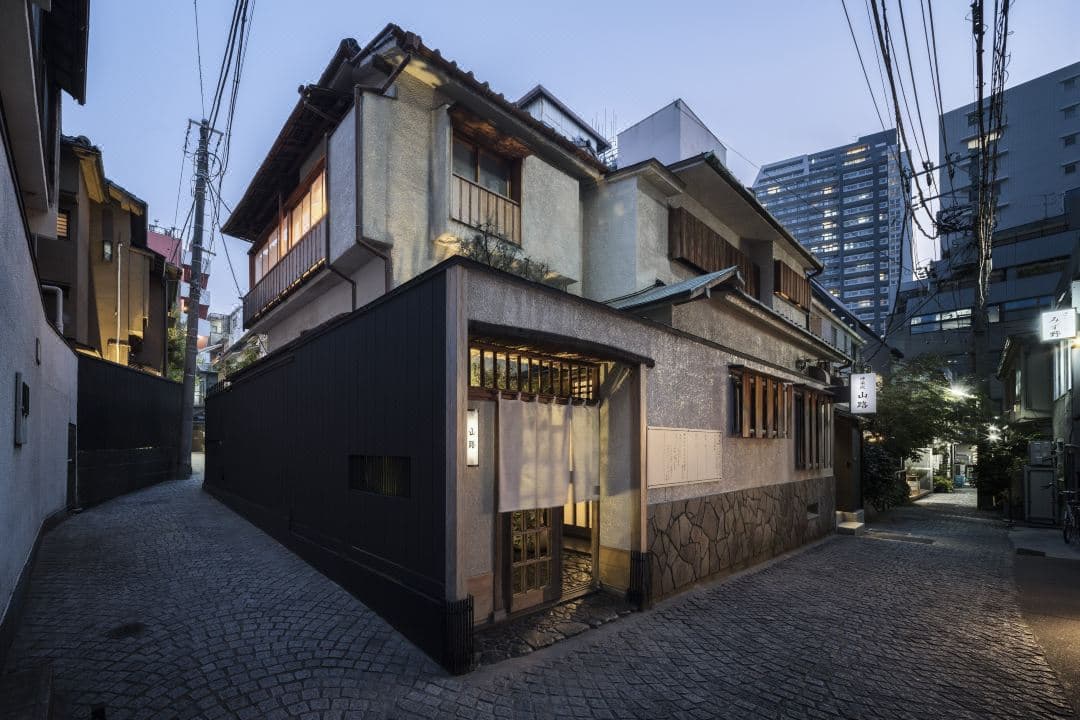
Forget the sprawling lobby of the Aman; TRUNK(HOUSE) is Tokyo’s most elusive key. Located in Kagurazaka—the city's historic 'Little Kyoto'—this 70-year-old former geisha training house has been gutted and reimagined as a single-group private residence. The exterior remains stoic with traditional black fencing and pine, but the interior is a riot of contemporary hedonism. You aren't just booking a room; you're commandeering a two-story playground. The design pedigree is formidable: Stephen Kenn leather sofas anchor the living space, while Tom Sachs tea sets sit ready for use. The layout includes a traditional tearoom with an irori hearth, but the real shock is the bathroom—a fragrant hinoki cypress tub flanked by a provocative tiled mural of Shunga (Edo-period erotic art). Dining is strictly private. Your personal chef prepares Japanese-French Kaiseki in the open kitchen, serving signature lightly deep-fried Kobe beef and Foie gras chawanmushi. Afterward, descend into 'The Disco'—arguably Japan’s smallest club—fitted with a karaoke system, illuminated floor, and a stocked bar pouring Hibiki 30. Service is invisible yet omnipresent, managed by a 24-hour butler who anticipates needs before you articulate them. **The Verdict**: At roughly $5,000+ per night, it’s not a hotel; it’s a flex. Perfect for those who find the Ritz too public.
“Ask your butler to arrange a private geisha performance in the tearoom before heading down to the neon-lit karaoke bar for a surreal contrast of eras.”
Insider TipAvg. Nightly Rate
3300USD
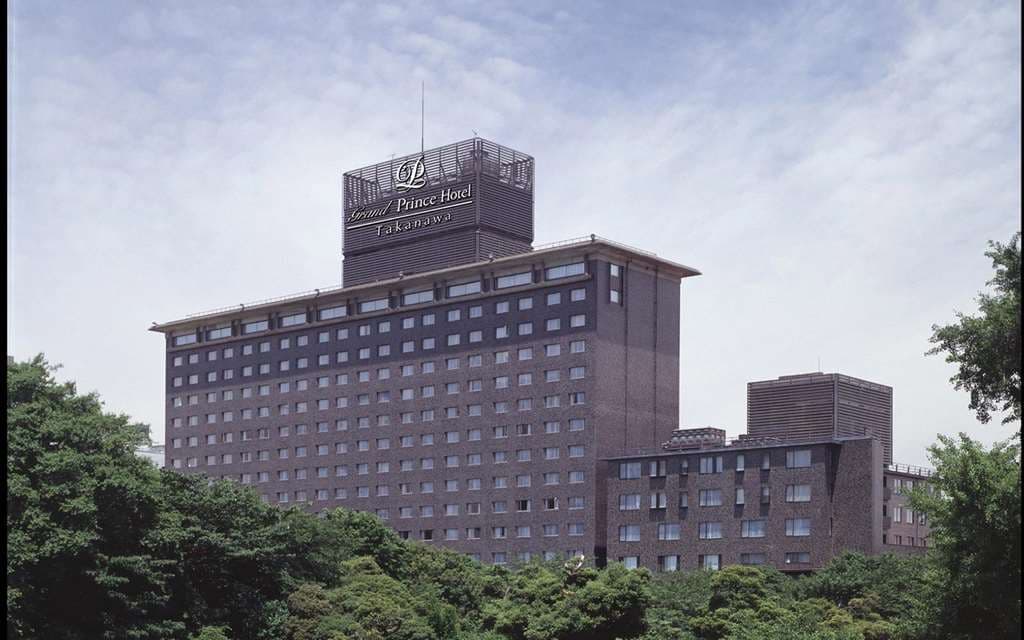
Tokyo often demands a choice between hyper-modern convenience and traditional serenity. The Grand Prince Hotel Takanawa, however, plays a clever double game. While the main tower’s interiors can feel like a time capsule from the bubble era—think expansive but dated—the property’s crown jewel is ‘Hanakohro,’ a ryokan-within-a-hotel that was rightfully awarded a Five-Star rating by the 2025 Forbes Travel Guide. Accessed via a private elevator, this 16-room annex exchanges the main lobby’s bustle for the scent of fresh tatami and low-slung furnishings. The experience is anchored by the property’s 20,000-square-meter Japanese garden, a surreal expanse of bonsai and koi ponds that swallows the noise of the nearby Yamanote Line. For dinner, bypass the standard buffet for ‘Teppanyaki Katsura,’ where the Yamagata beef is seared with theatrical precision, or visit the historic 1911 Kihinkan mansion for ‘Le Trianon’s’ Beef Wellington, Rossini Style—a dish that feels appropriately regal in such a setting. While soundproofing in the main building remains a weak point, Hanakohro guests enjoy a hermetically sealed world of kimono-clad service and private lounge access. It is the perfect compromise for the traveler who wants the ryokan aesthetic without abandoning the logistical ease of Shinagawa.
“Skip the main hotel check-in queue. Hanakohro guests have a dedicated private lounge for check-in where you are served matcha and wagashi sweets immediately upon arrival.”
Insider TipAvg. Nightly Rate
201USD