No. 01
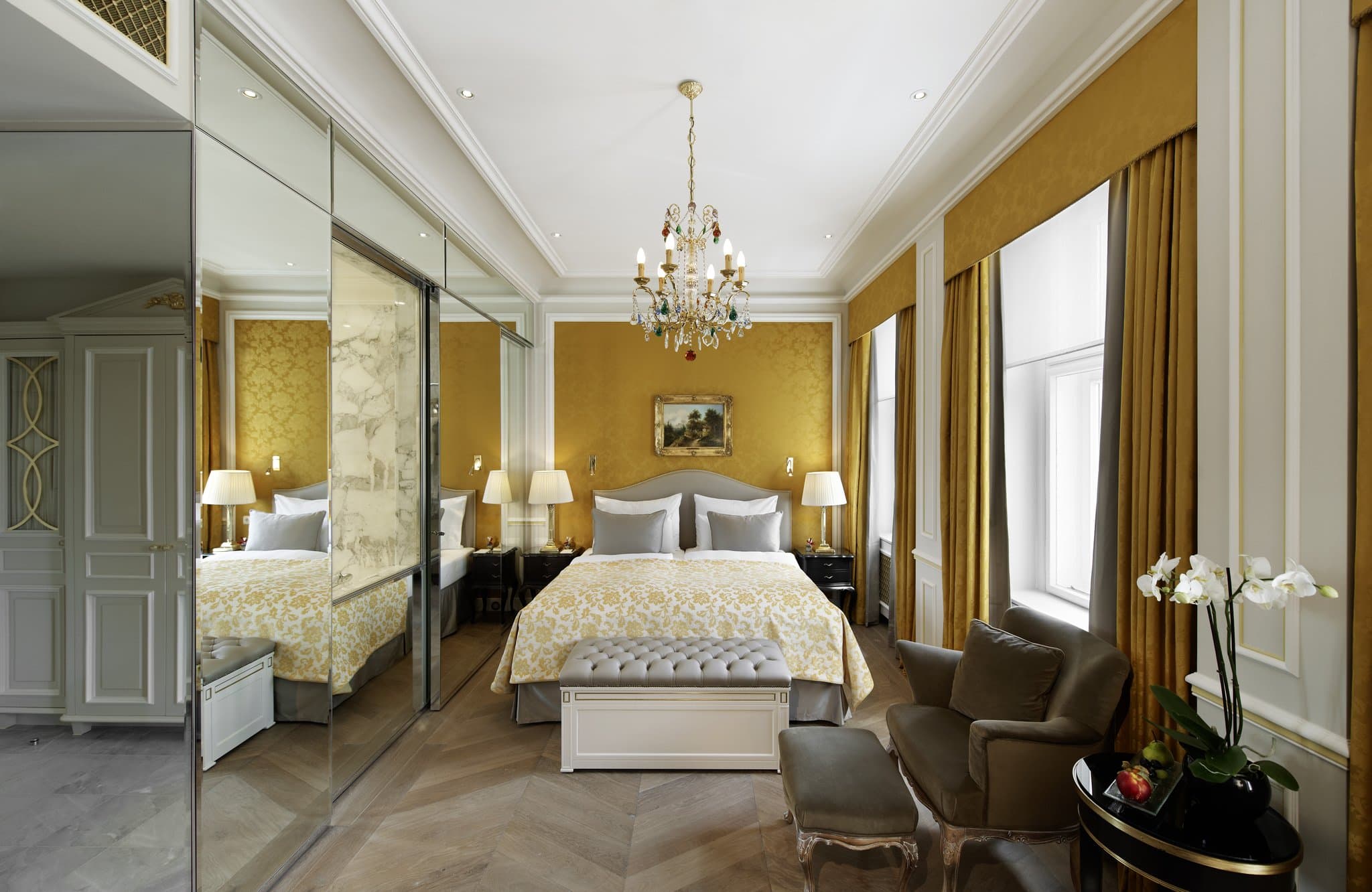
Philharmonikerstrasse 4 Vienna Austria 1010Vienna1081 verified reviews
9
.6
Bitvoya Edit
Layering imagery, place, and detail before the page opens.
Vienna is not merely a city of music; it is a capital of confectionery, where the legendary Sachertorte reigns supreme. For the discerning gourmet, a trip to the Austrian capital is an immersion into the Kaffeehaus culture that defines the historic Innere Stadt. Our curated collection invites you to stay within the 'Sanctuaries of Sachertorte'—properties steeped in history and chocolate. From the iconic Hotel Sacher Wien, the birthplace of the original torte, to the imperial grandeur of the Palais Coburg Residenz and the modern elegance of the Park Hyatt Vienna, these hotels place you steps away from the finest patisseries. Experience the sweet symphony of Vienna's First District, where luxury meets the legacy of culinary art.
Vienna stands alone as a destination where pastry is elevated to a royal decree. Choosing a residency focused on the "Sanctuaries of Sachertorte" ensures that your accommodation is not just a place to sleep, but a gateway to the Austro-Hungarian Empire's culinary soul. Hotels like the Hotel Sacher Wien and the Hotel Imperial do not merely serve food; they preserve history. By staying in these curated properties, you gain priority access to the world's most famous chocolate cakes, bypassing the queues and enjoying them in the velvet-clad surroundings they were designed for. This is a travel experience defined by indulgence, history, and the highest standards of European hospitality.
To truly immerse yourself in the gourmet culture, location is paramount. Our collection focuses on the most prestigious districts:
Guests booking these sanctuaries can expect a level of service that harkens back to the imperial era. Beyond the plush bedding and marble bathrooms, these hotels offer distinct gastronomic advantages:
The Hotel Sacher Wien is the home of the 'Original Sacher-Torte'. Staying here gives you direct access to Café Sacher and the exclusive Sacher Boutique.
Yes, famous cafes like Café Sacher and Café Imperial are extremely popular. Hotel guests often receive priority booking assistance through the concierge.
The Innere Stadt (1st District) is the best area, housing the majority of luxury hotels, historic coffee houses, and fine dining restaurants within walking distance.
Explore our complete curated list of luxury accommodations, from boutique hideaways to grand dames.
Explore All Vienna HotelsWhile tourists queue endlessly for a slice of history downstairs, guests at Hotel Sacher Wien inhabit a different stratosphere entirely. Recently crowned No. 49 in *The World's 50 Best Hotels 2025* and clutching a fresh trio of Michelin Keys, this 19th-century 'Jewel Box' opposite the Opera House has proven it’s no museum piece. The vibe is unapologetic Old-World Noir—think heavy velvet drapes, oil paintings of Emperors, and corridors that smell faintly of vanilla and dark mahogany. Inside the rooms, the 'Time to Chocolate' amenities by Sacher Boutique Spa aren’t a gimmick; they are a rich, cocoa-butter-laden ritual. While some unrenovated corners retain a charming patina (fussy light switches, creaky parquet), the service is razor-sharp. The legendary 'Wonder Maker' concierges—ask for the team by name—can secure impossible seats at the Opera or a table at the otherwise booked-solid Restaurant Rote Bar. Here, skip the wiener schnitzel for the *Tafelspitz* (boiled beef), served with the ceremonial gravity of a coronation. It is the definition of Viennese grandeur: calorie-dense, culturally significant, and utterly intoxicating.
“Skip the main café line. Guests have priority access to the 'Sacher Eck' or can order the 2025 Artist’s Collection Sacher-Torte (designed by Katherine Bernhardt) via room service.”
Insider TipAvg. Nightly Rate
570USD
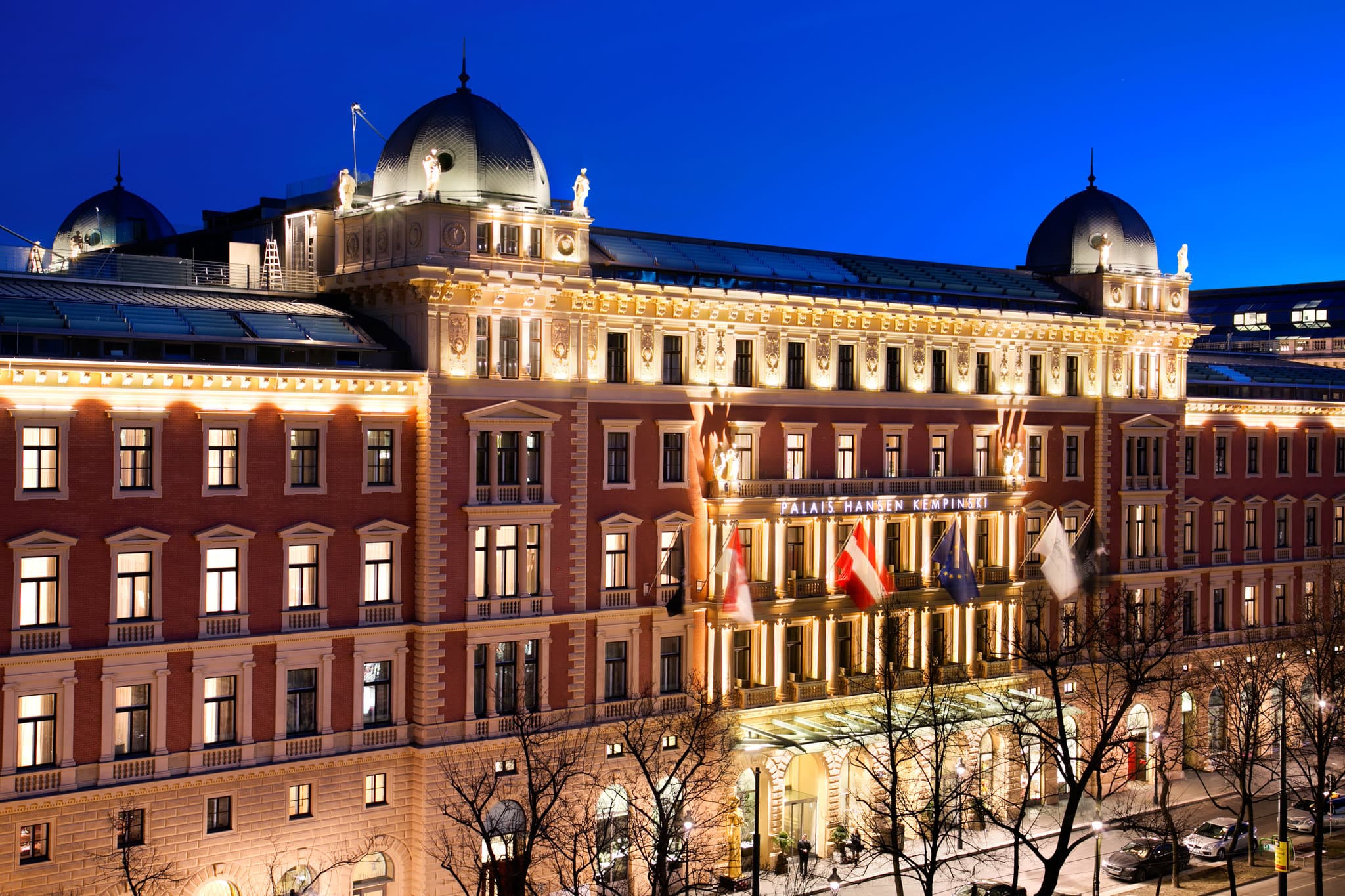
If walls could talk, the Anantara Palais Hansen’s would scream in 19th-century Neo-Renaissance German. Anchoring the Schottenring since the 1873 World Exhibition, this property—freshly rebranded from Kempinski—trades dusty nostalgia for a calorie-dense sophistication. The lobby isn’t just an entry; it’s a marble-clad theater where the 'Ladies and Gentlemen in Red' (the concierge team) orchestrate your life with terrifying efficiency. Upstairs, the rooms are startlingly large for a city that usually hoards square footage. Even the entry-level quarters clock in at 32 square meters, equipped with Nespresso machines that actually work and linens high-thread-count enough to silence a hangover. But you’re here to eat. The breakfast at Brasserie Sophie demands a €49 toll—steep, yes, but the Viennese morning spread is practically a religious rite. The real pilgrimage, however, is EDVARD. Under Chef Paul Gamauf, this Michelin-starred venue avoids the usual Schnitzel traps, serving an Alpine-Mediterranean collision where the Golden Trout and hand-rolled ricotta cavatelli justify the flight alone. Verdict: A caloric fortress of solitude. Come for the history, stay because you’re too full to move.
“Skip the standard checkout rush. The 'Spice Spoons' Apple Strudel baking class isn't just for tourists; it’s the only way to learn the secret of the dough-stretching technique from the pastry chef himself.”
Insider TipAvg. Nightly Rate
275USD
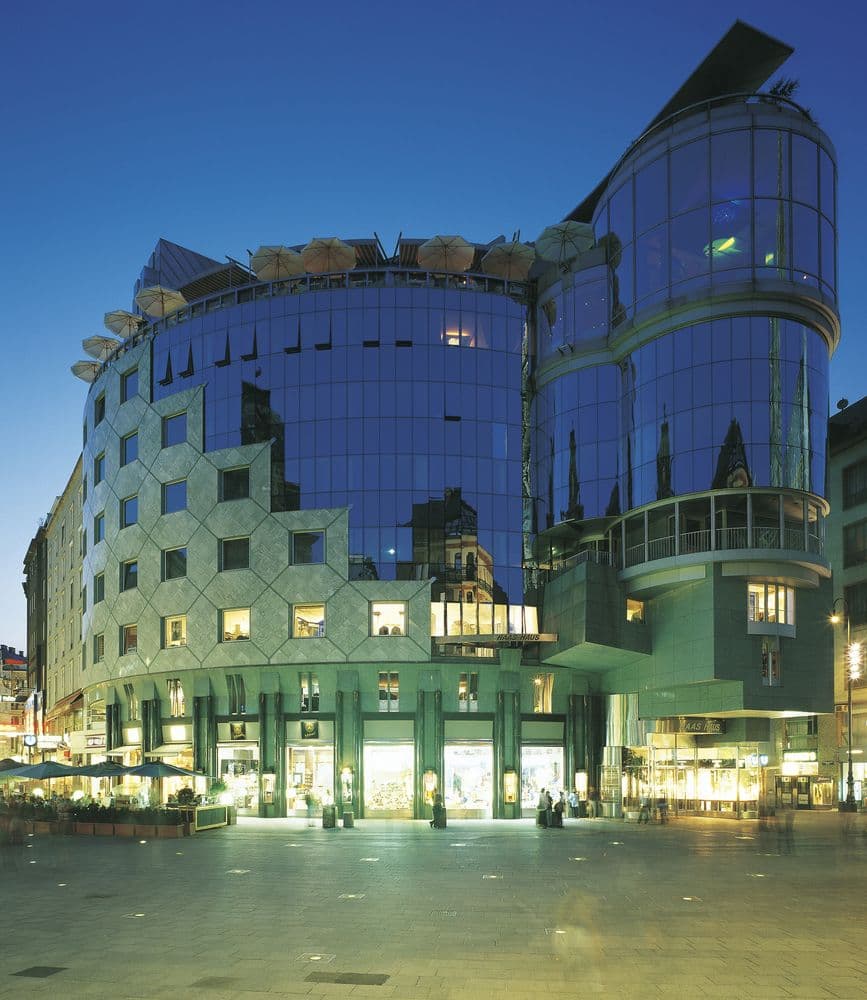
Forget the gilded, hushed lobbies of the Ringstraße; DO & CO is a hotel built for eaters, not sleepers. Housed in Hans Hollein’s once-controversial, mirrored Haas Haus, this is the hospitality arm of Austria’s catering dynasty (yes, the ones who feed you in Business Class). There is no sweeping entrance—just a discrete, almost speakeasy-style door whisking you up to a world of dark wood, pony skin, and aggressive modernity. The 43 rooms are masculine lairs of leather and stone, where glass-walled bathrooms demand intimacy (or exhibitionism) and Bang & Olufsen tech competes with the bells of St. Stephen’s Cathedral, practically pressed against your window. Le Labo has been swapped for ETRO amenities, adding a spicy Italian edge to the grooming ritual. But you’re here for the fork-to-mouth action. Breakfast isn’t a sad buffet; it’s a parade of tiered stands at the DO & CO Restaurant featuring perfectly coddled eggs and house-baked Viennese rolls. By night, the ONYX luminaries sip yuzu cocktails while the Gothic roof tiles of the 'Steffl' glisten outside. It’s loud, it’s scene-y, and it’s unapologetically delicious. **Verdict**: A gourmand’s crash pad where the view is as rich as the Sachertorte.
“Skip the 'Courtyard View' rooms entirely. Demand a 'Cathedral View' suite on the 5th floor—it aligns perfectly with the gargoyles for the ultimate brooding selfie.”
Insider TipAvg. Nightly Rate
308USD
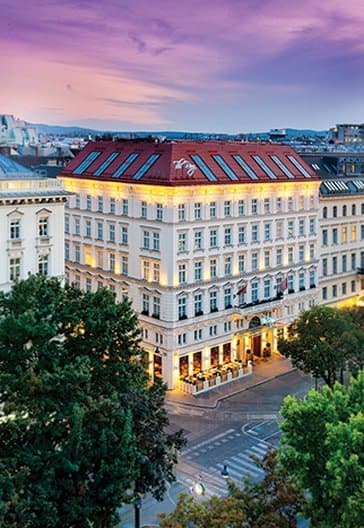
Forget the dusty velvet and hushed reverence of Vienna’s traditional grand dames. The Amauris, standing sharply on the Kärntner Ring, is the antidote to imperial fatigue. While the facade commands the usual Habsburg respect, the interiors are a deliberate, sophisticated riot of the modern. You aren’t just checking in; you’re joining a private club where the 19th-century wrought-iron elevator whisks you past the anarchic beauty of the 'Hubirds' mural—a stark signal that this property prefers wit over worship. The rooms are studies in restraint, eschewing heavy drapery for clean lines and Acqua di Parma amenities that cut through the city's sweetness. But the real residency here is culinary. The Glasswing Restaurant is the property's beating heart, where Chef Alexandru Simon dismantles Austrian predictability. His Miéral Pigeon, served with kale and lingonberry, is a masterclass in technical precision, lacking the heaviness often found in the district’s menus. For a sharper, more casual edge, the Bistro’s Zwiebel-Rostbraten defies purists with a Korean BBQ sauce glaze—a move that’s delightfully blasphemous and impeccably delicious. Downstairs, the spa achieves the impossible in a city center: natural light. The heated relaxation pool sits under a retractable glass roof, allowing you to backstroke beneath the Viennese sky. It’s a compact, potent package. If the Opera House next door is for the masses, The Amauris is for the critics who know where the real performance is.
“Book a table at the Glasswing Bistro for lunch specifically to try the Zwiebel-Rostbraten; it sells out faster than the dinner tasting menus.”
Insider TipAvg. Nightly Rate
257USD
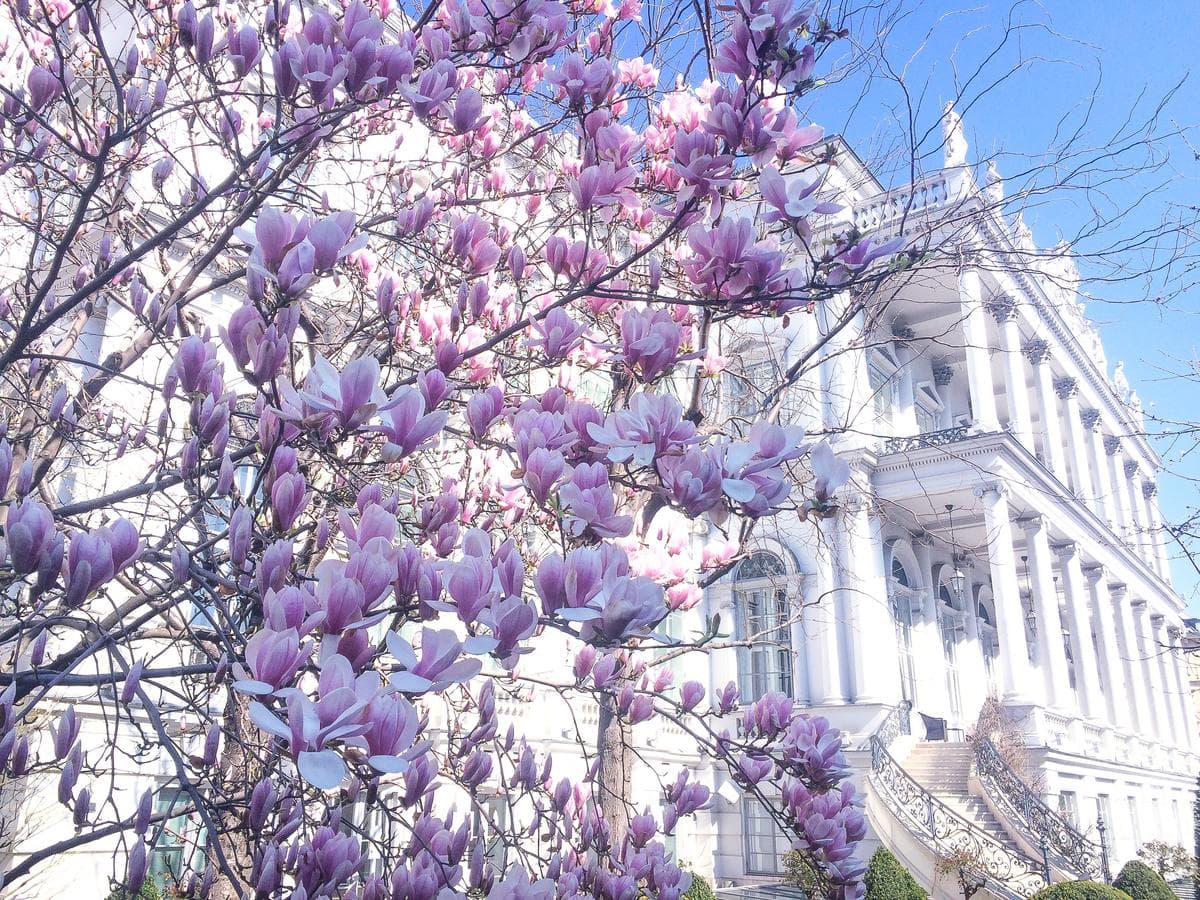
Standing before the gleaming 'Asparagus' column facade of the Palais Coburg, one forgets that this blindingly white neoclassical residence sits atop dark, 16th-century fortifications. It is a stark architectural duality that defines the experience: history below, haute luxury above. Fresh from its late-2025 renovation, the property feels sharper, the service more intuitive, though the idiosyncratic layout remains. The duplex suites are massive—veritable apartments—though the internal stairs can turn a midnight search for water into a mild athletic feat. But we are here for the palate, not the cardio. The Silvio Nickol Gourmet Restaurant remains the city’s culinary apex. His signature Duck Liver, earthy with mushroom and spruce, is less a dish and more a forest floor foraging trip on fine china. For lunch, 'Clementine im Glashaus' offers a brighter counterpoint; the glazed black cabbage with the Barbarie Duck Breast cuts through the richness with surgical precision. The real secret, however, sleeps in the cellar. With 60,000 bottles, the Wine Archive is one of Europe’s most significant collections. Ask Sommelier Wolfgang to unlock the Rare Wine Cellar; the damp, medieval air makes the vintage Bordeaux taste even more alive. Verdict: A confusing maze for the directionally challenged, but a pilgrimage site for the serious drinker.
“Request a 'Bastei Suite' on the lower levels if you prefer direct elevator access over the duplex stairs. Also, the spa reopens fully later in 2026—check before booking treatments.”
Insider TipAvg. Nightly Rate
650USD
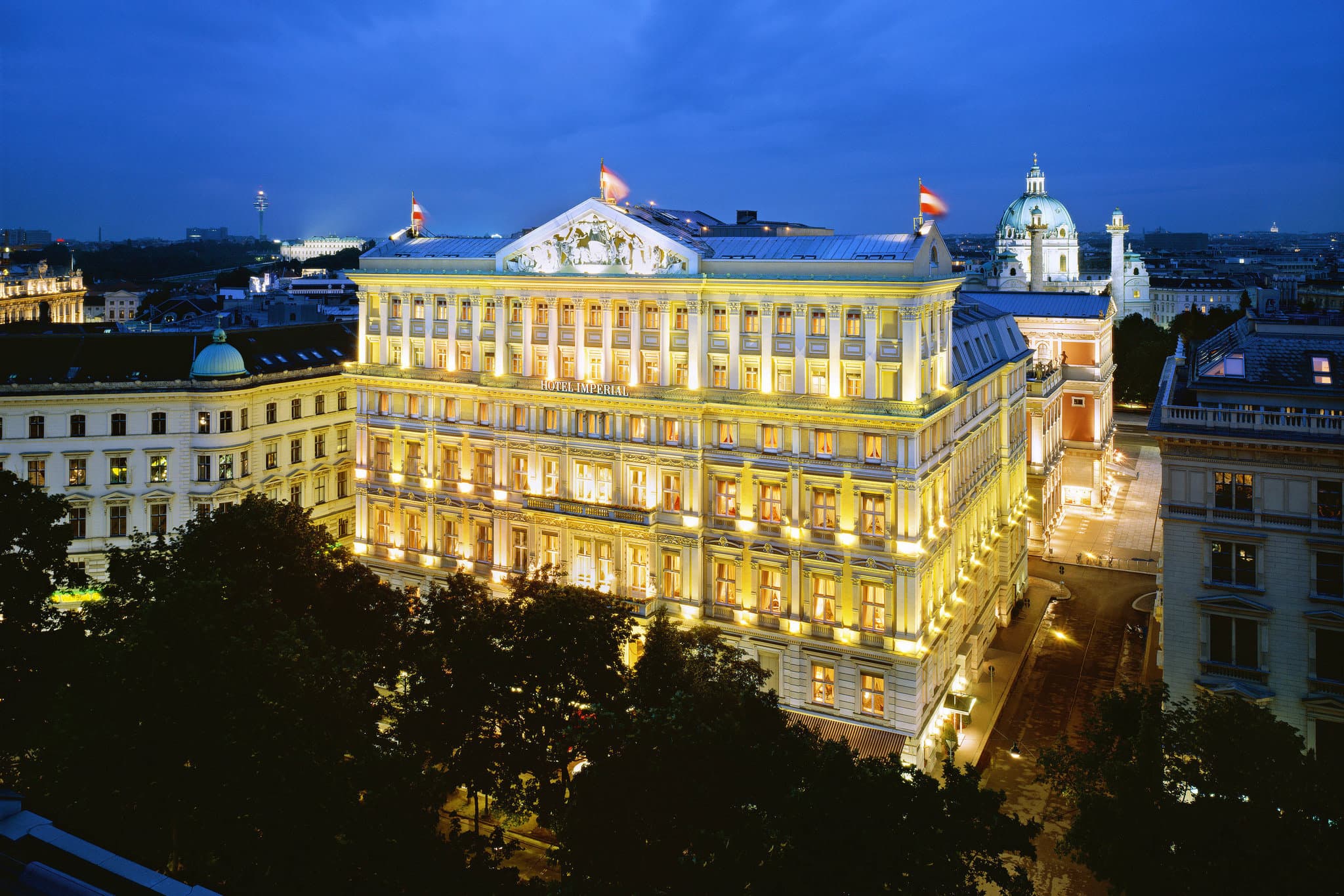
While the Sacher draws the selfie-stick cavalry, the Hotel Imperial remains the hushed stronghold of actual royalty. Built in 1863 as the Prince of Württemberg’s private residence, this isn’t a hotel trying to look like a palace; it simply is one. The Royal Staircase alone—a sweeping theatric of marble and velvet—makes every arrival feel like a coronation. Inside, the vibe is unapologetically Old Money. We aren’t talking minimalist chic; we’re talking 19th-century antiques, silk-upholstered walls, and heavy brass keys that could double as paperweights. Sure, the lack of an on-site pool is a notable omission for a five-star (you’re dispatched to the Ritz-Carlton for a dip), and the bathrooms can feel ‘classic’ in the tightest sense of the word. But one bite of the Blue Shrimp with Yuzu Kosho at the Michelin-starred (and newly 4-Toque awarded) OPUS silences any complaints. Skip the Sacher’s queue and head to Café Imperial for the Imperial Torte—a marzipan-layered superior to its dry rival. Service here is almost telepathic, with butlers who seem to pre-empt your needs before you’ve had your first €21 Golden Martini. It’s expensive, nostalgic, and spectacularly grand.
“Request a 5th-floor room with a terrace for rare, private views over the Ringstraße roofs—perfect for enjoying your morning Melange away from the street noise.”
Insider TipAvg. Nightly Rate
377USD
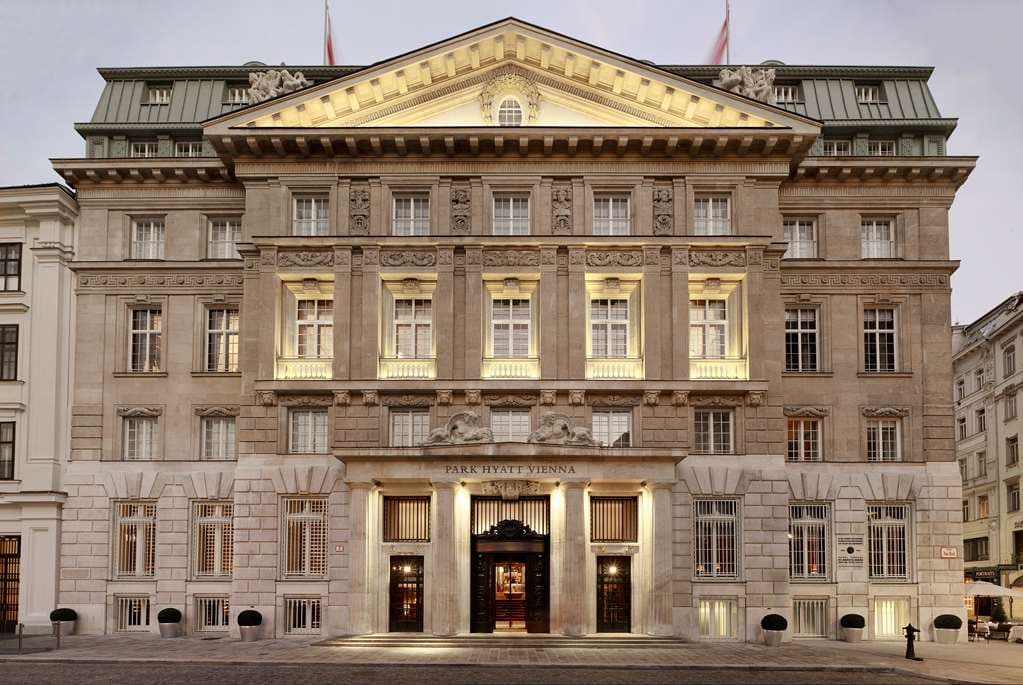
If currency had a scent, it would permeate the lobby of the Park Hyatt Vienna. Housed in the century-old Austro-Hungarian Monarchy Bank, this property doesn't just nod to its fiscal past; it gilds it. The check-in experience in the Goldenes Quartier sets a high bar, but the real dividends are paid in the details: mother-of-pearl inlays, high-gloss walnut, and the lingering aroma of the hotel's signature fragrance. The Bank Brasserie & Bar, occupying the former cashier hall, is the architectural showpiece with its glowing dandelion chandeliers, but the kitchen delivers equal brilliance—the Rahmschmarrn here destroys any diet with Austrian precision. Rooms are exercises in masculine elegance, stocked with Le Labo amenities and operative windows (a rarity in modern luxury). While the service at breakfast can occasionally lag behind the five-star hardware, the concierge team is sharp enough to secure impossible reservations at Zum Schwarzen Kameel. Verdict: A literal wealth of experience.
“Skip the main pool hours. Go early to swim laps in the 'Arany Spa' pool—it’s located in the actual former bank vault, lined with gold-bar tiles.”
Insider TipAvg. Nightly Rate
690USD
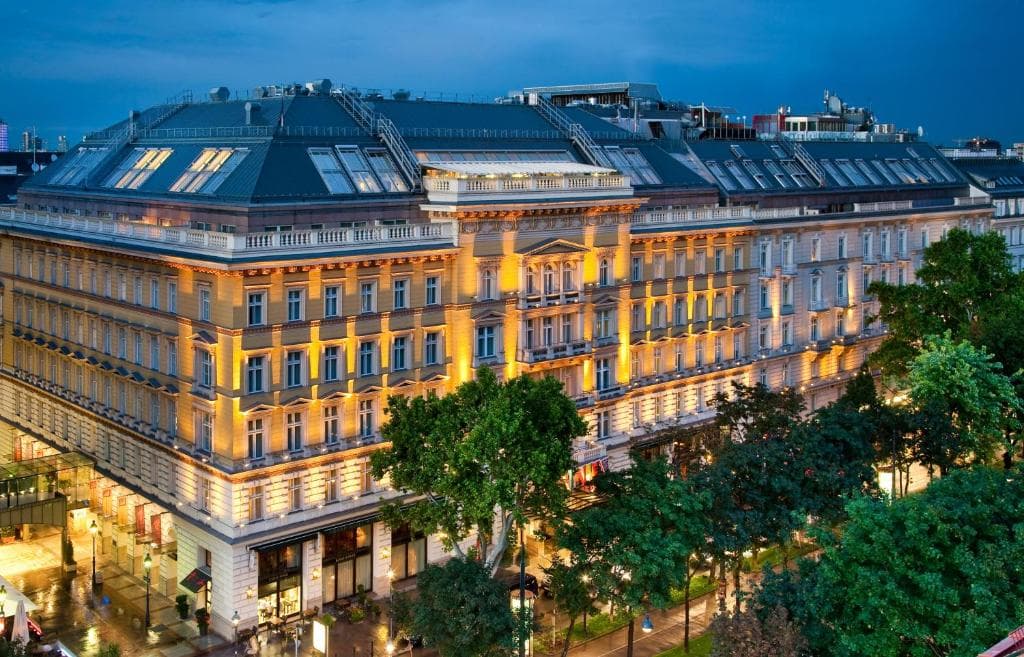
While tourists form serpentine queues at the Hotel Sacher for a slice of history, the smart money—and the true gourmands—slip quietly into the Grand Hotel Wien. Commanding a prime slice of the Ringstraße, this 1870s icon doesn’t just lean into its Imperial heritage; it marinates in it. The lobby is a dizzying tiered confection of crystal chandeliers and marble that feels less like a hotel entrance and more like a ballroom awaiting a Strauss waltz. Upstairs, the rooms are unapologetically classic—heavy drapes and Biedermeier-style furnishings that might feel grandmotherly to the minimalist, but envelop you in a reassuringly expensive silence. The real draw, however, is the culinary schizophrenia, in the best possible sense. You come for the ‘Grand Guglhupf’—their moist, almond-studded answer to the Sachertorte—but stay for UNKAI, where the kaiseki menu and Wagyu teppanyaki rival anything in Tokyo. Even the traditional ‘1870’ restaurant flirts with modernity, serving Char ceviche alongside the requisite Tonkatsu-style Schnitzel. Service is swift, silent, and knows your drink order before you do. It’s the Ringstraße experience without the tourist circus.
“Skip the street-level bustle. Book a table on the terrace of Restaurant 1870 for sunset; the view over the glistening Ringstraße is best enjoyed with their signature 'The Rose' cocktail in hand.”
Insider TipAvg. Nightly Rate
380USD
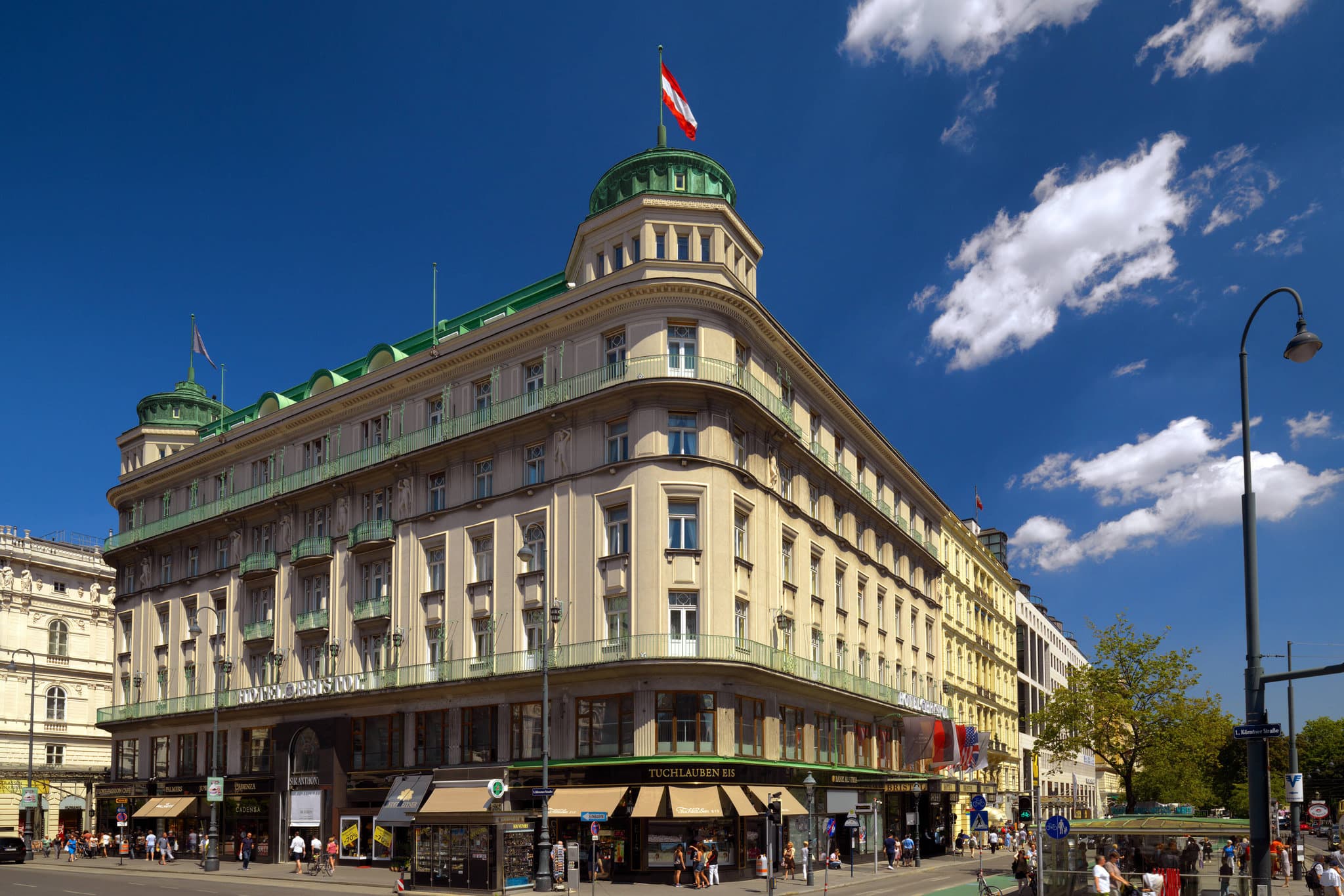
If the Vienna State Opera is the city’s lungs, the Hotel Bristol has long been its drawing room. Currently shrouded for a dramatic restoration until late 2027, this Grand Dame is taking a necessary intermission, but her ghost still dictates the standard for Viennese hospitality. Unlike the gilded Rococo excess of its Ringstraße rivals, the Bristol has always played the sophisticated card—a cinematic wash of mahogany, brass railings, and black marble that feels more *The Third Man* than Sissi. The tragedy of its temporary closure is the pause on the 'Bristol Lounge,' where the signature Bristol Cake—a dense, moist chocolate confection—served as the only credible rival to the dry ubiquity of the Sachertorte. Pre-renovation, the rooms were a lesson in tactile luxury: antique chandeliers, 400-thread count linens, and, in the Prince of Wales Suite, a library that smelled of old paper and cognac. While the Clefs d’Or concierge team takes a hiatus, we are left marking our calendars. When the curtain rises again in December 2027, expect the 1892 icon to reclaim its throne with its patina polished, not erased.
“The hotel is closed until Dec 2027. For now, visit the nearby 'Plachutta zur Oper' for Tafelspitz, but bookmark the Bristol's 'Opera Rooms' for your 2028 premiere.”
Insider TipAvg. Nightly Rate
325USD
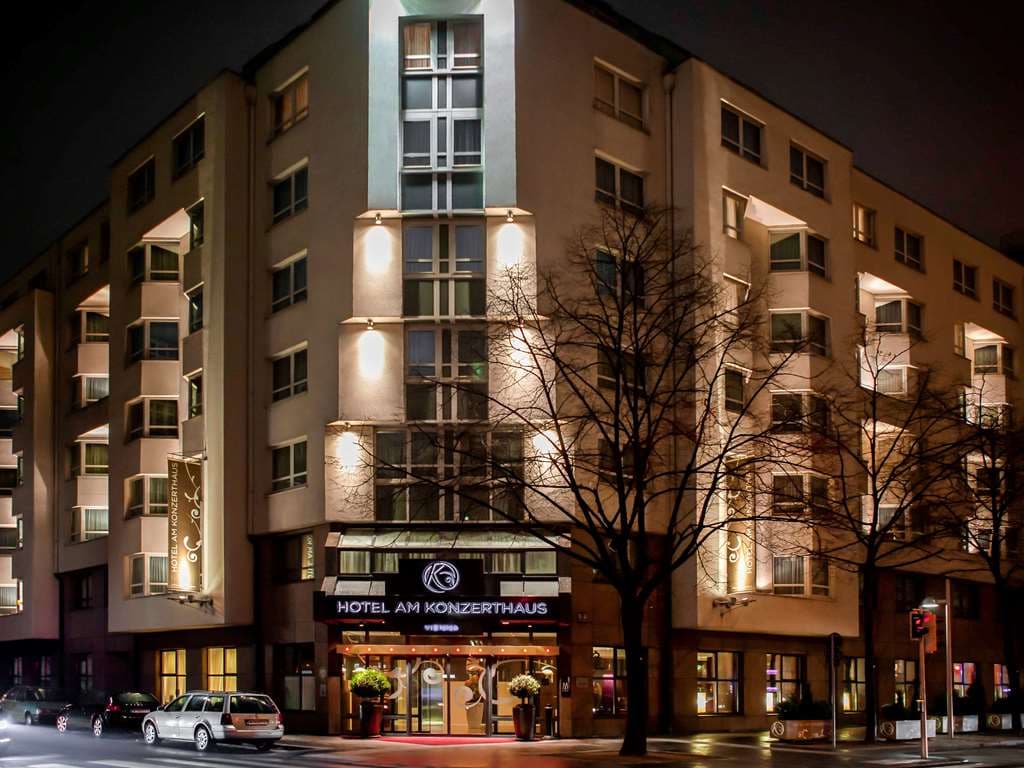
If Vienna is a stage, Hotel Am Konzerthaus - MGallery is the exclusive green room. Located strictly stage-left of the Wiener Konzerthaus, this property trades imperial stiffness for theatrical flair. The lobby sets the scene immediately with its 'Cloud of Light' chandelier, a dramatic cascade of glass that feels less like a fixture and more like a performance art piece. Upstairs, the narrative shifts from public spectacle to private retreat. The rooms are a nod to the Secessionist movement, dominated by oversized brass TV discs and Gustav Klimt murals that act as headboards. While the bathrooms lean towards the petite side—a common architectural grievance in historic Vienna—the blow is softened by generous L'Occitane amenities and a pillow menu that actually delivers. But the real residency here is culinary. Restaurant APRON, holding its Michelin star firm for 2025, turns dinner into theater with its open kitchen layout. Skip the safe choices; the Braised Veal Tongue is a revelation, and the signature 'Butter Candle'—which slowly melts into a dipping pool for sourdough—is the kind of edible pyrotechnics that justifies the hype. For a nightcap, Oskars Bar pours a mean Apron Bramble, best sipped while sinking into velvet upholstery that feels dangerously comfortable. It’s not just a place to sleep; it’s a place to be an audience member to high gastronomy.
“Ask for a 'Good Night Kit' at reception—it includes lavender oil, an eye mask, and chamomile tea, a lifesaver if you've overindulged at APRON.”
Insider TipAvg. Nightly Rate
90USD