No. 01
Kaerntner Ring 16 Vienna Austria 1015Vienna893 verified reviews
9
.2
Bitvoya Edit
Layering imagery, place, and detail before the page opens.
Vienna is a city where history breathes through the walls of its architecture. Beyond the grand public museums, a secret world exists within the Innere Stadt and along the Ringstraße: private aristocratic residences transformed into ultra-luxury hotels. These are not merely places to sleep; they are 'Palais Privé'—intimate conversions that allow you to step into the shoes of the Habsburg nobility. From the vault-turned-spa at the Park Hyatt in the Golden Quarter to the historic corridors of Palais Coburg, these properties blend 19th-century grandeur with contemporary finesse. Experience the distinct charm of the Museumsquartier and the opulent First District, where every suite tells a story of imperial elegance.
Vienna stands alone in Europe for its density of Palais—grand residences built for the aristocracy during the Imperial era. Choosing a converted palace hotel offers a travel experience that is deeply rooted in Austrian heritage. Unlike purpose-built modern skyscrapers, properties like the Hotel Imperial and Palais Hansen Kempinski (now Anantara) retain original stucco work, grand staircases, and soaring ceilings. Staying here is not just about luxury; it is about inhabiting history. The 'Palais Privé' concept appeals to travelers seeking intimacy within grandeur, offering a residential feel that contrasts with the bustle of typical tourist hubs.
Expect a fusion of the antique and the avant-garde. While the facades are strictly protected monuments, the interiors often feature state-of-the-art technology. Service in these establishments is modeled after the imperial court—discreet, anticipatory, and highly personalized (often including butler service). Look for unique architectural quirks: suites with frescoes, spas located in former vaults, and ballrooms repurposed for fine dining. This is the essence of Viennese luxury.
While many have deep roots, Palais Coburg Residenz is situated in a structure dating back to the mid-19th century atop 16th-century fortifications, and Hotel Imperial was originally built in 1863 as the private residence of the Prince of Württemberg.
The Innere Stadt (1st District) and the famous Ringstraße boulevard are the prime locations. This puts you within walking distance of major landmarks like St. Stephen's Cathedral and the State Opera.
Absolutely. Despite their historic facades, properties like Park Hyatt Vienna and Rosewood Vienna feature state-of-the-art technology, world-class spas (often in converted vaults), and contemporary interior design.
Explore our complete curated list of luxury accommodations, from boutique hideaways to grand dames.
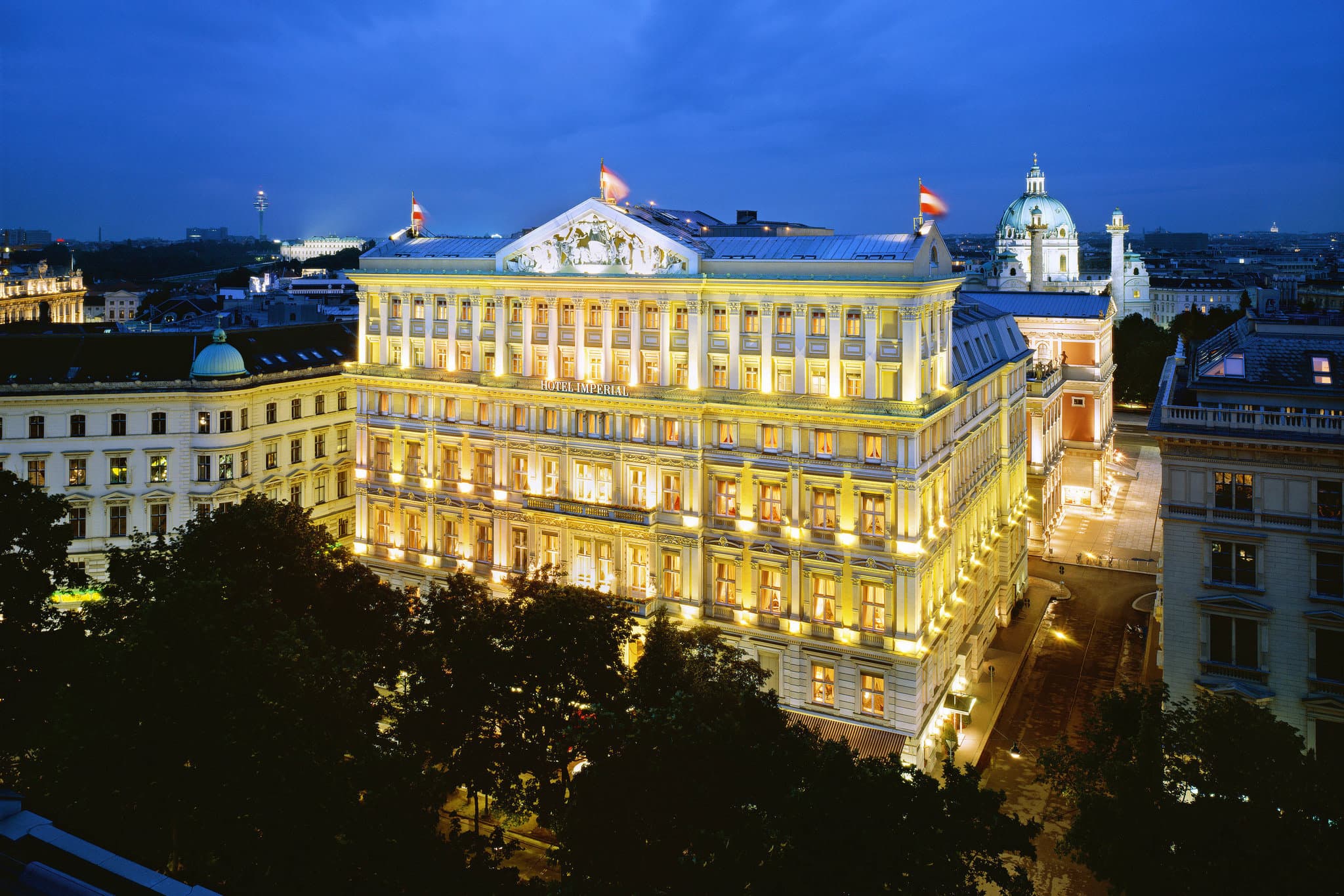
Explore All Vienna HotelsIf the walls at the Hotel Imperial could talk, they wouldn’t gossip—they would likely issue a diplomatic decree. Originally the private residence of the Prince of Württemberg, this Neo-Renaissance fortress on the Ringstraße doesn't just mimic history; it is the history. The lobby alone, dominated by the 'Royal Staircase' and enough marble to sink a battleship, makes modern minimalism look fast-cheap. Check-in here is less a transaction and more a coronation. The rooms are unapologetically old-world—think silk-upholstered walls, crystal chandeliers, and physical brass keys that weigh as much as a small dog. While some whisper that the tech is dated (the TVs aren't exactly IMAX), the 2025 awarding of 'Two Michelin Keys' suggests the inspectors agree: you come here for the Hapsburg atmosphere, not the USB-C ports. Dining is a serious affair. Skip the tourist trap queues elsewhere and settle into Café Imperial for the 'Imperial Torte,' a marzipan-chocolate rebuke to the Hotel Sacher's dry sponge. For dinner, Restaurant OPUS (newly crowned with 4 Gault&Millau Toques for 2026) serves a Blue Shrimp with Yuzu Kosho that is startlingly modern against the baroque backdrop. There is no pool—a scandal for some, but the concierge will whisk you to the Ritz-Carlton if you must splash about. For everyone else, the sauna and a dry martini in the 1873 HalleNsalon are sufficient exercise.
“Bypass the concierge desk for ordinary requests, but strictly seek out Head Concierge Dieter Ludewig for the impossible. Also, buy the 'Imperial Torte' in a wooden crate to ship home—it travels better than the Sachertorte.”
Insider TipAvg. Nightly Rate
377USD
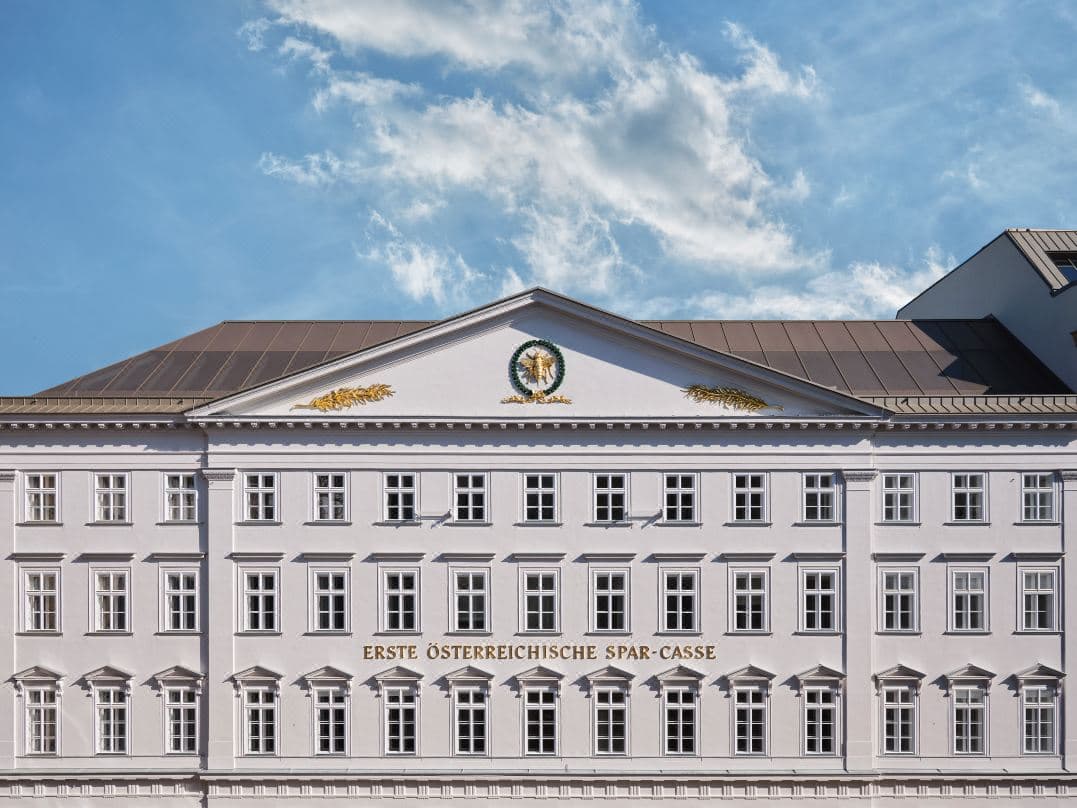
If the Habsburgs commissioned a modern penthouse, it would look like Rosewood Vienna. Anchoring Petersplatz, this 19th-century bank-turned-residence ditches the stiff lobby concept for a salon-style arrival in Salon Aurelie, where hand-painted palm murals backdrop your check-in espresso. The design is strictly residential—think less 'hotel' and more 'wealthy art collector’s townhouse.' Upstairs, the rooms master the balance of Belle Époque bones and 21st-century tech. We’re talking heated walnut floors, auto-closing shears that reveal cinematic views of St. Peter’s emerald dome, and marble bathrooms stocked with Dyson hair dryers and heavy bespoke amenities. Dining is a power move here: the rooftop Neue Hoheit Brasserie serves a Tafelspitz so tender it requires no knife, but the real draw is the terrace tables flanking the church spire. While the historic footprint precludes a pool, the Asaya Spa compensates with Augustinus Bader facials that arguably do more for your glow than a swim ever could. Service is telepathic—your preference for oat milk is remembered before you ask twice. It’s a steep price point, but for this level of privacy in the First District, it feels justified.
“Skip the main bar queue and ask the concierge for a seat in the speakeasy-style 'Salon Aurelie' for a quiet Guglhupf, or book the spa's 'Social Suite' for a private group retreat.”
Insider TipAvg. Nightly Rate
459USD
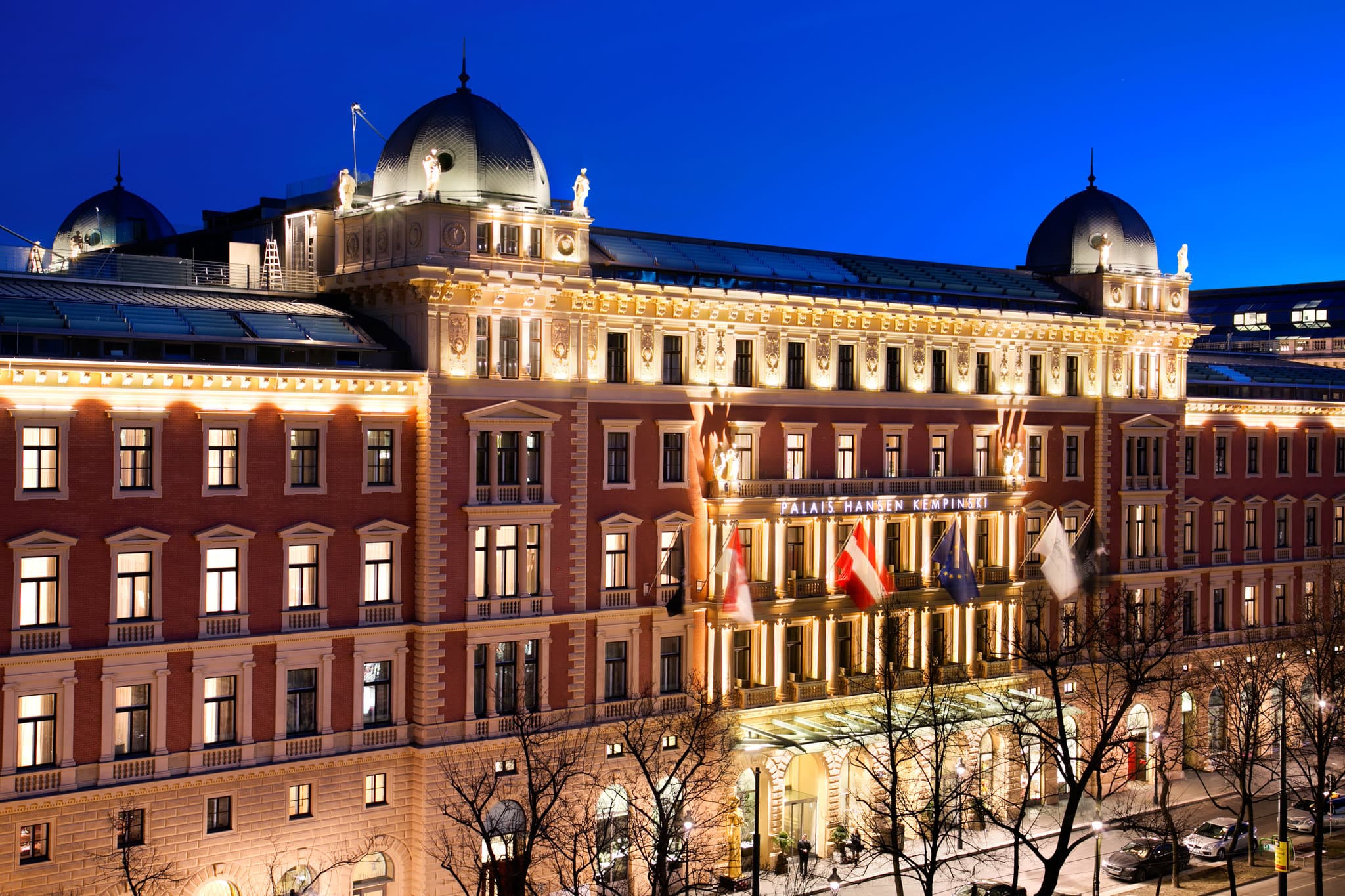
If walls could talk, the Anantara Palais Hansen would whisper secrets from the 1873 World Exhibition. Designed by the formidable Theophil Hansen, this listed monument on the Ringstraße has shed its former Kempinski skin for a vibrant Anantara rebirth. The result is not a 'blend' but a collision of eras: monumental Neo-Renaissance columns in the lobby now frame a buzzier, more cosmopolitan crowd. The rooms are lessons in restraint—high ceilings and muted tones that let the architecture breathe, grounded by Nespresso machines and the sensory punch of Acqua di Parma amenities. But the real theater happens downstairs. At EDVARD, recently crowned with a Michelin star for 2025, Chef Paul Gamauf’s Alpine-Mediterranean menu demands attention; the hand-rolled ricotta cavatelli with golden trout is a dish you’ll think about for days. For breakfast, Brasserie Sophie eschews the typical buffet fatigue for a curative Viennese spread that could revive the Habsburgs. While the spa’s hydro pool is compact, the treatments—powered by Valmont and Elemis—are world-class. Service is razor-sharp, with a concierge team that secures the impossible. This isn't just a hotel; it’s Vienna’s living room, now with a pulse.
“Skip the standard checkout rush and book the 'Spice Spoons' class to learn the dark arts of Apple Strudel baking—available only to guests 12 and up.”
Insider TipAvg. Nightly Rate
275USD
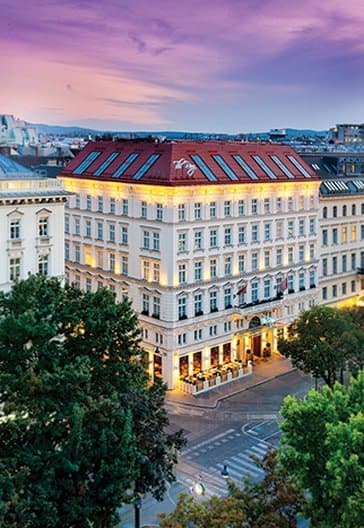
Forget the dust-gathering velvet of Vienna’s old-guard Grand Dames. The Amauris, inhabiting a noble 1860 Palais on the Ringstraße, isn’t just a renovation of the former Ring Hotel—it’s a coronation. While the monolithic hotels nearby trade on Imperial nostalgia, this 62-room boutique property (a Relais & Châteaux member) feels like the private residence of a particularly well-traveled archduke with a penchant for Italian design. The drama begins at the entrance: 160 tons of black-and-white marble set the stage, but the real showstopper is the original 19th-century wrought-iron elevator—a caged beauty that whisks you up to rooms that whisper rather than shout. Think heated floors, Illy espresso machines, and bathrooms stocked with Acqua di Parma that you’ll actually want to steal. Downstairs, the Glasswing Restaurant is serving serious gastronomy; the Miéral pigeon with kale is a dark, savory triumph that demands a heavy Austrian red. But the pièce de résistance? The spa’s indoor pool, crowned with a retractable glass roof that lets you backstroke beneath the Viennese sky. It’s intimate, sharp, and mercifully devoid of tour groups.
“Book a Grand Deluxe room facing the inner courtyard for absolute silence, but steal away to the Glasswing Bar for the 'Zwiebel-Rostbraten'—it’s an insider favorite that outclasses the tourist traps nearby.”
Insider TipAvg. Nightly Rate
257USD
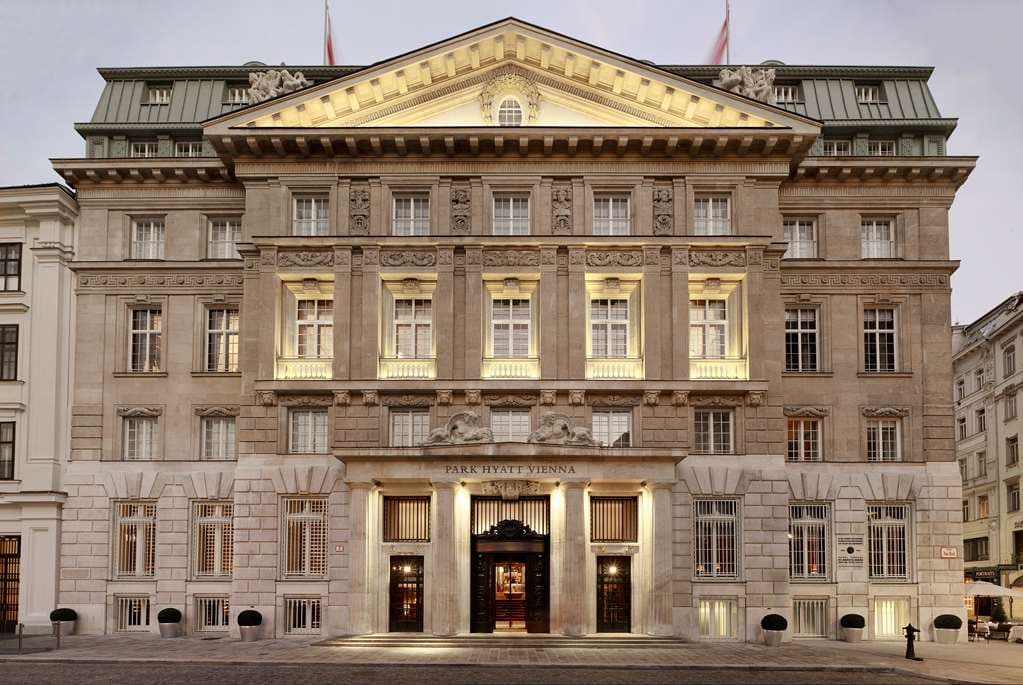
If walls could talk, the marble-clad perimeters of Park Hyatt Vienna would whisper trade secrets of the Austro-Hungarian Monarchy. Occupying a 100-year-old bank headquarters on the aristocratically paved Am Hof square, this property doesn't just house you; it endows you. The sheer volume of the lobby—formerly the cashier hall—is staggering, now softened by the dandelion-puff chandeliers of The Bank Brasserie. The design is a masterclass in masculine glamour: think dark wood paneling, mother-of-pearl inlays, and the custom scent of Blaise Mautin that permeates the air (a distinct, powdery leather). Rooms are substantial, featuring heated stone floors and hidden TVs in mirrors, though the air conditioning can be as temperamental as a Habsburg archduke. The spa, housed in the bank’s original vault, is the showstopper—swimming across gold-bar tiles while surrounded by foot-thick steel doors is a surreal plunge into opulence. Service is polished, if occasionally overwhelmed at breakfast, but the Beef Tartare at The Bank makes up for any delay. It is, quite simply, the weightiest address in town.
“Request a 'View Deluxe Room' facing Am Hof square for the best morning light. For total solitude, hit the vault pool before 8 AM—it’s often empty.”
Insider TipAvg. Nightly Rate
690USD
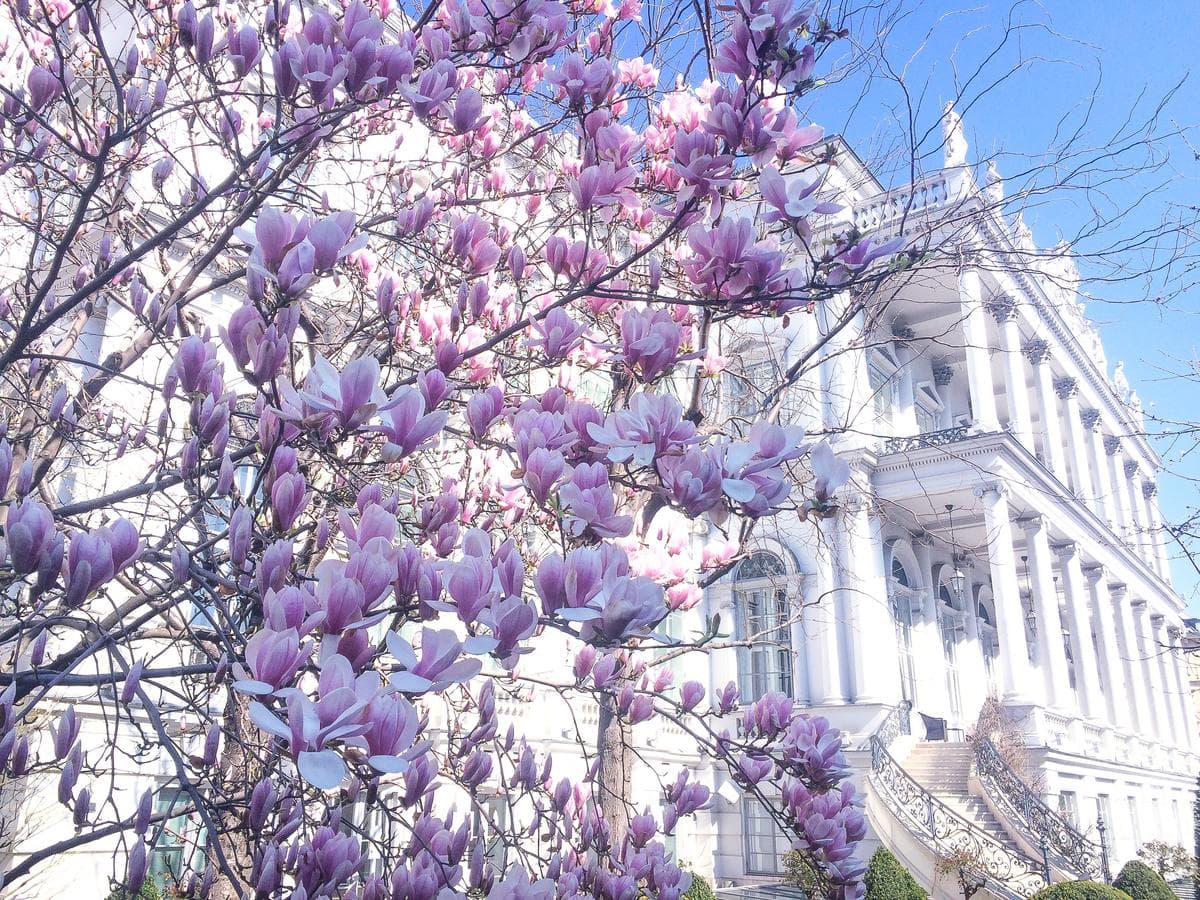
Vienna often preens like a museum, but Palais Coburg is the vault. Anchored to the 16th-century Braunbastei, this isn't merely a hotel; it is a snow-white stronghold where privacy is the primary currency. The 'Palais Privé' label isn't marketing speak; it's a structural reality. You don't check in here to be seen—you check in to vanish behind six-meter-thick walls. The all-suite layout aggressively favors duplexes, a dramatic architectural choice that separates your living quarters from the bedroom via a private staircase—immensely residential, provided your knees agree. The aesthetic is unapologetically imperial, devoid of the minimalist greige plaguing modern luxury. While the Pevonia-branded spa is currently hibernating, the property’s pulse beats strongest in its subterranean arteries. The Wine Archive is less a cellar and more a cathedral, housing 60,000 bottles that arguably outshine the Crown Jewels. Upstairs, Silvio Nickol’s two-Michelin-starred kitchen delivers high drama—specifically the duck liver with spruce—while Clementine im Glashaus offers a looser tie and a stellar Barbarie duck breast in the glow of the garden. **Verdict:** A sanctuary for the discretely wealthy who prefer their luxury fortified.
“Vital Intel: The hotel suites are currently closed for a grand metamorphosis until December 2025. However, the restaurants and the legendary wine archive remain open. Book a dinner at Silvio Nickol to inspect the fortress before the grand reopening.”
Insider TipAvg. Nightly Rate
650USD
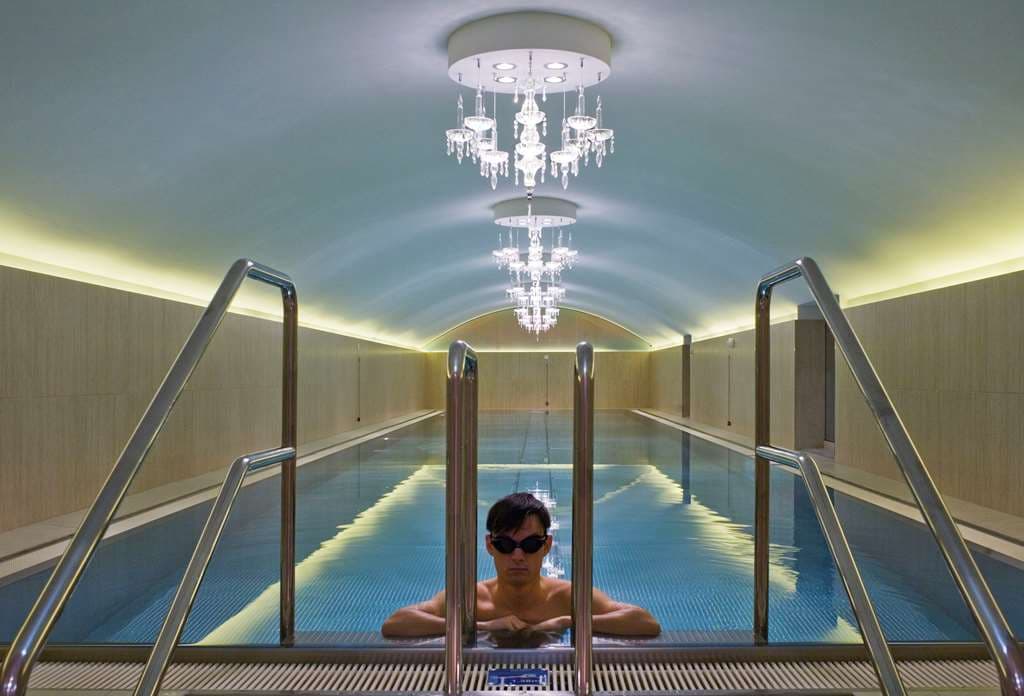
Forget the dusty, velvet-heavy tropes of the Ringstraße. Hotel Sans Souci Wien, tucked discreetly next to the MuseumsQuartier, offers a witty riposte to Viennese tradition. Housed in the 1872 Hotel Höller building, this property—part of our 'Palais Privé' edit—delivers exactly what its name promises: a 'carefree' escape from the city's imperial stiffness. The interiors, styled by the YOO Studio, channel a sophisticated 'Great Gatsby' energy that feels more like a private collector’s residence than a hotel. Inside, the vibe is electric yet intimate. While base rooms rely on kettles (a curious analogue quirk), the service fills the gap with on-demand barista coffee delivered to your door. The real showstopper, however, lies subterranean: a 20-meter lap pool illuminated by crystal chandeliers—the longest in Vienna and easily the most atmospheric. Dining at Veranda Brasserie elevates the humble Wiener Schnitzel with organic veal, while Le Bar’s gold-leaf ceilings demand you order the signature Espresso Martini. It’s a place for the art-obsessed traveler who prefers their luxury with a pulse.
“The pool allows children from 10:00 to 16:00. For a solitary, meditative swim beneath the chandeliers, go early morning or late evening.”
Insider TipAvg. Nightly Rate
257USD
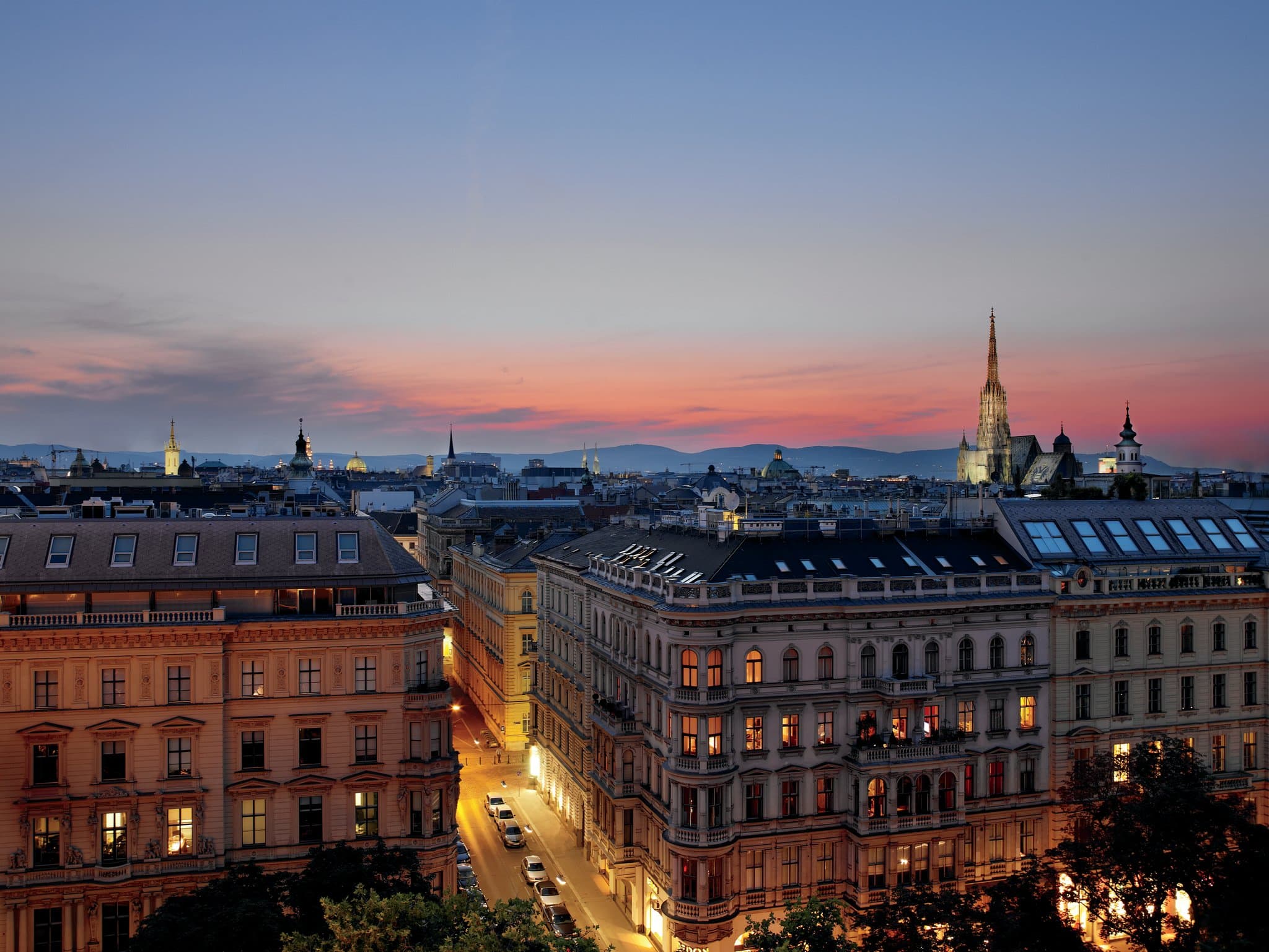
Don’t let the buttoned-up Ringstraße façade fool you. Inside, The Ritz-Carlton, Vienna is less ‘corporate hotel’ and more ‘eccentric archduke’s pied-à-terre.’ Composed of four joined 19th-century palaces, the property defies the cookie-cutter layout of modern luxury. You navigate a labyrinth of heritage staircases and intimate corridors that feel genuinely residential, not industrial. While critics occasionally label the room decor 'business utilitarian,' the restraint works in your favor here: it frames the soaring ceilings and oversized windows that are the real stars. The indulgence is tactile—heated bathroom floors and the absolute silence of double-glazed windows shutting out the tram rattle below. For dining, skip the lobby snacks and head straight to Dstrikt Steakhouse. The dry-aged Austrian Simmental is superb, but the unmissable finale is their legendary cheesecake, served with a theatricality that rivals the State Opera down the street. **Verdict**: A sophisticated sanctuary that prioritizes quiet heritage over loud opulence. Perfect for the traveler who values a Michelin Key experience (2024 Award) without the pretension.
“Dive into the 18-meter indoor pool—literally. It features an underwater music system. Afterward, order the 'Isla Verde' at D-bar; it’s a smoky, complex masterpiece.”
Insider TipAvg. Nightly Rate
650USD