No. 01
2 1 1nihonbashi Muromachi. Tokyo Japan 103-8328Tokyo569 verified reviews
9
.4
Bitvoya Edit
Layering imagery, place, and detail before the page opens.
Tokyo is a city where futuristic innovation harmonizes perfectly with Zen aesthetics, creating a landscape rich in architectural marvels. In our curated collection, 'Masterpieces of Minimalism', we explore properties that redefine luxury through restraint and precision. From the bustling streets of Shibuya where TRUNK(HOTEL) offers a social hub, to the financial district of Otemachi where Aman Tokyo provides a sanctuary in the sky, these hotels are destinations in themselves. We delve into the revitalized Kabutocho district to experience Hotel K5, and ascend the towers of Toranomon for the sophisticated calm of The Tokyo EDITION and Andaz Tokyo. These spaces do not just offer a place to sleep; they offer a masterclass in Japanese design philosophy.
Tokyo stands at the epicenter of the global minimalist movement. The concept of 'Ma' (negative space) is deeply ingrained in Japanese culture, influencing everything from tea ceremonies to modern architecture. Choosing a design hotel in Tokyo means immersing yourself in environments curated by world-renowned architects like Kengo Kuma (The Capitol Hotel Tokyu) and interior masters who understand that luxury lies in the quality of materials—wood, washi paper, and stone—rather than ornamentation. These hotels, such as HOSHINOYA Tokyo, offer a rare blend of ryokan hospitality and contemporary sleekness, providing a serene escape from the frenetic energy of the metropolis.
When booking one of Tokyo's masterpieces of minimalism, expect an experience that prioritizes sensory details. Visually, the palettes are neutral—warm timbers, grey stones, and soft whites. Acoustically, these hotels are engineered for silence, contrasting the city outside. Service is often guided by 'Omotenashi' (anticipatory hospitality), ensuring your needs are met before you voice them. Whether it's the floating lantern effect of Aman's lobby or the lush greenery of the Edition, expect a stay that restores the spirit through profound design.
For breathtaking views, Andaz Tokyo Toranomon Hills and BELLUSTAR TOKYO offer panoramic vistas of the skyline, including Tokyo Tower and Mt. Fuji on clear days, from their high-rise locations.
Yes, HOSHINOYA Tokyo is a luxury ryokan housed in a skyscraper. It features tatami floors, hot spring baths, and traditional aesthetics fused with modern technology.
TRUNK(HOTEL) CAT STREET in Shibuya is perfect for nightlife lovers. It serves as a social hub with a vibrant bar and lounge, located steps away from Tokyo's most energetic districts.
Explore our complete curated list of luxury accommodations, from boutique hideaways to grand dames.
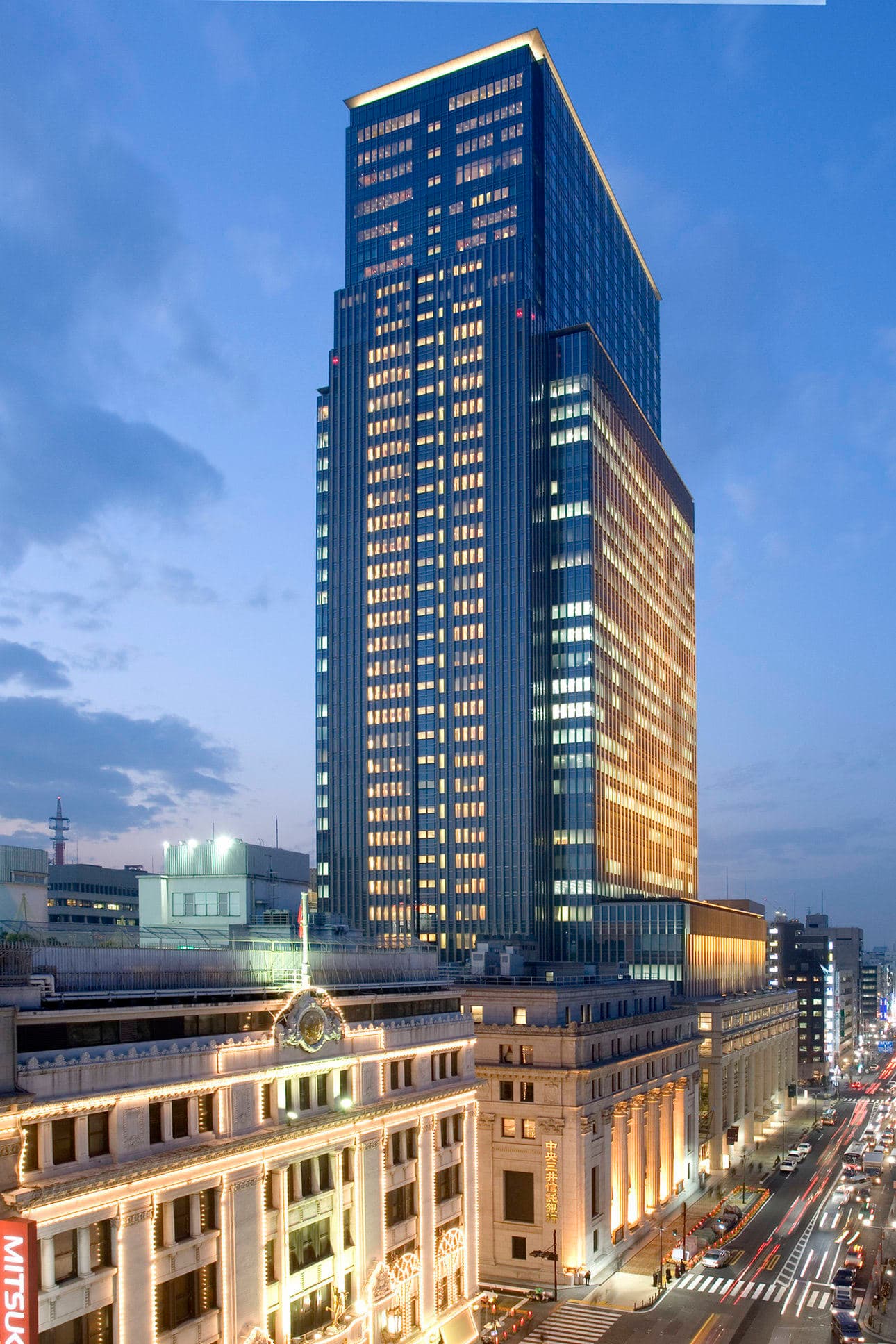
Explore All Tokyo HotelsWhile the Aman Tokyo gets the Instagram glory for its lobby, the Mandarin Oriental, Tokyo—perched atop the Nihonbashi Mitsui Tower—delivers a superior, more tactile masterclass in vertical luxury. Designer Ryu Kosaka’s 'Woods and Water' concept isn’t just marketing speak; it’s a tangible design ethos. You feel it in the elevator’s gold-leaf craftsmanship and the guest rooms (renovated in 2019), where textiles mimic wisteria branches and carpets suggest forest floors. It is sophisticated, severe, and utterly serene. The real flex here, however, is the culinary firepower. 'The Pizza Bar on 38th' isn't merely a hotel restaurant; it is currently ranked the #1 Pizzeria in the Asia-Pacific (2025). Executive Chef Daniele Cason’s 48-hour fermented dough is a revelation—light, airy, and served at an intimate 8-seat counter that feels more like a private omakase than a pizza joint. For French purists, 'Signature' delivers Pâté en croûte that rivals Lyon’s best. Service is telepathic, a standard that recently earned the property the #1 spot in Travel + Leisure’s World’s Best Awards for Tokyo. The verdict? A corporate cathedral that hasn't lost its soul.
“The 8-seat Pizza Bar releases reservations exactly one month in advance and vanishes instantly. Set an alarm. Failing that, the corner rooms ending in '12' offer dual-aspect views of both the Skytree and Mount Fuji.”
Insider TipAvg. Nightly Rate
539USD
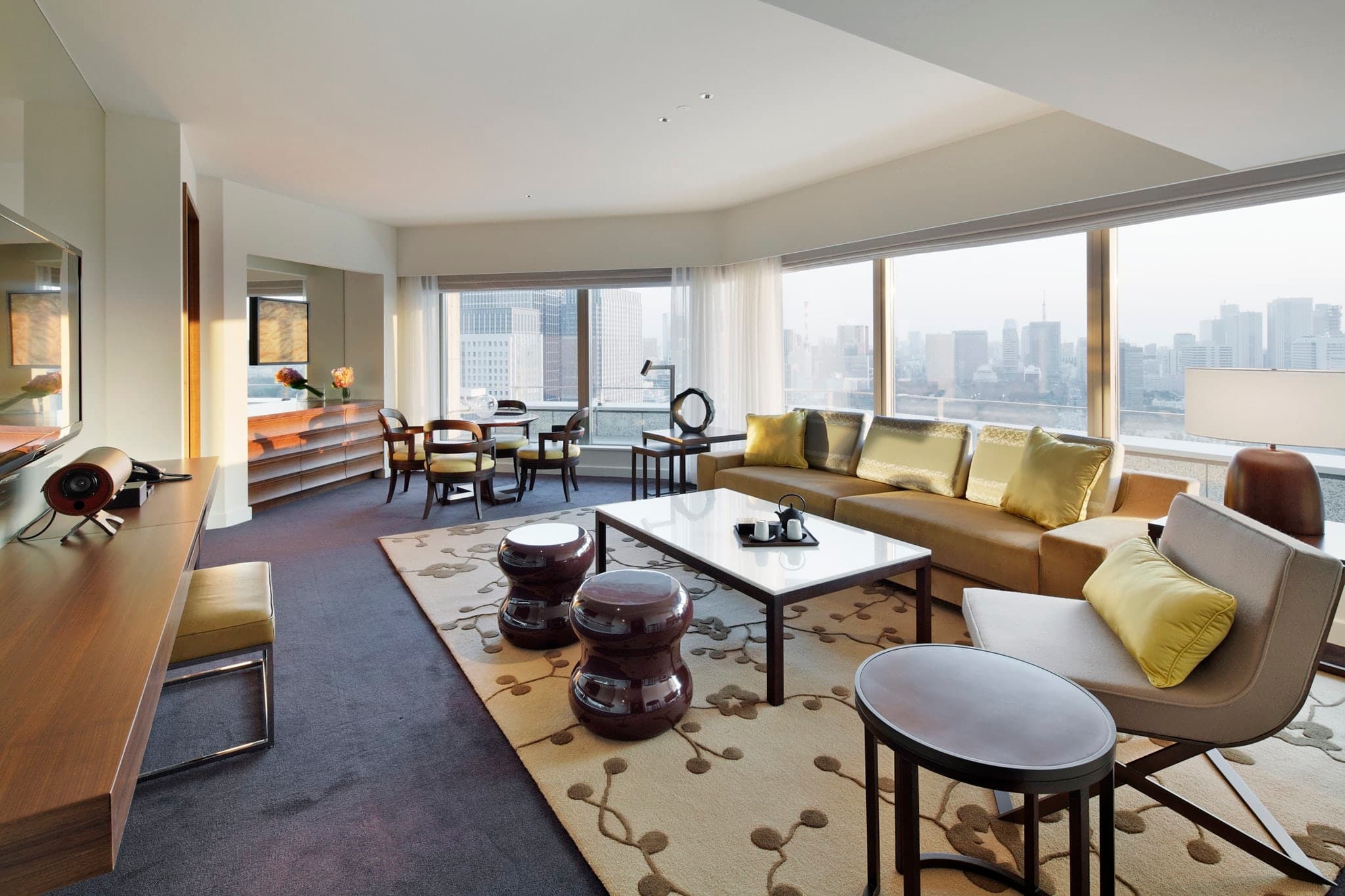
In a metropolis defined by hermetically sealed glass towers, the Palace Hotel Tokyo commits the ultimate act of rebellion: it lets you open a window. More than that, it offers private balconies—a staggering rarity in Tokyo—transforming your room from a mere container into a front-row seat to the Imperial Palace’s Otemon Gate. The architecture doesn't shout; it whispers in tactile Aji stone and leafy motifs, grounding the structure in the very soil of its royal neighbor. While the lobby teems with the high-stakes friction of Marunouchi power brokers, the guest quarters are a masterclass in 'Omotenashi'—service so intuitive it borders on clairvoyance. Dining is not a side note here. At Esterre, the Tochigi Wagyu beef is a religious experience, capped by their signature rum-soaked Baba, while Amber Palace delivers Peking Duck with a precision that humiliates lesser kitchens. Sure, the hard product hints at its 2012 origins—the tech isn't bleeding-edge—but the linens are crisp, the evian SPA (Japan's first) remains a hydrotherapy sanctuary, and the sheer audacity of eating breakfast al fresco at Grand Kitchen makes up for any aging hardware. It isn't just a hotel; it is the grand dame of Marunouchi, refusing to chase trends because, with its freshly minted Three Michelin Keys, it knows it already owns the view.
“Request a 'Wadakura Fountain View' room to see the fountains lit up at night, and strictly book the balcony breakfast at Grand Kitchen before 8:00 AM to beat the business crowd.”
Insider TipAvg. Nightly Rate
690USD
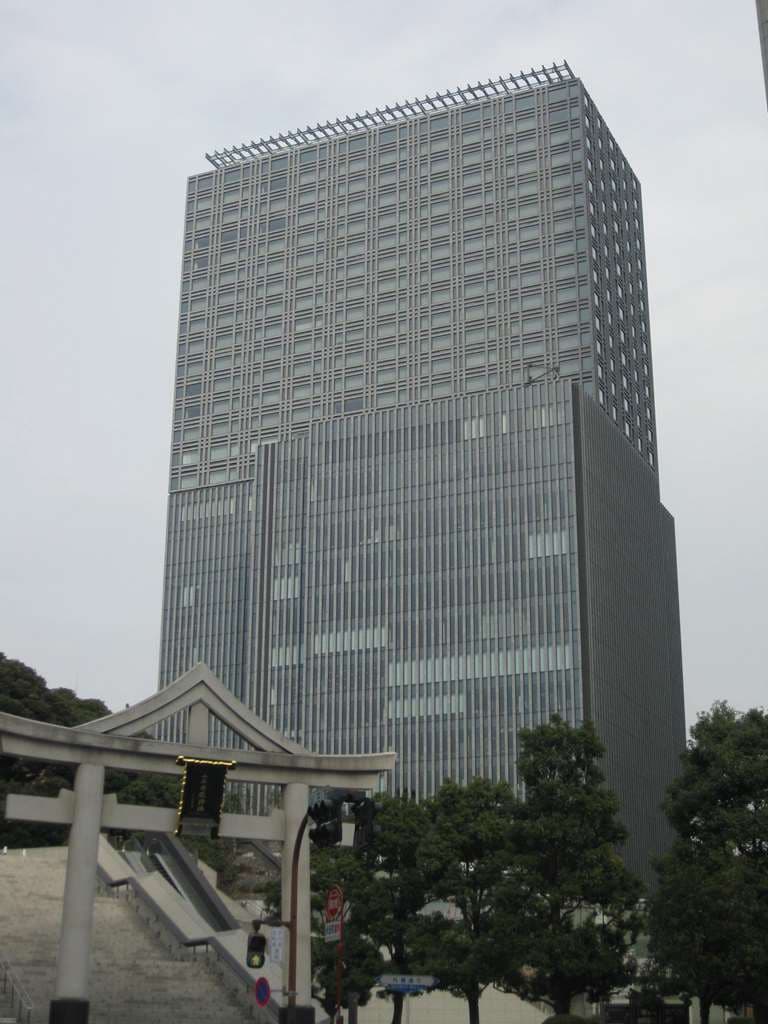
While the Aman Tokyo gets the Instagram glory, The Capitol Hotel Tokyu remains the discreet choice for visiting dignitaries and those who prefer their luxury whispered. Rebuilt by Kengo Kuma on the site of the legendary Tokyo Hilton (where the Beatles once holed up), the property is a masterclass in 'Wa' aesthetics without the kitsch. The lobby is a showstopper—not for gold leaf, but for its intricate timber lattice roof that echoes the architecture of the adjacent historic Hie Shrine. Standard rooms start at a generous 45 square meters, featuring sliding shoji screens that partition the bathroom, allowing you to soak in the deep tub while gazing at the National Diet Building. It’s a rare 'woodland in the city' vibe. Dining here is a nod to history: skip the trend-chasing and head to ORIGAMI for the legendary pork cutlet or Nasi Goreng, dishes preserved from the hotel’s 1963 incarnation. With its recently awarded 2 Michelin Keys (2024) and Forbes 5-Star status (2025), the service is as sharp as the architecture. A sophisticated, serene fortress for those who know.
“Ask for a room on the west side facing the Hie Shrine for pure greenery. In the evening, order the signature 'Water Lily' cocktail at The Capitol Bar—it’s a tribute to the hotel’s old garden pond.”
Insider TipAvg. Nightly Rate
284USD
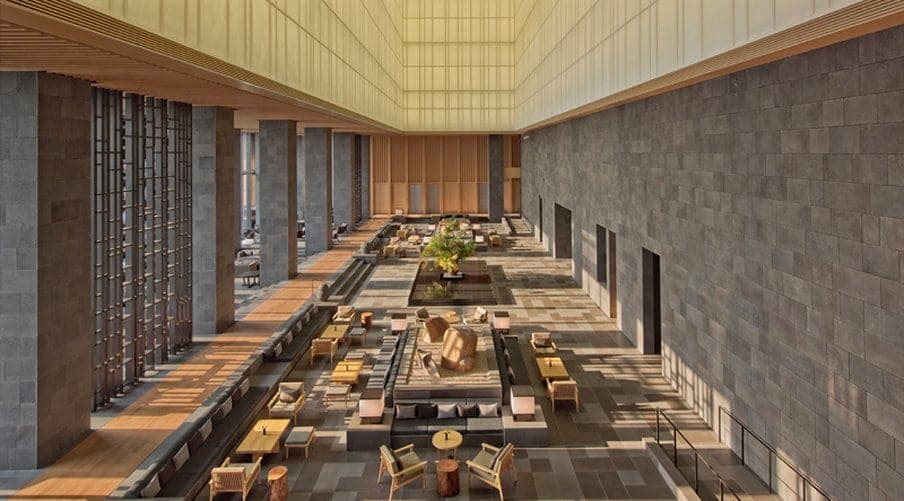
It has been over a decade since the late Kerry Hill defied gravity—and convention—by planting a ryokan in the sky above Otemachi. And yet, the moment the elevator doors part on the 33rd floor, the effect remains undiluted. The cathedral-like lobby, dominated by a colossal washi paper lantern and the murmur of koto music, still feels like a religious experience for the minimalist soul. But Aman Tokyo is not just a pretty face. The entry-level rooms, a staggering 71 square meters, are larger than most Tokyo apartments, swathed in camphor wood and featuring deep basalt soaking tubs that frame the skyline like a cinematic masterpiece. Dining is a serious affair: skip the crowded ‘Black Afternoon Tea’ (a tourist trap) and head to Musashi for Edomae sushi where the chef uses rice from his own paddy. While service can occasionally veer from 'discreet' to 'aloof'—a side effect of its urban setting versus the brand's resort roots—the hard product remains the city's gold standard. It is not just a hotel; it is a masterclass in stillness.
“Book a table at Arva for the sea urchin pasta, but the real secret is the 30-meter pool early in the morning—it’s just you, the black basalt, and Mount Fuji.”
Insider TipAvg. Nightly Rate
1800USD
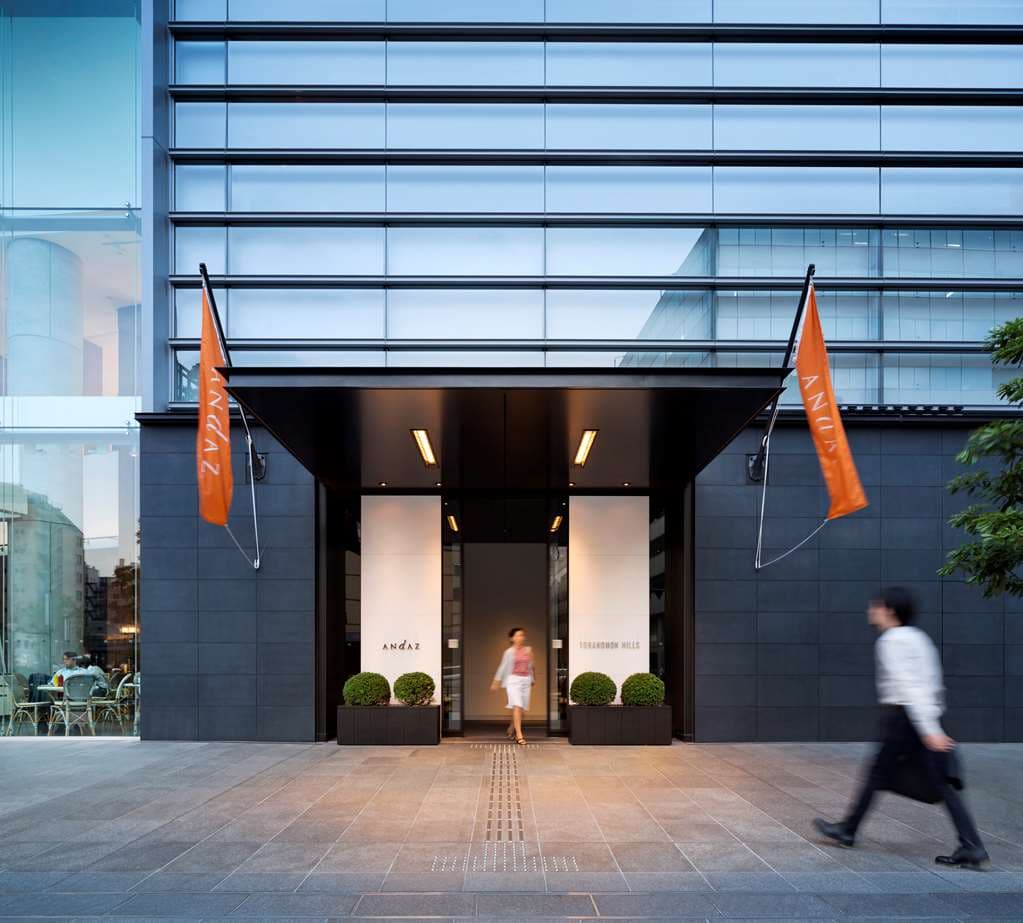
Forget the frantic energy of Shibuya crossing; the Andaz Tokyo Toranomon Hills operates on a higher frequency—literally. Perched on the 47th through 52nd floors of the Toranomon Hills Mori Tower, this hotel doesn’t just offer a view; it offers a new perspective on Tokyo. Designers Tony Chi and Shinichiro Ogata have stripped away the typical hotel gilt, replacing it with a tactile masterclass in Hokkaido walnut and fragile washi paper that echoes traditional shoji screens. The check-in experience avoids the stuffy front desk; instead, you’re handed a tablet and a drink in the 51st-floor lobby, a space that feels more like a billionaire’s living room than a hotel. Rooms are vast by Tokyo standards (50sqm base), dominated by circular deep-soaking tubs that beg for a long soak while watching the glittering Tokyo Tower. Dining is equally sharp: 'The Tavern - Grill & Lounge' serves Snow Aged Beef that melts on the tongue, while the eight-seat 'the SUSHI' offers an omakase so intimate it feels illicit. It’s Blade Runner sophistication with the soul of a ryokan.
“Skip the main bar queue and book the 8-seat 'the SUSHI' counter behind the Rooftop Bar for a secret omakase menu that includes exclusive sake pairings.”
Insider TipAvg. Nightly Rate
550USD
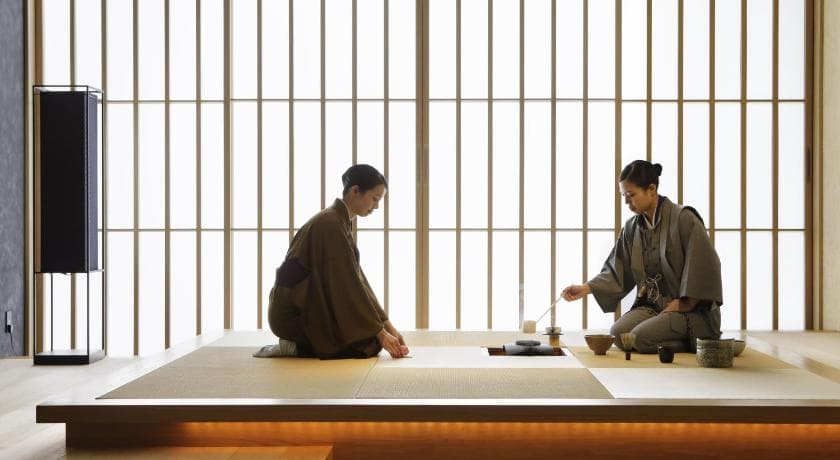
To build a traditional single-story ryokan in Tokyo’s financial aorta is impossible; to stack one 17 stories high is audacity. HOSHINOYA Tokyo is not merely a hotel, but a sensory airlock. The transition begins at the genkan, where you surrender your shoes—and with them, the frantic pulse of the city—to traverse the entire building on soft, fragrant tatami mats. Architect Rie Azuma’s metal lattice facade is more than armor; it filters the neon glare into a gentle, leaf-like komorebi shadow play that defines the rooms. The genius here is the ‘Ochanoma’ lounge on every floor—a semi-private living room offering seasonal sake and tea that forces a rare, communal intimacy among guests usually isolated in glass boxes. Dining is equally deliberate; Chef Noriyuki Hamada’s ‘Nippon Cuisine’ in the basement eschews standard kaiseki for a French-inflected precision, with the ‘Five Flavors of Delight’ standing as a masterclass in umami. While the absence of a pool is a minor grievance, the open-roof onsen, pumping saline water from 1,500 meters below, allows you to float naked beneath the Tokyo sky. It is a masterstroke of silence.
“Skip the partner gym. Instead, book the rooftop onsen for late night (after 11 PM) when the steam meets the midnight silence of the business district.”
Insider TipAvg. Nightly Rate
900USD
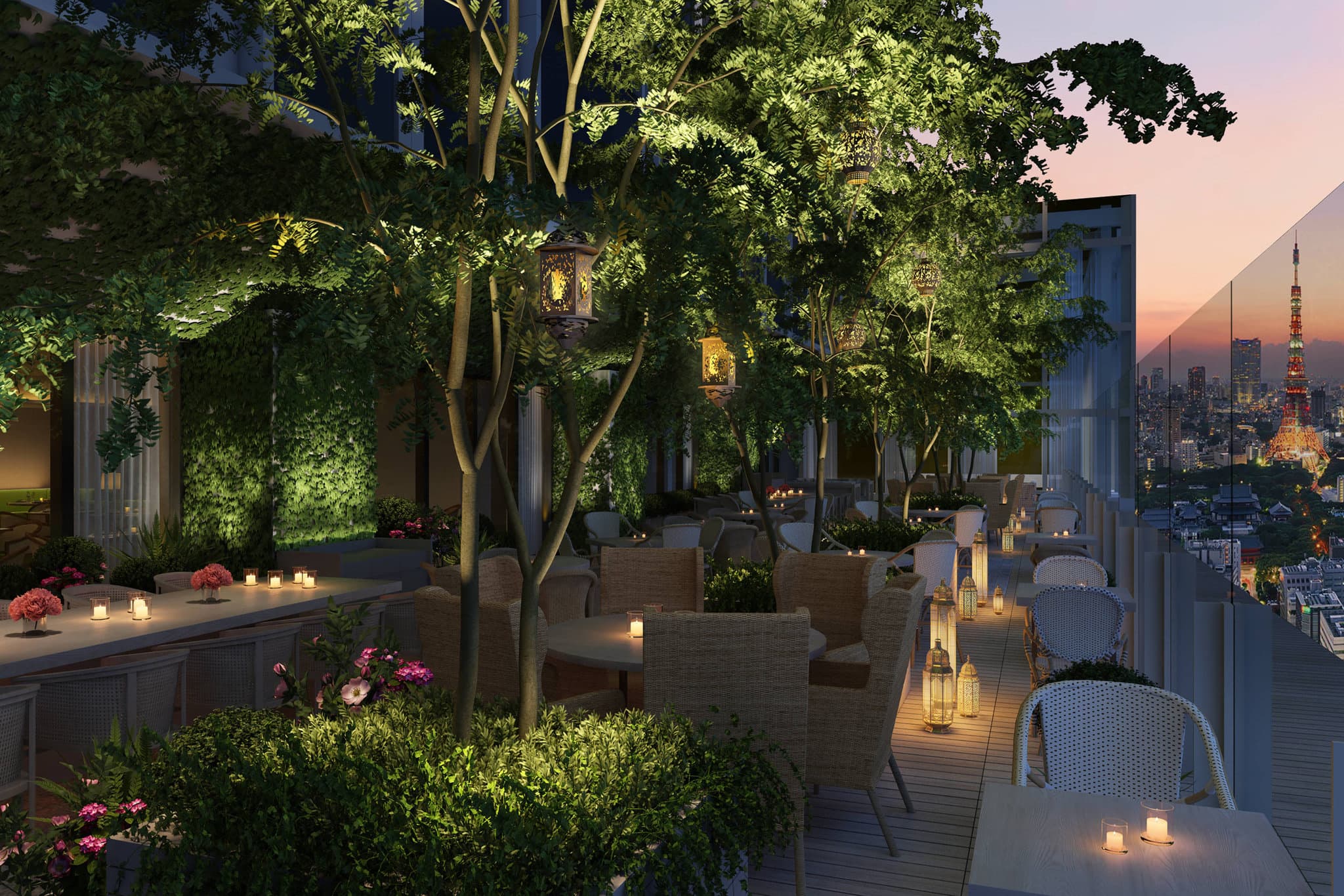
If Ian Schrager and architect Kengo Kuma decided to throw a rave in a cloud forest, the result would be The Tokyo EDITION, Toranomon. Perched on the 31st floor of a steel monolith, the lobby is a deliberate, botanical rebellion against the corporate stiffness of the surrounding business district. Here, over 500 plants wrestle with Kuma’s signature 'Yamato-bari' cedar cladding, creating a frame for the Tokyo Tower that feels almost voyeuristically close. It is a design collision that shouldn't work, yet spectacularly does. The guest rooms act as a Zen palate cleanser to the lobby’s auditory and visual noise. Restraint is the luxury here: light woods, sliding screens, and the brand’s signature faux-fur throws create a texture-rich sanctuary, scented exclusively by custom Le Labo amenities. However, the hotel is not without its functional frictions; the mandatory two-step elevator commute—ground to lobby, lobby to room—is a daily test of patience, and the windowless, enclosed pool feels like an introverted missed opportunity in such a vertical property. Culinary redemption awaits at The Jade Room, where Chef Tom Aikens’ fire-roasted celeriac carpaccio defies carnivorous logic. Later, the Gold Bar offers a Wagyu beef cutlet sandwich that ruins all other sandwiches. Recently awarded 3 Michelin Keys and ranked No. 45 in The World's 50 Best Hotels 2025, this is less a hotel and more Tokyo’s most electrifying stage.
“Skip the standard spa requests; book the 'Couple Suite' specifically. It is the only treatment room equipped with a private sauna and steam shower, essential for a true detox.”
Insider TipAvg. Nightly Rate
760USD
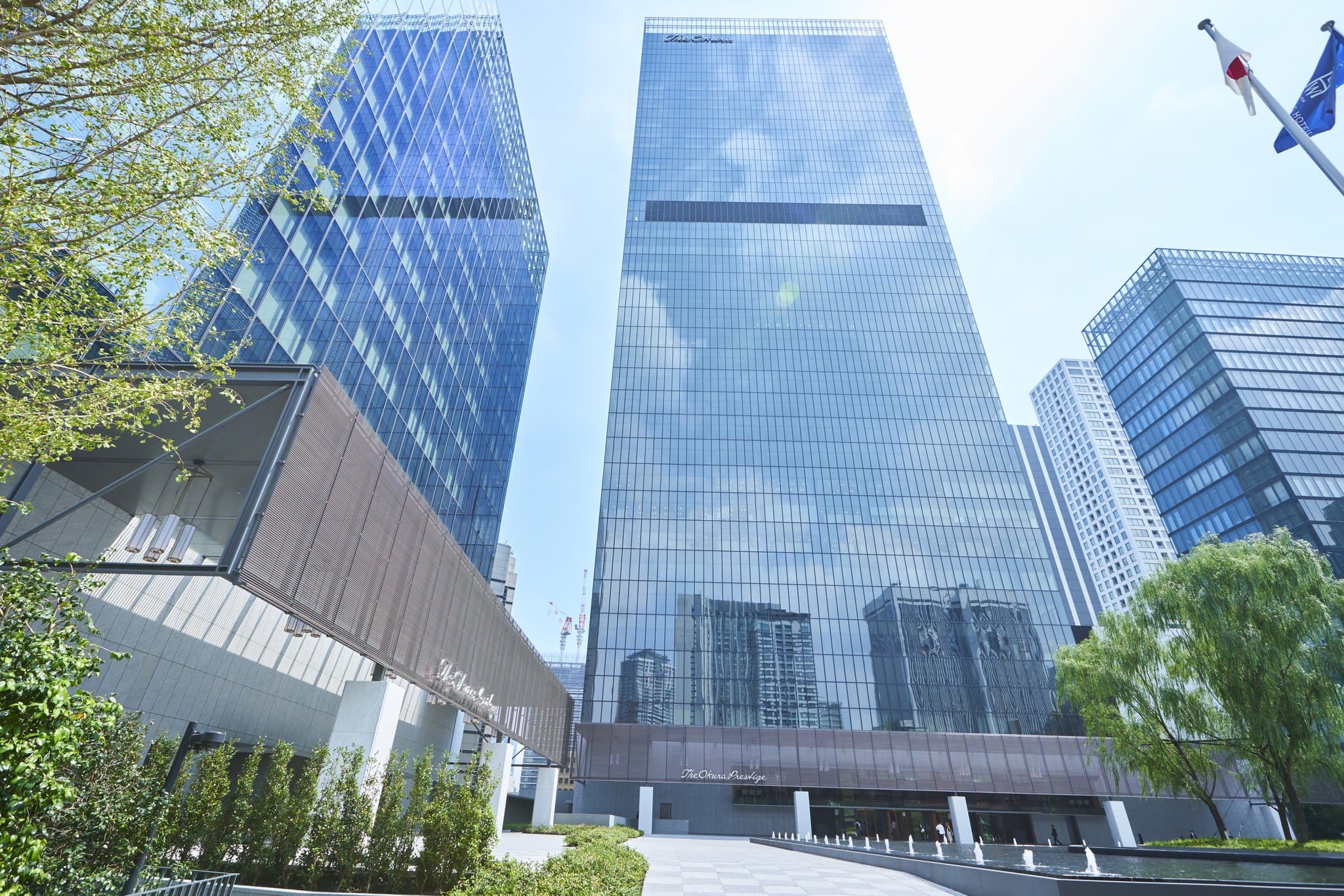
When the original 1962 Hotel Okura was demolished, the design world collectively gasped. Yet, the 2019 rebirth—helmed by Yoshio Taniguchi, son of the original architect—is a masterclass in emotional architecture. The lobby remains the emotional anchor: a hush of hexagonal 'Okura Lanterns,' lacquered tables, and hemp-leaf lattice patterns that transport you straight to the golden age of Japanese modernism. It feels less like a hotel and more like a diplomatic state of mind. Room selection is binary: choose the Heritage Wing for low-rise, balcony-clad silence, or the Prestige Tower for the headline act—the 'View Bath' rooms. Here, you can soak in a deep, freestanding tub while staring down the glowing spine of Tokyo Tower. The details are exacting, from the cult-favorite THREE cosmetics and Bamford amenities to the 400-thread-count cotton. Dining is serious business. The French fine-dining venue, Nouvelle Epoque, just secured a 2025 Forbes Five-Star rating (order the truffle-infused Eggs Benedict), while Yamazato serves kaiseki with a precision that borders on surgery. Service is the invisible, intuitive 'omotenashi' variety—staff seem to press the elevator button before you’ve even decided to go up. In a city of shouting skyscrapers, the Okura whispers.
“Skip the standard rooms and specifically request a 'Prestige Tower View Bath' room facing Tokyo Tower. Also, the 26th-floor spa uses rare Annayake products—book the 'Gokujo' treatment.”
Insider TipAvg. Nightly Rate
350USD
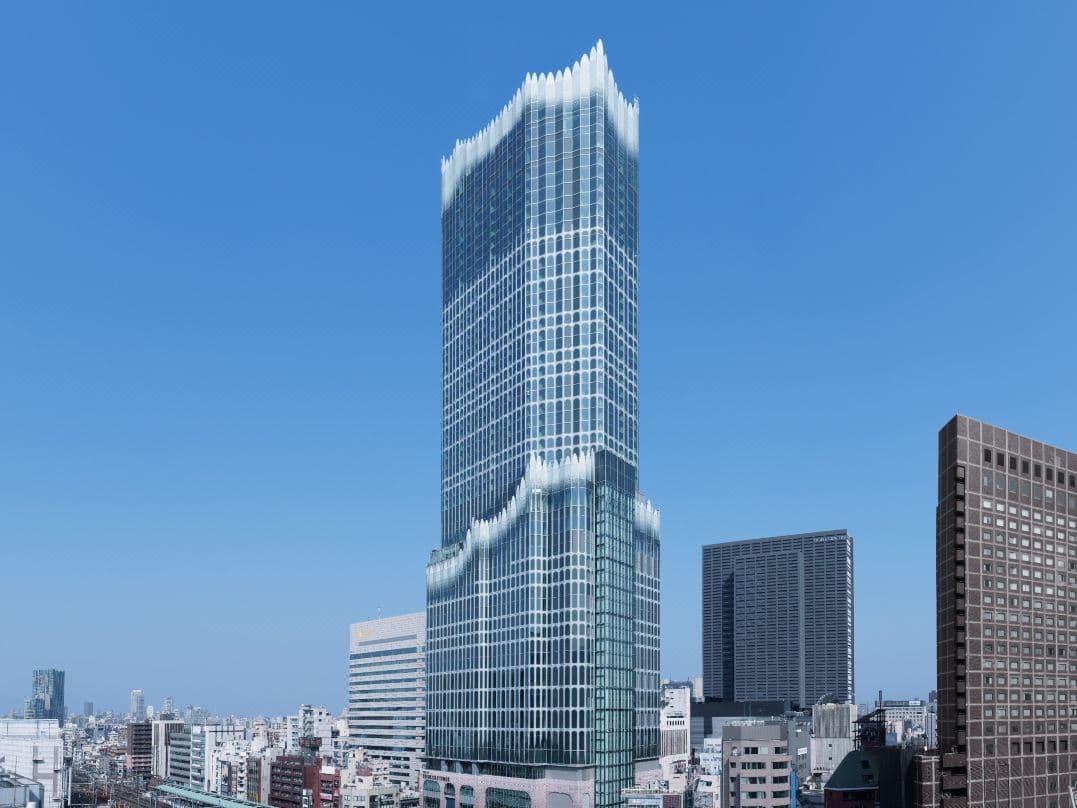
If Shinjuku is Tokyo’s hyper-caffeinated id, BELLUSTAR TOKYO is its super-ego—calm, collected, and floating 200 meters above the neon grit. Located atop the Tokyu Kabukicho Tower, this collaboration between Keiji Ashizawa Design and Norm Architects is a masterclass in 'soft minimalism.' The arrival experience requires a two-step elevator hustle (street to 18th, then up to the 39th), but the payoff is immediate silence. The interiors shun the usual five-star gold leaf for honest textures: timber slats, grey stone, and soft tactile fabrics that absorb the city’s frenetic energy. Entry-level rooms are a generous 41 sqm, but the real draw is the floor-to-ceiling glazing—spanning seven meters in the suites—that turns the Tokyo skyline into a silent, cinematic backdrop. Bathrooms are designed for exhibitionists, often placing the soaking tub right against the glass. Dining is serious business here; ‘Restaurant Bellustar’ serves a Modern French menu where the Hokkaido hair crab with red shiso is plated with architectural precision. While the lack of a pool is a glaring omission for a hotel of this caliber, the 47th-floor ‘SPA sunya’ compensates with Valmont treatments that feel almost spiritual. It’s not a place to be seen; it’s a place to disappear.
“Book a Junior Corner Suite for the bathtub views. Also, skip the street-level chaos and use the direct entrance near the Seibu-Shinjuku station side for a more discreet arrival.”
Insider TipAvg. Nightly Rate
700USD
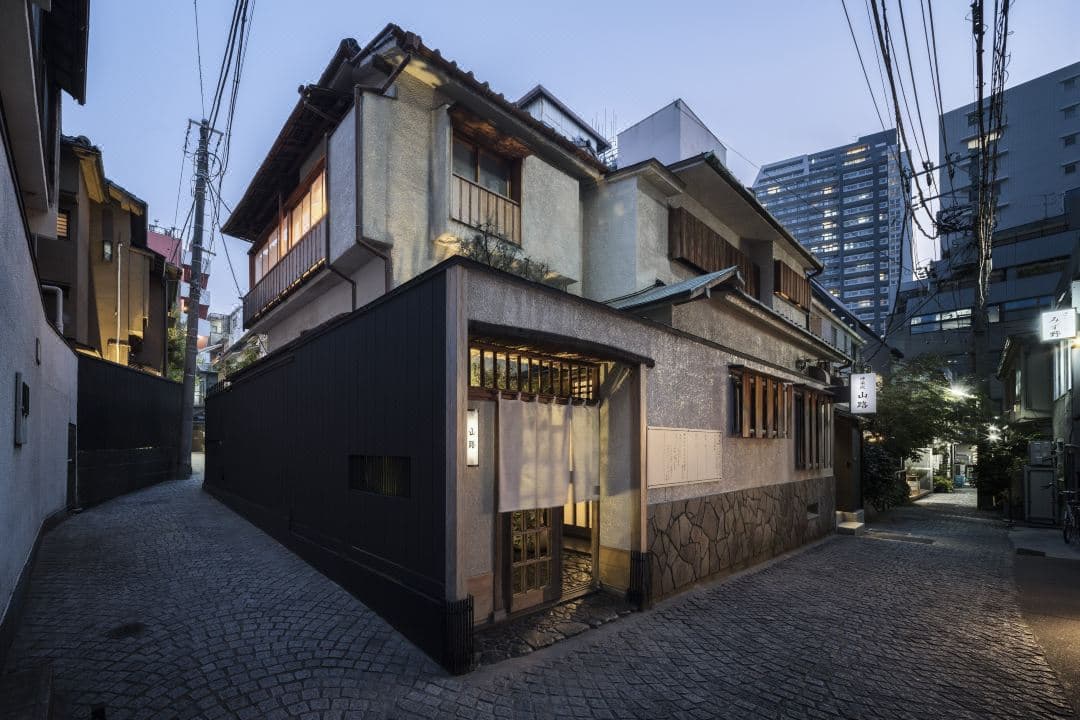
If the Park Hyatt is a grand dame, TRUNK(HOUSE) is her rebellious, effortlessly cool granddaughter who moved to Kagurazaka to start an art collective. Hidden behind a nondescript black wall in Tokyo’s 'Little Kyoto,' this restored 70-year-old geisha practice hall is a masterclass in architectural schizophrenia—in the best possible way. The exterior whispers Meiji-era tradition with stone cobblestones and manicured pine, but the interior screams contemporary hedonism. You don’t just check in; you take over. The single-group buyout concept means the 24-hour butler and private chefs are yours alone. The design, helmed by TRUNK’s atelier and Tripster, deftly avoids the 'zen' cliché. Instead, you get gray mortar walls, terrazzo floors, and bespoke leather furniture that feels residential, not hospitality-grade. The pièce de résistance? A hinoki cypress bath presided over by a tiled mural of Shunga (erotic woodblock art)—a brazen, witty nod to the building’s sensual past. Dinner is a kaiseki-French affair served at the open kitchen, featuring lightly deep-fried Kobe beef that ruins you for all other steak. But the real secret is 'The Disco': a soundproofed, red-velvet karaoke dive bar with an illuminated floor and a bottle of Hibiki 30 Year. It is the ultimate high-low Tokyo fantasy, realized.
“Don't just sleep in. Request the 'Geisha Photo Shoot' experience—unlike tourist traps, this involves authentic kimono dressers and takes place in the property's visually stunning Irori tea room.”
Insider TipAvg. Nightly Rate
3300USD
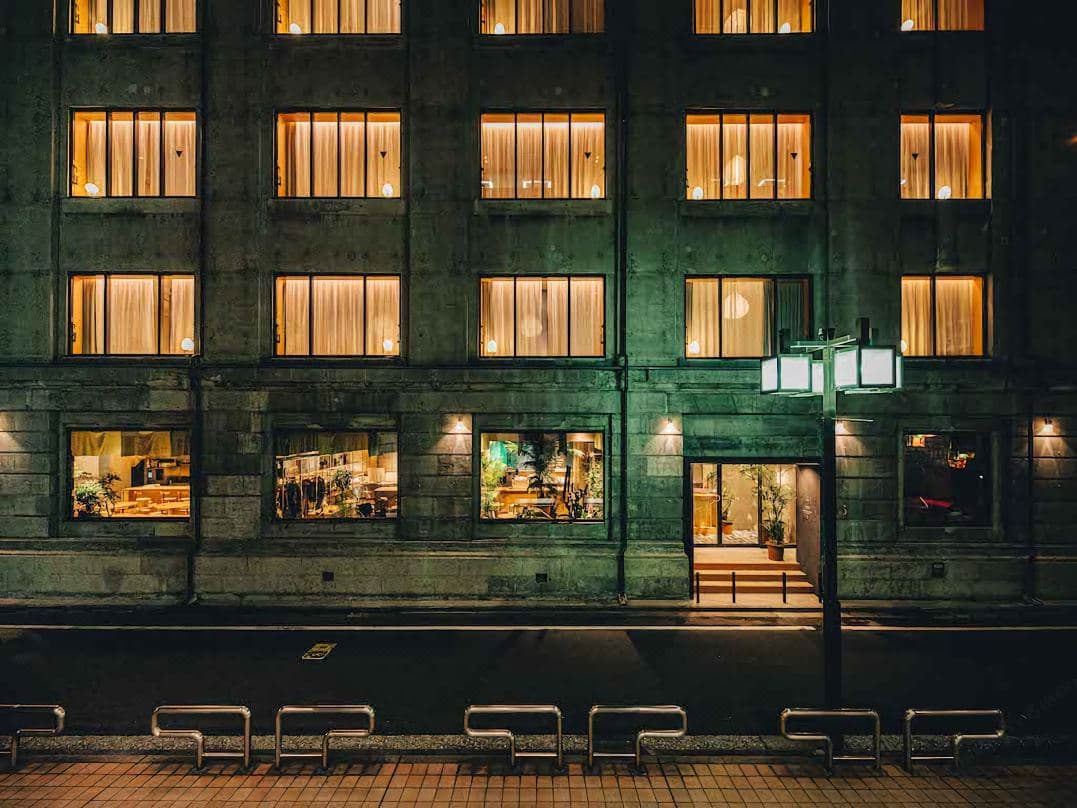
Don’t come to K5 looking for white-glove bowing or beige predictability. Anchoring the revitalization of Kabutocho—Tokyo’s former stock market district—this 1924 bank annex has been gutted and reimagined by Swedish design trio Claesson Koivisto Rune. The result isn't just a hotel; it’s a social experiment in concrete and cedar. The design vernacular relies on 'aimai' (ambiguity), blurring the lines between the reception, the library bar, and the city itself. Corridors feel cinematic and moody, leading to rooms that eschew standard layouts for a central bed enshrined in a hand-dyed indigo veil—a floating yurt inside a brutalist shell. Technophiles might bemoan the lack of televisions, but the in-room vinyl player and curated record collection offer a far superior soundtrack to the hum of the nearby highway. The bathrooms are studies in industrial chic, though the lighting is admittedly committed to 'atmosphere' over utility—bring a flashlight if you plan to do detailed makeup. Downstairs, Caveman serves progressive cuisine that defies categorization (the potato pancake with pickled mackerel is non-negotiable), while the library bar Ao offers cocktails that taste like old books and expensive whiskey. It is imperfect, loud, and undeniably the coolest address in Nihombashi.
“Request a room on a higher floor facing away from the highway to mitigate the traffic hum. For a nightcap, ask the bartender at Ao for 'The Emperor’s Car'—a tea-infused cognac masterpiece.”
Insider TipAvg. Nightly Rate
354USD
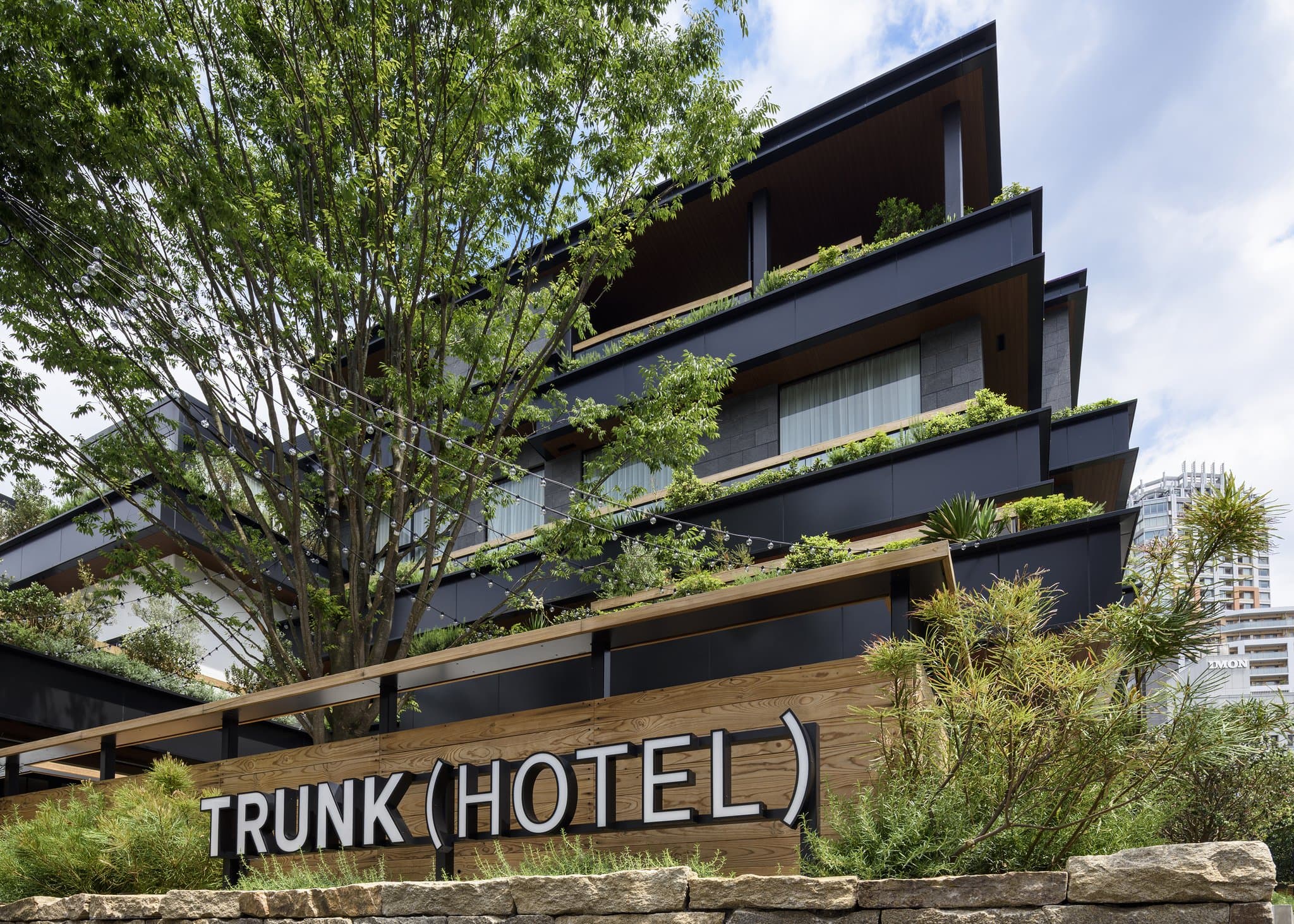
If Tokyo had a living room, this would be it. TRUNK(HOTEL) CAT STREET isn’t just a place to sleep; it is a high-voltage social experiment anchoring the chaotic pedestrian artery between Harajuku and Shibuya. The “Socializing” ethos here isn’t empty marketing—it’s the palpable energy of the lounge, where Tokyo’s creative class sips “Getting Trunk” rum cocktails amidst geometric stone and upcycled wood. Upstairs, the experience shifts from communal roar to curated quiet. Be warned: the Standard rooms are unapologetically compact (20 sqm), a masterclass in spatial efficiency rather than sprawl. Yet, the details—from the stripped-back industrial textures to the custom amenities—distract you from the square footage. For those refusing to compromise, the Terrace Suite offers a glamping-style “Urban Sauna,” a frivolous but delightful touch in the concrete jungle. Dinner requires a seat at TRUNK(KUSHI), where the scent of charcoal and *Tsukune* (chicken meatballs) skewers creates a sophisticated neo-izakaya vibe. There is no pool, and the gym is nonexistent, but frankly, if you’re here to run on a treadmill, you’ve missed the point. You check in here to plug into the city’s grid, not to escape it. **Verdict**: The ultimate base for the extroverted aesthete who prefers a buzzy lobby to a silent corridor.
“Book the 'Terrace Suite' to access the private 'Urban Sauna' tent—the only way to steam in privacy here. Also, the lobby gets packed on weekends with weddings, so grab your morning coffee early.”
Insider TipAvg. Nightly Rate
360USD