No. 01
6-6-7 Ginza. Tokyo Japan 104-0061Tokyo315 verified reviews
8
.6
Bitvoya Edit
Layering imagery, place, and detail before the page opens.
Tokyo’s Ginza district is a dazzling intersection of tradition and modernity, standing as the undisputed epicenter of Japan’s high-end culinary scene. For the discerning epicurean, staying in Ginza or the adjacent Marunouchi district is not merely about accommodation; it is about positioning oneself at the doorstep of the world's finest gastronomy. Our curated collection, 'The Epicurean Edit,' features properties like the artistically vibrant Hyatt Centric Ginza Tokyo and the ultra-luxe Bulgari Hotel Tokyo. Here, one walks the same streets as legendary sushi masters and tempura artisans. From the prestigious halls of The Imperial Hotel to the contemporary chic of The Tokyo EDITION, Ginza, these havens offer seamless access to Michelin-starred dining, exclusive 'depachika' food halls, and the sophisticated nightlife that defines Tokyo’s most glamorous neighborhood.
Tokyo currently holds the title for the city with the most Michelin stars in the world, and Ginza is its beating heart. Choosing a hotel from our Epicurean Edit places you within walking distance of culinary perfection. Whether it is the historic prestige of The Peninsula Tokyo or the modern sophistication of Conrad Tokyo, these properties are not just places to sleep; they are destinations equipped with their own world-class dining establishments. Staying here means priority concierge access to elusive reservations and the ability to retreat to uncompromising luxury after a multi-course Kaiseki or Omakase meal.
Guests at these properties can expect the highest level of 'Omotenashi' (Japanese hospitality). Hotels like the Mandarin Oriental, Tokyo are renowned for their 'Pizza Bar on 38th' and Cantonese dining, proving that the hotel restaurants themselves are destination-worthy. Expect breakfast spreads that feature top-tier Japanese ingredients, concierge teams that understand the complexities of Tokyo restaurant bookings, and an ambiance that perfectly complements the refined palate of a global traveler.
Hyatt Centric Ginza Tokyo and The Tokyo EDITION, Ginza are located directly within the Ginza district, offering immediate doorstep access to luxury boutiques and top-tier restaurants.
Yes, top-tier properties like The Peninsula Tokyo and Mandarin Oriental, Tokyo have dedicated concierge teams that can often assist guests in securing reservations at exclusive, high-demand restaurants, though advance notice is highly recommended.
Bulgari Hotel Tokyo and Mandarin Oriental, Tokyo offer spectacular high-floor views of the city skyline, including Mount Fuji on clear days, enhancing the in-house dining experience.
Explore our complete curated list of luxury accommodations, from boutique hideaways to grand dames.
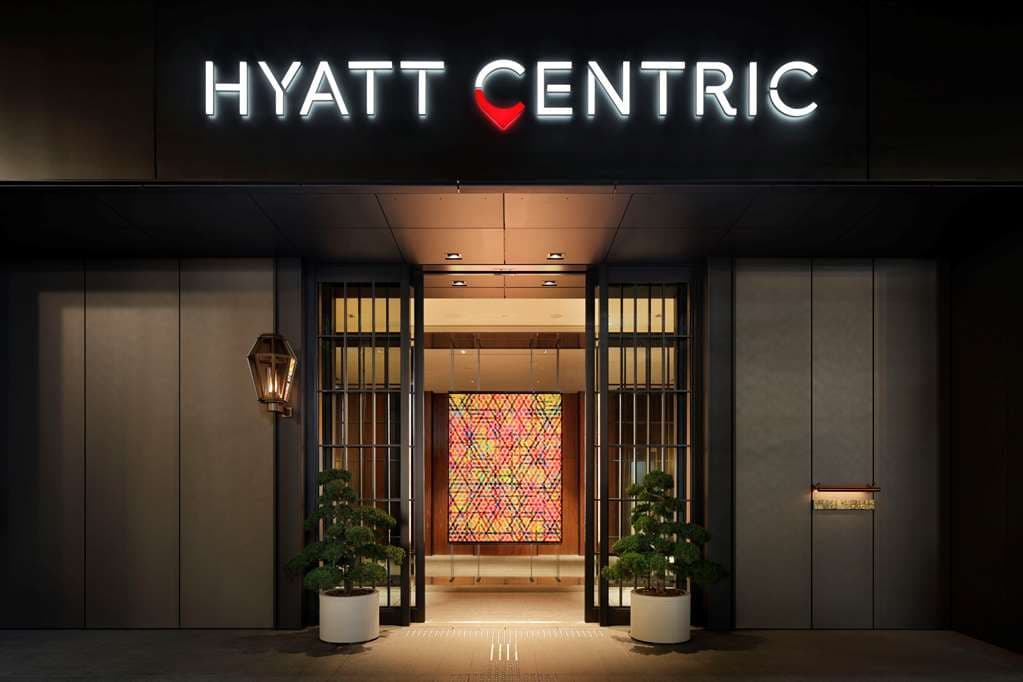
Explore All Tokyo HotelsOccupying the former Asahi Shimbun headquarters on Tokyo’s most glamorous promenade, the Hyatt Centric Ginza doesn’t just sit on Namiki-dori—it struts. This is a hotel for the modern hedonist who prefers vibrant design over hushed, traditional omotenashi. Interiors by Yohei Akao are a masterclass in adaptability; base rooms start at a generous 35 square meters—palatial by Tokyo standards—and feature the brand’s signature (if slightly polarizing) island-style washbasins that double as workspaces. The aesthetic is decidedly sharp, with tactile fabrics, Bose Bluetooth speakers, and eco-conscious BeeKind amenities that smell like lemon verbena. Dining is anchored by NAMIKI667, a bistro that eschews stiff formalities for bold flavors. The Oven-Roasted Akigawa Beef is the unmissable headline act here, served with a confident char that rivals the nearby steakhouses. While the absence of a pool or spa might deter the resort crowd, the hotel knows its audience: urban explorers who would rather sweat it out in the 24-hour Life Fitness gym before hitting the flagship boutiques just meters away. It’s loud, it’s proud, and it’s perfectly Ginza.
“Skip the standard queues and head straight to the 4th-floor lobby library; it’s a surprisingly serene workspace where you can say hello to the resident Sony Aibo robot dog.”
Insider TipAvg. Nightly Rate
339USD
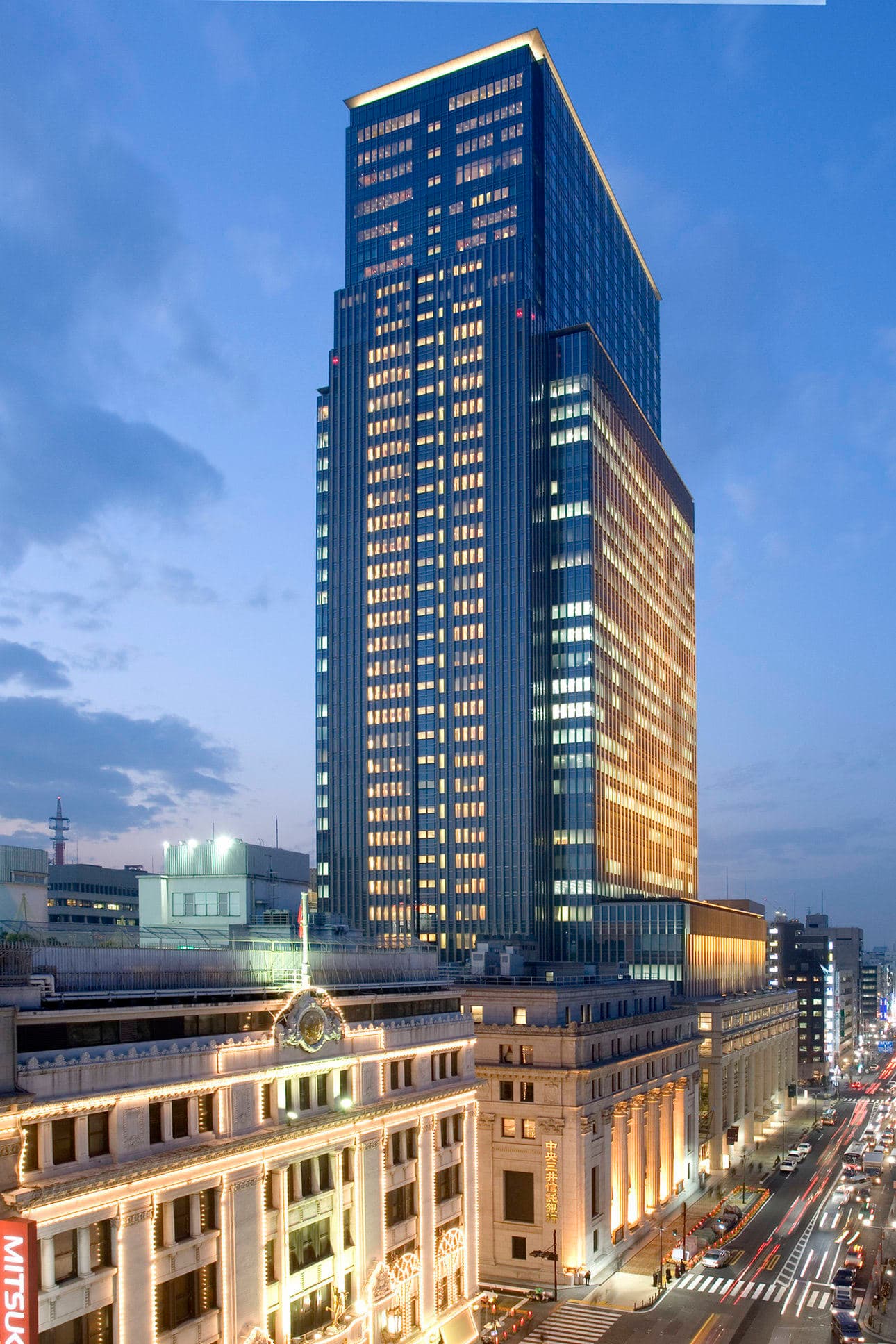
While the glitterati flock to Ginza, the smart money—and the serious gourmands—ascend to the 38th floor of the Mandarin Oriental in Nihonbashi. Located in Tokyo’s original banking district, this property doesn’t just overlook the city; it dominates it. The 2019 'Woods and Water' renovation replaced the stiff corporate veneer with a tactile, botanical warmth—think textiles that mimic wisteria and carpets evoking flowing rivers. But let’s be direct: you are here to eat. The hotel houses an embarrassment of Michelin riches, yet the crown jewel is The Pizza Bar on 38th. Ranked #1 in Asia-Pacific and #2 globally by 50 Top Pizza (2025), Executive Chef Daniele Cason’s eight-seat counter is the hardest reservation in town. His 48-hour fermented dough (80% hydration) turns the simple Marinara into a religious experience. For French purists, *Signature* remains a bastion of technique—the Pâté en croûte is non-negotiable. The rooms are plush sanctuaries with Dyson hair dryers and Bottega Veneta amenities, but the real luxury is the 'Loo with a View'—soaking in a tub while staring down at the Tokyo Skytree. Verdict: The ultimate power move for the palate.
“The Pizza Bar seats only eight. If you can't snag a dinner spot, try for the 11:30 AM lunch slot immediately when bookings open—or ask the concierge to serve the pizza 'omakase' in the main K'shiki dining area (rare, but possible).”
Insider TipAvg. Nightly Rate
539USD
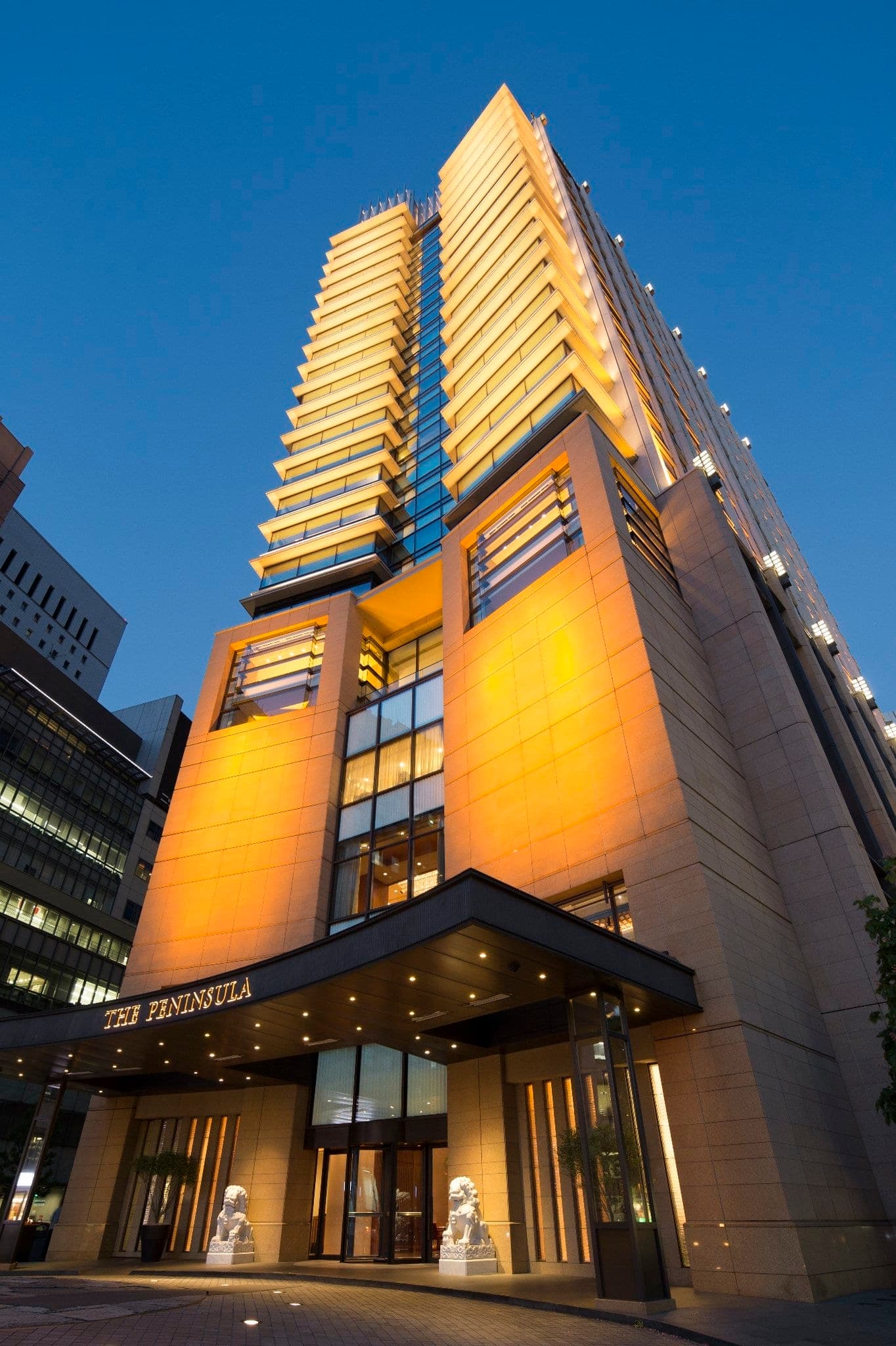
While newer properties in Otemachi chase the clouds with stratospheric lobbies, The Peninsula Tokyo holds its ground—literally—opposite the Imperial Palace. It stands like a glowing lantern at the gates of Marunouchi, offering a reassuring counterweight to the frantic neon energy of nearby Ginza. The arrival experience is anchored by the ‘Lying Dragon Gate,’ a bamboo sculpture that sets a mood less about minimalism and more about textured opulence. The accommodations are an exercise in thoughtful excess. At 54 square meters, even the entry-level Deluxe rooms shame the shoebox standards of the city, featuring dressing rooms large enough to host a cocktail party and the brand’s signature nail dryers—a charmingly specific amenity that speaks to their old-school service ethos. For the gastronomic pilgrim, this is the ultimate base camp. While the concierge team is famed for unlocking Ginza’s hermetically sealed ‘ryotei’, staying on-site is equally rewarding. Hei Fung Terrace delivers Peking Duck with glass-like perfection, while Peter, perched on the 24th floor with its chrome-tree decor, offers 40-day dry-aged beef against a backdrop of the Imperial Gardens. Factor in ‘Peninsula Time’—allowing check-ins as early as 6 a.m. for direct bookings—and you have a property that understands that the ultimate luxury is not just 1,000-thread count linens, but total autonomy.
“Book the 'Deluxe Suite' or higher directly to utilize 'Peninsula Time' (check-in as early as 6 AM, out as late as 10 PM). Also, the Mango Pudding at The Boutique sells out by noon—reserve it.”
Insider TipAvg. Nightly Rate
1050USD
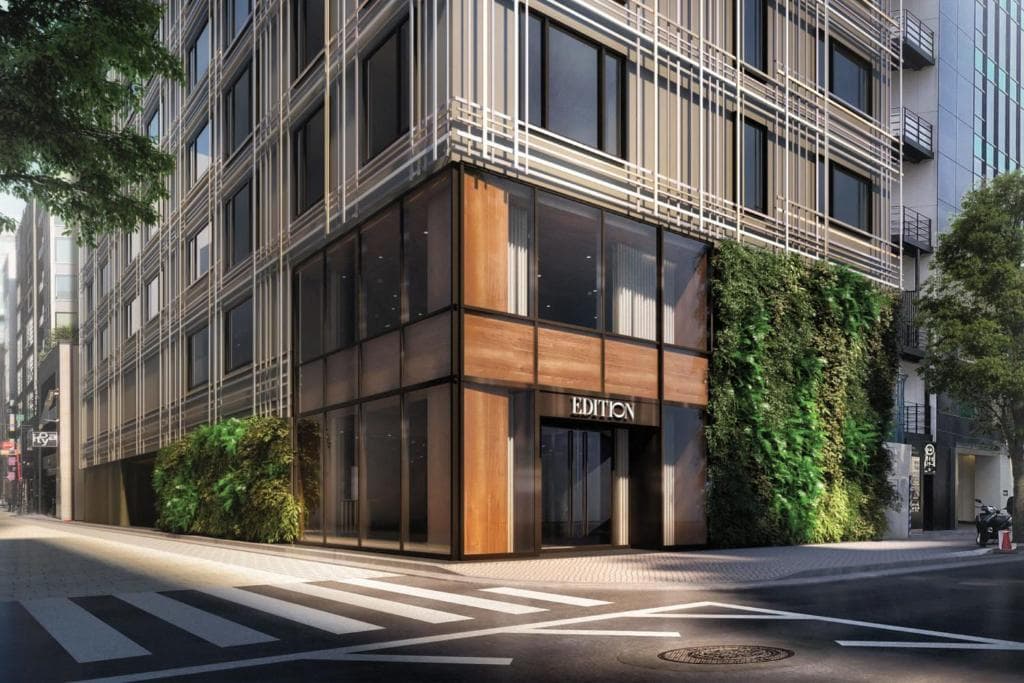
If Ginza is the establishment, The Tokyo EDITION is the coup. While the neighborhood’s grand dames trade in stiff formalities, this Kengo Kuma-designed tower offers a seductively low-lit rebuttal. The arrival experience sets the tone instantly: no standing at a counter. Instead, you are ushered onto a curved, faux-fur-draped sofa in the lobby for a welcome pour of sparkling wine, surrounded by the brand’s signature Le Labo Black Tea fragrance. The 86 guest rooms are compact—this is prime Tokyo real estate, after all—but designed with a tactile richness that distracts from the square footage. Walnut wood paneling and gold-leaf artworks create a warmth that feels more like a private residence than a hotel. While the absence of a pool is a notable omission for a five-star property, the 24-hour Technogym and meticulous concierge service soften the blow. The social programming is where the property flexes its muscles. 'Sophie at EDITION' serves a Brasserie-style Roasted Whole Chicken that challenges the local sushi hegemony, while 'The Roof' offers a rare open-air perch for natural wines. However, the crown jewel is the Punch Room. A dimly lit lair of velvet and coffered wood, it reimagines the 19th-century London club with a Japanese twist, serving ladles of 'Big Red Dot'—a punch of whisky, awamori, and mango—in antique silver bowls. It’s polished, precise, and unapologetically cool.
“Skip the street-level cafes and head straight to the Punch Room at 6 PM. Order the 'Clear Hanabi' punch; it uses Aomori apples and arrives with a theatrical clarity that defies its complex flavor profile.”
Insider TipAvg. Nightly Rate
871USD

If the typical Tokyo luxury hotel whispers, Bulgari Hotel Tokyo declares its presence with an operatic baritone. Occupying the top floors of the Tokyo Midtown Yaesu skyscraper, this property rejects the city’s standard beige minimalism for a dark, cinematic glamour that is distinctly Roman. The arrival experience is a masterclass in drama: black granite corridors lead to a lobby anchored by the brand's iconic eight-point marble star, signaling that you have left the chaotic streets of Yaesu far behind. The 98 rooms are sanctuaries of Italian craftsmanship, fitted with Maxalto furniture, matte gold ceilings, and Hosoo kimono textiles that shimmer in the evening light. But for the epicurean traveler, the hotel is a destination unto itself. Sushi Hōseki, with its blink-and-you’ll-miss-it eight seats, offers one of the city’s most coveted omakase experiences, featuring premium catches like Oma tuna under the guidance of Kenji Gyoten. Alternatively, Il Ristorante - Niko Romito serves a Spaghetti Pomodoro so deceptively simple it earned a Michelin star. While the service is still maturing compared to the telepathic standards of the Aman, the hardware is unassailable. The 25-meter emerald green mosaic pool—reminiscent of ancient Roman baths—is the city's most stunning aquatic backdrop. This is a hotel for the traveler who values the scent of Augustinus Bader amenities and the weight of a heavy room key over Marriott Bonvoy points. It is bold, beautiful, and unapologetically exclusive.
“Request a table on the terrace of The Bulgari Bar just before sunset; the view of the Imperial Palace gardens fading into twilight offers a better vantage point than any observation deck in the city.”
Insider TipAvg. Nightly Rate
1600USD
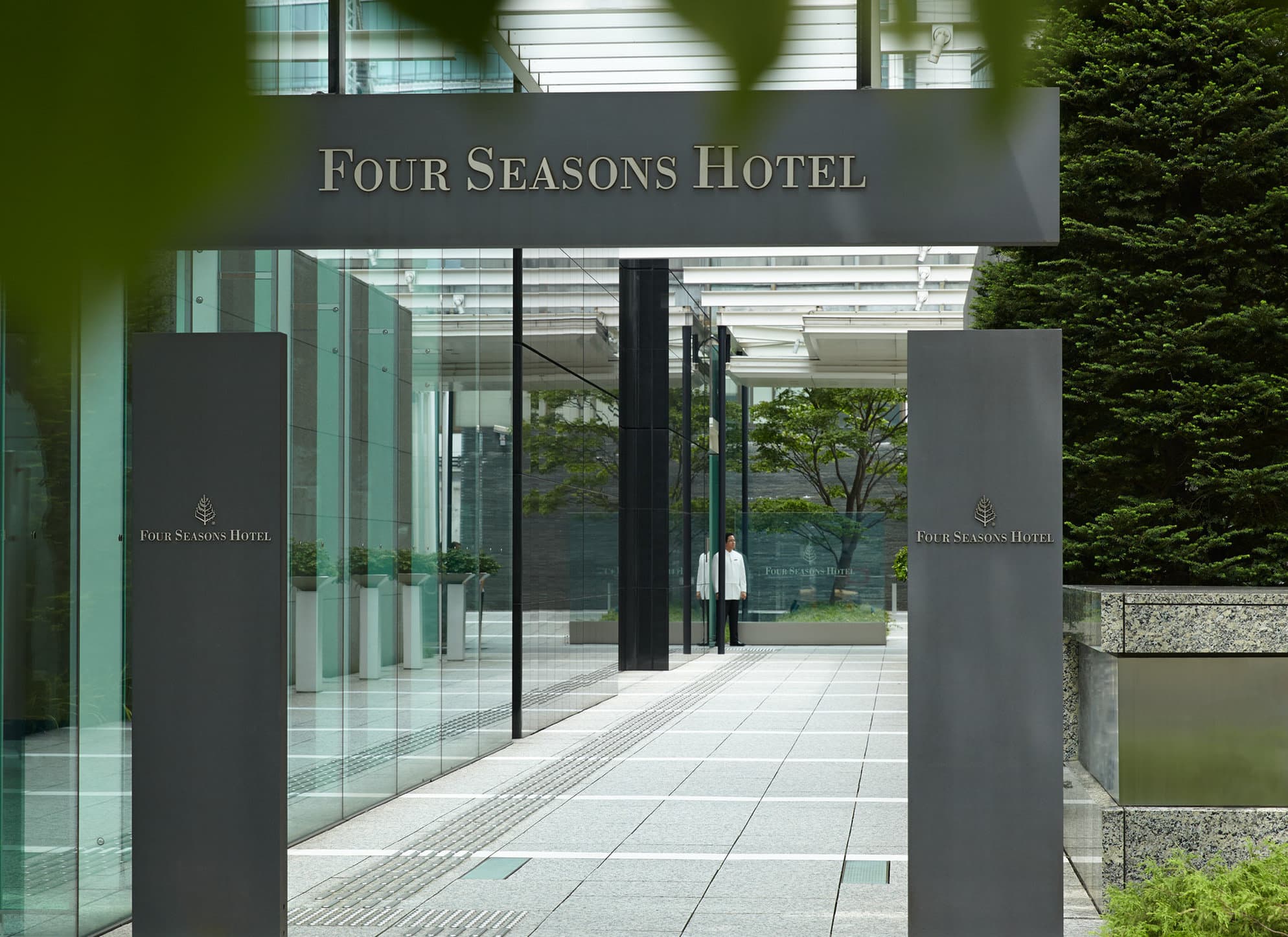
In a metropolis defined by scale, Four Seasons Hotel Tokyo at Marunouchi makes a radical statement: intimacy is the ultimate luxury. With a mere 57 rooms, this boutique sanctuary feels less like a hotel and more like the private residence of a tasteful friend—one who lives directly above the Shinkansen tracks. While the accommodation floors are currently receiving a masterful André Fu polish (reopening March 2026), the property’s pulse remains its world-class gastronomy, arguably Ginza’s most sophisticated neighbour. The culinary crown jewel, SÉZANNE, has ascended to the stratosphere, securing three Michelin stars and the #7 spot on the World’s 50 Best Restaurants. Chef Daniel Calvert’s precision is absolute; his 48-month Comté gougère is a bite of savoury ether, and the Shanghai hairy crab is a pilgrimage in itself. For a more casual affair, MAISON MARUNOUCHI’s Wagyu Cheeseburger redefines the genre with bistro flair. The vibe is 'Kinetic Zen'—a silent, triple-glazed bubble watching the bullet trains glide like silent arteries below. Service is telepathic; the 'platform greeting' is the city's best arrival hack. Verdict: A microscopic masterclass in hospitality. Small, silent, and spectacularly delicious.
“Bypass the labyrinth of Tokyo Station. Request the complimentary 'Platform Greeting' service when booking; staff will meet you at your Shinkansen car door and whisk you through a secret entrance directly to the lobby.”
Insider TipAvg. Nightly Rate
1200USD
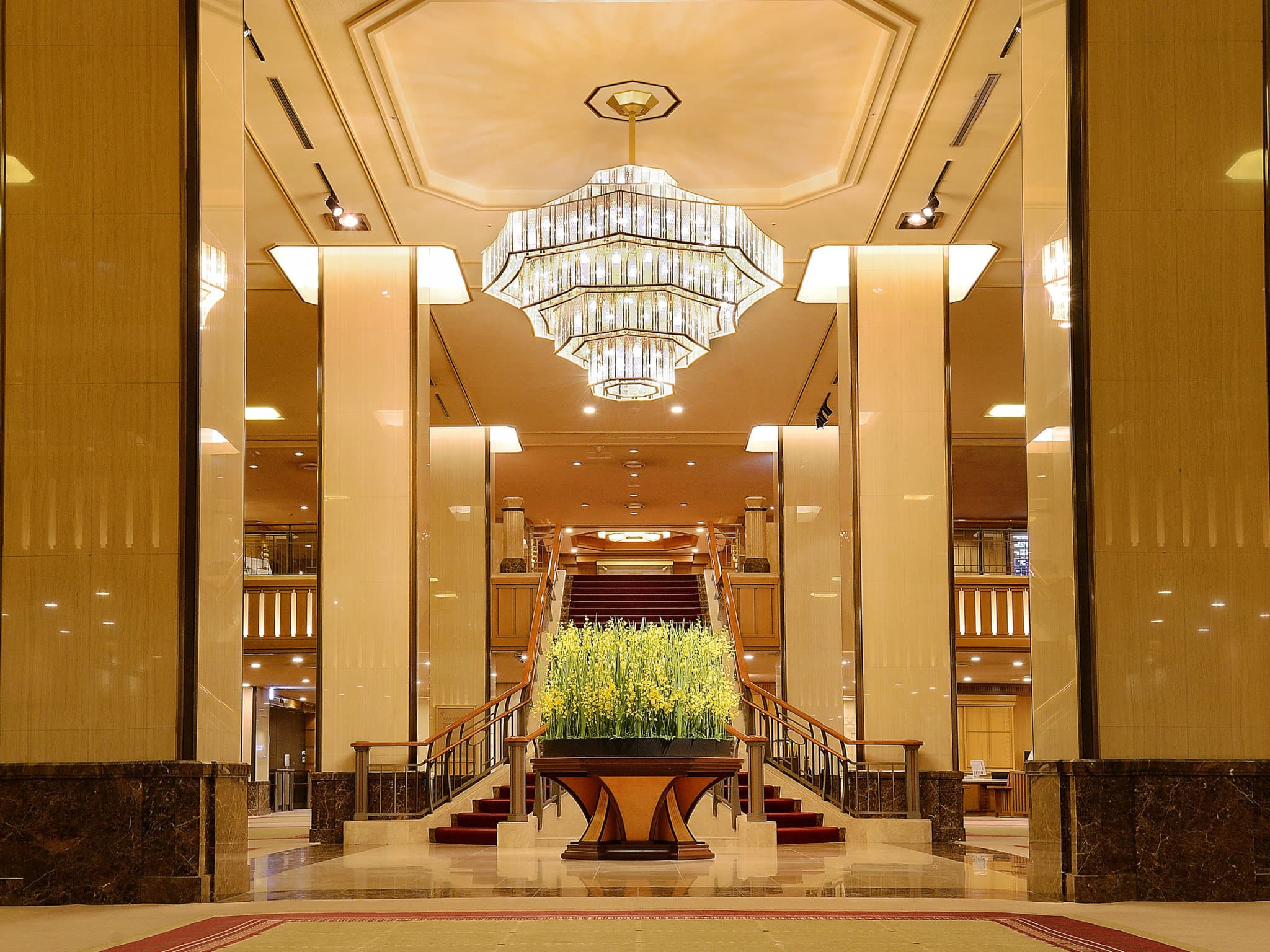
In a metropolis obsessed with the shiny and new, the Imperial Hotel Tokyo remains a defiant, tuxedoed bastion of the old guard. While Ginza’s skyline bristles with generic glass needles, entering the Main Building feels like stepping into a preserved 1970s diplomatic summit—all hushed gravity, geometric carpets, and the glow of the iconic 'Golden Rose' chandelier. The hardware is undeniably vintage; the retro sconces and wood paneling whisper of a bygone bubble era, yet the upkeep is forensic. You won't find a speck of dust on the Molton Brown amenities, nor a crease in the linens. But you aren't here for the USB ports; you are here to eat. The hotel functions less like a lodging and more like a gastronomic fortress. At Les Saisons, Chef Thierry Voisin—a disciple of the legendary Boyer—executes a Truffle en Croûte that is practically a religious artifact, justifying the venue's retained Michelin star in the 2025 Guide. For a more casual yet historic indulgence, the Imperial Viking Sal offers a potato salad so storied it has its own fan club. The night ends inevitably at the Old Imperial Bar. Here, amidst the volcanic Oya stone murals preserved from Frank Lloyd Wright’s original 1923 masterpiece, white-jacketed bartenders stir a 'Mount Fuji' with the precision of a watchmaker. With the Tower Building facing demolition, the Imperial is in transition, but its service remains the global gold standard—unrushed, intuitive, and ferociously competent.
“Skip the lobby lounge queue and head straight to the Old Imperial Bar. Request a seat near the terracotta mural—a genuine fragment of the 1923 Frank Lloyd Wright building—and order the signature 'Mt. Fuji' cocktail.”
Insider TipAvg. Nightly Rate
220USD
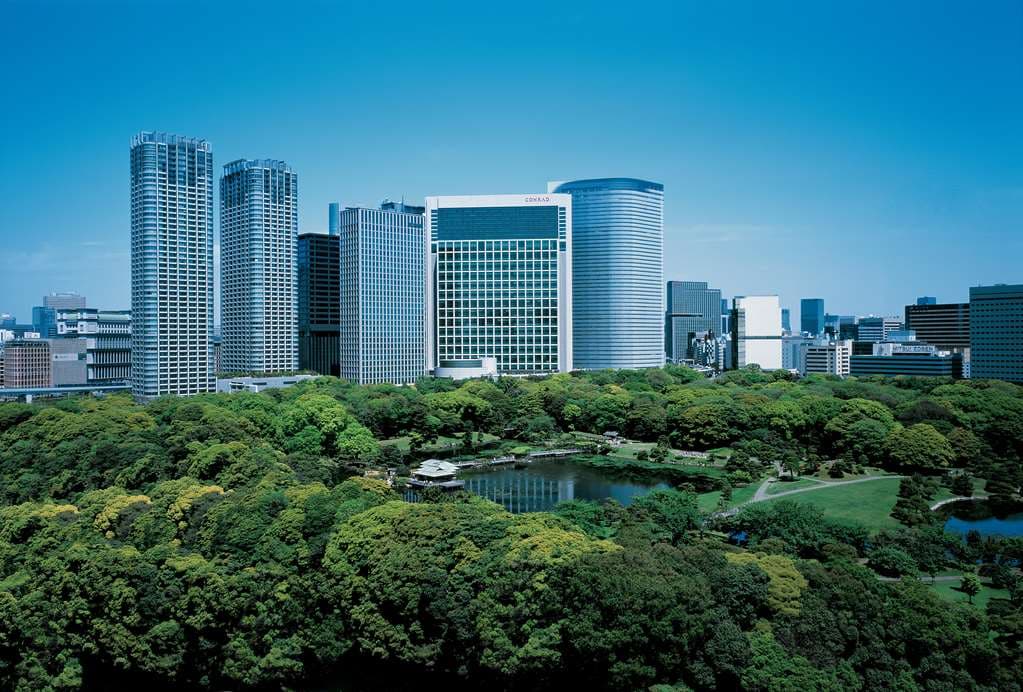
While Shiodome feels distinctly corporate—a grid of glass towers housing Tokyo’s salaryman army—the Conrad operates on a different frequency entirely. Ascending to the 28th-floor lobby, the city’s frenetic energy dissolves, replaced by the property’s signature ‘Garden in the Sky’ aesthetic. The real draw here isn’t just the 48-square-meter rooms (massive by local standards) or the sumie-style pool with its seven-meter windows; it’s the floor-to-ceiling framing of the Hamarikyu Gardens below, offering a rare dialogue between feudal green space and Tokyo Bay’s steel grey. For the epicurean, this is a vertical dining destination. China Blue, retaining its Michelin status, demands a reservation; Chef Albert Tse’s BBQ spare ribs with strawberry and wasabi sound chaotic on paper but arrive with startling, sweet-savory precision. If that feels too avant-garde, Kazahana’s charcoal-grilled A5 Wagyu provides a purist’s counterpoint. Cap the night at TwentyEight with their namesake Martini; the live music and glittering skyline forgive the neighborhood’s lack of nightlife. The hardware admits the hotel’s 2005 vintage—you might spot an antiquated control panel—but with Mizuki Spa’s Valmont treatments and service that anticipates needs before you verbalize them, the Conrad remains a heavyweight.
“Skip the 'City View'. Book a 'Bay View' room to watch the sun rise over the Hamarikyu Gardens—it’s the only time Shiodome feels romantic.”
Insider TipAvg. Nightly Rate
350USD