No. 01
2 10 8 Sekiguchi Bunkyoku. Tokyo Japan 112-8680Tokyo806 verified reviews
9
.4
Bitvoya Edit
Layering imagery, place, and detail before the page opens.
Tokyo is a city where futuristic neon skylines coexist with deep-rooted traditions, and nowhere is this more evident than in its historic luxury hotels. The 'Grand Dames' of Tokyo are not merely places to sleep; they are cultural institutions that have hosted emperors, dignitaries, and literary icons for decades. From the moat-side grandeur of the Palace Hotel Tokyo in Marunouchi to the serene, garden-enveloped sanctuary of Hotel Chinzanso Tokyo in Bunkyo, these properties offer a glimpse into the soul of Japanese hospitality. Visitors staying in the prestigious neighborhoods of Hibiya, Toranomon, and Kioicho will find that these hotels—including the legendary Imperial Hotel and the modernist masterpiece The Okura Tokyo—seamlessly blend the golden age of Showa-era elegance with contemporary sophistication.
Choosing to stay at one of Tokyo's "Grand Dames" is a decision to immerse yourself in living history. Unlike the glittering new skyscrapers that house international chains, properties like the Imperial Hotel Tokyo and The Okura Tokyo carry a distinct narrative of Japan's modernization and cultural diplomacy. These hotels offer an unparalleled level of "Omotenashi"—the Japanese philosophy of hospitality that anticipates a guest's needs before they are even spoken. Staying here connects you to the stories of the city, from the literary heritage of The Tokyo Station Hotel to the 400-year-old gardens of Hotel New Otani Tokyo: The Main.
Expect a blend of museum-quality aesthetics and state-of-the-art comfort. Culinary excellence is a given; many of these hotels house Michelin-starred restaurants and historic bars where classic cocktails were invented. For instance, the Old Imperial Bar remains a pilgrimage site for architecture and whisky lovers alike. Furthermore, the architecture itself tells a story, from the red-brick grandeur of Tokyo Station to the mid-century masterpiece lobbies of the Okura. These hotels provide a serene anchor in the bustling metropolis, offering spacious rooms, impeccable concierge services, and a tangible sense of prestige.
Hotel New Otani Tokyo: The Main and Hotel Chinzanso Tokyo are renowned for their massive, centuries-old Japanese gardens, offering a serene escape within the city.
The 'Gosanke' refers to the three most prestigious historic hotels in Tokyo: the Imperial Hotel Tokyo, The Okura Tokyo, and Hotel New Otani Tokyo.
Yes, The Tokyo Station Hotel is located directly within the historic Marunouchi red-brick building of Tokyo Station, designated as an Important Cultural Property.
Explore our complete curated list of luxury accommodations, from boutique hideaways to grand dames.
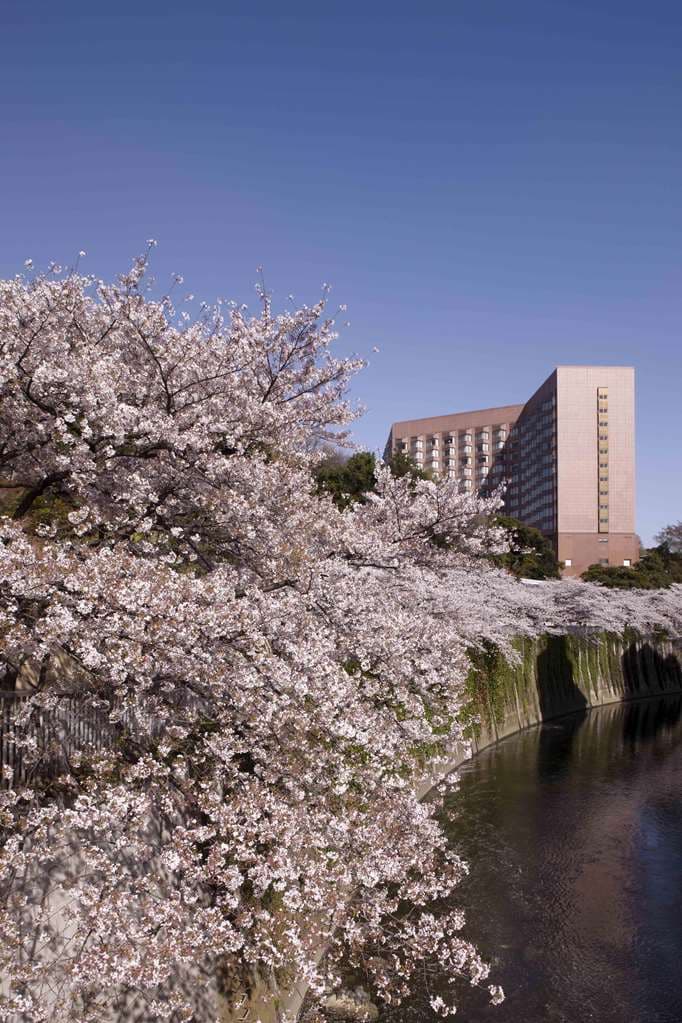
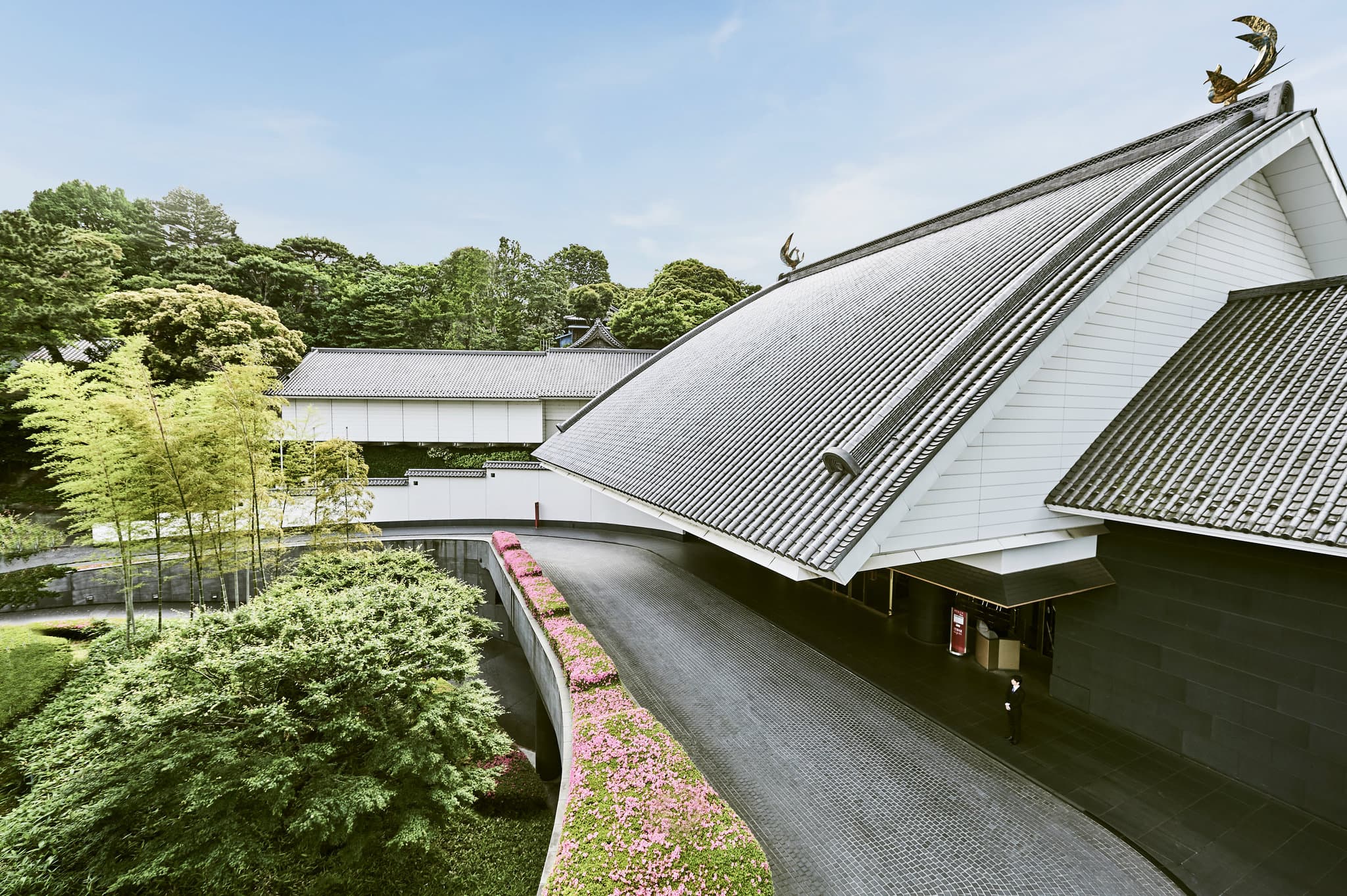
Explore All Tokyo HotelsIf the Aman is Tokyo’s sleek future, Chinzanso is its feudal soul. Located in Bunkyo—a deliberate twenty minutes from the neon epilepsy of Shinjuku—this property operates less like a hotel and more like a Daimyo’s estate that graciously accepts reservations. The draw is the 12-acre garden, a Meiji-era masterpiece anchored by a 600-year-old pagoda (celebrating its centennial in the garden in 2025) and the 'Tokyo Sea of Clouds,' where mist cannons drown the grounds in an ethereal fog every few minutes. Inside, the design unapologetically favors 'Bubble Era' grandeur over minimalism—acres of marble, heavy European drapery, and chandeliers that could anchor a ship. The entry-level Prime Superior rooms are a staggering 45 square meters, dwarfing the competition, and stocked with L’Occitane amenities and showers with water pressure capable of stripping jet lag. Dining is serious business here: book *Mokushundo* for Wagyu grilled on Mt. Fuji lava stone, or sink into *Il Teatro* for Kobe beef sirloin under Venetian glass. While the 15-minute trek to Edogawabashi station is a hurdle, the trade-off is absolute silence, broken only by the garden’s waterfall. **Verdict**: A sophisticated, slow-burn classic for those who prefer fireflies over Shibuya’s flashing lights.
“Skip the standard garden view; specifically request a room facing the Three-Story Pagoda to watch the 'Sea of Clouds' illuminated at night. It’s the best show in town.”
Insider TipAvg. Nightly Rate
350USD
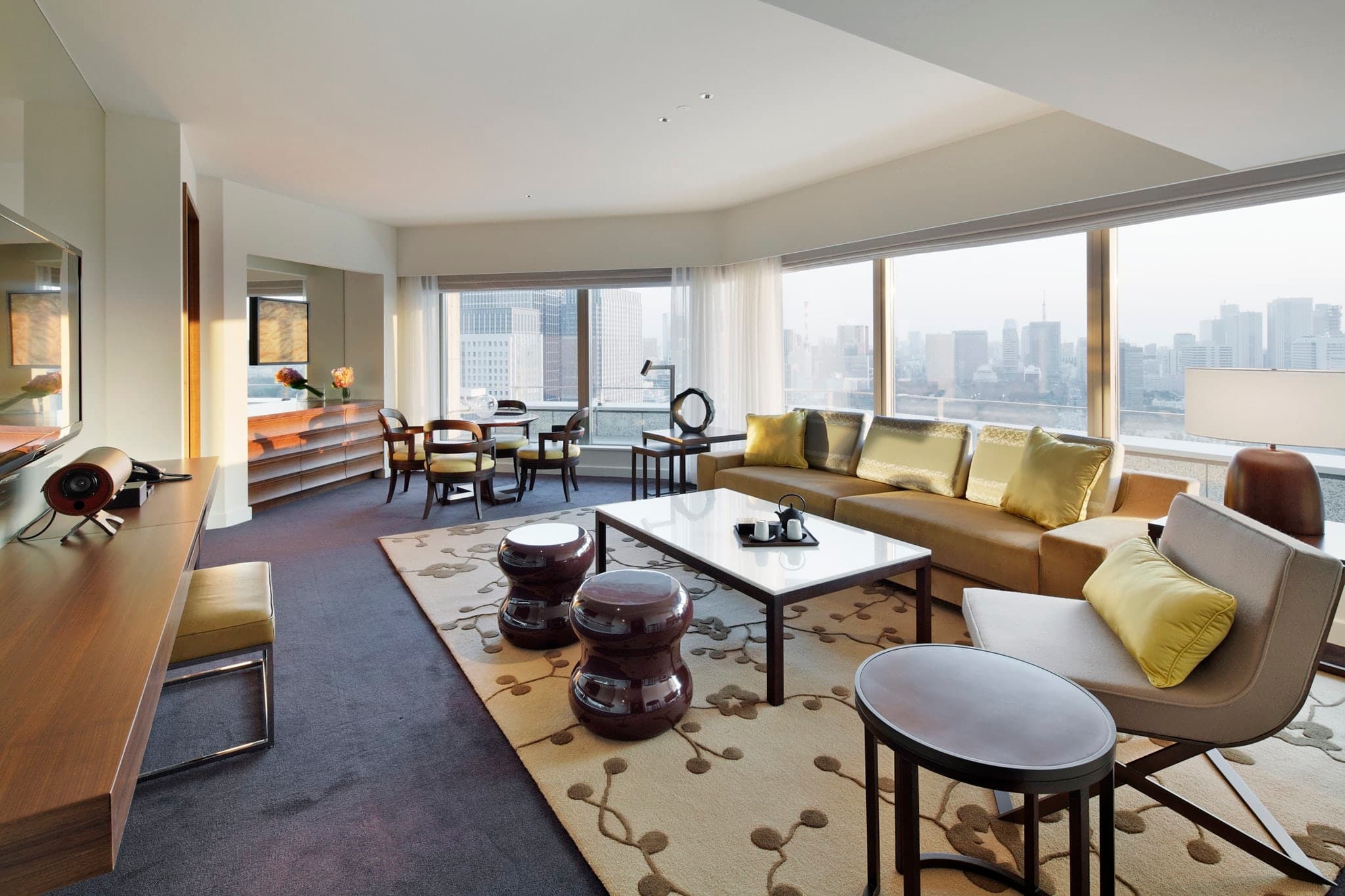
It begins with the address: 1-1-1 Marunouchi. If that doesn’t signal authority, nothing does. While the original 1961 structure has been replaced, this 2012 reincarnation manages a feat its glass-tower competitors in Otemachi cannot replicate: actual open-air balconies. Stepping out onto a private terrace to stare directly at the Imperial Palace moat isn't just a perk; in a city of sealed windows, it is the ultimate flex. The aesthetic here is strictly 'Grand Residence'—think cream hues, heavy silks, and a reassuringly expensive hush. While the lobby can occasionally feel overrun with suits (this is the financial district, after all), the guest rooms remain impenetrable sanctuaries. The bath experience is a highlight; open the blinds to soak while gazing at the Wadakura Fountain Park. Dining is a serious pursuit. Skip the casual bites and commit to 'Esterre', where the Tochigi Wagyu beef and signature Baba dessert justify the bill. For recovery, the evian SPA—a Japan first—offers a French-Japanese fusion that effectively erases jet lag. It is the closest you will get to sleeping in the Imperial Palace without a royal title.
“The lobby can get gridlocked with business meetings. Bypass the chaos by booking a Club Room to check in privately on the 19th floor, and request a 'Wadakura Fountain View' specifically—the Otemon Gate sightline is superior.”
Insider TipAvg. Nightly Rate
690USD
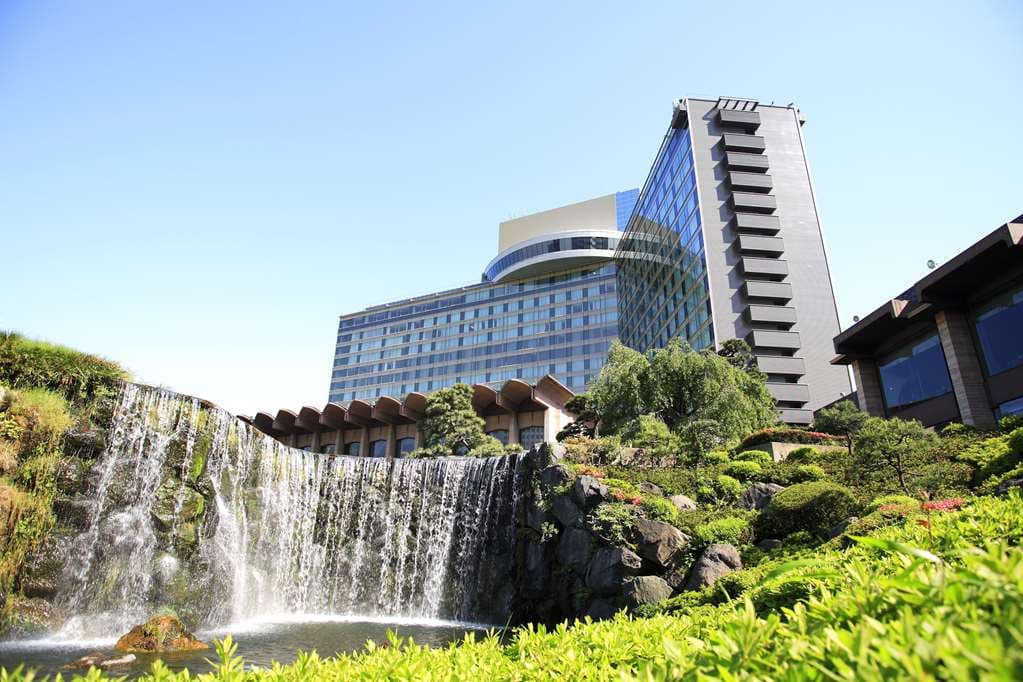
If you want whisper-quiet minimalism, go elsewhere. The Hotel New Otani Tokyo: The Main is a glorious, unrepentant monolith. Built for the 1964 Olympics and immortalized as the villain’s lair in *You Only Live Twice*, this property doesn’t just occupy space in Kioicho; it dominates it. The sheer scale is the point—a labyrinthine city-within-a-city where you might get lost between the Hermès boutique and the 400-year-old Japanese garden, complete with a thundering waterfall and the scarlet Taiko-bashi bridge. Bypass the standard rooms for the 'Shin-Edo' quarters. Here, the hotel ditches the corporate beige for deep charcoal tones and, crucially, private *hinoki* (cypress) bathtubs that fill the room with a woody, meditative scent—a rare tactile pleasure in a high-rise. Dining is an endurance sport with over 30 options, but the non-negotiable stop is *Tour d'Argent Tokyo*. It remains the only branch outside Paris, serving the legendary *Caneton Marco Polo* (duck with pepper sauce) with theatrical precision. Service is swift and deferential, operating with the machinery of a place that has hosted every G7 summit in Tokyo. It is massive, occasionally confusing, and undeniably grand—a bucket-list stay for those who prefer their history served with a side of spectacle.
“Book a 'Shin-Edo' room on the garden side. You get the cypress bath *and* a direct view of the Red Bridge, creating a frame worthy of a woodblock print.”
Insider TipAvg. Nightly Rate
171USD
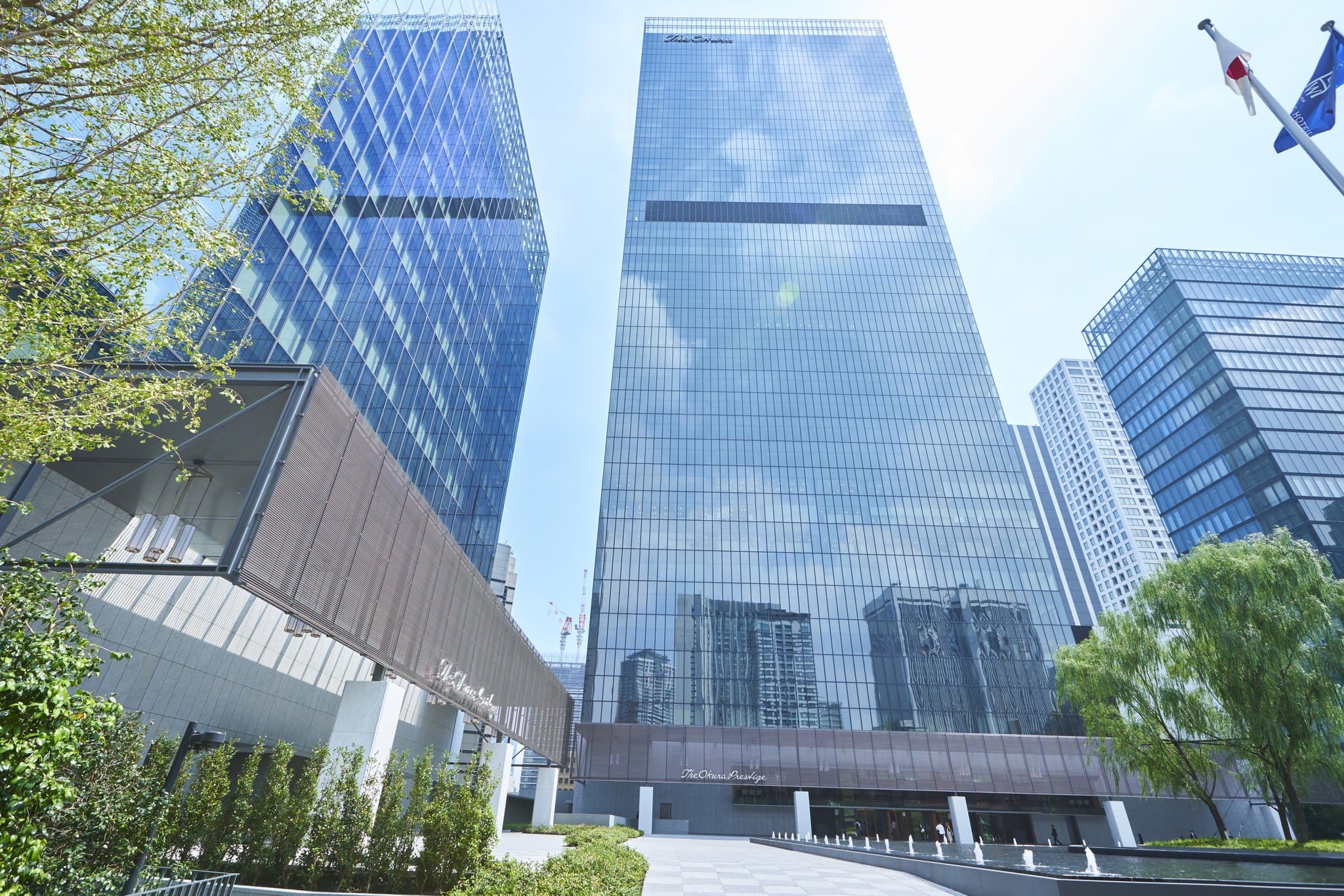
When the original 1962 Hotel Okura was demolished in 2019, the global design community collectively gasped. Yet, the reborn Okura Tokyo is a masterclass in reincarnation, not replacement. Walking into the lobby feels less like checking in and more like entering a curated exhibition of 1960s Japanese modernism. The iconic hexagonal ‘Okura Lanterns’ and lacquered tables and chairs—arranged like plum blossoms—have been meticulously preserved, anchoring the hotel’s soul even as it splits into two distinct wings: the high-rise Prestige Tower and the exclusive, low-rise Heritage Wing. Upstairs, the nostalgia gives way to razor-sharp contemporary luxury. Opt for a Prestige Room, where the ‘View Bath’ concept places your soaking tub directly against floor-to-ceiling glass, offering a vertiginous, steaming vantage point over the Toranomon skyline. The amenities are a serious affair, featuring Annayake toiletries and ultra-soft Imabari towels that justify the high nightly rate. While the Technogym-equipped fitness center is functional, the real workout here is gastronomic. The French fine dining at Nouvelle Epoque is non-negotiable; their signature Truffle-flavored Eggs Benedict is an decadent, earth-shattering start to the day that ruins regular brunch forever. Yes, the location on the hill near the U.S. Embassy isolates you slightly from the subway scramble, requiring a short taxi ride or a stiff walk. but that’s precisely the point. In a city of frenetic neon, The Okura remains a sanctuary of ‘Omotenashi’—white-glove service that feels intuitive rather than scripted. It is the diplomat’s secret weapon, and now, yours.
“Skip the standard rooms and book a 'Club Room' in the Prestige Tower to access the Club Lounge on the 37th floor—the views of Tokyo Tower at sunset are superior to the Tokyo Skytree observation deck.”
Insider TipAvg. Nightly Rate
350USD
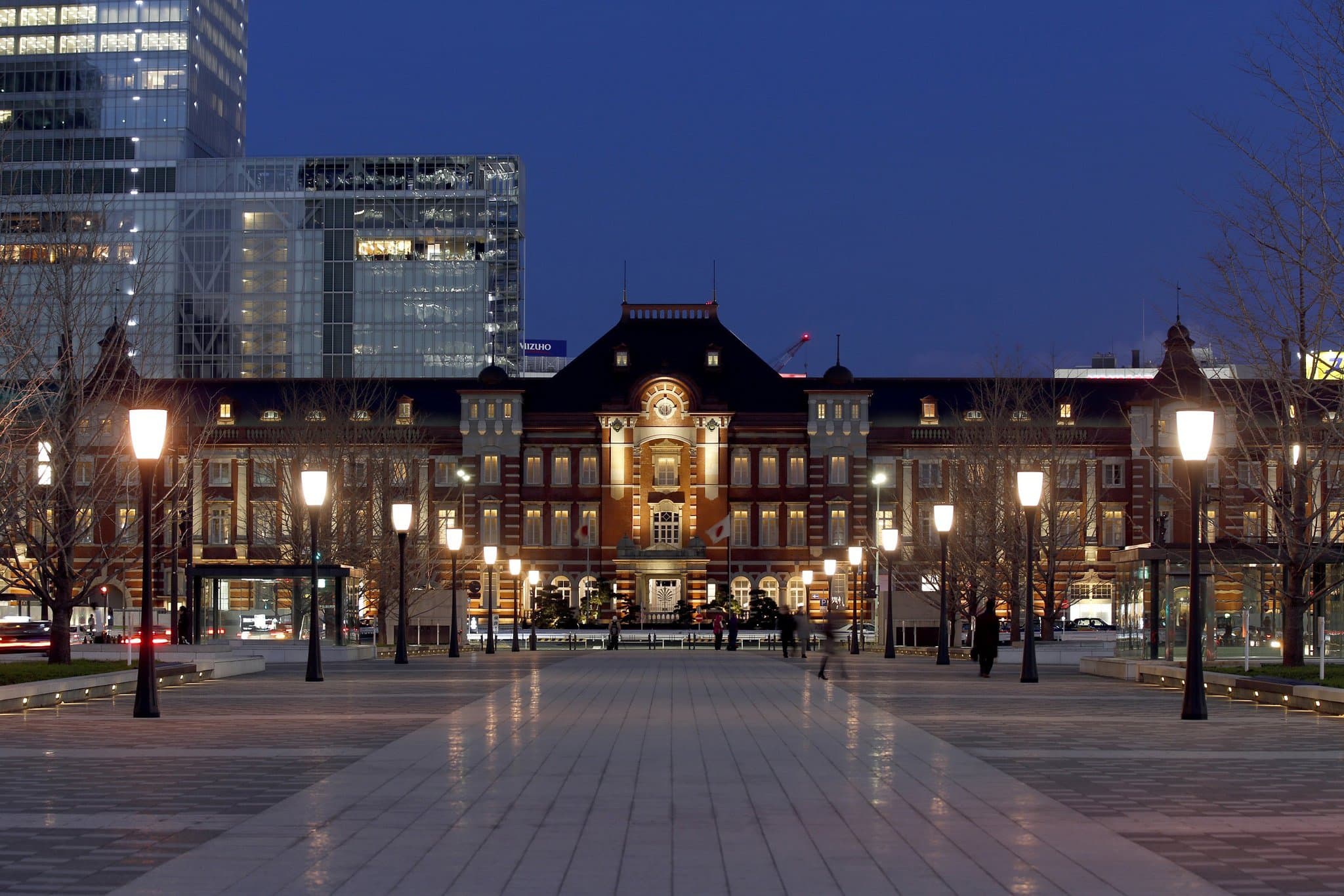
It is a rare feat to inhabit a registered Important Cultural Property without sleeping on a museum floor, yet The Tokyo Station Hotel allows you to do just that—directly above the world’s busiest rail terminal. Reopened in 2012 after a meticulous restoration of its 1915 Marunouchi red-brick façade, this property pulls off a magic trick: absolute silence amidst chaotic motion. The interiors channel a distinct 'Golden Age' European grandeur rather than standard corporate luxury. High ceilings and long, symmetric corridors evoke a cinematic nostalgia, while the rooms themselves are fortresses of calm equipped with Simmons beds and bespoke 'Est. 1915' toiletries by Histoires de Parfums (or Bvlgari in the suites). The dining experience is equally steeped in exclusivity. The Atrium, flooded with natural light from the station's original skylight, serves a guest-only breakfast where the signature omelet with beef stew sauce is non-negotiable. For dinner, Blanc Rouge offers a masterclass in Nouvelle French cuisine, featuring Miyazaki beef that justifies the price point. While the entry-level rooms can feel compact—a common Tokyo affliction—the impeccable soundproofing and the sheer provenance of the building make this more than a stay; it is a residency in living history. Verdict: The ultimate power move for the traveler who values heritage over hype.
“Book a 'Dome Side' room. These overlook the restored reliefs of the station’s north and south cupolas, offering a private viewing gallery of the historic architecture that day-trippers crane their necks to see.”
Insider TipAvg. Nightly Rate
500USD
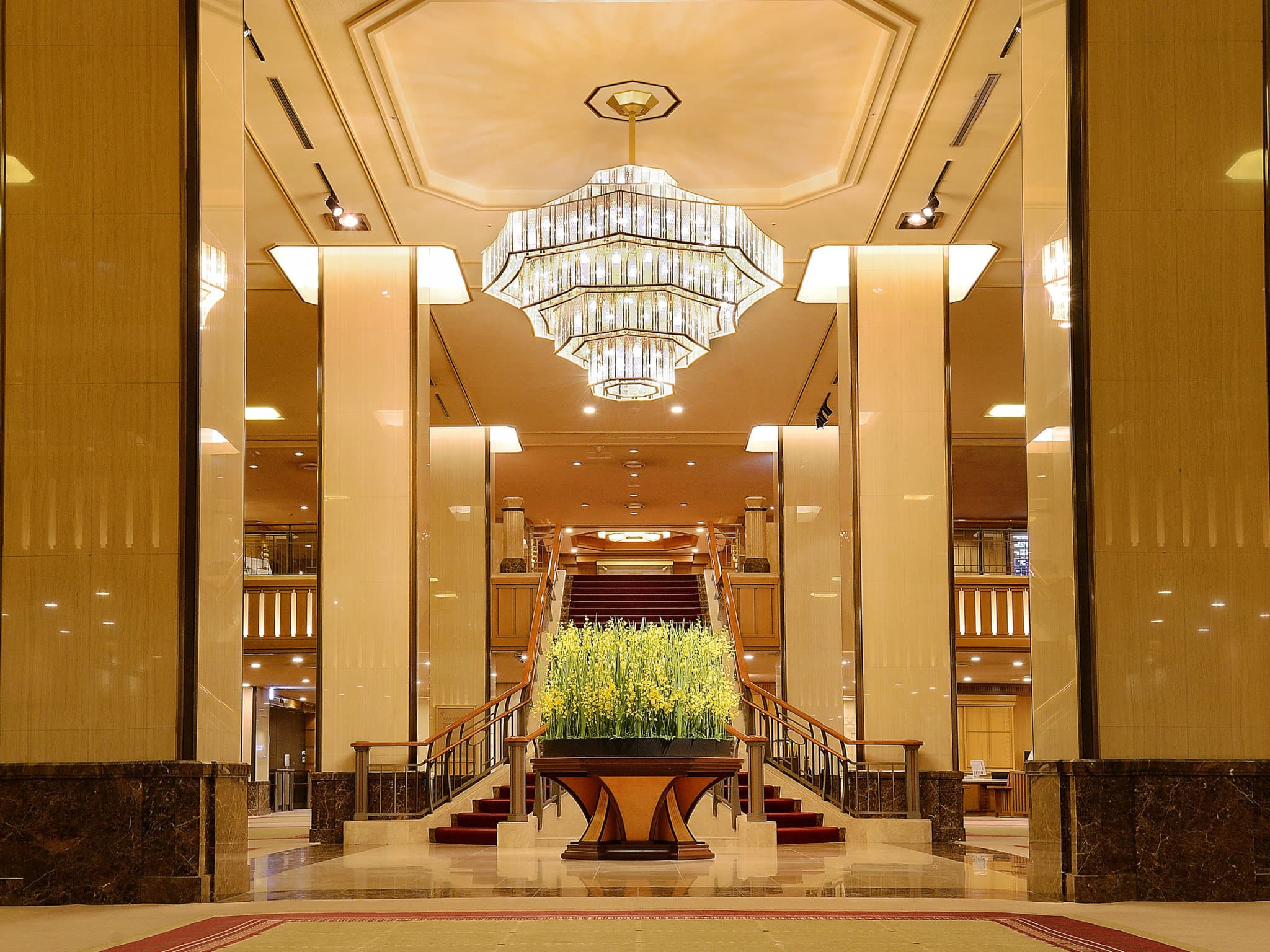
While newcomers clamor for skyline supremacy, the Imperial Hotel remains the unshakeable bedrock of Tokyo hospitality. Anchoring the Hibiya district since 1890, this institution doesn't just host history; it curates it. The moment you step under the lobby’s 'Golden Rose' chandelier, the vibe is distinct: less flashy influencer playground, more diplomatic power corridor. Design aficionados flock to the Old Imperial Bar to worship the terracotta murals—the last surviving fragments of Frank Lloyd Wright’s 1923 architectural masterpiece. It’s here, over a Mt. Fuji cocktail, that the hotel’s soul resides. In the Main Building, the rooms eschew trendy minimalism for a polished, 1970s grandeur—think geometric carpets, sturdy oak desks, and bedside consoles that actually work. Dining is a serious affair; the *Truffle en Croûte* at Les Saisons is a mandatory indulgence, rivaled only by the roast beef at Imperial Viking Sal, Japan’s very first buffet. Service is telepathic, executed by white-gloved staff who likely know your preference before you do. With the Tower Building currently coming down, the property feels like a fortress of calm amidst a city in flux.
“Book a 'Park View' room in the Main Building to face Hibiya Park. This ensures you avoid any potential noise from the Tower Building demolition site on the opposite side.”
Insider TipAvg. Nightly Rate
220USD
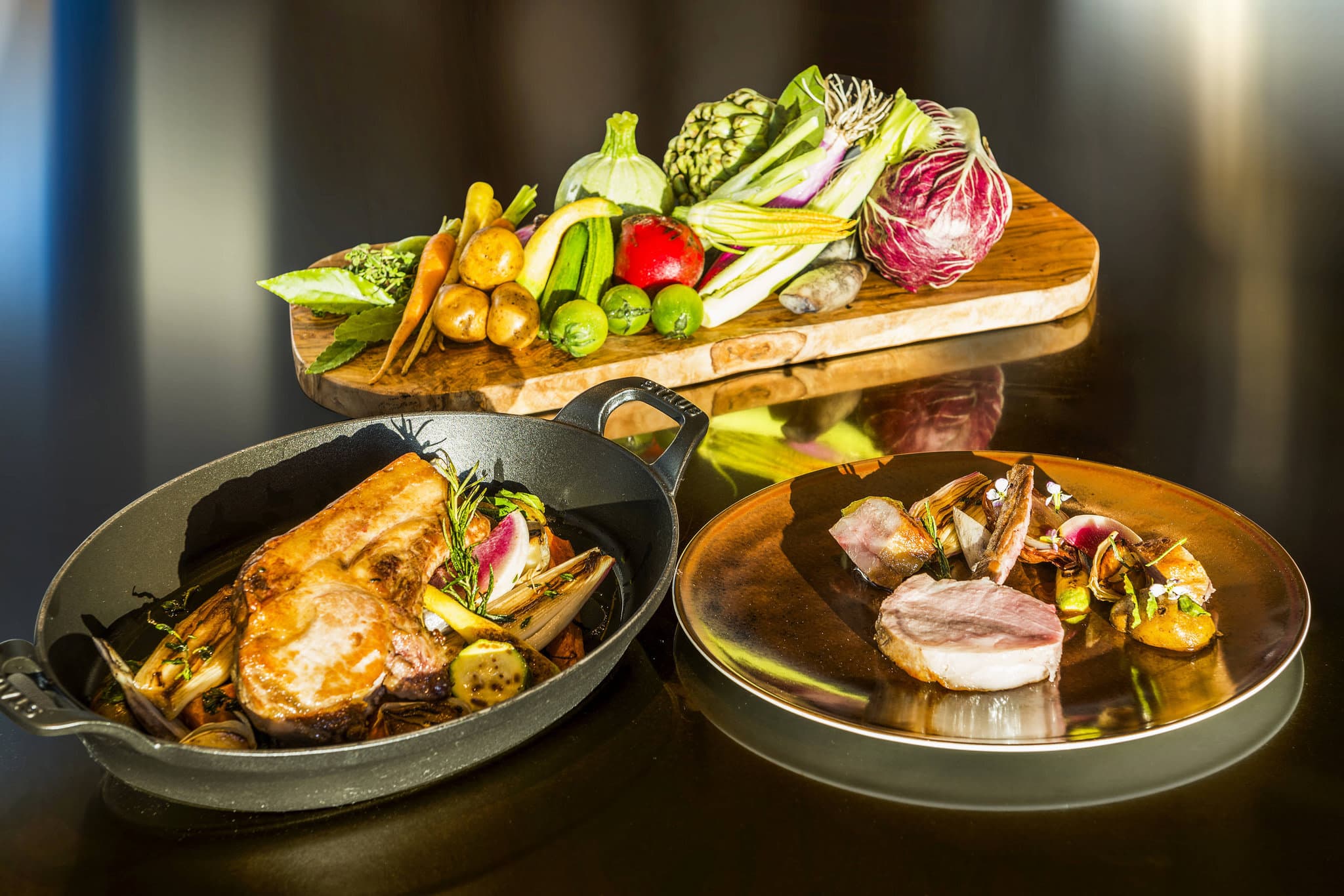
If the Park Hyatt is Tokyo’s grand dame, The Prince Gallery Tokyo Kioicho is her cooler, art-obsessed granddaughter. Occupying the top seven floors of a Kioicho skyscraper, this hotel doesn’t just offer views; it frames them like high-value assets. The arrival experience—an ear-popping elevator ride to the 36th-floor Sky Lobby—drops you into 'Levita', a lounge where a glass waterfall installation competes with the sprawl of the metropolis below. It’s slick, moody, and undeniably sexy. Rooms here reject the beige convention. Instead, you get deep window nooks with floating daybeds that make you feel suspended over the Akasaka-Mitsuke junction. The tech is sharp—tablets control everything from the sheer blinds to the room service orders. Dining is theatrical; at WASHOKU SOUTEN, the kaiseki comes with projection-mapped storytelling, a gimmick that actually works. However, the double-elevator transfer to reach street level is a daily nuisance, and the exclusion of Platinum elites from the Club Lounge stings given the nightly rate. Yet, for the sheer visual drama and the Technogym-equipped spa featuring Swiss Perfection treatments, it’s a compromise worth making. Recently minted with a Forbes Five-Star award for 2024, it remains Tokyo’s most photogenic hideaway.
“Book a 'Grand Deluxe Premier King' on the southeast corner for the definitive dual view of Tokyo Tower and the Skytree. Also, the pool is strictly 13+, ensuring actual laps, not splashing.”
Insider TipAvg. Nightly Rate
530USD
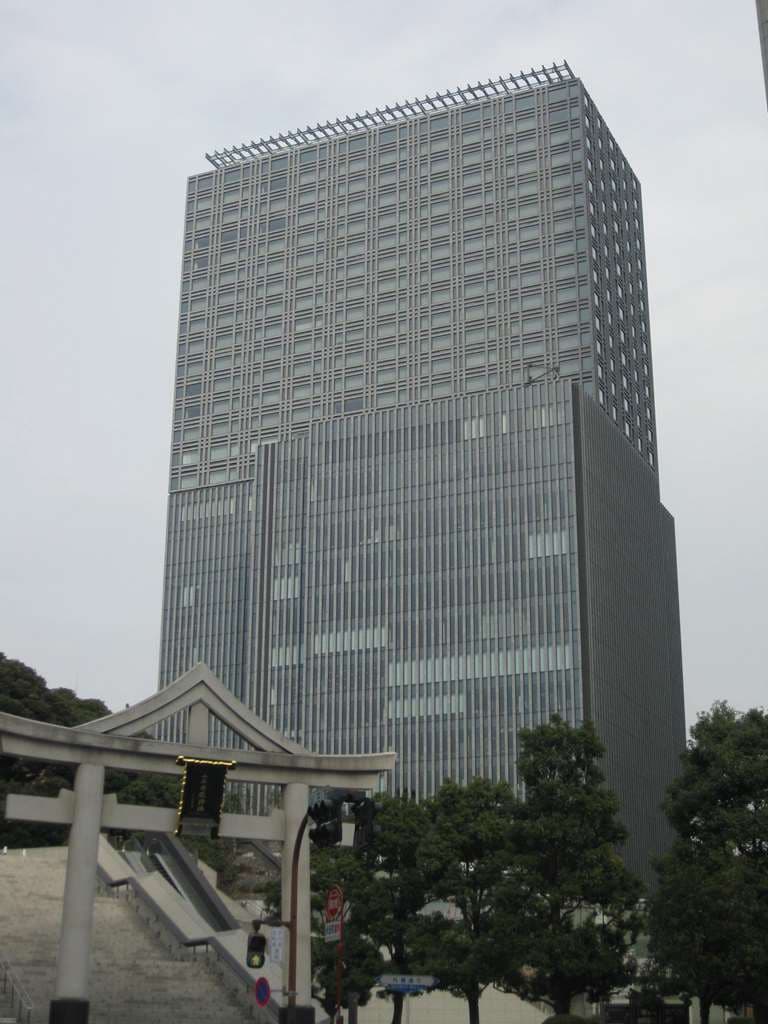
Forget the neon shouting of Shibuya; in the hushed corridors of Nagata-cho, power speaks softly. The Capitol Hotel Tokyu isn't just a hotel; it is the spiritual successor to the Tokyo Hilton that once sheltered The Beatles, now reimagined by Kengo Kuma in a lattice of warm timber and shadow. It is where legislators and captains of industry dissolve into the background, far from the tourist hordes. The rooms defy the notorious Tokyo squeeze. At a sprawling 45 square meters, even entry-level quarters feel residential. Kuma’s architectural touch is evident in the sliding shoji paper screens that partition the bathroom, allowing you to soak in a deep tub while gazing at the National Diet Building. The beds are dressed in linens that feel like clouds, and the nightly turndown service—complete with crisp pyjamas and chocolates—is executed with ninja-like invisibility. Dining here is a ritual of the elite. Skip the trendy avocado toasts and head to ORIGAMI for the capital’s ultimate power lunch. Order the signature Pork Cutlet or the legendary German Apple Pancake—a dish so iconic it has likely survived more cabinet reshuffles than any Prime Minister. For a nightcap, The Capitol Bar’s 'Water Lily' cocktail offers a gin-soaked vantage point over the imperial gardens. This is Japanese luxury without the stiffness: polished, private, and practically perfect.
“Bypass the taxi queue during rush hour. The hotel has a private elevator granting direct underground access to the Tameike-Sanno station, putting four subway lines instantly at your feet.”
Insider TipAvg. Nightly Rate
284USD
Forget the beige minimalism currently sweeping Shibuya. Hotel Gajoen Tokyo is a defiant, dazzling riot of Showa-era opulence. Originally established in 1928, this 'Museum Hotel' is widely rumored to have inspired the bathhouse in Miyazaki’s *Spirited Away*, and the comparison holds water. From the lacquer-drenched *Maneki no Daimon* gate in the lobby to the historic *Hyakudan Kaidan* (The Hundred Stairs), the property feels less like a hotel and more like a living art installation. The residential wings offer a rare commodity in Tokyo: space. Even entry-level keys unlock massive 80sqm suites, kitted out with private steam saunas and jet baths that make the steep trek up Gyoninzaka hill vanish from memory. While the Omnisens Paris amenities and Dyson hair dryers add modern polish, the vibe remains unapologetically vintage. Dining here is theatrical. Skip the cafe toast and secure a table at *Shunyuki* for their signature braised shark fin—a dish as rich as the surroundings. Service is seamless, if a bit formal, befitting a venue that hosts Japan’s most elaborate weddings. **Verdict:** A bucket-list stay for design lovers who find 'zen' boring.
“Book the 'Hyakudan Kaidan' art tour for the first slot of the day (usually 11:00 AM) to photograph the historic rooms without the crowds.”
Insider TipAvg. Nightly Rate
450USD